
Main Courses
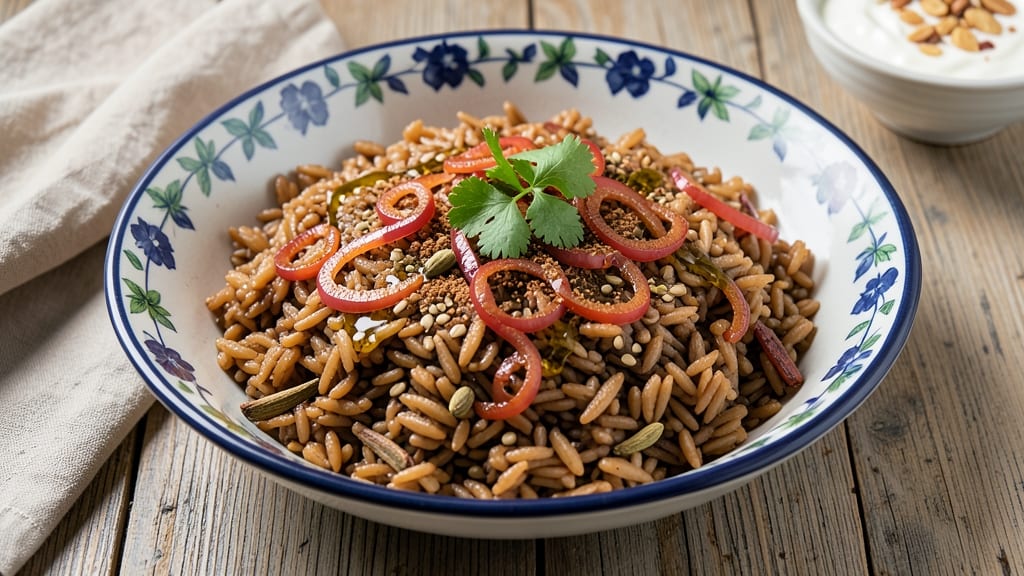
This fragrant spiced Pakistani brown rice pilaf transforms simple grains into a dish bursting with caramelized onions and warm spices. 🌟 The secret lies in slow-cooking onions until deep golden, then layering them with basmati rice and aromatic whole spices—a technique that creates irresistible texture and depth.
Unlike plain rice, this version delivers restaurant-quality flavor with minimal effort, perfect for weeknight dinners or special gatherings. What makes this recipe stand out is the balance of smoky cumin, sweet cinnamon, and earthy cardamom, all infused into the rice as it simmers.
The result is a tender, fluffy pilaf with sticky caramelized onions that cling to every grain, offering a taste of Pakistani home cooking. Serve it alongside grilled chicken, lamb, or vegetarian curries for a complete meal that feels both comforting and sophisticated.
Ingredients for brown rice pakistani
Twelve ingredients transform simple brown rice into restaurant-quality Pakistani pilaf with deep caramelized onion flavor.
| Ingredient | Amount | Notes |
|---|---|---|
| Long-Grain Brown Rice 🌾 | 1 ½ cups | Uncooked, rinsed well |
| Yellow Onions 🧅 | 3 whole | Medium size, thinly sliced |
| Extra-Virgin Olive Oil 🫒 | ½ cup | For slow caramelizing onions |
| Whole Cumin Seeds 🌿 | 1 ½ tsp | Toasted lightly for aroma |
| Ground Cinnamon 🌶️ | ½ tsp | Sweet, not cassia |
| Green Cardamom Pods 🌿 | 4 whole | Lightly crushed |
| Fresh Bay Leaves 🌿 | 2 whole | For subtle earthiness |
| Fresh Ginger 🌿 | 1 tbsp | Finely grated |
| Salt 🧂 | 1 ½ tsp | Diamond Crystal preferred |
| Water 💧 | 3 cups | Room temperature preferred |
| Fresh Lemon Juice 🍋 | 1 tbsp | Brightens final flavor |
| Fresh Cilantro 🌿 | ¼ cup | Chopped, for garnish |
The onions are the foundation—slow-cooking them until deep golden creates that signature caramelized sweetness. Yellow onions work best for this technique, though red onions add a touch of color. Whole spices like cumin and cardamom should be sourced from reputable brands like Penzeys or bulk bins at specialty stores for maximum aroma. Fresh ginger and bay leaves elevate the dish beyond basic rice, so don't skip them. For the rice, long-grain brown rice is ideal—it absorbs the spices beautifully while maintaining texture.
No whole cardamom pods? Ground cardamom at half the amount works in a pinch, though the flavor will be slightly different. Running short on fresh ginger? Ginger powder at one-third the amount maintains the warmth. The olive oil matters here—extra-virgin adds subtle fruity notes that complement the caramelized onions. For a quicker version, you can use pre-sliced onions, though they won't caramelize as deeply. The lemon juice at the end brightens everything—freshly squeezed is best, but bottled works if you're in a hurry.
This pilaf reheats beautifully, though it's best served fresh. Store leftovers in an airtight container for up to 5 days in the fridge. For longer storage, freeze portions for up to 3 months. The spices lose potency over time, so toast cumin seeds fresh when reheating if possible. Garnish with fresh cilantro just before serving to maintain its vibrant color and bright flavor.
Why You'll Love This Recipe
- One-Pot Magic: I swear by this recipe when I’m too tired to wash three bowls—just toast the cumin, layer in the rice and onions, and let it simmer. The brown rice absorbs all that warm, spiced oil right in the pot, so you’re left with a fragrant, sticky pile that’s ready to serve. (Yes, even on a Tuesday night.)
- Warm Spice Hug: That first bite of toasted cumin and cinnamon hitting the rice? It’s like a hug for my taste buds. The onions caramelize just enough to add natural sweetness, while the olive oil keeps it rich without being greasy. Honestly, I’ve made this with plain rice before—don’t even think about it.
- Meal Prep MVP: This keeps perfectly for four days in the fridge, and the flavors only get deeper. I portion it into containers for lunches, or use it as a base for curries, kebabs, or even breakfast bowls with fried eggs. (My daughter picks out the cinnamon bits, but still asks for seconds.)
- Budget-Buster Combo: Brown rice is cheap, onions last forever, and a teaspoon of cinnamon goes a long way. The cumin seeds add serious flavor without breaking the bank—plus, you can make a big batch and freeze half for when you’re too lazy to cook. Between us, this is how I feed my family for under $10.
Step-by-step instructions for fragrant spiced pilaf
Transform simple brown rice into a restaurant-worthy Pakistani pilaf with aromatic spices and deep caramelized onions.
🔥 Step 1: Toast Spices and Caramelize the Onions
Heat a heavy-bottomed pot over medium-low heat and add the 0.5 cup extra-virgin olive oil. Once the oil is shimmering, add the 3 whole yellow onions sliced thinly. Cook them undisturbed for 10 minutes until they begin to soften and release their moisture.
Here's where the magic happens: reduce heat to low and let the onions caramelize for 30-40 minutes, stirring occasionally. You're aiming for a deep golden brown color with a sweet, jam-like consistency. This process builds the pilaf's rich foundation—don't rush it. If the onions start to stick, add 1 tablespoon water to deglaze and prevent burning.
👨🍳 Step 2: Bloom the Spices and Add Ginger
Once the onions are beautifully caramelized, increase heat to medium and add the 1.5 tsp whole cumin seeds. Toast them for 30 seconds until fragrant and slightly popping. Immediately add the 0.5 tsp ground cinnamon, 4 whole green cardamom pods (lightly crushed), 2 whole fresh bay leaves, and 1 tbsp finely grated fresh ginger.
Stir everything together for 1 minute until the spices release their essential oils and the mixture smells intensely aromatic. This is the spice infusion that will permeate your entire pilaf. I like to press the cardamom pods gently with the back of a spoon to release more flavor. The bay leaves will add subtle earthiness that balances the sweetness of the onions.
🍳 Step 3: Cook the Rice to Perfect Texture
Add the 1.5 cups long-grain brown rice and stir to coat it thoroughly in the onion-spice mixture. Cook for 2 minutes on medium heat, stirring constantly, until the grains become translucent at the edges. This step ensures each grain absorbs the flavorful onion base.
Now pour in the 3 cups water and add the 1.5 tsp salt. Bring to a gentle boil, then immediately reduce heat to low and cover tightly with a lid. Brown rice requires patience—simmer for 45-50 minutes until all liquid is absorbed and the rice is tender but still slightly firm to the bite. The key is maintaining a gentle simmer; if it boils vigorously, the rice will turn mushy.
⏰ Step 4: Finish with Lemon and Rest
Once the rice is cooked, remove from heat and stir in the 1 tbsp fresh lemon juice. This brightens the flavors and cuts through the richness of the caramelized onions. Let the pilaf sit covered for 10 minutes to allow the flavors to meld completely. The lemon juice will also help prevent the rice from drying out during this resting period.
Finally, fluff the rice gently with a fork and stir in the 0.25 cup chopped fresh cilantro. The cilantro adds a fresh contrast to the warm, spiced rice. Serve immediately while still warm, garnished with additional cilantro if desired. This pilaf pairs beautifully with grilled meats, yogurt sauces, or as a standalone vegetarian dish.
Pro Tips For Making Brown Rice Pakistani
- Toast the Cumin First: Brown rice Pakistani-style needs deep, nutty cumin flavor—don’t just toss it in. Heat the olive oil until shimmering, then add whole cumin seeds and fry them for 30 seconds until they darken slightly and smell like a spice shop. This stops them from burning later and makes the whole dish taste richer.
- Slice Onions Thinly, Then Soak: Raw onions in this dish can turn mushy if you’re not careful. Thinly slice them (almost translucent) and soak in cold water for 10 minutes before cooking. Drain well—this removes excess moisture so they caramelize properly instead of steaming into a sad, watery mess.
- Don’t Stir the Rice After Adding Water: I used to think stirring kept brown rice even, but in Pakistani-style rice, that’s a recipe for gummy grains. Once you add water, leave it alone—just cover and let it steam. If you must check for doneness, use a fork to gently probe the side, not stir the whole pot.
- Use Less Water, More Time: Brown rice absorbs water differently than white. For 1 cup of rice, use 1.5 cups water (not the usual 2 cups) and simmer uncovered for the last 10 minutes. The extra evaporation gives you perfectly fluffy, separate grains instead of a dense, gluey block. Trust the process—it’s worth the wait.
Creative variations of this brown rice pakistani
Spiced Lamb Pilaf
Transform this dish into a hearty meal by cooking 1 lb bone-in lamb shoulder with 1 tbsp garam masala and 1 tsp turmeric before serving over the pilaf.
I love using a slow cooker on low for 6 hours for tender, fall-apart meat. The rich lamb fat infuses the rice with extra flavor during cooking. 🔥
Vegetarian Chana Masala
Pair your pilaf with a vibrant chana masala made from 1 can chickpeas, 1 can diced tomatoes, 1 tbsp cumin, and 1 tsp garam masala.
Simmer for 20 minutes until thickened. The earthy chickpeas complement the sweet caramelized onions beautifully. Garnish with fresh cilantro and a squeeze of lemon.
Coconut Curry Fusion
For a modern twist, stir ½ cup coconut milk into the rice during the final 10 minutes of cooking. Add 1 tsp curry powder and ½ tsp turmeric for a fragrant coconut-laced pilaf.
This version works perfectly with grilled shrimp or tofu. The coconut adds a creamy contrast to the caramelized onions.
Herbed Yogurt Raita
Serve alongside a cooling mint-cilantro raita made with 1 cup plain yogurt, 2 tbsp chopped mint, 2 tbsp chopped cilantro, and ½ tsp roasted cumin.
Mix in 1 tbsp lemon juice and a pinch of salt. This creamy side balances the rich flavors of the pilaf and adds freshness to every bite.
Spiced Roasted Cauliflower
Roast 1 head cauliflower cut into florets with 1 tbsp olive oil, ½ tsp turmeric, and ½ tsp cumin at 400°F for 25 minutes.
The golden, crispy cauliflower adds texture and a mild spiced note that pairs wonderfully with the pilaf. Toss with a sprinkle of lemon zest before serving.
Pakistani-Style Biryani Twist
For a biryani-inspired version, layer the cooked pilaf with ½ cup basmati rice and ½ lb shredded chicken cooked with 1 tbsp biryani masala. Add 2 tbsp fried onions on top and steam for 10 minutes covered.
This fusion keeps the caramelized onion base while adding biryani's signature layered texture. 💫
Nutrition facts
Frequently asked questions
Can I substitute white rice for brown rice in this Pakistani pilaf?
While you can use white rice, it will change the texture and nutritional profile. Brown rice takes about 45-50 minutes to cook and has a nuttier flavor that pairs beautifully with the caramelized onions. White rice cooks faster (20-25 minutes) but may lack the hearty, satisfying bite. For best results, stick with brown rice—it's worth the wait!
What's the best way to store leftovers?
Store cooked pilaf in an airtight container in the fridge for up to 5 days. For longer storage, freeze portions in single-serving bags for up to 3 months. When reheating, add 1-2 tablespoons of water and cover tightly to restore moisture. The flavors actually improve overnight as the spices meld further!
Why do my onions burn before caramelizing?
This usually happens when the heat is too high or you stir too frequently. For perfect caramelization, keep the heat at low and stir only every 5-10 minutes. If onions stick, add 1 tablespoon water to deglaze. Patience is key—rushing this step will make your pilaf taste bitter rather than sweet.
Can I make this pilaf in an Instant Pot?
Yes! Use the Sauté function to caramelize onions for 15-20 minutes, then add spices and rice. Add 2.5 cups water (brown rice absorbs more liquid) and cook on High Pressure for 22 minutes. Let pressure release naturally for 10 minutes before opening. The Instant Pot version cooks 30 minutes faster than stovetop!
What traditional Pakistani dishes pair best with this pilaf?
This fragrant pilaf pairs perfectly with classic Pakistani sides like chana masala, dal makhani, or grilled seekh kebabs. For a complete meal, serve with homemade naan or roti to soak up the flavorful juices. The caramelized onions complement the tangy yogurt of raita beautifully too!