
Salads
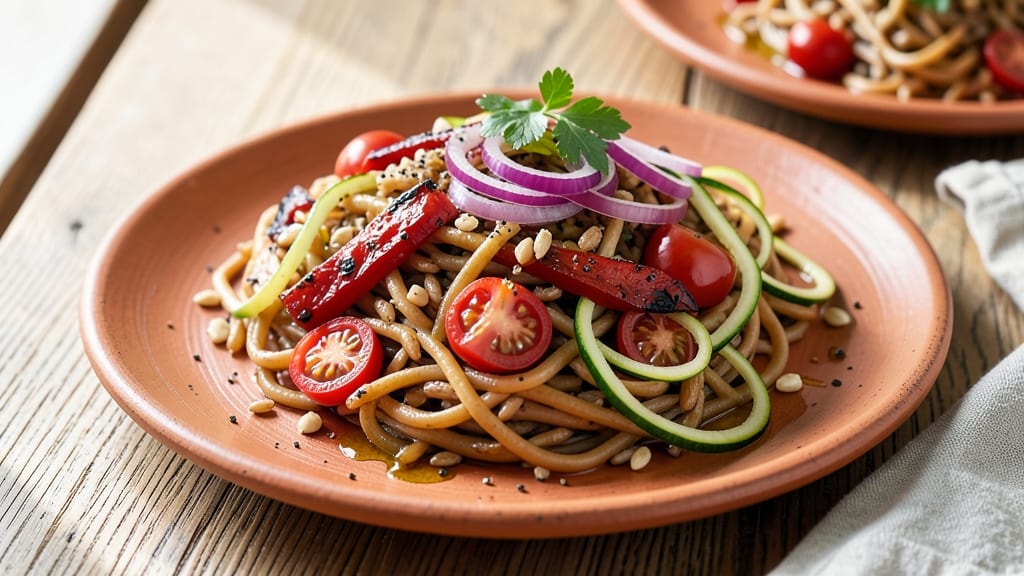
This brown rice pasta with vegetables recipe transforms simple ingredients into a hearty, plant-based meal that’s packed with protein and fiber. 💛 The key lies in perfectly cooking the pasta alongside roasted vegetables in one pan, ensuring every bite is flavorful and satisfying without dairy or meat.
No complicated techniques—just a balanced combination of textures and nutrients that work together seamlessly.
What makes this dish special is its versatility—swap in seasonal vegetables, adjust spices to your taste, and even add a squeeze of lemon or fresh herbs for brightness.
The brown rice pasta holds its shape while absorbing the savory flavors, making it a complete, nourishing plate that’s ready in under 30 minutes. Perfect for weeknight dinners or meal prep, this recipe proves healthy eating can be both delicious and effortless.
Ingredients for brown rice pasta with vegetables
Whole grains, vibrant vegetables, and bright herbs create a protein-rich vegan meal in one pan.
| Ingredient | Amount | Notes |
|---|---|---|
| Brown Rice Pasta 🍝 | 8 oz | Dry weight, whole grain preferred |
| Extra-Virgin Olive Oil 🫒 | ½ cup | High quality, fruity flavor |
| Zucchini 🥒 | 1 lb | Medium size, sliced into half-moons |
| Bell Peppers 🌶️ | 2 medium | Assorted colors, sliced into strips |
| Cherry Tomatoes 🍅 | 1 pint | Fresh, halved |
| Red Onion 🧅 | 1 whole | Medium size, thinly sliced |
| Garlic Cloves 🧄 | 4 cloves | Fresh, minced |
| Vegetable Broth 💧 | 1 ½ cups | Low-sodium for flavor control |
| Lemon Juice 🍋 | 2 tbsp | Freshly squeezed |
| Fresh Basil 🌿 | ¼ cup | Chopped, for garnish |
| Salt 🧂 | 1 ½ tsp | Diamond Crystal preferred |
| Black Pepper 🌶️ | ½ tsp | Freshly ground |
| Nutritional Yeast 🍄 | 2 tbsp | For cheesy flavor |
| Almonds 🥜 | ¼ cup | Sliced, for garnish |
The brown rice pasta is the foundation—look for brands with at least 5g protein per serving. Barilla Brown Rice or Lundberg are excellent choices, and they hold their shape better than some store brands. For the vegetables, freshness matters most. Local farmers markets often have better quality than grocery store produce, especially for zucchini and cherry tomatoes. If using bell peppers, red and yellow varieties add the most natural sweetness without extra sugar. The nutritional yeast is non-negotiable for that umami depth—Bragg is a reliable brand, but any high-quality version works.
No cherry tomatoes? Grape tomatoes or even diced Roma tomatoes work in a pinch, but they release more liquid. Zucchini too watery? Pat slices dry before cooking to prevent a soggy pasta. The vegetable broth can be swapped for water plus 1 tsp vegetable bouillon, but the depth of flavor suffers. Fresh basil is ideal, but dried basil at one-third the amount works if you're short on time. For extra protein, add 1 cup cooked lentils or chickpeas to the pan halfway through cooking. The almonds add crunch—walnuts or cashews are great alternatives if you prefer.
This dish reheats beautifully—store leftovers in an airtight container for up to 4 days in the fridge. For meal prep, portion into glass containers with tight lids to maintain freshness. The pasta absorbs flavors better the next day, so double the recipe if you're prepping for the week. Freeze portions without the garnish for up to 3 months—thaw overnight in the fridge before reheating. The lemon juice adds brightness, but if you prefer, a splash of balsamic vinegar works equally well.
Why You'll Love This Recipe
- 20-Minute Sauté: I swear by this when I’m staring at the clock at 7:30 PM. Just toss sliced zucchini, bell peppers, and cherry tomatoes into a hot pan with olive oil—no fancy prep, no peeling, no stress. The pasta cooks while the veggies soften, and honestly? That’s my kind of magic.
- Nutty, Earthy Richness: Brown rice pasta isn’t just a gluten-free swap—it’s better. The toasted nutty flavor from the pasta pairs perfectly with the sweetness of roasted cherry tomatoes and the slight crunch of bell peppers. Drizzle that extra-virgin olive oil on top? Instant restaurant-quality vibes.
- Lunchbox Hero: Between us, this is my go-to for meal prep. Cook a big batch, portion it into containers, and boom—you’ve got a lunch that doesn’t taste like sad office food. The veggies stay crisp, the pasta holds up, and my kids actually eat it (yes, even the ones who usually turn their noses up).
- Budget-Friendly Flex: Bell peppers and zucchini are cheap, and brown rice pasta lasts forever in the pantry. I make this twice a week, and it never feels repetitive. Plus, leftovers reheat like a dream—no soggy pasta here, just warm, satisfying bites that won’t break the bank.
Step-by-step instructions for brown rice pasta with vegetables
Here's how to create a vibrant, nutrient-packed one-pan meal that balances hearty texture with bright flavors.
🍳 Step 1: Sauté the Vegetable Base
Heat the 0.5 cup extra-virgin olive oil in a large skillet over medium-high heat until shimmering. Add the 1 whole red onion, sliced into thin half-moons, and cook for 3-4 minutes until the edges begin to soften and turn translucent. This is your flavor foundation—don't rush it.
Add the 2 medium bell peppers, sliced into ¼-inch strips, and the 1 lb zucchini, cut into half-moons. Stir occasionally for 5-6 minutes until the vegetables begin to soften but still retain a slight crunch. The peppers should brighten the pan with their natural sweetness while the zucchini releases its mild, fresh flavor.
🍳 Step 2: Add Aromatics and Tomatoes
Push the vegetables to one side of the skillet and add the 4 minced garlic cloves to the empty space. Sauté for 30 seconds until fragrant—this is when the kitchen fills with that unmistakable garlic aroma. Then, add the 1 pint halved cherry tomatoes and cook for another 2 minutes until they begin to blister slightly and release their juices.
Stir everything together, breaking up any large tomato pieces with a wooden spoon. The tomatoes will release their sweet-tart juices, creating a natural sauce that coats the vegetables. Season with 1 tsp salt and ¼ tsp black pepper—this balances the flavors while the vegetables continue to soften.
🍳 Step 3: Cook the Pasta and Simmer
Add the 8 oz brown rice pasta to the skillet and pour in the 1.5 cups vegetable broth. Stir gently to combine, ensuring the pasta is well-coated in the vegetable mixture. Increase the heat to medium-high and bring to a gentle boil. Once boiling, reduce the heat to medium-low and cover the skillet with a lid.
Let the pasta cook for 12-15 minutes, stirring occasionally, until the liquid is mostly absorbed and the pasta is al dente. The pasta should be tender but still have a slight bite—this ensures it doesn't turn mushy. If the mixture looks dry before the pasta is fully cooked, add 2-3 tablespoons of water to help steam the pasta evenly.
🥘 Step 4: Finish with Bright Flavors
Once the pasta is cooked, remove the skillet from the heat and stir in the 2 tbsp lemon juice, 2 tbsp nutritional yeast, and the remaining ½ tsp salt and ¼ tsp black pepper. The nutritional yeast adds a cheesy, umami depth that complements the bright lemon, while the lemon cuts through the richness of the olive oil. Taste and adjust the seasoning if needed—this is where you fine-tune the balance of flavors.
Fold in the 0.25 cup chopped fresh basil and 0.25 cup sliced almonds just before serving. The basil adds a fresh, aromatic finish, while the almonds contribute a satisfying crunch. Let the dish rest for 2-3 minutes to allow the flavors to meld together—this makes all the difference in the final result.
🍽️ Step 5: Serve Immediately
Transfer the pasta to serving plates, ensuring each portion is generously topped with the vibrant vegetable mixture, basil, and almonds. The dish should be a colorful medley of brown rice pasta, tender vegetables, and bright garnishes. Serve while still warm to enjoy the perfect balance of textures—creamy pasta, tender vegetables, and the satisfying crunch of almonds.
This one-pan meal is not only quick and easy but also packed with nutrients and flavor. The brown rice pasta provides a hearty base, while the vegetables add freshness and depth. The nutritional yeast and lemon juice elevate the dish, making it a satisfying and wholesome meal that's perfect for any occasion.
Pro Tips For Making Brown Rice Pasta With Vegetables
- Cook Zucchini First: Zucchini releases water like a faucet left running, and nothing kills a dish’s texture faster. Slice it thin, toss in olive oil, and sauté for 3–4 minutes before adding anything else—it’ll soften just enough to break down while keeping the bell peppers and tomatoes crisp. (Yes, even if you’re impatient like me.)
- Salt the Pasta Water Hard: Brown rice pasta needs more salt than regular pasta—it’s denser and absorbs less flavor. Toss in 1½ tablespoons of salt per 4 quarts of water and taste it like broth (it should taste like the sea). If you’re using pre-salted pasta, cut back by half or skip it entirely.
- Halve Cherry Tomatoes: Whole cherry tomatoes take forever to soften and often stay mealy. A quick cut down the middle lets them cook through in the same time as the pasta, releasing juices that’ll make your sauce sing. (Pro move: Toss them in the pan with the peppers right after the zucchini.)
- Finish with Olive Oil: Drain the pasta, then toss it back in the pot with a splash of pasta water and 1 tablespoon of extra-virgin olive oil. The starch clings to the pasta, creating a silky finish—no need for heavy cream or butter. (This is the thing that matters most for a restaurant-quality texture.)
Creative variations of brown rice pasta with vegetables
Mediterranean Twist
Swap the almonds for ¼ cup toasted pine nuts and add ½ cup Kalamata olives halfway through cooking. Finish with 2 tbsp chopped fresh oregano and a drizzle of 1 tbsp extra-virgin olive oil infused with 1 crushed garlic clove.
The briny olives and nutty pine nuts give this dish a coastal Mediterranean vibe—perfect with crusty bread on the side. 🌊
Asian-Inspired Fusion
Boost the flavor profile with 1 tbsp fresh ginger, 1 tbsp sesame oil, and 1 tbsp soy sauce added when sautéing the vegetables. Toss in ½ cup shredded carrots and ¼ cup sliced scallions at the end.
Top with 2 tbsp chopped cilantro and a sprinkle of sesame seeds for an umami-packed twist that feels like a takeout favorite. 🥢
Spicy Southwest Style
Add 1 tsp ground cumin, ½ tsp smoked paprika, and ¼ tsp cayenne pepper when sautéing the onions. Stir in ½ cup black beans (drained and rinsed) and ¼ cup corn kernels at the end.
Garnish with 2 tbsp chopped cilantro and a squeeze of lime juice instead of lemon. This version has bold, smoky heat that pairs perfectly with avocado slices. 🌶️
Creamy Avocado Finish
Mash 1 ripe avocado with 1 tbsp lemon juice and 1 tbsp water until smooth, then stir into the cooked pasta. Add 1 tbsp nutritional yeast for extra depth. Top with 2 tbsp chopped cilantro and a pinch of sea salt.
The creamy avocado balances the hearty pasta and vegetables, making it feel like a rich, satisfying dish without dairy. 🥑
Protein-Packed Add-Ins
Boost the dish with 1 cup cooked lentils or ½ cup crumbled tempeh sautéed in 1 tsp olive oil until golden. For a seafood twist, add ½ cup cooked shrimp or chickpeas at the end. These additions make the meal even more filling and protein-rich while keeping it vegan-friendly. 💪
Seasonal Swaps
Spring: Use asparagus and peas instead of zucchini and bell peppers. Summer: Swap in heirloom tomatoes and corn for a summer garden vibe. Fall: Roast sweet potatoes and Brussels sprouts before adding them to the pan.
Winter: Add carrots and mushrooms for hearty, warming flavors. Adjust cooking times based on the new vegetables. 🍂
Nutrition facts
Frequently asked questions
Can I use regular pasta instead of brown rice pasta?
While you can substitute regular pasta, brown rice pasta adds extra fiber and protein that makes this dish more satisfying. If you prefer white pasta, choose whole wheat for similar nutritional benefits. The cooking time will be slightly shorter—check the package for al dente timing (usually 8-10 minutes instead of 12-15 minutes).
How do I prevent the vegetables from getting mushy?
Cook the vegetables in batches if needed—overcrowding the pan steams them instead of sautéing. Start with onions and harder veggies (like bell peppers) first, then add softer ones (zucchini, tomatoes) later. For extra crunch, add raw vegetables like sliced scallions or cherry tomatoes at the very end. Also, avoid covering the pan until the pasta is added.
What's the best way to make this dish ahead of time?
Cook the pasta and vegetables as directed, then let it cool completely before storing in an airtight container for up to 4 days. Reheat gently in a skillet with a splash of water or broth to restore moisture. For freezing, portion into single servings (without garnishes) and freeze for up to 3 months. Thaw overnight in the fridge before reheating.
Can I make this gluten-free?
Yes! Swap the brown rice pasta for a gluten-free pasta made from chickpea flour, lentil, or quinoa. These alternatives hold up well in one-pan dishes and add even more protein. Just check the cooking time—gluten-free pastas often require 1-2 extra minutes than traditional wheat pasta. The rest of the recipe stays exactly the same.
Why does my pasta taste bland?
Bland flavor usually means the vegetables weren't cooked long enough to develop depth. Always sauté onions and garlic until fragrant (3-4 minutes) before adding other veggies. Boost flavor by using fresh herbs (like basil), a squeeze of lemon, or extra nutritional yeast. For umami, add a splash of soy sauce or a pinch of miso paste when cooking the vegetables.