
Main Courses
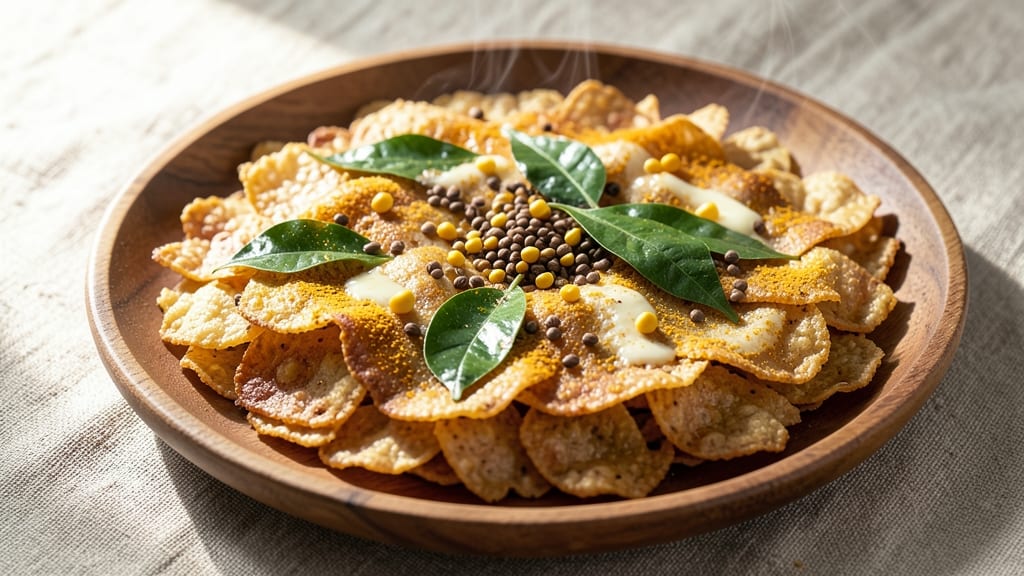
This brown rice poha recipe transforms simple rice flakes into a fragrant, fluffy dish that balances earthy spices with nutty crunch. The secret lies in tempering whole spices—cumin, mustard seeds, and curry leaves—until they release their aromatic oils, creating a flavor base that clings to every flake.
Toasted peanuts add texture, while fresh herbs and a squeeze of lemon brighten the dish, making it both comforting and vibrant.
What makes this version special is its adaptability—whether you prefer a Parsi-style coconut twist or a Gujarati yogurt tang, the base technique remains the same.
The rice flakes absorb the spices and herbs perfectly, resulting in a dish that’s light yet satisfying, with crispy peanuts adding a satisfying crunch in every bite. Ready in under 30 minutes, it’s ideal for a quick yet restaurant-worthy meal.
Ingredients for brown rice poha
Transform simple brown rice flakes into a fragrant, aromatic dish with these carefully chosen ingredients.
| Ingredient | Amount | Notes |
|---|---|---|
| Brown Rice Poha Flakes 🍚 | 2 cups | Thin, fluffy variety preferred |
| Unsalted Butter 🧈 | 3 tbsp | For tempering spices |
| Yellow Mustard Seeds 🌶️ | 1 tsp | Whole, for tempering |
| Cumin Seeds 🌶️ | 1 tsp | Whole, freshly ground preferred |
| Curry Leaves 🌿 | ½ tsp | Fresh, dried if unavailable |
| Turmeric Powder 🧂 | ½ tsp | Freshly ground for vibrant color |
| Asafoetida Powder 🌶️ | ⅛ tsp | Pinch for authentic flavor |
| Peanuts 🥜 | ½ cup | Raw, unsalted, toasted |
| Fresh Cilantro Leaves 🌿 | ¼ cup | Chopped, stems removed |
| Fresh Mint Leaves 🌿 | ¼ cup | Chopped, for brightness |
| Lemon Juice 🍋 | 2 tbsp | Freshly squeezed |
| Plain Yogurt 🥛 | ½ cup | Whisked smooth |
| Salt 🧂 | ½ tsp | Adjust to taste |
| Ghee 🫒 | 1 tbsp | For extra richness (optional) |
| Coconut Milk 🥥 | ¼ cup | For Parsi-style variation |
The poha flakes should be thin and fluffy—avoid thick varieties that won’t soften properly. Whole mustard seeds and cumin seeds are essential for that signature tempering flavor; Penzeys Spices or bulk bins at Whole Foods offer the freshest options. Curry leaves add depth, but dried works if you can’t find fresh. For turmeric, opt for freshly ground powder—it’s brighter and more vibrant. Asafoetida is the secret ingredient that elevates this dish to restaurant-quality; a tiny pinch goes a long way. Toast your peanuts in a dry pan until golden for maximum crunch, then set aside.
No curry leaves? Substitute with dried fenugreek leaves at half the amount. Running low on yogurt? Use coconut milk for a Parsi-style twist—just reduce the lemon juice slightly to balance. Fresh herbs are ideal, but dried cilantro or mint work in a pinch (use half the quantity). For extra richness, ghee adds a luxurious touch, though butter works just as well. If you prefer a lighter texture, skip the ghee entirely—this dish still shines. Lemon juice should always be freshly squeezed; bottled versions lack the bright acidity needed to cut through the spices.
Store poha flakes in an airtight container in a cool, dry place for up to 3 months. Fresh herbs should be washed and stored in damp paper towels in a sealed bag for 4-5 days. Toasted peanuts lose their crunch quickly—keep them in a sealed jar and toast fresh before serving. This dish reheats beautifully; simply warm with a splash of water or milk to restore moisture. For meal prep, store components separately—mix the poha with spices, keep peanuts and herbs on the side, and add lemon juice just before serving to preserve freshness.
Why You'll Love This Recipe
- Five-Ingredient Magic: The moment you toss those poha flakes into simmering butter with mustard seeds and cumin? Boom. That nutty, toasty aroma hits you like a warm hug. Honestly, the way the flakes puff up just from the steam—no extra work needed—makes me feel like a lazy genius.
- Crowd-Pleaser Base: Between us, this is the dish that gets eaten first at potlucks. The crispy edges from the butter and curry leaves? Chef’s kiss. Even my picky nephew (who turns up his nose at "healthy" food) finishes his plate. It’s that universally satisfying.
- Weeknight Workhorse: I make this twice a week—breakfast, lunch, or dinner—because it’s the only rice dish that doesn’t require babysitting. Toss in whatever veggies you have (or skip them entirely), and it’s ready in the time it takes to boil water. (Yes, even on a Tuesday night.)
- Pantry Goldmine: Brown rice poha flakes last forever, and the spices? A tiny pinch goes a long way. I buy them in bulk, and this recipe uses so little butter that a single stick stretches across three servings. Budget-friendly doesn’t get much better than flakes that turn $3 of ingredients into a full meal.
Step-by-step instructions for fluffy turmeric rice with crispy peanuts
Here's the precise method to achieve perfectly fluffy poha with aromatic spices and crunchy peanuts.
Toast the Poha Flakes to Perfection
Heat the 3 tablespoons unsalted butter in a large, heavy-bottomed pan over medium heat. Add the 2 cups brown rice poha flakes and spread them evenly in a single layer. The butter should foam gently—this ensures even toasting without burning.
Toast the flakes for 2-3 minutes, stirring constantly, until they become light golden and slightly puffed. You'll notice they expand as they absorb the butter's moisture. Remove from heat immediately—overcooking turns them crispy instead of fluffy. Transfer the toasted flakes to a large mixing bowl and set aside.
Temper the Spices for Maximum Flavor
In the same pan over medium heat, add 1 tablespoon ghee (if using) and let it melt completely. Add 1 teaspoon yellow mustard seeds and 1 teaspoon cumin seeds. Let them sizzle for 20-30 seconds until they begin to pop—this releases their aromatic oils.
Add 0.5 teaspoon curry leaves and 0.125 teaspoon asafoetida powder, stirring immediately to prevent burning. Cook for 30 seconds until the curry leaves turn crisp and the spices release their fragrance. Pour this spice mixture over the toasted poha flakes in the bowl.
Combine Wet Ingredients for Creamy Texture
To the bowl with poha and spices, add 0.5 cup plain yogurt, 0.5 teaspoon turmeric powder, 0.5 teaspoon salt, and 0.25 cup coconut milk. Mix thoroughly with a spatula until the yogurt is fully incorporated and the mixture becomes smooth and creamy.
Next, fold in 2 tablespoons lemon juice, 0.25 cup chopped fresh cilantro leaves, and 0.25 cup chopped fresh mint leaves. The herbs should be evenly distributed—this ensures each bite has vibrant freshness. Let the mixture sit for 5 minutes to allow the flavors to meld.
Add Crispy Peanuts for Texture Contrast
In a dry skillet over medium heat, toast the 0.5 cup peanuts for 3-4 minutes, stirring constantly, until they turn golden brown and release their nutty aroma. Remove from heat immediately to prevent burning.
Gently fold the toasted peanuts into the poha mixture just before serving. The peanuts should be distributed evenly throughout—this creates the perfect contrast of crispy texture against the soft, fluffy rice. For best results, serve immediately while the peanuts are still at their peak crunch.
Pro Tips For Making Brown Rice Poha
- Bloom the Spices: Toss mustard and cumin seeds in dry poha flakes first—this coats them evenly and prevents burning when you add water. I used to add them to the pot and ended up with bitter, charred bits every time.
- Use Cold Water: Soak poha flakes in ice-cold water for 10 minutes before adding hot water. The cold shock keeps them from clumping into a dense, gluey mess—trust me, your texture will thank you.
- Butter Matters: Melt unsalted butter low and slow after draining poha, then swirl it in while stirring constantly. Rushing this step gives you greasy rice instead of silky, flavor-coated flakes.
- Curry Leaves Last: Add curry leaves at the very end, just before serving—otherwise, they turn bitter and mushy. Drop them in with a pinch of salt to keep them bright and crisp, like they should be.
Essential equipment for this dish
Essential Cooking Tools
Start with a heavy-bottomed pan—I recommend a 10-inch cast iron skillet like the Lodge Pre-Seasoned—to ensure even heat distribution while toasting the poha flakes. Cast iron retains heat better than stainless steel, preventing hot spots that can burn your rice.
A wooden spoon with a long handle helps stir constantly without overcrowding the pan. 🔥
Spice Tempering Kit
For the tadka (tempering), you’ll need a small stainless steel pan—like a 3-quart saucier—to control the high heat required for popping mustard seeds.
A spice grinder (such as the KitchenAid Spice Grinder) ensures your cumin and mustard seeds are freshly ground, which makes all the difference in flavor. Keep a fine-mesh strainer handy to remove curry leaves if you prefer them whole in your dish.
Mixing & Serving Essentials
A large mixing bowl (at least 3-quart capacity) is crucial for combining the poha with wet ingredients without making a mess. I use a stainless steel bowl from OXO because it’s durable and easy to clean.
For serving, individual bowls or a large platter work best—just garnish with extra peanuts and herbs right before eating to keep everything fresh.
Optional Upgrades
If you love ghee, invest in a small ghee jar (like Gowardhan Pure Desi Ghee) to keep it fresh and ready for tempering. A microplane grater comes in handy for freshly grating turmeric or ginger if you want to add extra depth.
For a Parsi-style twist, a coconut milk can (like Thai Kitchen brand) ensures you have it on hand for quick substitutions. 🥥
Nutrition facts
Frequently asked questions
Why does my brown rice poha turn out mushy instead of fluffy?
The key is proper toasting! Toast the flakes in butter over medium heat for exactly 2-3 minutes—they should puff up slightly but stay light. Overcooking breaks them down, while undercooking leaves them raw. Also, never rinse the flakes—water makes them soggy.
Can I make this recipe without yogurt for a lighter version?
Replace the yogurt with 0.25 cup coconut milk or 0.5 cup water mixed with 1 tbsp lemon juice. For extra richness, use 1 tbsp ghee instead of butter when toasting. The texture will be lighter but still flavorful.
How do I store leftovers to keep the peanuts crispy?
Store the poha base (without peanuts) in an airtight container for up to 2 days. Toast fresh peanuts separately and add them just before serving. For longer storage, freeze the poha base for 1 month—thaw and reheat gently with a splash of water or milk.
What’s the secret to getting the spices to pop perfectly?
Use freshly ground whole spices (mustard and cumin) and heat the pan until it’s smoking hot before adding them. Keep stirring constantly—this prevents burning and ensures they pop audibly. Add curry leaves last, as they burn quickly.
Can I add vegetables to this poha?
Yes! Lightly sauté diced cucumber, grated carrot, or finely chopped onions with a pinch of salt before mixing into the poha. For a protein boost, add tofu cubes or boiled chickpeas. Keep veggies soft—overcooking makes them mushy.