
Soups & Stews
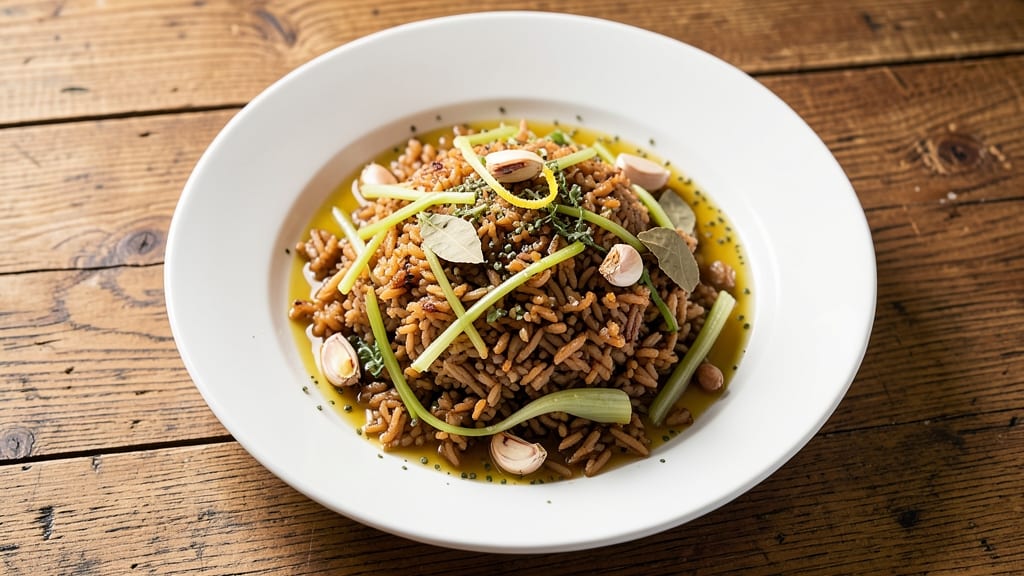
Martha Stewart’s brown rice recipe transforms ordinary grains into nutty, fluffy perfection with a signature toasted celery crunch. The secret lies in proper soaking and gentle simmering—techniques that elevate simple rice into a restaurant-worthy side dish.
This method ensures every grain stays tender yet distinct, with a subtle crunch from lightly toasted celery seeds that adds depth without overpowering.
What sets this apart is Martha’s foolproof timing: soak the rice for 30 minutes to reduce cooking time, then simmer in broth for 40 minutes until the grains are plump and separate.
The optional toasted celery seeds (or celery salt) add a sophisticated crunch that pairs beautifully with roasted meats, grilled vegetables, or hearty stews. Ready in under an hour, this rice delivers restaurant-quality texture with minimal effort.
Ingredients for brown rice recipe martha stewart
Transform ordinary brown rice into Martha’s signature nutty, fluffy perfection with these carefully chosen ingredients.
| Ingredient | Amount | Notes |
|---|---|---|
| Long-Grain Brown Rice 🌾 | 1 cup | Uncooked, rinsed thoroughly |
| Chicken or Vegetable Broth 💧 | 3 cups | Low-sodium preferred, homemade or quality store-bought |
| Extra-Virgin Olive Oil 🫒 | 2 tbsp | For toasting rice, high-quality preferred |
| Celery Seeds 🌿 | 1 tsp | Toasted until fragrant, or celery salt substitute |
| Bay Leaves 🌿 | 2 whole | Fresh preferred, removed before serving |
| Garlic Cloves 🧄 | 3 cloves | Minced, for added depth |
| Onion 🧅 | ½ whole | Yellow or white, finely diced |
| Salt 🧂 | 1 tsp | Diamond Crystal kosher preferred |
| Black Peppercorns 🌶️ | ½ tsp | Freshly cracked for texture |
| Fresh Parsley 🌿 | ¼ cup | Chopped, for garnish and freshness |
| Unsalted Butter 🧈 | 1 tbsp | Cold, for finishing touch |
The foundation starts with long-grain brown rice—look for brands like Lundberg or Weber for consistent quality. Soaking the rice for 30 minutes before cooking unlocks its full nutty potential. For broth, homemade chicken or vegetable stock delivers the deepest flavor, but low-sodium store-bought works in a pinch. Celery seeds are the secret weapon here—toast them in a dry pan for 30 seconds until fragrant, or swap for celery salt at half the amount. Fresh bay leaves infuse subtle earthiness, while minced garlic and diced onion build aromatic depth. Diamond Crystal kosher salt ensures even seasoning without overpowering.
No celery seeds? Celery salt or ground celery flakes work, though the texture differs slightly. Short on fresh parsley? Dried parsley at one-third the amount suffices, but fresh adds vibrant color. Using vegetable broth instead of chicken? Boost umami with 1 tsp soy sauce or 1/2 tsp miso paste. For extra richness, swap 1 tbsp broth for heavy cream (though Martha’s version keeps it light). The butter at the end isn’t just for flavor—it creates a silky finish that elevates the dish to restaurant-worthy status. Pre-toasted rice can be refrigerated for 3 days or frozen for 3 months—just reheat with a splash of broth.
This rice reheats beautifully—gentle simmer over low heat with a splash of broth preserves its texture. Store in an airtight container in the fridge for up to 5 days, or freeze portions for 3 months. The toasted celery seeds lose potency over time, so toast fresh before serving if possible. For presentation, garnish with parsley and a small pat of cold butter—the contrast of warm rice and cool butter is pure indulgence. Double the batch for meal prep; it’s perfect alongside roasted meats or hearty stews.
Why You'll Love This Recipe
- One-Pot Magic: I swear by this recipe when I’m too tired to deal with multiple pans. Toss the brown rice right into the simmering broth with the celery seeds and bay leaves—no pre-cooking, no fuss. The rice absorbs all that rich, savory broth while it cooks, turning into fluffy, fragrant grains without any extra effort.
- Earthy Depth: Here’s what sold me—the celery seeds and bay leaves infuse the broth with this warm, almost herbal depth that’s so much more interesting than plain rice. Honestly, the olive oil finish ties it all together with a subtle richness that makes it taste like you actually put in work (even though you didn’t).
- Weeknight Workhorse: This is my go-to when I need to feed a crowd or prep meals for the week. The rice stays perfectly textured even after reheating, and the broth keeps it moist. I’ll make a big batch on Sunday, portion it out, and have dinner covered all week—no sad, dry rice here.
- Budget-Friendly Staple: Brown rice is already affordable, but this recipe stretches it further by cooking it directly in broth, so nothing goes to waste. Between us, the celery seeds add a fancy touch without breaking the bank, and the bay leaves make the whole pot smell like a cozy kitchen. It’s the kind of dish that feels special but won’t drain your wallet.
Step-by-step instructions for Martha Stewart's signature brown rice
Perfectly nutty, fluffy grains with celery crunch—this method delivers restaurant-quality texture every time.
Toast the Rice for Maximum Flavor
Heat the 2 tablespoons extra-virgin olive oil in a medium saucepan over medium heat. Add the 1 cup long-grain brown rice and stir constantly for 3-4 minutes until the grains turn a rich golden brown and you can smell the nutty aroma developing. This toasting step is crucial—it deepens the rice's natural flavors and prevents a bland final product.
Here's the thing—don't rush this step. You're looking for a color similar to toasted hazelnuts, not just a pale golden hue. If the rice starts to smoke or darken too quickly, reduce the heat slightly. Once properly toasted, the rice will have a beautiful, even color and the oil will be infused with its flavor. This is where the magic begins.
Sauté Aromatics for Layered Depth
Add the ½ whole onion (finely diced) and 3 cloves garlic (minced) to the pan. Cook for 2-3 minutes until the onion becomes translucent and the garlic releases its fragrant oils. You'll notice the kitchen fills with an irresistible aroma—this is your cue that the aromatics are ready.
Next, stir in the 1 teaspoon celery seeds and toast for 30 seconds until fragrant. The celery seeds will add a subtle crunch and earthy note that pairs beautifully with the nutty rice. Add the 2 whole bay leaves, 1 teaspoon salt, and ½ teaspoon black peppercorns (freshly cracked) to the pan and give everything a good stir to combine.
Add Broth and Simmer to Perfection
Pour in the 3 cups chicken or vegetable broth and bring to a gentle boil. Once boiling, reduce heat to low, cover the pan with a tight-fitting lid, and let it simmer for 45 minutes. This is where patience pays off—the longer, gentler cooking time allows the rice to absorb the broth evenly while developing that signature fluffy texture.
I know it seems like forever, but resist the temptation to peek or stir. Every time you lift the lid, you release steam and potentially disrupt the cooking process. After 45 minutes, check the rice—it should be tender but still have a slight bite. If it's not quite done, continue cooking for another 5-10 minutes. The rice is perfect when it's tender but still holds its shape.
Finish with Butter and Garnish
Remove the pan from heat and let it sit covered for 5 minutes. This resting period allows any remaining steam to cook the rice gently and ensures even texture. Discard the bay leaves and stir in the 1 tablespoon cold unsalted butter, cutting it into small pieces as it melts. The butter adds a luxurious finish and helps distribute any remaining moisture.
Finally, transfer the rice to a serving dish and garnish with the ¼ cup chopped fresh parsley. The parsley adds a bright, fresh contrast to the rich, nutty rice. Serve immediately while still hot, and enjoy the perfect balance of textures and flavors that makes this rice dish truly special.
Pro Tips For Making Brown Rice Recipe Martha Stewart
- TOAST THE RICE FIRST: Brown rice soaks up broth like a sponge, but toasting it first—just 2 minutes in olive oil over medium heat—adds a nutty depth. I used to skip this, and the flavor was always flat; now it’s the thing that makes this dish taste like it’s been simmering all day.
- USE WHOLE BAY LEAVES: Tear them in half first—this releases their aroma without turning the broth bitter. I learned this the hard way after straining out whole leaves and realizing I’d missed the point; now I add them torn and remove them early to avoid overpowering the rice.
- SIMMER, DON’T BOIL: Brown rice needs gentle heat to absorb liquid evenly. If you let it boil hard, it’ll turn mushy and release starch like a lazy chef. Keep it at a low simmer—just enough to see tiny bubbles breaking the surface—and adjust the heat as needed.
- SALT THE BROTH LATE: Adding salt early dilutes the flavor as the rice absorbs liquid. Wait until the rice has soaked up half the broth, then season to taste—this guarantees the final dish is properly balanced, not bland or salty. Trust me, your taste buds will notice.
Storing and reheating this brown rice recipe martha stewart
Refrigerator Storage
Store your perfectly cooked brown rice in an airtight container in the refrigerator for up to 5 days. Let it cool completely before transferring to avoid condensation, which can make the grains soggy. I like using glass Pyrex containers because they keep the rice fresh longer and reheat evenly.
The toasted celery seeds retain their crunch better when stored this way, but they'll still lose some potency over time. 💛
Freezer-Friendly Prep
For longer storage, freeze portions in single-serving airtight containers or heavy-duty freezer bags for up to 3 months. Leave ½-inch headspace to prevent expansion cracks. When reheating, I recommend thawing overnight in the fridge first—this preserves the texture far better than microwave defrosting.
The butter finish will separate slightly after freezing, but stirring it back in after reheating restores that luxurious mouthfeel.
Stovetop Reheating
My preferred method is reheating on the stovetop with a splash of warm broth (about 2 tbsp per cup of rice). Heat over low-medium heat for 5-7 minutes, stirring occasionally, until everything is steaming hot.
This gentle approach prevents drying out the grains while reviving that toasted celery aroma. For extra richness, add a pat of butter at the end—it melts beautifully and compensates for any moisture loss during storage. 🔥
Microwave Revival
For quick reheating, transfer rice to a microwave-safe dish with 2 tbsp water or broth, cover loosely with a damp paper towel, and heat on 50% power for 2-3 minutes. Stir well, then continue in 30-second intervals until hot.
The damp towel prevents drying, while the low power preserves texture. I find this works best for single servings—just be prepared to add extra broth if it looks dry after reheating.
Texture Preservation
The key to perfect reheated rice is moisture control. If your rice turns out dry, simply add 1-2 tbsp warm broth and heat for another minute. For extra fluffiness, use a fork to gently fluff the grains before serving.
The parsley garnish should go on fresh after reheating to maintain its vibrant color and bright flavor. And remember—never reheat rice more than once to maintain food safety standards. 💡
Meal Prep Strategy
Double or triple the recipe for easy meal prep! Store components separately if you want to toast fresh celery seeds before each serving.
I like keeping the broth and aromatics in one container and the cooked rice in another—this way, you can quickly assemble a fresh batch by simply adding the broth and reheating. This method keeps your rice tasting homemade even after multiple days in the fridge. ✨
Nutrition facts
Frequently asked questions
Why does Martha's recipe call for toasting the rice?
Toasting the rice enhances its natural nutty flavor by developing deeper, caramelized notes through the Maillard reaction. This step creates a rich foundation that prevents blandness and gives each grain a subtle crunch. Skipping it results in rice that tastes more like plain grains rather than the aromatic, restaurant-quality dish Martha achieves.
Can I substitute white rice for brown rice in this recipe?
No, this recipe relies on brown rice's nutty texture and longer cooking time. White rice would become mushy and overcook before absorbing the broth properly. For a similar texture, try using jasmine rice (cooked for 25 minutes) or wild rice blend (simmer for 50 minutes), but neither will replicate the toasted celery crunch signature of this dish.
What if I don't have celery seeds?
Use 1/2 teaspoon celery salt or 1/4 teaspoon ground celery flakes as substitutes, though the texture will differ slightly. For a similar earthy depth, try 1/4 teaspoon dried thyme or 1/8 teaspoon ground fennel seeds (toasted briefly). The key is balancing the celery's herbal notes with the rice's nuttiness.
How do I fix rice that's still crunchy after cooking?
Add 2 tablespoons warm broth and simmer covered for 5-10 minutes on low heat. If it's still undercooked, increase the broth by 1/4 cup and continue cooking. Over-toasting the rice or insufficient soaking are common causes—next time, soak the rice for 30 minutes before cooking.
What's the best way to serve this rice?
This dish pairs beautifully with roasted meats like chicken or pork, hearty stews, or grilled vegetables. For a complete meal, serve with sautéed mushrooms and a drizzle of balsamic glaze. The nutty rice also complements spicy dishes by cooling the palate. Garnish with extra parsley and a sprinkle of toasted sesame seeds for added visual appeal.