
Main Courses
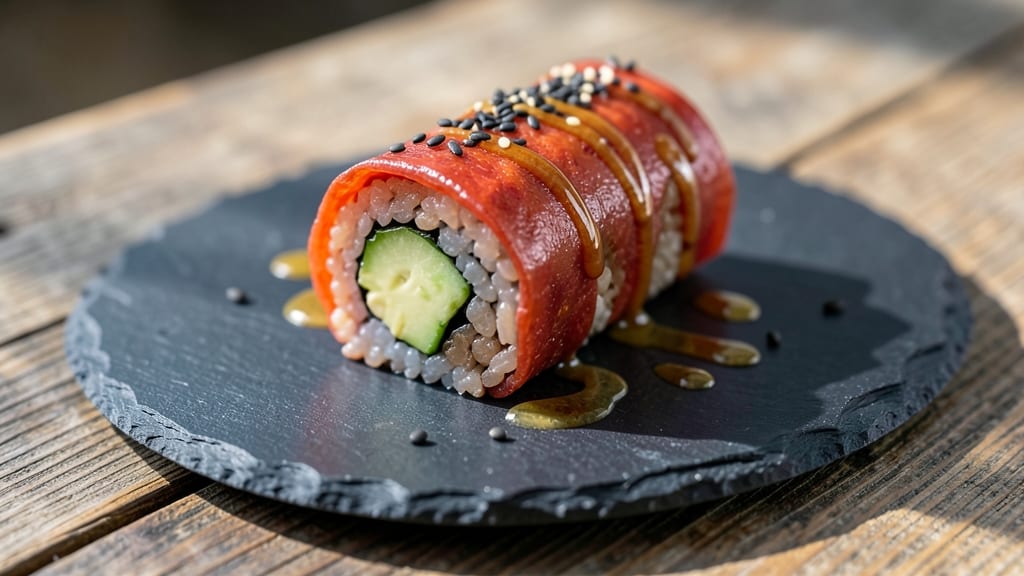
This brown rice sushi roll recipe delivers the perfect balance of nutty flavor and satisfying texture—ideal for both sushi enthusiasts and beginners.
The key lies in cooking the rice just right, ensuring it stays sticky enough to hold fillings like smoked salmon, avocado, and cucumber while maintaining its distinct earthy taste. Traditional Japanese techniques meet modern adaptability, making these rolls both authentic and approachable.
With precise measurements and step-by-step rolling instructions, you’ll achieve beautifully packed bites every time. The nutty brown rice base elevates classic sushi flavors, while the filling combinations allow for endless creativity—whether you prefer classic or innovative twists.
Ready in under 45 minutes, this recipe transforms a simple meal into a restaurant-worthy experience without the fuss.
Ingredients for brown rice sushi roll
Precision-cooked brown rice and premium fillings create restaurant-quality sushi rolls at home.
| Ingredient | Amount | Notes |
|---|---|---|
| Short-Grain Brown Rice 🍚 | 1 ½ cups | Uncooked, rinsed thoroughly |
| Water 💧 | 2 ½ cups | Filtered preferred for clarity |
| Rice Vinegar 🍶 | ¼ cup | Seasoned preferred for flavor |
| Soy Sauce 🥢 | ⅛ cup | Low-sodium preferred |
| Sesame Oil 🫒 | 1 tbsp | Toasted for aroma |
| Nori Sheets 🍣 | 8 whole | High-quality, 7-inch sheets |
| Smoked Salmon 🐟 | 8 oz | Freshly sliced, skinless |
| Avocado 🥑 | 1 whole | Ripe, sliced into strips |
| Cucumber 🥒 | ½ whole | English, seedless, sliced |
| Sesame Seeds 🌾 | 1 tbsp | Toasted for crunch |
| Sriracha Sauce 🌶️ | 1 tbsp | For optional spicy drizzle |
| Wasabi Paste 🌿 | ½ tbsp | Adjust to taste |
| Diamond Crystal Kosher Salt 🧂 | ½ tsp | For seasoning rice |
| Sugar 🍚 | ¼ tsp | White granulated |
The brown rice is the foundation—short-grain varieties like Koshihikari or Calrose are essential for that perfect sticky texture. Rinse it thoroughly before cooking to remove excess starch, which prevents mushiness. For the rice vinegar, seasoned varieties (like Mitsukan) add subtle sweetness without extra effort. Soy sauce matters too—low-sodium options prevent overpowering the delicate flavors. Sesame oil should be toasted; cheap versions taste bitter. Nori sheets from Japanese specialty stores or Trader Joe's stay crisp longer than generic brands. If you can't find them, look for high-quality dried seaweed and toast it yourself for authenticity.
No smoked salmon? Fresh salmon or trout works beautifully—just slice it thinly. Avocado should be ripe but firm (press gently—it should yield slightly). For cucumber, English varieties are seedless and less watery. Sesame seeds can be swapped for toasted pumpkin seeds if you're avoiding nuts. Sriracha and wasabi are optional but recommended for that authentic sushi experience. Diamond Crystal kosher salt is preferred over table salt—it dissolves more evenly. Sugar balances the acidity in the rice; omit if using sweetened rice vinegar.
Cooked rice keeps 3-4 days in the fridge, covered tightly with plastic wrap pressed directly on the surface. Nori sheets stay fresh for 2 weeks in an airtight container. Fillings like avocado brown quickly—slice them last and store separately until assembling. Smoked salmon freezes well for up to 2 months if you want to prep ahead. Toast sesame seeds fresh before serving for maximum crunch. These rolls reheat beautifully in a steamer for 30 seconds if you prefer warm bites.
Why You'll Love This Recipe
- No Fuss Assembly: I swear by this—just spread the sticky rice, add fillings, and roll without stress. The sesame oil ties everything together so fast, even if my hands get a little messy.
- Earthy Umami Magic: Brown rice adds a nutty depth that white rice never does. A drizzle of soy sauce and a pinch of vinegar? That’s the flavor combo that makes these rolls ridiculously satisfying.
- Lunchbox Hero: Pack these for work or school—they hold up better than you’d think. (Yes, even if you forget to wrap them tightly.) My kids eat them cold or at room temp, no complaints.
- Budget-Friendly Staple: Brown rice is cheap, lasts forever, and this recipe uses pantry basics. I make a big batch on Sundays, and by Wednesday, I’m still snacking on leftovers—no waste, just flavor.
Step-by-step instructions for brown rice sushi rolls
Master the art of nutty brown rice sushi with these precise techniques for perfectly packed rolls.
👨🍳 Step 1: Prepare the Nutty Brown Rice Base
Rinse the 1.5 cups short-grain brown rice thoroughly under cold water until the water runs clear. This removes excess starch that would make the rice mushy. Combine the rinsed rice with 2.5 cups water in a medium saucepan and bring to a boil over high heat. Once boiling, immediately reduce to low heat, cover tightly with a lid, and simmer for 35 minutes.
After 35 minutes, turn off the heat but leave the rice covered for an additional 10 minutes. This resting period allows the steam to redistribute, resulting in perfectly fluffy grains. Transfer the rice to a large bowl and gently fold in the 0.25 cup rice vinegar, 0.125 cup soy sauce, 1 tbsp sesame oil, 0.5 tsp diamond crystal kosher salt, and 0.25 tsp sugar. Use a wooden spoon to break up any clumps while maintaining the rice's texture.
🥘 Step 2: Assemble the Sushi Filling Components
Slice the 1 whole avocado into thin strips and place them on a plate. Peel and slice the 0.5 whole cucumber lengthwise into thin strips, removing any seeds. Arrange both avocado and cucumber strips on a separate plate and lightly drizzle with 1 tbsp sriracha sauce if you prefer a spicy kick. Keep the smoked salmon (8 oz) and 0.5 tbsp wasabi paste separate until ready to use.
Spread the 1 tbsp toasted sesame seeds on a small plate for garnishing. Have everything within arm's reach of your bamboo sushi mat to streamline the rolling process. This preparation ensures you can quickly access each component without interrupting your flow.
🍳 Step 3: Roll the Sushi with Precision
Place a nori sheet shiny-side down on your bamboo mat. Using wet hands, spread an even layer of the brown rice mixture over the nori, leaving about 1 inch bare at the top. The rice should be about ¼ inch thick—press gently but firmly to create a smooth base.
Arrange 1 oz smoked salmon, 2-3 avocado strips, and 2-3 cucumber strips horizontally near the bottom edge of the nori. Add a thin line of wasabi paste along the same edge if desired. Lift the edge of the mat closest to you and roll tightly over the filling, using the mat to press gently as you go. Seal the edge with a dab of water if needed to prevent unrolling.
🔪 Step 4: Slice and Serve with Confidence
Use a sharp, wet sushi knife to cut each roll into 6 equal pieces. Wipe the knife between cuts to ensure clean slices. Arrange the pieces on a platter and sprinkle each with toasted sesame seeds. Serve immediately with additional sriracha sauce or soy sauce on the side for dipping.
The rolls should hold their shape well, with the nutty brown rice providing a sturdy base. Each bite should deliver a perfect balance of textures—creamy avocado, crisp cucumber, and delicate smoked salmon—all wrapped in the earthy richness of brown rice.
Pro Tips For Making Brown Rice Sushi Roll
- SOAK THE RICE OVERNIGHT: I learned this the hard way—rinsing brown rice once or twice leaves it gummy. Dump it in a bowl, cover with cold water, and let it sit 12+ hours. The starches break down properly, and your rolls stay firm instead of turning into glue.
- USE A TIGHT RICE-TO-WATER RATIO: Brown rice absorbs water differently than white. Stick to 1:1.25 (rice to water) and simmer uncovered for 40 minutes. Too much water = mushy rice; too little = dry, crumbly bites. Trust the numbers—this isn’t negotiable.
- COOL THE RICE FAST: After cooking, spread the rice on a tray and fan it with a handheld fan (or wave it like you’re swatting flies). Warm rice sticks together; cold rice rolls cleanly. I used to skip this and ended up with sad, clumpy sushi every time.
- BRUSH ROLLS WITH SESAME OIL LAST: Add sesame oil to the rice after rolling. A light drizzle on the outside seals the edges and adds that nutty aroma without overpowering the fillings. Drizzle too early, and the oil soaks into the rice, making it greasy. Timing matters here.
Troubleshooting this dish
Sticky Rice Nightmare
If your brown rice turns out too mushy, you likely didn’t rinse it enough before cooking. Short-grain brown rice needs thorough rinsing to remove excess starch—rub the grains between your fingers under running water until it’s clear.
Also, never skip the resting period after cooking; those extra 10 minutes off heat are crucial for proper texture. For next time, use a 1:1.5 rice-to-water ratio and simmer at low heat—boiling too vigorously breaks the grains. 💡
Nori Shelf Life
Crisp nori sheets can turn soggy if stored improperly. Keep them in an airtight container with a paper towel between each sheet to absorb moisture. If your nori feels limp before rolling, toast it for 30 seconds in a dry skillet over medium heat to restore crispness.
Store-bought nori often loses freshness quickly—look for vacuum-sealed packs at Asian markets for longer shelf life. 🍣
Filling Slippage
Fillings slipping out during rolling usually means uneven rice distribution or wet hands. Spread rice evenly in a ¼-inch layer, leaving 1 inch bare at the top for sealing. Keep your hands damp but not dripping—excess moisture makes the nori sticky.
For extra grip, chill the rice slightly before rolling (place the bowl in the freezer for 5 minutes). If using avocado, slice it just before rolling to prevent browning and sogginess. 🥑
Knife Struggles
A dull knife makes jagged cuts and squished rolls. Wet your sushi knife before each slice to prevent sticking—run it under water and wipe dry between cuts. Angle the knife at 45 degrees and cut in one smooth motion.
If your rolls unravel while slicing, press the knife lightly against the bamboo mat for support. For cleaner edges, freeze the rolls for 10 minutes before cutting—this firms up the rice temporarily. 🔪
Wasabi Overload
Too much wasabi can overpower the delicate flavors. Start with ½ tsp per roll and adjust to taste—remember, wasabi intensifies when mixed with soy sauce. If you’re sensitive to heat, mix wasabi with a little rice vinegar (1:1 ratio) to mellow the burn.
For a milder kick, use yellow wasabi powder instead of green—it’s less potent but still adds flavor. 🌿
Rice Too Dry
Dry rice happens when the rice-to-water ratio is off or the heat is too high. Stick to the 1:1.5 ratio and simmer at low heat—boiling too vigorously evaporates moisture. If your rice is undercooked, steam it for 5 minutes covered with a damp towel.
For extra moisture, spritz the rice with 1 tsp water and gently fold it in. Brown rice absorbs less water than white rice, so don’t overcorrect—just a little extra liquid goes a long way. 💧
Nutrition facts
Frequently asked questions
Why does brown rice work better than white rice for sushi?
Brown rice adds a nutty depth that complements sushi flavors beautifully! Its chewy texture holds fillings better than white rice, and the extra fiber keeps rolls from falling apart. The earthy taste also pairs perfectly with smoked salmon and avocado. Plus, it's a healthier option with more nutrients!
Can I make these rolls without a bamboo mat?
Use a clean kitchen towel or plastic wrap as a substitute. Wet your hands and roll tightly using the same technique. For extra grip, place the nori on a plate and roll directly on it. The key is keeping everything moist but not dripping wet to prevent sticking.
How do I store leftovers to keep them fresh?
Store uncut rolls in an airtight container with parchment paper between layers. They'll keep for 2-3 days in the fridge. For longer storage, slice and freeze the rolls for up to 1 month. Thaw overnight in the fridge before serving. Reheat gently in a steamer for 30 seconds to restore texture.
What are some good vegetarian fillings?
Try marinated tofu, pickled vegetables, or avocado with mango salsa. For protein, use edamame or spiced chickpeas. Roasted sweet potatoes add natural sweetness that balances the nori's saltiness. Just make sure fillings are firm enough to hold their shape during rolling.
Why does my sushi knife keep sticking?
Wet your knife before each cut and wipe it clean between slices. A sharp, well-maintained knife is crucial—dull blades require more pressure and create uneven cuts. For extra help, chill the rolls for 10 minutes before slicing to firm up the rice slightly. Always cut in one smooth motion at a 45-degree angle.