
Desserts
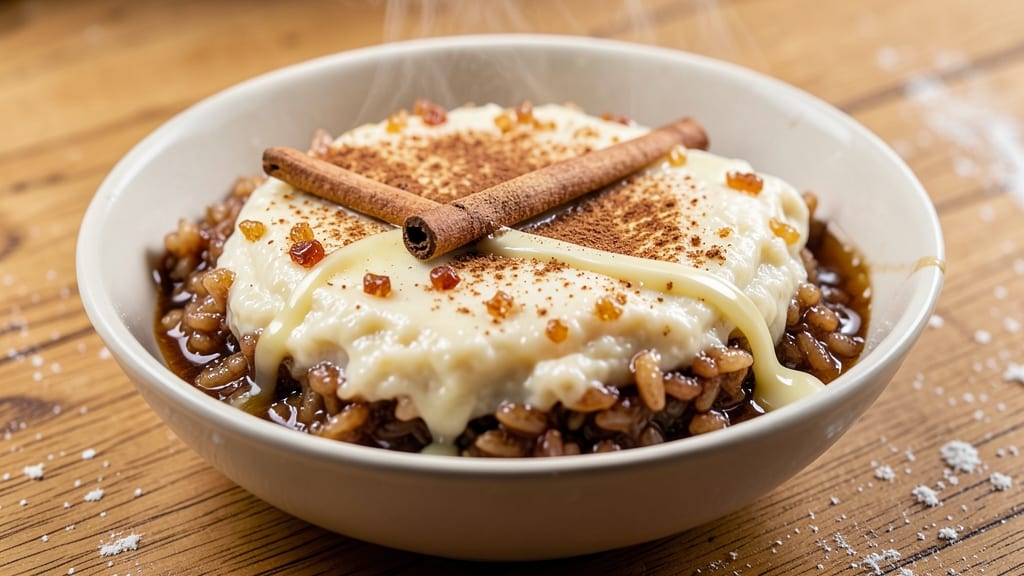
This brown sugar rice pudding recipe delivers creamy, comforting swirls of vanilla and cinnamon that taste like a warm hug in every bite.
The secret lies in simmering long-grain rice with rich milk, brown sugar, and a touch of butter until it reaches that perfect, velvety texture—no instant rice shortcuts here. What sets this apart is the caramelized depth from the brown sugar, which creates a subtle sweetness that lingers with every spoonful.
The result is a dessert that’s simple yet impressive, with a gentle cinnamon aroma that fills your kitchen and a smooth, custard-like consistency that’s impossible to resist.
Whether you’re serving it at a family gathering or enjoying a quiet evening treat, this recipe balances tradition with ease—just 30 minutes on the stovetop, and the flavors only get better as it cools. Top it with toasted pecans or fresh berries for extra indulgence.
Ingredients for brown sugar rice pudding
Nine simple ingredients transform into velvety brown sugar rice pudding with vanilla-cinnamon swirls.
| Ingredient | Amount | Notes |
|---|---|---|
| Long-Grain White Rice 🍚 | ½ cup | Uncooked, jasmine or basmati preferred |
| Light Brown Sugar 🍯 | ¾ cup | Packed, for caramelized depth |
| Whole Milk 🥛 | 2 cups | Full-fat for creaminess |
| Unsalted Butter 🧈 | 4 tbsp | Cold, cut into small cubes |
| Pure Vanilla Extract 🍶 | 1 tbsp | High-quality, no imitation |
| Ground Cinnamon 🍃 | 1 ½ tsp | Freshly ground preferred |
| Salt 🧂 | ¼ tsp | Fine sea salt preferred |
| Toasted Pecans 🥜 | ¼ cup | Chopped, for garnish (optional) |
| Fresh Berries 🍓 | ½ cup | Sliced, for garnish (optional) |
The long-grain rice is the foundation—jasmine or basmati hold up beautifully to long simmering. Bob's Red Mill or Lundberg Family Farms organic rice are my go-tos for consistent texture. Brown sugar isn't just for sweetness; its molasses notes caramelize during cooking, adding that signature depth. Domino or Florida Crystals light brown sugar works perfectly—just pack it tightly into your measuring cup. For the milk, whole milk from organic farms delivers the richest creaminess, but any full-fat milk will work. The butter should be cold when added to prevent immediate melting—cut it into small cubes right before use.
No vanilla extract? Seeds from a vanilla bean steeped in warm milk for 15 minutes works beautifully (though it's pricier). Short on cinnamon? Cassia cinnamon at double the amount gives a slightly spicier kick. The optional pecans can be swapped for toasted walnuts or almonds if you prefer. For extra indulgence, stir in 1 tbsp of bourbon or rum with the vanilla extract—trust me, it elevates the flavor. If you're using berries, fresh strawberries or raspberries add vibrant color and acidity to cut through the richness.
This pudding tastes even better the next day as flavors meld. Store leftovers in an airtight container in the fridge for up to 5 days. For make-ahead convenience, prepare it a day in advance and reheat gently on the stovetop with a splash of milk. The texture thickens as it cools, so if it seems too firm when first made, stir in 1-2 tbsp of milk to adjust consistency. Garnishes like toasted pecans or berries can be added just before serving to keep them crisp.
Why You'll Love This Recipe
- One-Pot Magic: I swear by this recipe because it’s literally one pot, one stove, and done. No fancy gadgets—just rice, milk, and a little patience while the brown sugar caramelizes into that deep, toasty sweetness. The butter at the end? That’s where the real magic happens—silky smooth with zero extra effort.
- Caramelized Comfort: That first spoonful of warm pudding with the brown sugar crystals clinging to the rice? Chef’s kiss. The vanilla ties it all together, but honestly, the star is the slow-cooked sweetness—rich, buttery, and just sticky enough to make you want to lick the bowl. (Yes, I’ve been there.)
- Weeknight & Holiday: Between us, this is my go-to for lazy Sundays and Thanksgiving leftovers. Serve it warm with a sprinkle of cinnamon for a cozy breakfast, or chill it overnight for a no-bake dessert that’ll impress guests. The rice soaks up the milk perfectly, so it’s never mushy—just right.
- Budget-Friendly Luxury: I make this with store-brand milk and rice because it’s that good without breaking the bank. A single batch stretches for days—perfect for lunches or late-night cravings—and the brown sugar adds depth without costing a fortune. Plus, the leftovers? Even better the next day. (Trust me.)
Step-by-step instructions for brown sugar rice pudding
Here's how to craft creamy, caramelized rice pudding with perfect texture and flavor.
Toast the Rice for Nuttiness
In a medium saucepan, melt the 4 tbsp unsalted butter over medium heat. Once fully melted and foaming subsides, add the 0.5 cup long-grain white rice and stir to coat each grain completely in butter. Cook for 3-4 minutes, stirring constantly, until the rice turns a light golden color and emits a toasty aroma.
This toasting step develops deep nutty flavors in the rice. You'll know it's ready when the butter stops sizzling and the rice grains look uniformly golden. Remove from heat immediately after to prevent burning—over-toasted rice will taste bitter rather than nutty.
Simmer with Milk and Sugar
Pour in the 2 cups whole milk and 0.75 cup light brown sugar, stirring until the sugar dissolves completely. Sprinkle in the 1.5 tsp ground cinnamon and 0.25 tsp salt, then return to medium-low heat. Bring to a gentle simmer, then reduce heat to maintain a steady bubble—you should see small, consistent bubbles breaking the surface but no vigorous boiling.
Simmer uncovered for 20-25 minutes, stirring every 5 minutes to prevent sticking and distribute the sugar evenly. The mixture will thicken noticeably as it cooks. You're aiming for a creamy consistency where the pudding coats the back of a spoon but isn't gluey. If it thickens too quickly, add 2-3 tablespoons water to maintain proper texture.
Finish with Vanilla and Butter
Once the mixture reaches your desired thickness, remove from heat and stir in the 1 tbsp pure vanilla extract. Add the remaining 2 tbsp unsalted butter, stirring until completely melted and incorporated. This final butter addition creates a luxurious mouthfeel and balances the sweetness. Taste and adjust sweetness if needed—you can add more brown sugar if desired, but the pudding should already be perfectly balanced.
For extra richness, press plastic wrap directly onto the surface to prevent a skin from forming. Let it cool to room temperature, stirring occasionally. This resting period allows the flavors to meld completely and the texture to set properly. The pudding should be thick but still spoonable—like a cross between custard and porridge.
Serve with Toppings
Transfer the pudding to serving bowls or ramekins. Top immediately with 0.25 cup toasted pecans and 0.5 cup fresh berries for contrast in texture and temperature. The warm, creamy pudding pairs beautifully with the cool, juicy berries and crunchy pecans. For an elegant presentation, sprinkle with an additional pinch of cinnamon or a drizzle of caramel sauce made from the reserved brown sugar syrup.
Serve warm for the best experience—this pudding tastes best when enjoyed immediately after assembly. The combination of warm spices, creamy texture, and sweet-tart berries creates a perfect balance of flavors. Leftovers can be refrigerated for up to 3 days and gently reheated with a splash of milk to restore creaminess.
Pro Tips For Making Brown Sugar Rice Pudding
- Toast the Rice First: Lightly brown the uncooked rice in butter before adding liquid—it deepens the nutty flavor and prevents that bland, starchy taste. I learned this the hard way after making a batch that tasted like plain rice soup; now I always toast for 2-3 minutes until golden.
- Whisk That Sugar: Dissolve the brown sugar in a splash of warm milk first, then stir it into the pot. This stops clumping and ensures every grain gets that caramelized sweetness. My grandmother swore by this, and she was right: skipping it means uneven pockets of gritty sugar.
- Simmer, Don’t Boil: Keep the heat low enough that tiny bubbles just break the surface—no rolling boil. Too much heat turns the rice mushy and the milk grainy. I was skeptical until I tried it: the texture stays creamy, not gluey.
- Finish with Cold Milk: Stir in ¼ cup cold milk at the end to stop cooking and thicken the pudding. It’s a non-negotiable step—my first attempts were too thin, but this guarantees a proper, spoonable consistency. (Yes, even if you’re impatient like me.)
Essential equipment for brown sugar rice pudding
Medium Saucepan
This is your workhorse for the entire process—I use an 8-quart stainless steel saucepan from All-Clad because it distributes heat evenly and prevents scorching. The flat bottom ensures consistent contact with your burner, which is critical when simmering delicate rice pudding.
If you don’t have stainless, a heavy-bottomed enamel Dutch oven works beautifully too. 🔥
Wooden Spoon
Never use metal utensils when cooking rice pudding—they can scratch your saucepan and create hot spots. I recommend a long-handled wooden spoon (like the OXO Good Grips version) to stir continuously during the simmering phase.
The wood helps distribute heat gently while preventing the mixture from sticking to the bottom. Keep it handy for scraping up any browned bits that form along the edges.
Fine-Mesh Strainer
A fine-mesh strainer (I use the OXO Good Grips collapsible one) comes in handy if you want to remove any stray rice grains that might be unevenly cooked. After simmering, strain the pudding through the mesh into a clean bowl to achieve an ultra-smooth texture.
This step is especially useful if you’re serving the pudding in elegant ramekins—it ensures every bite is perfectly creamy. 💫
Instant-Read Thermometer
While not strictly necessary, an instant-read thermometer (like the Thermoworks ThermoPop) helps you monitor the pudding’s thickness more precisely. The ideal serving temperature is between 160°F and 170°F—this ensures the pudding is warm but not scorching.
The thermometer also helps you avoid overcooking, which can make the pudding grainy. Insert it into the center of the pudding for an accurate reading.
Mixing Bowls
You’ll need two medium mixing bowls (I prefer Pyrex glass bowls for their durability) to prepare your toppings separately. One for combining toasted pecans with a pinch of cinnamon, and another for washing and slicing fresh berries.
Glass bowls are easy to clean and won’t absorb odors like plastic. Keep them nearby while you cook to streamline the assembly process. ✨
Plastic Wrap
Pressing plastic wrap directly onto the surface of hot pudding prevents a skin from forming while it cools. I use Saran Wrap because it clings tightly and creates an airtight seal.
This step is crucial for maintaining that silky texture—without it, the top layer can dry out or develop a rubbery consistency. Just
Nutrition facts
Frequently asked questions
Can I use instant rice for this brown sugar dessert?
Instant rice is not recommended—it absorbs too much liquid and creates a gluey texture. For best results, stick with long-grain white rice (jasmine or basmati) which holds its shape and creates that perfect creamy consistency. If you're short on time, you can parboil the rice separately first, then proceed with the recipe.
How do I make this pudding less sweet?
Reduce the brown sugar to ½ cup instead of ¾ cup and add extra vanilla (up to 2 tbsp) for depth. For tartness, stir in 1 tsp lemon zest or a splash of lemon juice at the end. The cinnamon will also help balance sweetness naturally.
Can I make this in a slow cooker?
Yes! Use the same ingredients but cook on low for 3-4 hours instead of stovetop. Stir occasionally and add ¼ cup water if it gets too thick. The slow cooker method develops deeper caramelized flavors from the brown sugar. For extra creaminess, stir in 2 tbsp heavy cream before serving.
Why did my pudding turn out grainy?
Graininess usually means the rice wasn't cooked long enough or was stirred too vigorously. For next time, simmer uncovered for the full 20-25 minutes and stir gently every 5 minutes to prevent breaking the rice grains. If it's already made, blend it briefly with an immersion blender for a smoother texture.
What's the best way to reheat leftovers?
Gently reheat on the stovetop over low heat with 1-2 tbsp milk or cream to restore creaminess. Avoid microwaving as it can make the pudding rubbery. For individual servings, warm in ramekins covered with a damp paper towel for even heating. Stir occasionally until just hot through.