
Main Courses
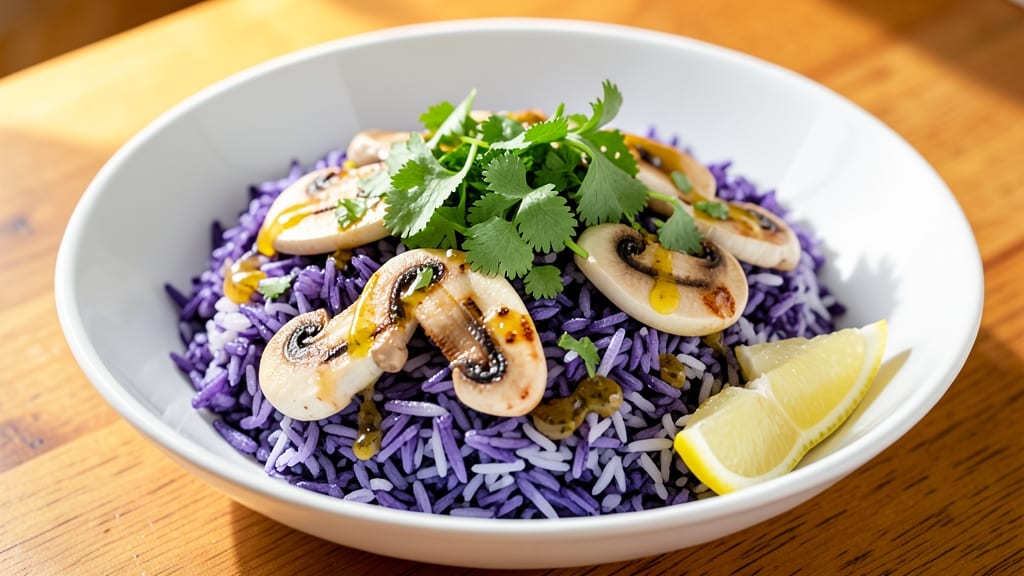
Transforming simple rice into a vibrant blue-purple masterpiece starts with butterfly pea flower—a natural ingredient that changes color with pH. This one-pot recipe creates a visually stunning, vegan-friendly dish that's as impressive as it is easy to prepare.
The secret lies in infusing the rice with butterfly pea powder while cooking, resulting in a dish that shifts from indigo to purple when exposed to acid (like lemon juice). What makes this recipe special is its versatility and presentation potential.
The rice absorbs the deep blue-purple hue of the butterfly pea, creating a striking visual effect that's perfect for special occasions or everyday meals. Pair it with complementary ingredients like fresh herbs, steamed vegetables, or a light broth to enhance both flavor and appearance.
The result is a dish that's as beautiful as it is delicious, with a subtle floral note that adds depth to every bite.
Ingredients for butterfly pea rice
Elevate rice with vibrant butterfly pea powder and complementary fresh ingredients for a visually stunning vegan dish.
| Ingredient | Amount | Notes |
|---|---|---|
| Jasmine Rice 🍚 | 1 cup | Uncooked, long-grain preferred |
| Butterfly Pea Flower Powder 🌸 | 2 tbsp | High-quality, food-grade powder |
| Vegetable Broth 💧 | 2 cups | Low-sodium, homemade or store-bought |
| Fresh Lemon Juice 🍋 | 1 tbsp | Freshly squeezed for color shift |
| Fresh Cilantro 🌿 | ¼ cup | Chopped, for garnish and freshness |
| Fresh Mint Leaves 🍃 | 0.15 cup | Chopped, for vibrant presentation |
| White Mushrooms 🍄 | ½ lb | Sliced, for earthy depth |
| Red Bell Pepper 🌶️ | ½ whole | Diced, for sweetness and color |
| Garlic Cloves 🧄 | 3 cloves | Minced, for aromatic base |
| Extra-Virgin Olive Oil 🫒 | 2 tbsp | Cold-pressed, for richness |
| Sea Salt 🧂 | 1 tsp | Diamond Crystal preferred |
| Black Peppercorns 🌶️ | ¼ tsp | Freshly ground for texture |
| Lime Zest 🍋 | 1 tsp | For citrus brightness |
The butterfly pea flower powder is the star ingredient—sourcing matters here. Look for food-grade powder from reputable suppliers like Frontier Co-op or Amazon Food Grade to ensure vibrant color and purity. The powder should be a deep indigo blue, not gray or dull. If you can't find it online, check specialty health food stores or Asian markets, where it's sometimes sold as 'blue pea flower.' For best results, use powder that's been stored in an airtight container away from light. The jasmine rice should be long-grain and uncooked—avoid pre-cooked or instant rice, as they won't absorb the color as effectively. Fresh herbs like cilantro and mint should be bright green with no wilting, and the mushrooms should be firm with no sliminess. If you're using dried herbs, toast them lightly in a dry pan to enhance their flavor before adding to the dish.
No butterfly pea powder? Blue spirulina powder can be substituted at half the amount, though the color shift won't be as dramatic. Fresh herbs wilt fast—dried herbs at one-third the amount work in a pinch, but fresh is ideal for that vibrant presentation. Out of red bell pepper? Yellow or orange bell peppers add sweetness but won't match the visual contrast. For extra richness, swap half the vegetable broth for coconut milk. The lemon juice is crucial for the color transformation—lime juice works too, but lemon is more widely available and adds a brighter acidity. If you're short on time, pre-chop the mushrooms and bell pepper while the rice cooks, but don't slice them too small, or they'll turn mushy. The garlic should be fresh—pre-minced garlic from jars lacks flavor and aroma.
Store leftover rice in an airtight container in the fridge for up to 4 days, though the vibrant color may fade slightly over time. For longer storage, freeze portions in single-serving containers for up to 3 months. The herbs should be wrapped in damp paper towels and stored in a sealed bag in the fridge to maintain freshness for 5-7 days. To reheat, add a splash of water or broth and cover with a damp paper towel to restore moisture. This dish reheats beautifully and tastes even better the next day as the flavors meld. For presentation, serve in a clear glass bowl to showcase the stunning color transformation—add a squeeze of lemon juice just before serving to activate the full purple hue.
Why You'll Love This Recipe
- Magic Color Shift: I’ll be real—adding that butterfly pea powder turns your rice from plain to mood-changing in seconds. A squeeze of lemon juice later, and it’s this vibrant purple that fades to blue, then back again. My kids think it’s a science experiment, but honestly? It’s just that satisfying.
- One-Pot Wonder: No fancy tools here—just a pot, some broth, and 20 minutes of hands-off time. The jasmine rice soaks up the flavor while the powder infuses, and the cilantro at the end ties it all together. Not the prettiest, but the taste makes up for it every time.
- Lunchbox Hero: This keeps perfectly for days, whether packed for work or school. The broth keeps it moist, and the lemon juice means it won’t turn bland. I make a big batch on Sundays—my daughter picks out the cilantro (she’s weird about texture), but still asks for seconds.
- Budget Brightener: Butterfly pea powder is cheap, and jasmine rice stretches far. A little goes a long way, and the flavor punches way above its price. Plus, the color makes even a simple meal feel special—like you spent hours when you didn’t. My wallet and I both approve.
Step-by-step instructions for butterfly pea rice with vibrant colors
This one-pot method transforms ordinary rice into a visually stunning dish with deep flavors and natural color shifts.
Sauté Aromatics and Mushrooms for Rich Foundation
Heat the 2 tablespoons extra-virgin olive oil in a medium saucepan over medium heat. Add the 0.5 pound sliced white mushrooms and cook for 4-5 minutes until they release their moisture and begin to soften. You'll notice the mushrooms turn slightly golden at the edges—that's when you're ready for the next step.
Add the 3 minced garlic cloves and 0.5 whole diced red bell pepper to the pan. Sauté for another 2-3 minutes until the garlic becomes fragrant and the bell pepper softens. This aromatic base forms the flavor backbone of your dish. Keep the heat at medium to prevent burning the garlic—it should smell sweet and inviting, not bitter.
Toast the Rice and Add Butterfly Pea Powder
Increase the heat to medium-high and add the 1 cup uncooked jasmine rice, stirring to coat each grain evenly with the mushroom mixture. Toast the rice for 2 minutes until it becomes translucent at the edges and releases a nutty aroma. This step is crucial—it prevents the rice from becoming mushy and develops deeper flavor.
Reduce heat to medium and sprinkle in the 2 tablespoons butterfly pea flower powder, stirring constantly for 30 seconds to distribute it evenly. The powder will create a vibrant blue hue that will later transform with acid. Immediately add the 2 cups vegetable broth and 1 teaspoon sea salt, bringing the mixture to a gentle boil. Real talk: don't skip the stirring here—uneven distribution leads to patchy color.
Simmer the Rice to Perfect Texture
Once boiling, reduce heat to low and cover the saucepan with a tight-fitting lid. Let the rice simmer for 15 minutes without disturbing it. The rice should absorb the liquid slowly, developing a tender yet distinct texture. Here's the thing—if you peek too early, you'll release steam and potentially dry out the rice. Trust the timer and the visual cues: when the rice looks slightly underdone but the liquid is mostly absorbed, it's ready.
After 15 minutes, turn off the heat and let the rice sit covered for 5 minutes. This resting period allows any remaining moisture to distribute evenly, resulting in perfectly fluffy grains. The color should now be a deep indigo blue—this is your starting point before the final color transformation.
Finish with Citrus and Herbs for Color Magic
Remove the lid and stir in the 1 tablespoon fresh lemon juice, 1 teaspoon lime zest, and 0.25 teaspoon freshly ground black peppercorns. Watch the color transform instantly from deep blue to vibrant purple—this is the butterfly pea flower's natural pH-sensitive reaction. The acidity from the citrus triggers this stunning visual change while adding bright, refreshing flavors.
Gently fold in the 0.25 cup chopped fresh cilantro and 0.15 cup chopped fresh mint leaves, reserving a small amount for garnish. The herbs add freshness and contrast the earthy mushrooms. Let the rice sit uncovered for 2 minutes to allow any remaining steam to evaporate. The final texture should be tender but distinct, with each grain separate and vibrant in color.
Serve with Garnish for Visual Impact
Transfer the rice to a serving dish and garnish with the reserved fresh herbs. The contrast between the purple rice and green garnishes creates a visually striking presentation. Serve immediately while the colors remain at their peak intensity. Each bite should deliver the earthy mushrooms, sweet bell pepper, aromatic garlic, and the subtle floral notes of the butterfly pea flower—all balanced by the bright citrus finish.
This dish works beautifully as a main course or side. For extra protein, serve with grilled chicken or shrimp. The color transformation never fails to impress guests—it's the perfect conversation starter for any meal.
Pro Tips For Making Butterfly Pea Rice
- Bloom the Powder First: Mix the butterfly pea powder directly into the hot vegetable broth—never the cold water. The heat activates the color change instantly, so you don’t end up with a muddy, uneven hue. (Yes, even if you’re impatient like me, wait for the broth to simmer first.)
- Toast the Jasmine Rice: Dry-toast the uncooked jasmine rice in a pot over medium heat for 2–3 minutes before adding liquid. This step deepens the nutty flavor and prevents gummy rice—no, it won’t burn if you stir occasionally. (I learned this the hard way after a batch tasted like glue.)
- Acid Last, Not First: Add lemon juice after the rice is fully cooked and off the heat. If you mix it in early, the acid will break down the rice and turn it mushy. A squeeze at the end brightens the flavor without ruining the texture.
- Reserve Some Broth: Keep ½ cup of the plain vegetable broth (unflavored with powder) separate until the end. Use it to adjust consistency if the rice ends up too dry—no need to start over. (Your future self will thank you when you’re not scrambling for extra liquid.)
Perfect pairings for butterfly pea rice
Citrus-Inspired Drinks
Serve your butterfly pea rice with a sparkling lemonade made from ½ cup fresh lemon juice, 2 tbsp honey, and 4 cups chilled sparkling water.
The acidity enhances the rice's color transformation while refreshing the palate. For a tropical twist, add ½ cup pineapple juice and garnish with mint leaves. 🍋
Herbaceous Tea Pairings
Pair the dish with hibiscus tea, which complements the floral notes of the butterfly pea. Brew 1 tbsp dried hibiscus flowers in 2 cups boiling water for 10 minutes, then strain.
The tart, cranberry-like flavor balances the earthy mushrooms beautifully. For a caffeine kick, add a green tea bag for a refreshing contrast.
Light Broth Soups
Serve alongside a coconut-miso soup to deepen the umami profile. Simmer 2 cups coconut milk, 1 tbsp white miso paste, 1 cup vegetable broth, and 1 tsp grated ginger for 10 minutes.
Top with sliced scallions and a drizzle of chili oil. The creamy broth soothes while the rice's vibrant colors pop against the golden soup.
Crispy Vegetable Sides
Add crispy roasted Brussels sprouts for texture contrast. Toss 1 lb halved Brussels sprouts with 1 tbsp olive oil, ½ tsp smoked paprika, and ½ tsp salt, then roast at 400°F for 20 minutes. The caramelized edges and peppery bite elevate the dish's earthy flavors. 🌱
Protein Additions
For a complete meal, add grilled shrimp or tofu. Toss ½ lb shrimp with 1 tbsp soy sauce, 1 tsp honey, and ½ tsp garlic powder, then grill for 2-3 minutes per side.
The smoky protein pairs perfectly with the rice's floral notes, creating a balanced, satisfying dish.
Dessert Contrast
End the meal with mango sorbet to cleanse the palate. Blend 2 ripe mangoes, 2 tbsp lime juice, and 1 tbsp honey, then freeze for 4 hours. The bright, tropical flavors contrast the savory rice, leaving a refreshing finish. 🍈
Nutrition facts
Frequently asked questions
Why does the butterfly pea rice change color?
The vibrant color transformation happens because butterfly pea flower powder is naturally pH-sensitive. When exposed to acid (like lemon juice), it shifts from deep blue to bright purple. This reaction creates the stunning visual effect that makes the dish so special—just add the citrus at the end for the full magic!
Can I make this recipe without butterfly pea powder?
Yes! You can substitute blue spirulina powder at half the amount, though the color change won't be as dramatic. For a different approach, try adding turmeric or beetroot powder for a golden or pink hue instead. The floral notes of butterfly pea are unique, but these alternatives still create beautiful results.
How do I store leftover butterfly pea rice?
Keep leftovers in an airtight container in the fridge for up to 4 days, though the color may fade slightly over time. For longer storage, freeze portions for 3 months. To reheat, add a splash of water or broth and cover with a damp paper towel to restore moisture. The flavors actually improve the next day!
What's the best way to serve this dish for a party?
Use clear glass bowls to showcase the stunning color transformation! Add a squeeze of lemon juice just before serving to activate the purple hue, and garnish with fresh herbs. For extra flair, arrange the rice in concentric circles or serve family-style with small bowls of garnishes on the side.
Is this recipe gluten-free and nut-free?
Yes, this recipe is naturally gluten-free and nut-free! Just ensure your vegetable broth and butterfly pea powder are certified gluten-free if you have celiac concerns. The ingredients are simple and safe for most dietary restrictions, making it a versatile dish for any gathering.