
Side Dishes
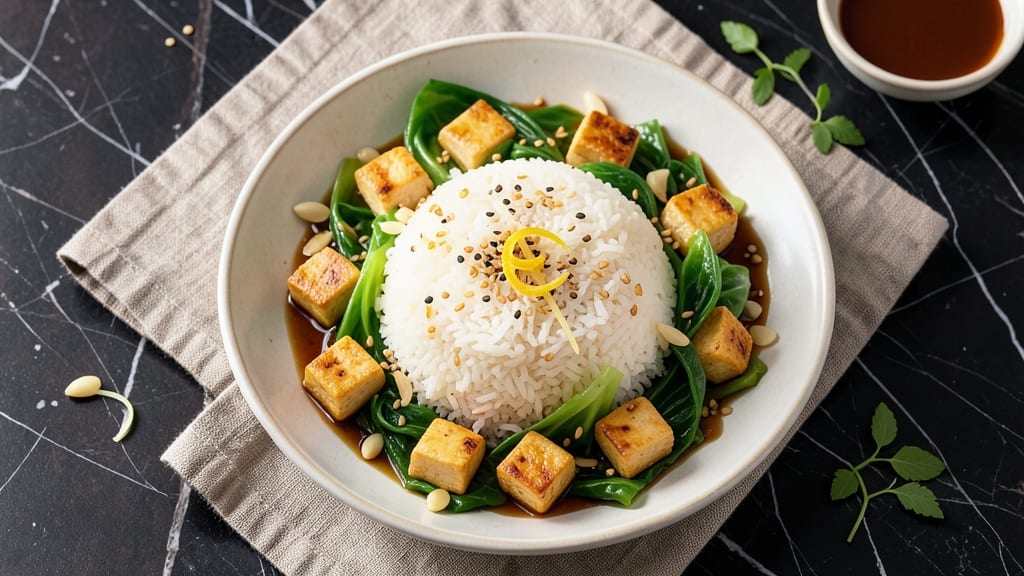
This Chinese cabbage rice recipe transforms humble ingredients into a restaurant-worthy dish with crispy edges and fragrant aromas. The secret lies in high-heat wok technique—quick stir-frying preserves vibrant colors and textures while developing deep umami flavors through proper seasoning balance.
What sets this dish apart is its perfect harmony: tender cabbage, slightly crispy rice, and savory protein (tofu or shrimp) all cooked in the same wok.
Traditional Chinese cooking philosophy emphasizes "wok hei" (breath of the wok), achieved through proper heat control and constant motion—techniques we'll master together for authentic results at home.
Ingredients for cabbage rice chinese
Authentic wok-fried cabbage rice relies on precise ingredient ratios and high-heat technique for crispy edges.
| Ingredient | Amount | Notes |
|---|---|---|
| Chinese Cabbage (Napa Cabbage) 🥬 | 4 cups | Shredded into bite-sized pieces |
| Jasmine Rice 🍚 | 2 cups | Day-old, cold rice preferred |
| Firm Tofu 🍱 | 1 lb | Extra-firm, pressed and cubed |
| Garlic Cloves 🧄 | 6 cloves | Minced for aromatic base |
| Fresh Ginger 🌿 | 1 tbsp | Grated, for zesty brightness |
| Light Soy Sauce 🥢 | ½ cup | For umami depth |
| Dark Soy Sauce 🥢 | 1 tbsp | For color and richness |
| Oyster Sauce 🍜 | 2 tbsp | Vegetarian version preferred |
| Sesame Oil 🌰 | 1 tbsp | Toasted, for nutty aroma |
| Neutral Oil (Peanut or Vegetable) 🫒 | 3 tbsp | High smoke point required |
| Green Onions 🧅 | 4 whole | Thinly sliced, for garnish |
| Cornstarch 🌾 | 1 tbsp | For crispy tofu coating |
| Sesame Seeds 🌰 | 1 tbsp | Toasted, for garnish |
| Diamond Crystal Kosher Salt 🧂 | ½ tsp | For seasoning balance |
| Black Pepper 🌶️ | ¼ tsp | Freshly ground for heat |
The cabbage selection is critical—Napa cabbage delivers that signature tenderness. Most Asian markets carry it pre-shredded, but whole heads at Trader Joe's offer better value. For the protein, extra-firm tofu holds its shape best when cubed and pressed. If using shrimp instead, opt for large, peeled shrimp at Costco—they're pre-sized and thaw quickly. The jasmine rice should be day-old; freshly cooked rice turns mushy under high heat. Pro tip: spread it on a tray to cool evenly.
No oyster sauce? Vegetarian oyster sauce or extra light soy sauce works in a pinch. Substituting shrimp for tofu? Marinate the shrimp in 1 tbsp soy sauce and 1 tsp cornstarch for 10 minutes before cooking. The sesame oil should be toasted—look for dark bottles at Whole Foods for maximum aroma. For extra crispiness on the cabbage, toss it with 1 tsp cornstarch before stir-frying. The garlic and ginger should be freshly minced; pre-minced jarred versions lack the necessary punch.
Rice reheats beautifully—simply microwave with 1 tbsp water per cup for 2 minutes. Store components separately: cabbage and protein in airtight containers for 3-4 days, while rice keeps 5 days in the fridge. For freezing, package the protein and cabbage separately—they'll last 3 months. To recreate restaurant-style crispy edges, always use a carbon steel wok on maximum heat and keep the ingredients moving constantly.
Why You'll Love This Recipe
- I’ll be real: this recipe costs me about $3 for four servings. Napa cabbage is cheap, tofu’s a protein powerhouse, and jasmine rice stretches forever. Plus, if I forget to buy something, I swap in whatever’s in the fridge—carrots, mushrooms, even leftover chicken. It’s my go-to when groceries are tight, and it never lets me down.
- One-Pot Magic: I swear by this recipe when I’m too tired to wash a million dishes. Sauté the cabbage, toss in the rice and tofu, and let it steam together—no separate pots, no fuss. The garlic and ginger infuse everything in minutes, and honestly? That crisp-tender cabbage with the fluffy rice? It’s my lazy-night hero.
- Umami Bomb: Between us, the tofu here isn’t just filler—it’s the star. Pan-fry it until it’s golden and crispy on the edges, then fold it into the cabbage and rice with a splash of soy sauce. That deep, savory punch from the garlic and ginger? It’s the kind of flavor that makes you reach for seconds without even thinking.
- Lunchbox Legend: Here’s what sold me—this keeps perfectly for days. Pack it cold for work lunches (the rice stays fluffy, I promise), or reheat it for dinner when you’re too wiped to cook. My college kid still begs for it, and I make it at least twice a month. Budget-friendly? Check. Reliable? Double check.
Step-by-step instructions for cabbage rice Chinese recipe
Master this wok-fried technique for restaurant-quality texture and flavor balance.
Prepare the Tofu for Maximum Crispiness
Press the firm tofu between paper towels under a heavy object for 30 minutes to remove excess moisture. Cut into 1-inch cubes and transfer to a bowl. In a separate small bowl, whisk together 1 tablespoon cornstarch, 0.5 teaspoon Diamond Crystal kosher salt, and 0.25 teaspoon black pepper. Toss the tofu cubes until evenly coated.
Heat 1 tablespoon neutral oil in a large wok or skillet over medium-high heat until shimmering. Add the coated tofu in a single layer and cook undisturbed for 3-4 minutes until golden brown on one side. Flip carefully and cook another 3-4 minutes until crispy on all sides. Remove tofu and set aside on a paper towel-lined plate to drain excess oil.
Build the Aromatic Base
In the same wok, add the remaining 2 tablespoons neutral oil and swirl to coat the surface. Add the 6 minced garlic cloves and 1 tablespoon grated fresh ginger, stirring constantly for 30 seconds until fragrant. The garlic should turn golden without burning—this is critical for developing the dish's signature aroma.
Push the aromatics to one side of the wok and add the 4 cups shredded Chinese cabbage (napa cabbage). Stir-fry for 2-3 minutes until the cabbage begins to soften but still maintains crisp edges. Here's the thing—you want to preserve some texture in the cabbage to contrast with the crispy tofu later.
Combine Sauces and Rice
Pour in the 0.5 cup light soy sauce, 1 tablespoon dark soy sauce, and 2 tablespoons oyster sauce. Stir well to coat the cabbage evenly. Add the 2 cups day-old jasmine rice and toss gently to combine with the cabbage and sauce mixture. Cook for 2 minutes until everything is well incorporated and heated through.
This is where the magic happens—the dark soy sauce will give your dish that beautiful mahogany color while maintaining the umami depth from the light soy and oyster sauce. If the mixture appears dry at any point, add 1-2 tablespoons water to maintain moisture without diluting the flavors.
Finish with Crispy Tofu and Garnishes
Return the crispy tofu to the wok and toss everything together for 1-2 minutes until the tofu is heated through and the cabbage maintains its texture. Drizzle with 1 tablespoon toasted sesame oil and toss once more to distribute evenly. The sesame oil adds that nutty aroma that elevates the dish from good to exceptional.
Remove from heat and transfer to serving plates. Garnish with 4 thinly sliced green onions and 1 tablespoon toasted sesame seeds. The contrast of textures—crispy tofu, tender cabbage, and slightly chewy rice—makes this dish truly satisfying. Serve immediately while the tofu remains crisp and the aromatics are at their peak.
Pro Tips For Making Cabbage Rice Chinese
- Trim Cabbage Right: Cut the thick core out of the Napa cabbage—it’s the only part that stays tough no matter how long you cook it. I used to leave it in and wondered why my cabbage always had that stubborn bite.
- Parboil Tofu First: Drop firm tofu in boiling water for 30 seconds before frying—it keeps it from falling apart when you stir-fry later. Sounds weird, but it works: the tofu stays intact and absorbs flavors like a champ.
- Salt Rice Early: Mix the jasmine rice with salt and oil before cooking, not after. The rice absorbs the seasoning better, and you won’t end up with bland grains at the bottom of the pot—trust me, it’s a game-changer.
- Char the Ginger: Lightly char the ginger slices in the wok before adding other ingredients—it adds a smoky depth that plain minced ginger can’t match. Just 10 seconds over high heat does the trick.
Common mistakes when making great cabbage rice chinese
Overcooking the Cabbage
Chinese cabbage needs tender-crisp texture, not mush. I’ve seen beginners stir-fry it for 5+ minutes, turning it into a sad, limp pile. Cook it for just 2-3 minutes over high heat—it should soften slightly but still hold shape.
The key is constant movement in the wok to prevent overcooking. 🥬
Skipping the Tofu Press
Unpressed tofu releases excess water, turning your dish into a soggy mess. I’ve ruined multiple batches by skipping this step—30 minutes under weight is non-negotiable. For extra crispiness, pat the cubes dry with paper towels before coating.
Pro tip: Use a tofu press or even a heavy pan with towels for consistent results.
Using Freshly Cooked Rice
Fresh jasmine rice is too moist and turns mushy under high heat. Always use day-old rice—it’s drier and absorbs sauces better. If you must use fresh rice, spread it on a tray and refrigerate for 2 hours before cooking.
This prevents that dreaded gummy texture that kills authentic wok hei. 🍚
Burning the Garlic
Garlic burns in seconds—I’ve seen it happen when cooks get distracted. Stir constantly for 30 seconds max until golden, not brown. Burnt garlic adds bitterness that ruins the dish. For extra safety, add garlic after the cabbage starts cooking, when the wok is slightly cooler.
Underseasoning the Sauce
Many home cooks hold back on soy sauce, thinking it’s too salty. But this dish needs bold umami—use the full 0.5 cup light soy sauce and 1 tbsp dark soy sauce called for.
Taste as you go! The dark soy sauce also gives that signature mahogany color. If it tastes perfect coming out of the wok, it’s ready—no adjustments needed.
Not Preheating the Wok
A cold wok means steamed food, not stir-fried. Always preheat your wok on maximum heat for 5 minutes before adding oil. I test by flicking a drop of water—it should sizzle and evaporate instantly.
This high heat creates those crispy edges that define wok-fried dishes. Without it, you’re just making a sad stir-fry. 🔥
Nutrition facts
Frequently asked questions about Chinese cabbage rice
Can I substitute regular cabbage for Chinese cabbage?
While you can use regular green cabbage in a pinch, it won't give the same tender texture. Chinese cabbage (napa cabbage) has thinner leaves and a sweeter flavor that works better for stir-frying. If substituting, choose the lightest green leaves and cut them thinner than usual to help them cook faster.
How do I make this vegetarian without tofu?
Try cubed extra-firm tempeh or mushrooms like shiitake or oyster for a meaty texture. For extra protein, add 1 cup edamame or 1/2 cup chickpeas (rinsed and drained). Marinate any plant-based protein in 1 tbsp soy sauce and 1 tsp cornstarch for 10 minutes before cooking.
Can I make this in an Instant Pot instead of a wok?
Yes, but the texture will differ slightly. Sauté the garlic and ginger first, then add all ingredients except sesame oil and garnishes. Cook on High Pressure for 2 minutes, then quick-release. The rice won't get crispy edges, but it'll be flavorful. Finish by tossing with sesame oil and garnishes after cooking.
What's the best way to reheat leftovers?
Reheat in a skillet over medium heat with 1 tsp neutral oil and 1 tbsp water to restore crispiness. Stir constantly for 3-4 minutes until heated through. Avoid microwaving—the texture becomes rubbery. For best results, store components separately and reheat only what you need.
Why does my cabbage rice look pale instead of brown?
The dark soy sauce is key for color! Use the full 1 tbsp dark soy sauce called for. If it still looks pale, add 1/2 tsp more at the end of cooking. For extra depth, stir in 1 tsp toasted sesame oil before serving. The dish should have a beautiful mahogany hue from proper seasoning.