
Main Courses
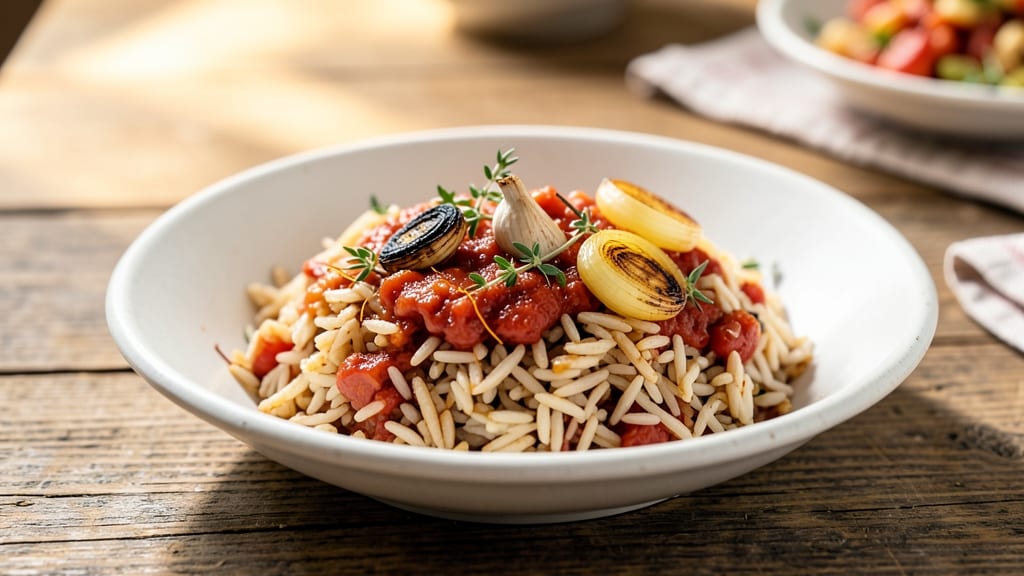
This Camargue red rice recipe brings the sun-drenched fields of southern France to your kitchen with its signature deep red hue and saffron-infused richness. 🌟 The secret lies in slow-cooking the rice with tomatoes, garlic, and herbs until it develops that unmistakable color and complex flavor profile that defines this Provençal classic.
What makes this dish truly special is how it transforms simple ingredients into something extraordinary through patience and technique.
The traditional method requires just one pot, where the rice absorbs the flavors of the tomato base, saffron, and aromatic herbs as it simmers. This approach not only delivers authentic taste but also simplifies the cooking process, making it perfect for weeknight dinners or special occasions.
The result is a dish with a perfect balance of textures—tender rice grains coated in a velvety tomato-herb sauce that's both comforting and elegant.
What sets this recipe apart is the saffron, which infuses the rice with its signature golden color and delicate floral aroma. The slow cooking process allows the flavors to meld beautifully, creating a dish that's rich yet not heavy, with just the right amount of acidity from the tomatoes.
Each bite delivers a harmonious blend of savory, sweet, and herbal notes that make this rice a standout centerpiece.
Pair this Camargue red rice with grilled fish, lamb, or even a simple green salad for a complete meal that feels both rustic and refined. The one-pot method ensures minimal cleanup, while the deep flavors reward your patience with every forkful.
Let's get started on creating this French-inspired masterpiece in your own kitchen.
Ingredients for camargue red rice
Rice, tomatoes, saffron, and herbs—simple ingredients elevated by slow cooking and patience.
| Ingredient | Amount | Notes |
|---|---|---|
| Long-Grain White Rice 🍚 | 1 ½ cups | Uncooked, rinsed thoroughly |
| Canned Crushed Tomatoes 🍅 | 2 cups | San Marzano preferred |
| Saffron Threads 🌼 | ¼ tsp | High-quality, organic preferred |
| Garlic Cloves 🧄 | 4 cloves | Freshly minced, aromatic |
| Yellow Onion 🧅 | 1 whole | Medium size, finely chopped |
| Fresh Thyme Leaves 🌿 | 1 tbsp | Or 1 tsp dried thyme |
| Fresh Parsley Leaves 🌿 | ¼ cup | Chopped, for garnish |
| Olive Oil 🫒 | ½ cup | Extra-virgin, fruity |
| Dry White Wine 🍷 | 1 cup | Sauvignon Blanc preferred |
| Vegetable Broth 💧 | 2 cups | Low-sodium preferred |
| Bay Leaves 🌿 | 2 whole | Fresh or dried |
| Salt 🧂 | 1 ½ tsp | Kosher or sea salt |
| Ground Black Pepper 🌶️ | ½ tsp | Freshly ground preferred |
| Butter 🧈 | 2 tbsp | Unsalted, for finishing |
The saffron is non-negotiable here—Penzeys or Whole Foods carry the best quality in small tins. A single pinch of low-grade saffron won't give that signature golden hue. For the tomatoes, San Marzano cans are worth the splurge—they're sweeter and less acidic, which balances the dish perfectly. Fresh thyme and parsley should be vibrant green; if they look wilted, skip them. The white wine adds acidity and depth, so avoid anything too oaky—stick with a crisp Sauvignon Blanc.
No saffron? Turmeric at one-third the amount gives color but lacks the floral aroma. Short on white wine? Substitute extra vegetable broth and add a splash of lemon juice. Fresh herbs unavailable? Dried thyme and parsley work at half the quantity. The rice must be rinsed thoroughly to remove excess starch—this prevents gumminess. For the garlic, peel and chop just before cooking to preserve its freshness. If using pre-minced garlic, add it later to avoid bitterness.
This rice keeps beautifully—3-4 days in the fridge or 3 months frozen. Reheat gently with a splash of water or broth to restore moisture. The flavors actually deepen overnight, so leftovers taste even better. Store in an airtight container with a sprinkle of fresh parsley on top to maintain color. For extra richness, stir in the butter at the end—it melts into the grains perfectly, adding a velvety finish.
Why You'll Love This Recipe
- One-Pot Magic: The rice cooks in the same pot as the tomatoes and onions—no separate steaming, no sticky mess. Just toss everything in, simmer, and let the saffron work its golden spell.
- Saffron Luxury: Honestly, a pinch of saffron threads makes this taste like a restaurant dish, not a weeknight meal. The aroma alone is worth the splurge—it turns ordinary rice into something special.
- Lunchbox Hero: Between us, this rice reheats beautifully for lunches. Pack it cold in jars or warm it up, and it’s the kind of meal that keeps you full without weighing you down.
- Budget Stretch: Canned tomatoes and rice are cheap, but the flavor feels gourmet. I’ve made this for dinner parties and potlucks—no one guesses it’s not homemade from scratch.
Step-by-step instructions for Camargue red rice
Here's how to create this vibrant, saffron-kissed rice dish that captures the essence of Provence.
🍳 Step 1: Bloom the Saffron in Olive Oil
In a large, heavy-bottomed pot, heat the 0.5 cup olive oil over medium-low heat. Add the 0.25 tsp saffron threads and let them steep for 2-3 minutes until the oil turns a delicate golden hue. This step is crucial—it releases the saffron's vibrant color and aromatic essence without burning the delicate threads.
Here's the thing—saffron is expensive, so don't waste it. If you see any threads floating untouched, gently stir them into the oil. The color change signals the saffron is properly infused. I like to add the 2 whole bay leaves at this stage too, letting them warm gently in the oil for 1 minute before proceeding.
👨🍳 Step 2: Sauté Aromatics Until Fragrant
Add the 1 whole yellow onion and 4 cloves garlic cloves to the pot, stirring constantly for 3-4 minutes until the onion softens and becomes translucent. You'll notice the kitchen fills with that unmistakable garlic aroma—this is when the flavors really start developing.
Next, stir in the 1 tbsp fresh thyme leaves and 1.5 tsp salt. Cook for another 1 minute until the thyme leaves darken slightly and release their earthy perfume. Don't let the garlic brown—you want it aromatic, not bitter. This aromatic base forms the flavor foundation for your rice.
🍳 Step 3: Toast the Rice for Nuttiness
Add the 1.5 cups long-grain white rice to the pot and stir to coat it evenly in the fragrant oil. Increase heat to medium-high and toast the rice for 2-3 minutes, stirring frequently. You're looking for the rice to develop a slight golden tint and release its nutty aroma—this step prevents mushy rice and adds depth of flavor.
I press down gently on the rice with a wooden spoon during the first minute—this prevents it from clumping and ensures even contact with the hot oil. Once the rice is evenly toasted, pour in the 2 cups canned crushed tomatoes and stir to combine completely.
🍷 Step 4: Deglaze and Simmer
Add the 1 cup dry white wine and scrape up any browned bits from the bottom of the pot with a wooden spoon. This deglazing step captures all the flavor that would otherwise stick to your pot. Let the wine simmer for 3-4 minutes until it reduces by about half, intensifying the flavors.
Next, pour in the 2 cups vegetable broth and bring the mixture to a gentle boil. Reduce heat to low, cover the pot with a tight-fitting lid, and simmer for 15 minutes. Don't peek or stir during this time—it disrupts the cooking process and can make the rice uneven. The rice should absorb the liquid gradually, developing that characteristic Camargue texture.
🥘 Step 5: Finish and Rest
After 15 minutes, remove the lid and stir in the 0.5 tsp ground black pepper. The rice should be tender but still have a slight bite. If it's too dry, add 2-3 tablespoons water and cover to steam for another 2-3 minutes. The rice should be al dente with a beautiful red hue from the tomatoes and saffron.
Finally, stir in the 2 tbsp butter until melted and evenly distributed. This adds richness and helps create that signature Camargue texture. Remove from heat, sprinkle with 0.25 cup fresh parsley leaves, cover, and let rest for 5 minutes. This resting period allows the flavors to meld and the rice to plump up perfectly. Serve immediately with grilled fish or crusty bread to enjoy the full Camargue experience.
Pro Tips For Making Camargue Red Rice
- SOAK THE SAFFRON FIRST: Steep the saffron threads in 2 tablespoons of warm water for at least 10 minutes before adding to the rice—this guarantees the color and aroma infuse properly. I used to toss it in dry and wondered why my rice never looked golden; now it’s vibrant every time.
- SWIM THE RICE IN TOMATO: Use enough crushed tomatoes to fully coat the rice grains before adding liquid—aim for about 1 cup per 2 cups of rice. This isn’t just flavor; it’s the base that keeps the rice from drying out later, especially when simmering low.
- DON’T DROWN THE RICE: After adding the rice to the pot, let it sit uncovered for 2 full minutes before adding the remaining liquid—this lets the grains toast slightly and prevents mush. I learned this the hard way when my rice turned into porridge.
- SWEAT THE AROMATICS LONG: Cook the onions and garlic in oil over medium-low heat until the onions are deep golden and the garlic is just fragrant, not browned—about 8-10 minutes. Rushing this step makes the rice taste raw; patience here makes all the difference.
Best sauces and condiments for camargue red rice
Tomato Sauce Base
The crushed tomato foundation is what gives Camargue red rice its signature deep red color and slightly sweet, tangy flavor. I always use San Marzano tomatoes—their natural sweetness balances the saffron's floral notes beautifully.
For extra richness, stir in 1 tbsp tomato paste during the sauté stage to deepen the color and add a subtle umami depth. 🍅
Herb-Infused Olive Oil
Take your rice to the next level by infusing the olive oil with fresh herbs before cooking. Heat 0.25 cup olive oil with 2 sprigs fresh rosemary and 1 sprig fresh thyme for 2 minutes before adding your aromatics.
This herb-infused oil carries incredible flavor throughout the dish. For a modern twist, add 1 tsp smoked paprika to the oil for a subtle smokiness that pairs perfectly with grilled fish.
Wine Reduction
The white wine in this recipe isn't just for cooking—it's for creating a flavorful reduction. After deglazing, let the wine reduce by half before adding broth. For a bolder flavor, use 1 cup dry rosé instead of white wine—it adds a fruity complexity that complements the tomatoes beautifully.
If you prefer red wine, use a light Pinot Noir and reduce it longer to concentrate the flavors.
Butter Finish
The final 2 tbsp butter is where the magic happens—it coats each grain, creating that signature velvety texture. For extra richness, use 1 tbsp ghee instead of butter for a higher smoke point and nutty flavor.
If you want to add a touch of brightness, finish with 1 tsp lemon zest along with the parsley. This citrus note cuts through the richness and adds a refreshing contrast.
Spicy Kick
For those who love heat, stir in ½ tsp harissa paste with the tomatoes or add 1 sliced jalapeño during the final simmer. The heat balances the richness perfectly while keeping the dish authentic to Provençal traditions.
If you prefer a milder heat, try ½ tsp sweet paprika instead—it adds warmth without overpowering the delicate saffron flavor.
Garlic Confit Twist
Elevate your aromatics by using garlic confit instead of fresh garlic. Sauté 4 cloves garlic confit (garlic cloves slow-cooked in oil) with your onions for an incredibly sweet, mellow garlic flavor that won't overpower the dish.
This technique adds depth without bitterness, making it perfect for those who love garlic but want to avoid harsh flavors. 🧄
Nutrition facts
Frequently asked questions
Why does Camargue red rice have such a deep red color?
The vibrant red hue comes from slow-cooking the rice with crushed tomatoes and saffron. The tomatoes provide the base color, while the saffron adds its signature golden tint that blends beautifully with the tomato's acidity. Cooking the rice gently in the tomato sauce allows the color to develop naturally over time.
Can I make this rice in a rice cooker?
Yes, but with adjustments! Use the same ingredients and follow the same steps up to the simmering phase. After adding the broth, cook on high for 12 minutes, then switch to low for 8 minutes. Avoid stirring during cooking to prevent uneven texture. The rice cooker won't develop the same depth of flavor as stovetop, but it's a convenient alternative.
What's the best way to store leftovers?
Store in an airtight container with a sprinkle of fresh parsley on top to preserve color. It keeps well in the fridge for 3-4 days or frozen for 3 months. Reheat gently with a splash of water or broth to restore moisture. The flavors actually improve overnight, making leftovers even more delicious!
How do I prevent the rice from becoming mushy?
Rinse the rice thoroughly before cooking to remove excess starch, and toast it in oil for 2-3 minutes before adding liquid. Use the correct rice-to-liquid ratio (1:1 in this recipe) and avoid peeking or stirring while it simmers. The rice should be al dente with a slight bite when done.
What are the best proteins to pair with this dish?
Camargue red rice pairs beautifully with grilled sea bass or lamb chops, which complement its rich tomato-herb flavors. For a vegetarian option, try roasted eggplant or mushrooms. The dish's savory depth works well with both delicate fish and hearty meats.