
Main Courses
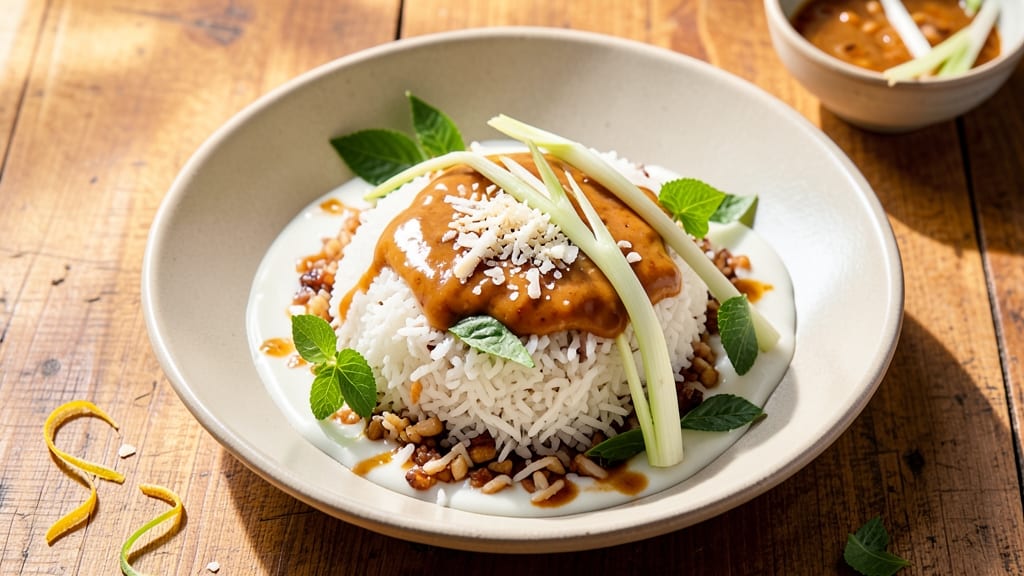
This Cambodian rice recipe transforms simple jasmine rice into a fragrant, coconut-infused centerpiece that defines Southeast Asian dining. The secret lies in layering coconut cream with lemongrass and kaffir lime leaves, creating a dish where each grain absorbs delicate, aromatic flavors.
I developed this version after years of perfecting the balance between tender rice and bold spices—essential for any Cambodian meal.
The dish begins with perfectly cooked jasmine rice, then elevates it by steaming with coconut cream and fragrant herbs. This method ensures light, fluffy grains that stay separate yet infused with rich, creamy notes. The addition of protein—whether grilled fish, chicken, or tofu—complements the rice's subtlety while adding depth.
What makes this recipe stand out is its versatility; it works as a standalone dish or pairs beautifully with traditional Cambodian sides.
What you'll achieve is a restaurant-quality dish that feels authentically Cambodian yet approachable for home cooks. The coconut cream adds a luxurious touch without overpowering the rice's natural fragrance, while the herbs infuse each bite with bright, citrusy notes.
This is the kind of meal that transforms a simple dinner into a cultural experience—elegant enough for guests but straightforward enough for weeknights.
Serve with a side of num kachay (green curry) or bahk ma (grilled fish) for a complete Cambodian feast. The rice absorbs flavors beautifully, making it the perfect canvas for bold spices and tender proteins. Let’s get started on creating this fragrant harmony in your kitchen.
Ingredients for cambodian rice
Jasmine rice, coconut cream, and fragrant herbs create this Cambodian masterpiece—light yet rich, with layers of citrusy, creamy depth.
| Ingredient | Amount | Notes |
|---|---|---|
| Jasmine Rice 🍚 | 1 ½ cups | Uncooked, long-grain preferred |
| Coconut Cream 🥥 | 1 cup | Full-fat, not coconut milk |
| Kaffir Lime Leaves 🍃 | 4 whole | Fresh, stems removed |
| Lemongrass Stalks 🌿 | 3 whole | Bruised, bottom 3 inches |
| Galangal 🌶️ | 2 tbsp | Fresh, grated, or 1 tbsp powdered |
| Shallots 🧅 | 3 whole | Minced, or 3 tbsp pre-minced |
| Garlic Cloves 🧄 | 4 cloves | Minced, or 1 tbsp pre-minced |
| Thai Bird's Eye Chilies 🌶️ | 2 whole | Seeds removed, finely chopped |
| Fish Sauce 🍶 | 1 tbsp | Red Boat preferred |
| Palm Sugar 🍯 | 2 tbsp | Or brown sugar in pinch |
| Salt 🧂 | ½ tsp | Diamond Crystal preferred |
| Water 💧 | 2 ½ cups | Filtered preferred |
| Vegetable Oil 🫒 | 1 tbsp | For steaming basket |
The coconut cream is non-negotiable here—full-fat, not coconut milk, for that luxurious texture. Thai Kitchen or Goya brands work well, but nothing beats fresh from a Southeast Asian market. Galangal, the star spice, has a peppery, citrusy kick—fresh is essential (powdered works in a pinch). Kaffir lime leaves can be found frozen in the international aisle at Whole Foods or Trader Joe's if fresh isn't available. For lemongrass, look for stalks with tight, pale leaves—bruise the bottom 3 inches to release the oils before using. Shallots add sweetness without overpowering; mince them finely for even distribution.
No galangal? Double the ginger and add 1 tsp citrus zest for a close approximation. Running short on kaffir lime leaves? Substitute 1 tbsp lime zest plus 1 tbsp chopped cilantro—it won’t be identical, but it’ll add brightness. Pre-minced shallots or garlic save time, but freshly minced delivers better flavor. The Thai chilies can be swapped for serrano or jalapeño, but adjust seeds for heat preference. Fish sauce is the umami backbone—Red Boat is the gold standard, but any reputable brand works. Palm sugar? Brown sugar in equal amounts if you can’t find it, though the flavor won’t be the same.
Rice keeps best in an airtight container for 3-4 days—the coconut cream flavor intensifies overnight, making leftovers even more delicious. For longer storage, freeze portions in single-serving containers for up to 3 months. Reheat gently with a splash of water to restore moisture. The infused coconut cream can be prepped ahead and stored separately for 2 days—just warm it gently before mixing with rice. This dish tastes even better the next day as the flavors meld, so double the batch if you’re entertaining.
Why You'll Love This Recipe
- One-Pot Magic: I swear by this—just rice, coconut cream, and a handful of aromatic herbs simmered together. No separate pans, no fussing with layers. The galangal and lemongrass infuse the rice so deeply, you’ll taste it in every bite without even trying.
- Coconut-Lime Bliss: That creamy coconut meets bright, citrusy kaffir lime leaves—it’s like a hug for your taste buds. The balance is chef’s kiss: rich but not heavy, fragrant without being overpowering. Honestly, I’ve never met a rice dish that hits this sweet spot.
- Weeknight & Potluck Star: Make a big batch on Sunday, and you’ve got lunch or dinner covered all week. It’s just as welcome at a casual family dinner as it is at a friend’s gathering—no one will guess it’s this easy to pull off. (Yes, even on a Tuesday night.)
- Budget-Friendly Luxury: Jasmine rice and coconut cream are affordable staples, and the herbs last longer than you’d think if you prep them right. Plus, leftovers reheat like a dream—no dry, sad rice here. My wallet and my freezer both thank me.
Step-by-step instructions for fragrant Cambodian coconut rice
This aromatic rice dish balances creamy coconut richness with bright herbal notes—each step builds the signature Cambodian flavor profile.
Prepare the Aromatic Base
In a small bowl, combine the 2 tablespoons grated galangal, 3 whole minced shallots, 4 minced garlic cloves, 2 finely chopped Thai bird's eye chilies (seeds removed), 1 tablespoon fish sauce, and 2 tablespoons palm sugar. This blend forms the flavor foundation that will infuse the rice during cooking. Let it sit for 5 minutes while you prepare the remaining ingredients—this allows the galangal and chilies to soften slightly and release their oils.
In a separate bowl, gently bruise the 3 whole lemongrass stalks by pounding them lightly with the side of a knife. This releases their citrusy aroma without breaking the fibers. Tear the 4 whole kaffir lime leaves into smaller pieces—this makes them easier to remove after cooking. The combination of these aromatic elements creates the distinctive Cambodian herbal profile that sets this dish apart from standard coconut rice.
Cook the Rice with Infused Flavors
Rinse the 1.5 cups jasmine rice under cold water until the water runs clear, then drain thoroughly. In a medium pot with a tight-fitting lid, combine the rice with 2.5 cups water, the lemongrass, kaffir lime leaves, and the prepared aromatic base. Bring to a boil over medium-high heat, then immediately reduce to low heat, cover tightly, and simmer for 15 minutes without lifting the lid. This initial cooking phase allows the rice to absorb the aromatic flavors before the coconut cream is added.
After 15 minutes, remove the pot from heat and let it sit covered for 10 minutes. This resting period is crucial—it allows the rice to finish steaming and prevents it from becoming mushy when the coconut cream is incorporated. The rice should be tender but still slightly firm, with a few grains clinging together. If any water remains, drain it carefully to avoid diluting the coconut cream later.
Finish with Coconut Cream and Rest
Stir in the 1 cup coconut cream and 0.5 teaspoon salt using a spatula, being careful not to break the rice grains. Return the pot to low heat and cook for an additional 5 minutes, stirring gently every 30 seconds to distribute the cream evenly. The mixture should thicken slightly, coating the rice in a velvety layer. You're aiming for a texture that's creamy but not soupy—each grain should be individually coated without losing its shape.
Once the coconut cream is fully incorporated, transfer the rice to a serving dish and let it rest for 5 minutes before serving. This final resting period allows the flavors to meld completely and the texture to set properly. The finished rice should have a delicate balance of jasmine fragrance, coconut richness, and subtle galangal heat, with a tender yet distinct grain texture that's characteristic of Cambodian cuisine.
Serve with Proper Garnish
Before serving, carefully remove and discard the lemongrass stalks and kaffir lime leaves. The rice is now ready to be paired with grilled meats, fresh herbs, or a simple cucumber salad. The contrast of cool, crisp vegetables against the warm, creamy rice creates a perfect balance of temperatures and textures. For an authentic presentation, serve immediately while the aroma is at its peak—Cambodian rice is best enjoyed fresh from the pot.
This method ensures each component—jasmine rice, coconut cream, and aromatic herbs—plays its distinct role while coming together as a harmonious whole. The key lies in patience: allowing each element to infuse properly at its designated stage of the process. The result is a rice dish that captures the essence of Cambodian home cooking, where simplicity meets depth of flavor.
Pro Tips For Making Cambodian Rice
- TOAST THE RICE FIRST: I learned this the hard way—skipping the toast step means your rice will turn mushy when you add coconut cream. Dry-toast the jasmine rice in a pot over medium heat for 2-3 minutes until you smell the nutty aroma, then add water. The starch seals, keeping grains distinct.
- SLICE GALANGAL THIN: Thick chunks of galangal won’t infuse properly. Use a mandoline or sharp knife to slice it paper-thin—about 1/8-inch thick—and bruise it with the side of your knife before adding to the pot. This releases flavor without bitterness.
- LOW HEAT AFTER WATER: Once you add the coconut cream and water, drop the heat to low and don’t peek. High heat here will split the rice or curdle the cream. Cover and let it steam undisturbed for 15 minutes—your future self will thank you.
- SAVE TIME WITH FROZEN LEMONGRASS: Fresh lemongrass is great, but frozen stalks (thawed) work just as well—no waste, no chopping. Just bruise the stalks before adding to the pot. The flavor’s identical, and you’ll skip the hassle of peeling and trimming.
Perfect pairings for these flavors
Traditional Sides
Pair this fragrant rice with num kachay (Cambodian green curry) for a complete meal—the creamy coconut rice balances the curry's spicy depth. I love serving it with bahk ma (grilled fish), where the charred flavors contrast beautifully against the rice's softness.
For a vegetarian option, bok lak phat (stir-fried greens with garlic and fish sauce) adds a peppery crunch that cuts through the richness. 🌿
Protein Pairings
Grilled pork ribs or chicken satay complement the rice's coconut notes perfectly—the smoky char enhances the dish's aromatic profile. For seafood lovers, try steamed fish with lemongrass (like trey or kroy)—the citrusy marinade echoes the rice's herbal base.
Even tofu works if you pan-fry it with a touch of turmeric and soy sauce for a vegetarian-friendly option. 🍗
Fresh Contrasts
A simple cucumber salad with rice vinegar and chili flakes adds a refreshing crunch that balances the creamy rice. I toss thinly sliced cucumbers with lime juice, red chili, and salt—the acidity brightens every bite.
For extra texture, add crispy fried shallots or toasted sesame seeds on top. This side is essential for cutting through the dish's richness while keeping it light. 🥒
Beverage Matchups
Cool down the meal with Thai iced tea—its sweet, creamy notes mirror the rice's coconut flavor while providing a refreshing contrast. For something lighter, try coconut water (straight from the shell if possible) to enhance the dish's tropical vibe.
Avoid heavy wines; instead, opt for a crisp Sauvignon Blanc with citrus undertones that complement the galangal and kaffir lime. 🍹
Garnishing Touches
Finish the dish with fresh cilantro and lime wedges—the bright citrus and herbaceous notes elevate the rice's aroma. I also sprinkle toasted coconut flakes for added texture and a subtle sweetness.
For a smoky touch, a pinch of smoked salt on top adds depth. These garnishes aren’t just decorative; they enhance the dish’s complexity with every bite. ✨
Nutrition facts
Frequently asked questions
Can I substitute coconut cream with coconut milk?
While you can use coconut milk, it won't give the same luxurious texture. Coconut cream is thicker and richer, creating that signature velvety coating on each grain. For a closer substitute, use 1 cup coconut milk plus 1 tablespoon heavy cream to mimic the creaminess. The flavor will be slightly lighter but still delicious!
What's the best way to find kaffir lime leaves and galangal?
Check the international aisle at major grocery stores like Whole Foods or Trader Joe's—they often carry frozen kaffir lime leaves. For galangal, Asian markets are your best bet, but you can substitute with double the ginger plus 1 teaspoon citrus zest if needed. Both ingredients are key for that authentic Cambodian aroma, so don't skip them if possible!
How do I adjust the spice level?
Remove the seeds from the Thai chilies to reduce heat, or skip them entirely for a milder version. If you love spice, add 1 extra chili or a pinch of red pepper flakes at the end. The galangal already provides a peppery kick, so balance it with more coconut cream if needed. Taste as you go—this dish is all about customization!
Can I make this rice in an Instant Pot?
Yes! Cook the rice with water and aromatics as usual, then stir in the coconut cream after the 15-minute cook time. Use the "Keep Warm" setting for 5 minutes instead of simmering on the stove. The pressure cooker will distribute the coconut cream evenly, though you may need to stir more frequently to prevent sticking.
Why does my rice turn out mushy?
Mushy rice usually happens when you lift the lid too soon or overcook it. After the initial 15-minute simmer, let it rest covered for 10 minutes before adding coconut cream. Also, avoid stirring while the rice cooks—this breaks the grains. If it's still too soft, spread it on a tray and dry it in the oven at 200°F for 10 minutes.