
Main Courses
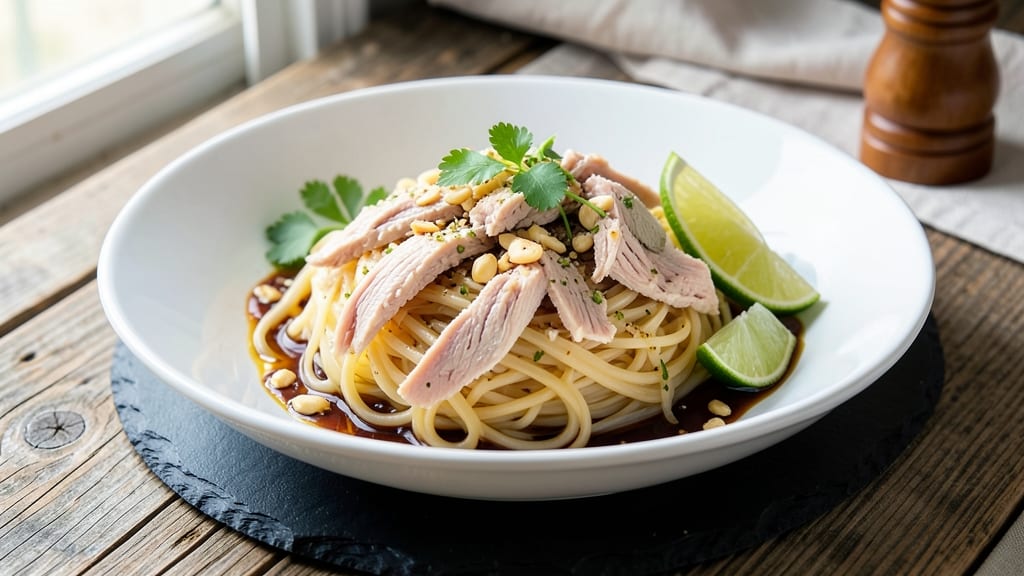
This canned tuna rice noodles recipe delivers a protein-packed, flavorful meal in just 15 minutes—perfect for busy weeknights when you need something satisfying without the fuss.
The secret lies in balancing the natural umami of canned tuna with bright, fresh seasonings that transform simple ingredients into a dish that feels restaurant-inspired. No fancy techniques required, just smart flavor combinations that elevate this pantry staple into something special.
With al dente rice noodles as the base, you’ll mix in flaked tuna, a zesty dressing of lime and soy, and optional toppings like chili flakes or fresh herbs to customize the flavor profile.
The result is a light yet filling meal that’s versatile enough for lunch or dinner—whether you keep it simple or add a creamy twist with a dollop of mayo or coconut milk. Let’s get cooking!
Ingredients for canned tuna rice noodles
Here’s what you’ll need to turn pantry staples into a restaurant-worthy meal in minutes.
| Ingredient | Amount | Notes |
|---|---|---|
| Rice Noodles 🍜 | 8 oz | Thin or medium width, uncooked |
| Canned Tuna in Water 🐟 | 2 cans | Drained, flaked with fork |
| Lime Juice 🍋 | 2 tbsp | Freshly squeezed, zesty |
| Soy Sauce 🥢 | 2 tbsp | Low-sodium preferred |
| Sesame Oil 🫒 | 1 tbsp | Toasted for aroma |
| Garlic Cloves 🧄 | 3 cloves | Minced, fresh preferred |
| Fresh Ginger 🌿 | 1 tbsp | Grated, peeled |
| Mayonnaise 🥛 | 2 tbsp | Optional, for creaminess |
| Red Chili Flakes 🌶️ | 1 tsp | Adjust for heat |
| Fresh Cilantro 🌿 | ¼ cup | Chopped, stems removed |
| Green Onions 🧅 | 3 whole | Thinly sliced, white and green parts |
| Salt 🧂 | ½ tsp | Kosher or sea salt |
| Black Pepper 🌶️ | ¼ tsp | Freshly ground |
| Vegetable Oil 🫒 | 1 tbsp | For wok or pan |
The rice noodles are your canvas—Thai Kitchen brand or Martini’s are my go-tos, but any thin or medium-width works. Look for packages labeled ‘rice noodles’ or ‘vermicelli’—avoid the thick, chewy kind meant for pho. Fresh ginger and garlic are non-negotiable here; Trader Joe’s sells pre-peeled ginger slices, which saves time. For the tuna, stick with water-packed (not oil) unless you’re craving extra richness—just drain it well and flake with a fork. The sesame oil might be in the Asian aisle, but don’t confuse it with regular sesame oil; Kadoya makes a great toasted version.
No fresh ginger? Substitute 1 tsp ground ginger, but it won’t have the same zing. Skip the mayo for a lighter dish, or swap it for coconut milk if you’re feeling tropical. The chili flakes can be omitted entirely if you’re sensitive to heat, but trust me, they’re what turns this from ‘meh’ to ‘wow.’ For extra crunch, toss in toasted peanuts or crushed wonton chips—whatever you’ve got in the pantry. And if you’re out of soy sauce, coconut aminos work in a pinch, though the flavor will be slightly sweeter.
Rice noodles cook in 3-5 minutes—set a timer and don’t overcook, or they’ll turn mushy. Store any leftovers in an airtight container with a damp paper towel to keep them from drying out; they’ll stay good for 2 days in the fridge. For meal prep, I like making a big batch of the dressing separately and storing it in a small jar—just toss it with fresh noodles and tuna when you’re ready to eat. The lime juice is the only thing that won’t keep well, so add that fresh each time.
Why You'll Love This Recipe
- Pantry-to-Table Magic: I swear by this one—just noodles, tuna, and a splash of lime. No chopping, no waiting for veggies to soften, just boil, drain, toss, done. The kind of meal that saves me when I’m staring at an empty fridge at 7:30 PM.
- Umami Bomb: That little squeeze of lime brightens the whole dish, but here’s the secret: the soy sauce and sesame oil turn the tuna into something ridiculously flavorful. It’s not just canned tuna—it’s a punch of savory, salty, and a little nutty all in one bite.
- Lunchbox Hero: Between us, this is my go-to for packed lunches or last-minute dinner guests. The noodles hold up for days, and the lime keeps it from getting soggy. Plus, my kid adds hot sauce packets—she approves, and that’s the real test.
- Budget Noodle Win: Honestly, I make this twice a week. A can of tuna, a bag of noodles, and spices I already have? For under $3 a serving, it’s my secret weapon when groceries feel tight. Leftovers? Even better cold the next day.
Step-by-step instructions for quick tuna rice noodles
Here's how to make restaurant-style rice noodles in record time with minimal effort.
Prepare the Aromatics and Protein
Heat the 1 tablespoon vegetable oil in a large wok or skillet over medium-high heat until shimmering. Add the 3 cloves minced garlic and 1 tablespoon grated fresh ginger, cooking for 30-45 seconds until fragrant but not browned. This quick cooking preserves their fresh flavor without burning.
Push the aromatics to one side of the pan and add the 2 cans drained, flaked tuna in water, spreading it evenly. Cook for 1-2 minutes until the tuna is warmed through and slightly crispy at the edges. The tuna should maintain its flaky texture—overcooking turns it rubbery. Keep the pan on heat as we'll build the sauce right here.
Build the Flavor Base
Pour in the 2 tablespoons lime juice, 2 tablespoons soy sauce, and 1 tablespoon sesame oil, stirring vigorously to combine. The mixture will sizzle slightly as the acid reacts with the oil. Add the 1 teaspoon red chili flakes and let everything cook together for 1 minute until the sauce thickens slightly and coats the tuna.
I like to taste at this stage to adjust seasoning. If it needs more brightness, add a splash more lime juice. If it's too acidic, a tiny bit more soy sauce balances it. The sauce should be tangy, umami-rich, and just slightly spicy—this is the foundation of the dish.
Cook the Rice Noodles Perfectly
While the sauce simmers, bring a separate pot of water to a rolling boil. Add the 8 oz rice noodles and cook for exactly 2 minutes—these thin noodles cook faster than you'd expect. Drain immediately in a colander and rinse briefly with cold water to stop the cooking process. The noodles should be tender but still hold their shape when drained.
Real talk: Don't overcook them. Rice noodles continue cooking when they hit the hot sauce, and mushy noodles ruin everything. The moment they float to the surface and look translucent, drain them. Work quickly now—we're on a timeline.
Combine Everything
Add the drained noodles to the wok with the tuna mixture and toss vigorously with tongs for 1-2 minutes until everything is evenly coated. The residual heat from the pan will finish cooking the noodles perfectly. Stir in the 2 tablespoons mayonnaise (if using) and 0.25 cup chopped fresh cilantro, folding gently to incorporate without breaking the noodles.
Here's where the magic happens: The mayonnaise adds a luxurious creaminess that balances the bright, tangy flavors. If you skip it, the dish still works—it's just slightly lighter. Taste again and adjust seasoning with the 0.5 teaspoon salt and 0.25 teaspoon black pepper if needed. The noodles should be coated in a glossy, flavorful sauce.
Finish and Serve Immediately
Divide the noodles among 4 bowls and top each serving with 3 thinly sliced green onions (both white and green parts). The green onions add a fresh, crisp contrast to the rich noodles. Serve immediately while everything is hot—this dish doesn't wait. The texture contrast of the crisp green onions against the tender noodles and flaky tuna makes every bite exciting.
For maximum flavor impact, I like to serve this with a side of pickled vegetables or a simple cucumber salad. The acidity from the pickles cuts through the richness of the noodles beautifully. And don't forget to make extra—this recipe disappears fast when people realize how good it is.
Pro Tips For Making Canned Tuna Rice Noodles
- Drain Noodles Well: Rice noodles cling like glue if you skip this. Rinse them under cold water, then drain and press out excess moisture with a clean kitchen towel—no soggy, mushy texture here.
- Crush Tuna Gently: Flake the tuna with a fork instead of mashing it. You want chunks, not paste—this keeps texture and makes every bite more satisfying. (Yes, I used to force it into a smooth mess. Don’t.)
- Balance the Lime: Start with half the lime juice, taste, then add the rest. Too much turns your dish into a sad, tangy puddle. (Pro move: zest a strip in too—brightens the whole plate.)
- Toast the Noodles: After draining, spread them on a dry pan for 30 seconds over medium heat. The edges crisp just enough to add depth—no extra oil needed, just a quick shake. (Sounds weird, but it works.)
Best sauces and condiments for these flavors
Classic Soy-Lime Dressing
This bright, tangy sauce is the backbone of your dish. I always start with 2 tablespoons lime juice (freshly squeezed!) and 2 tablespoons soy sauce—the acidity cuts through the richness of the tuna, while the soy adds that essential umami.
Add 1 tablespoon toasted sesame oil for depth and a nutty aroma. The 1 teaspoon red chili flakes brings heat that wakes up every bite. Taste as you go—if it needs more brightness, squeeze in another ½ teaspoon lime juice.
This dressing works for all variations, but it’s especially magical with the creamy mayo twist. 🍋
Creamy Mayo Twist
For a richer texture, stir in 2 tablespoons mayonnaise at the end. The mayo adds a luxurious silkiness that balances the sharp lime and salty soy. I like to use Duke’s or Hellmann’s for their neutral taste—no weird aftertastes here.
If you’re avoiding dairy, swap it for 2 tablespoons coconut milk or even a spoonful of Greek yogurt for a tangy alternative. The key is to fold it in gently so the noodles stay intact. This version feels like a restaurant dish without the effort. 🥛
Spicy Sriracha Kick
Crank up the heat with 1 tablespoon sriracha mixed into your soy-lime dressing. I like to balance it with 1 teaspoon honey or agave to soften the burn while keeping the sweet-spicy contrast.
For extra depth, add ½ teaspoon fish sauce—it’s salty and funky, but don’t skip it unless you’re avoiding umami. This version pairs perfectly with a side of quick-pickled cucumbers to cool the palate. Trust me, the heat disappears fast when you’re done eating. 🌶️
Creamy Peanut Sauce
For a Southeast Asian-inspired twist, blend 2 tablespoons creamy peanut butter, 1 tablespoon soy sauce, 1 teaspoon lime juice, and ½ teaspoon sriracha with 1 tablespoon warm water until smooth. Drizzle this over your noodles and tuna, then top with crushed peanuts and chopped cilantro.
The peanut sauce adds a rich, nutty layer that’s totally addictive. I use Smucker’s Natural peanut butter for its smooth texture—no graininess here. 🥜
Herb-Infused Oil
Take your dish to the next level with a quick herb-infused oil. Heat 1 tablespoon vegetable oil with 1 clove minced garlic and 1 teaspoon chopped fresh herbs (like Thai basil or mint) for 30 seconds.
Drizzle this fragrant oil over your finished noodles right before serving. The herbs add a fresh, aromatic finish that brightens every bite. I love using Thai Kitchen’s holy basil for that distinct, slightly peppery flavor. 🌿
Quick Pickled Toppings
Pickled veggies cut through the richness like nothing else. Thinly slice ½ cup carrots and daikon radish, then soak in ¼ cup rice vinegar, 1 teaspoon sugar, and a pinch of salt for 15 minutes. Drain and toss with 1 teaspoon sesame seeds.
The tangy crunch adds a refreshing contrast to the creamy noodles. I make a big batch and keep it in the fridge for up to 2 weeks—it’s perfect for so many dishes. ❄️
Nutrition facts
Frequently asked questions
Can I use oil-packed tuna instead of water-packed?
Yes, but drain it extremely well and reduce the sesame oil to ½ tablespoon to avoid overpowering the dish. Oil-packed tuna adds richness, so you might want to skip the mayo or reduce it to 1 tablespoon. The flavor will be slightly more decadent but equally delicious.
How do I make this dish vegetarian?
Swap the tuna for 1 cup cooked chickpeas or tofu, seasoned with ½ teaspoon smoked paprika and a pinch of salt. For extra protein, add ½ cup shredded rotisserie chicken or crumbled tempeh. Keep the soy-lime dressing the same—it works perfectly with plant-based proteins too!
Why do my rice noodles turn mushy?
Overcooking is the #1 culprit! Rice noodles cook in 2-3 minutes max—they finish cooking when they hit the hot sauce. Always drain immediately and rinse with cold water to stop the cooking process. If they’re still too soft, try using fresh noodles (they hold up better than dried) or reduce the cooking time by 15 seconds next time.
Can I meal prep this ahead of time?
Prep the dressing and cook the noodles separately, then store them in airtight containers for 2 days. Keep the lime juice separate until serving to prevent sogginess. When ready to eat, reheat the noodles with a splash of water, drain, and toss with the dressing and tuna. The texture won’t be as perfect as fresh, but it’s still tasty!
What’s the best way to add extra protein?
Try adding ½ cup shredded rotisserie chicken, ½ cup cooked shrimp, or ¼ cup crumbled feta cheese for a Mediterranean twist. For a vegan option, stir in ½ cup edamame or marinated tofu after cooking. Just heat any additions with the tuna to ensure they’re fully cooked and flavorful.