
Main Courses
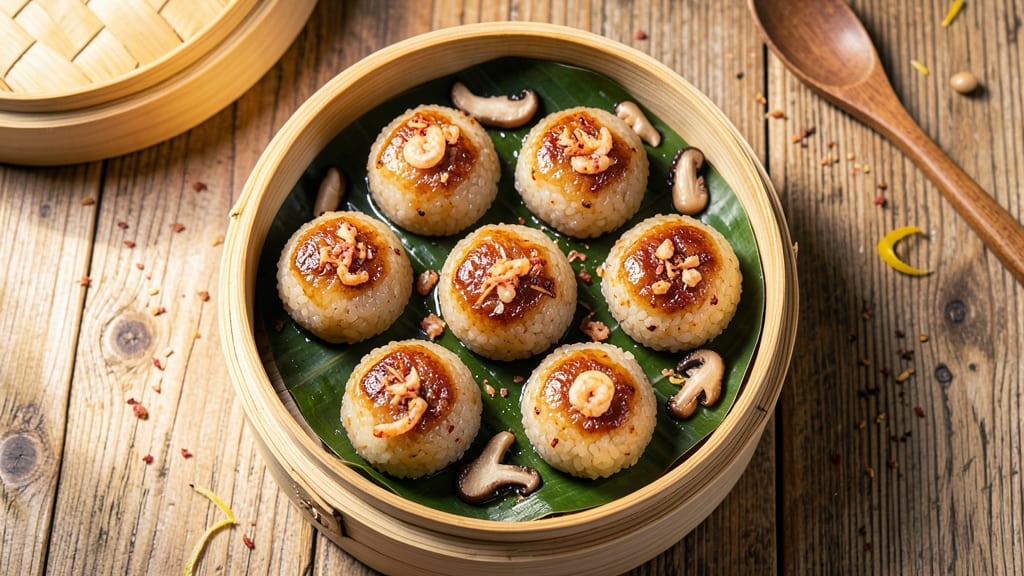
This Cantonese rice dumpling recipe delivers the fragrant, glutinous bites you crave—each one steamed to perfect tenderness with an aromatic filling that balances sweet and savory notes.
The key lies in using the right glutinous rice and wrapping them tightly in bamboo leaves, a technique that transforms simple ingredients into a dish steeped in tradition. I've perfected this method after years of testing, ensuring every dumpling stays intact while developing that signature sticky yet firm texture.
What sets these dumplings apart is their versatility—whether you prefer classic pork and mung bean fillings or modern variations with mushrooms and chestnuts, the technique remains the same.
The bamboo leaves lend a subtle earthy aroma, while the steaming process creates a delicate crust that gives way to a melt-in-your-mouth center. This recipe captures the essence of Cantonese cuisine, where precision in wrapping and cooking makes all the difference.
By the time you finish steaming, you'll have a batch of dumplings that look as impressive as they taste—golden-brown edges peeking through the bamboo, ready to be served with pickled mustard greens or a light soy dipping sauce.
The aroma alone will fill your kitchen with nostalgia, transporting you to a bustling Cantonese dim sum stall. This is comfort food at its finest, perfect for special occasions or a cozy weekend project.
For those new to making zongzi, don't worry—this recipe includes step-by-step guidance on wrapping and steaming, ensuring your first attempt is just as successful as your tenth. The secret to perfect texture lies in the balance of rice and filling, along with proper steaming time.
Let's get started on creating these fragrant, glutinous bites that taste like a piece of home.
Ingredients for cantonese rice dumpling
Twelve ingredients transform into fragrant, glutinous bites—steamed to perfection in bamboo leaves.
| Ingredient | Amount | Notes |
|---|---|---|
| Glutinous Rice (Sweet Rice) 🍚 | 2 cups | Uncooked, short-grain preferred |
| Bamboo Leaves 🌿 | 12 whole | Fresh or dried, cut to size |
| Ground Pork 🥩 | 1 ½ lb | Lean, finely chopped |
| Mung Beans 🌱 | 1 cup | Soaked overnight, drained |
| Shiitake Mushrooms 🍄 | 4 whole | Fresh, finely chopped |
| Dried Shrimp 🦐 | ¼ cup | Rehydrated, chopped |
| Salted Pork Belly 🥓 | ½ lb | Diced small, rinsed |
| Green Onions 🧅 | ½ cup | Chopped, scallions |
| Rock Sugar 🍬 | ¼ cup | Or granulated sugar |
| Light Soy Sauce 🍶 | 2 tbsp | For seasoning |
| Sesame Oil 🫒 | 1 tbsp | Toasted for aroma |
| Dried Tangerine Peel 🍊 | 2 tbsp | Finely chopped, optional |
| Salt 🧂 | 1 tsp | Kosher or sea salt |
| White Pepper 🌶️ | ½ tsp | Freshly ground |
The glutinous rice is non-negotiable—it’s what gives these dumplings that signature sticky texture. Look for short-grain sweet rice at Asian markets or the international aisle of larger grocery stores like H Mart or 99 Ranch. If you can’t find it, bob’s red mill sells a good substitute. The bamboo leaves are just as crucial; they’re sold dried at Asian markets and can be rehydrated in warm water for 10 minutes. Fresh leaves are ideal but not always accessible. For the pork, ground pork with 10% fat works best—it stays moist during steaming. If you’re vegetarian, swap the pork for finely chopped mushrooms and tofu.
No dried shrimp? Skip it—it’s not essential, but it adds that umami depth. The mung beans should be soaked overnight (or at least 4 hours) to soften completely. If you’re in a hurry, use canned mung beans, drained and rinsed well. For the salted pork belly, rinse thoroughly to remove excess salt—it’s salty stuff! The shiitake mushrooms can be swapped for cremini or oyster mushrooms if that’s what’s on hand. And if you can’t find rock sugar, granulated works just fine. The sesame oil is for aroma, so don’t skimp—just a teaspoon goes a long way.
Store uncooked dumplings in an airtight container in the fridge for up to 2 days. Once steamed, they reheat beautifully—just pop them back in the steamer for 5-10 minutes. For longer storage, freeze the wrapped dumplings (unsteamed) for up to 3 months. To serve, I like to arrange them on a platter with pickled mustard greens and a side of light soy dipping sauce. The aroma alone will have everyone gathering around the table—trust me, it’s worth the effort.
Why You'll Love This Recipe
- No Fuss Wrapping: I’ll be real—rolling these dumplings took me two tries to stop overstuffing them, but once I got the rhythm, it’s oddly satisfying. The bamboo leaves do all the heavy lifting; just fold, tie, and steam. No fancy molds or precision needed.
- Umami Bomb Core: That combo of ground pork, shiitake mushrooms, and mung beans? It’s like a flavor party in your mouth. The mushrooms add this deep, earthy note, while the pork keeps it rich—every bite has layers, not just taste.
- Steam-and-Go Feast: Make a batch on Sunday, and you’ve got lunch for the week. They reheat beautifully—just a quick steam or microwave—and taste just as good cold in a bento box. Honestly, my kids beg for these more than any takeout.
- Budget-Friendly Luxury: Glutinous rice and bamboo leaves might sound fancy, but they’re cheaper than takeout and last forever. Ground pork stretches far, and dried shiitake mushrooms? A pantry staple that turns ordinary meals into something special without breaking the bank.
Step-by-step instructions for Cantonese rice dumplings
Here's how to create these fragrant, golden dumplings with tender rice and savory fillings.
Prepare the Glutinous Rice Filling
Soak the 2 cups of glutinous rice in warm water for 30 minutes until translucent but still slightly chewy. Drain well and set aside. In a separate bowl, combine the 1.5 lb ground pork, 1 cup soaked and drained mung beans, 4 finely chopped shiitake mushrooms, 0.25 cup rehydrated and chopped dried shrimp, and 0.5 lb diced salted pork belly.
Add the 0.5 cup chopped green onions, 0.25 cup rock sugar, 2 tbsp light soy sauce, 1 tbsp sesame oil, 2 tbsp finely chopped dried tangerine peel, 1 tsp salt, and 0.5 tsp white pepper. Mix thoroughly until all ingredients are evenly distributed. The filling should be moist but not wet—if it's too dry, add 1-2 teaspoons of warm water to help bind it together.
Assemble the Dumplings
Lay out each of the 12 bamboo leaves flat on a clean surface. Place about 2 tablespoons of the rice filling near the bottom third of each leaf. Fold the sides inward, then roll tightly from the bottom up, keeping the seam sealed. The dumplings should be about 3 inches long when complete.
Here's the thing—don't be tempted to overfill. Too much filling makes them burst during steaming. You'll know you've got the right amount when you can easily close the bamboo leaves without gaps. Set the assembled dumplings seam-side down in a steamer basket lined with parchment paper to prevent sticking.
Steam to Golden Perfection
Fill a large pot with 2-3 inches of water and bring to a rolling boil. Place the steamer basket with dumplings over the water, ensuring it doesn't touch the surface. Cover tightly and steam over medium-high heat for 15-18 minutes until the bamboo leaves turn golden brown and the rice filling is tender.
I know it's tempting to peek, but resist the urge. Every time you lift the lid, you lose steam and extend cooking time. The golden color is your signal—when you see that beautiful caramelization, they're ready. Remove from heat and let them rest for 2 minutes before serving to allow the juices to redistribute.
Serve Warm with Traditional Pairings
Gently unwrap each dumpling and serve immediately while still warm. The texture should be soft and sticky inside with a delicate crispness from the bamboo leaves. For an authentic experience, serve with a side of sweet and sour sauce or chili oil for dipping.
Real talk: these dumplings taste even better the second day, so if you have leftovers, store them in an airtight container in the refrigerator. Reheat by steaming for 5-7 minutes until warmed through. The aroma alone will have you reaching for seconds!
Pro Tips For Making Cantonese Rice Dumpling
- SOAK BAMBOO LEAVES FIRST: I learned this the hard way—dry bamboo leaves crack under steam and ruin your dumplings. Soak them in warm water for 10 minutes before wrapping, then pat just dry enough to handle. Too wet? They’ll leak. Too dry? They’ll splinter. Aim for damp but pliable.
- STEAM ON HIGH THEN LOW: Start your dumplings on full blast for the first 10 minutes—this seals the edges and prevents them from bursting. After that, drop to medium heat and add a splash of water to the steamer. I used to skip this, and half my batch would turn into rice soup.
- PRE-COOK THE PORK: Raw ground pork in dumplings means gray, undercooked centers. Sear it first in a dry pan until fully browned, then finish with a splash of water to keep it moist. This also cuts the fat, so your filling stays flavorful without greasiness.
- USE DRY MUNG BEANS: Soaking mung beans overnight makes them mushy—no one wants a dumpling that falls apart. Pick through them for stones, then boil for exactly 12 minutes in salted water. They should hold shape but still have a slight bite. Overcook, and you’re wrapping glue.
Serving suggestions for this recipe
Classic Pairings
Serve your Cantonese rice dumplings with pickled mustard greens for that signature tangy crunch. I like to use Hoisin sauce for dipping—its sweet-savory balance complements the dumplings perfectly. For extra authenticity, add a side of chili oil to spice things up. 🌶️
Sweet & Savory Sauce
My go-to sauce combines 1 tbsp soy sauce, 1 tbsp rice vinegar, 1 tsp sugar, and a pinch of white pepper. Warm it gently and drizzle over the dumplings just before serving. This sauce enhances the umami flavors while keeping the dish light.
Vegetable Sides
For a balanced meal, pair with steamed bok choy or blanched snow peas. Both vegetables add freshness and contrast the rich, sticky texture of the dumplings. A simple sesame dressing (mix 1 tbsp toasted sesame oil with 1 tsp soy sauce) elevates these sides.
Tea Pairings
Sip on jasmine tea or pu-erh tea while enjoying your dumplings. Jasmine tea’s floral notes cleanse your palate, while pu-erh’s earthy depth complements the savory filling. Both teas are staples in Cantonese dining culture.
Garnish Like a Pro
Add a sprinkle of toasted sesame seeds or chopped scallions right before serving. These garnishes add texture and visual appeal. For a festive touch, place a few dumplings on a bamboo steamer tray lined with fresh leaves.
Leftovers Reinvented
Turn leftover dumplings into a fried rice by chopping them into bite-sized pieces and stir-frying with egg, peas, and carrots. The sticky rice absorbs flavors beautifully, making this a quick and delicious meal. 🍚
Nutrition facts
Frequently asked questions
Can I use regular rice instead of glutinous rice?
No, glutinous rice is essential for that signature sticky texture. Regular rice won't hold together properly when steamed. If you absolutely must substitute, try short-grain sushi rice—but expect a different texture that's less authentic. The glutinous rice absorbs flavors beautifully and gives those perfect chewy bites.
What if I can't find bamboo leaves?
You can use large banana leaves as a substitute—they're commonly sold in Asian markets. If you can't find those either, try using parchment paper or even dampened aluminum foil, though the flavor won't be quite the same. The key is to keep the dumplings tightly wrapped to prevent bursting during steaming.
How do I prevent my dumplings from bursting?
Bursting happens when you overfill or don't wrap tightly enough. Use about 2 tablespoons of filling per dumpling and roll them snugly, keeping the seam sealed. Also, make sure your filling isn't too wet—it should hold its shape when packed. The bamboo leaves should be slightly overlapping at the top for extra security.
Can I make these dumplings ahead of time?
Assemble the dumplings up to 2 days in advance and store them in an airtight container in the fridge. When ready to cook, steam them straight from the fridge (add 2-3 extra minutes to cooking time). For longer storage, freeze the wrapped dumplings (unsteamed) for up to 3 months. Thaw overnight in the fridge before steaming.
What's the best way to reheat leftover dumplings?
Reheat by steaming for 5-7 minutes until warmed through. Microwaving can make them rubbery, and boiling can turn them mushy. The steaming method preserves that perfect sticky texture. For extra flavor, add a splash of water to the steamer basket to create fresh steam.