
Main Courses
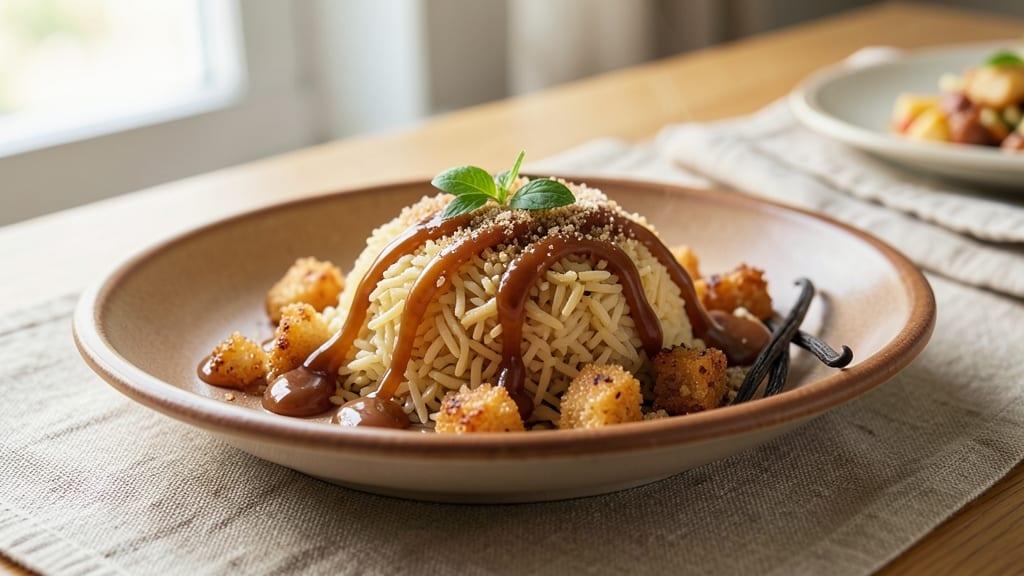
This caramel rice recipe transforms simple basmati into a sweet, buttery masterpiece with just 15 minutes of hands-on time. The key lies in balancing sugar, butter, and liquid ratios to create that signature golden caramelization without burning.
I developed this version after years of perfecting the technique—it's the kind of dish that elevates any meal from ordinary to extraordinary.
The result is perfectly cooked rice with a glossy, caramelized surface that's crispy at the edges yet tender inside, all while maintaining the grain's natural texture. This recipe works equally well as a side for grilled chicken or as a standalone dish with toasted nuts for added crunch.
The sweetness is subtle enough to complement savory proteins while standing out as a flavorful centerpiece.
Ingredients for caramel rice
Eleven ingredients, one perfect caramelized texture. The secret lies in precise ratios and timing.
| Ingredient | Amount | Notes |
|---|---|---|
| Long-Grain Basmati Rice 🍚 | 1 cup | Uncooked, rinsed thoroughly |
| Unsalted Butter 🧈 | 4 tbsp | European-style preferred for flavor |
| Granulated White Sugar 🍚 | ½ cup | Fine grain for even caramelization |
| Water 💧 | 1 ½ cups | Room temperature preferred |
| Light Brown Sugar 🍚 | 2 tbsp | Packed for accurate measurement |
| Vanilla Extract 🍯 | ½ tsp | Pure, high-quality vanilla |
| Diamond Crystal Kosher Salt 🧂 | ¼ tsp | Fine grain for even distribution |
| Toasted Slivered Almonds 🌰 | ¼ cup | For garnish, lightly toasted |
| Extra-Virgin Olive Oil 🫒 | 1 tbsp | For finishing drizzle |
| Freshly Ground Black Pepper 🌶️ | ⅛ tsp | Freshly cracked for aroma |
| Lemon Zest 🍋 | 1 tsp | From organic lemon |
The rice is the foundation, so Calrose or Mahatma basmati from Whole Foods or specialty stores delivers the best texture. Look for grains that are plump and uniform—broken kernels will disrupt the caramelized surface. For the butter, Plugrá or Kerrygold brands melt more smoothly, preventing grain separation. Sugar is non-negotiable here; Domino or Florida Crystals white sugar caramelizes more predictably than raw or turbinado varieties. Store your rice in an airtight container with a bay leaf to prevent staling.
No vanilla extract? Vanilla bean paste at half the amount works beautifully, though it's thicker. Substituting brown sugar for white? Reduce by one tablespoon to compensate for moisture content. The almonds can be swapped for pecans or walnuts, but toast them first—raw nuts lack the necessary crunch. For a dairy-free version, replace butter with coconut oil, though the flavor will differ slightly. If you're short on time, pre-rinsed rice from a package saves steps, but rinsing fresh rice removes excess starch for that signature caramelized crust.
This rice reheats beautifully—just add a splash of water and cover for 5 minutes. Keeps in the fridge for 4-5 days sealed tightly, though texture softens over time. For longer storage, freeze portions in single-serving containers with a sprinkle of salt to prevent moisture loss. The caramelized layer is delicate; serve immediately after cooking for maximum crispness at the edges. Garnish with toasted nuts and a drizzle of olive oil just before serving to preserve that restaurant-quality finish.
Why You'll Love This Recipe
- Sweet Simplicity: I swear by this recipe because it’s basically foolproof—just rice, butter, sugar, and water. No fancy techniques, no constant stirring. Honestly, I’ve burned rice before trying to get it just right, but this? Toss in the ingredients, let it simmer, and walk away.
- Buttery-Sweet Magic: That perfect balance of crispy edges and gooey caramel? Chef’s kiss. The brown sugar adds depth while the white sugar keeps it bright, and the butter? It turns this into something dangerously addictive—like dessert disguised as a side dish.
- Weeknight Workhorse: Between us, this is my go-to when I’m too tired to plan. Serve it alongside grilled chicken for dinner, or pile it onto toast for breakfast (yes, really). It’s the kind of dish that makes me look like I tried hard, even when I didn’t.
- Budget-Friendly Leftovers: A single batch stretches for days—my kids will eat it cold for lunch, and I’ll reheat it for breakfast. Plus, the ingredients cost next to nothing. Not the prettiest, but the taste makes up for it every time.
Step-by-step instructions for sweetened basmati with buttery crunch
Mastering this caramel rice requires precision in timing and technique to balance sweetness and texture perfectly.
Toast the Rice and Create the Caramel Base
In a heavy-bottomed saucepan, melt the 4 tbsp unsalted butter over medium heat until it foams and turns golden. Add the 1 cup long-grain basmati rice, stirring constantly for 2-3 minutes until the grains turn translucent at the edges and release their nutty aroma. This dry toasting prevents mushiness and develops deeper flavor.
Immediately add the 0.5 cup granulated white sugar and 2 tbsp light brown sugar, stirring vigorously for 1 minute until the sugars dissolve completely and the mixture becomes a thick, golden caramel. You'll see the butter and sugar combine into a glossy paste—this is your flavor foundation. If the caramel starts to darken too quickly, reduce the heat slightly to prevent burning.
Add Liquid and Cook to Perfect Texture
Pour in the 1.5 cups water and bring to a gentle boil. Once boiling, reduce heat to low, cover the pan with a tight-fitting lid, and let it simmer for 15 minutes. During this time, resist the urge to peek—steam buildup is crucial for even cooking. The rice should absorb the liquid and develop a creamy, slightly sticky texture.
After 15 minutes, remove the lid and stir in the 0.5 tsp vanilla extract, 0.25 tsp diamond crystal kosher salt, and 0.125 tsp freshly ground black pepper. The vanilla will infuse warmth, the salt will enhance all flavors, and the pepper adds a subtle complexity. Let the rice cook uncovered for another 5 minutes to allow any remaining moisture to evaporate, ensuring each grain is distinct and tender.
Finish with Lemon Zest and Olive Oil
Transfer the cooked rice to a serving dish and let it cool slightly for 2 minutes. This resting period allows the flavors to meld. Drizzle evenly with the 1 tbsp extra-virgin olive oil while stirring gently to distribute it throughout the grains. The oil adds a silky finish and balances the sweetness.
Finally, sprinkle the 0.25 cup toasted slivered almonds and 1 tsp lemon zest over the top. The almonds provide a delightful crunch contrast, while the lemon zest brightens the dish with its citrusy aroma. Serve immediately while the rice is still warm for the best texture and flavor combination.
Optional Garnish and Serving
For an elevated presentation, arrange the caramel rice on a platter and garnish with an additional sprinkle of almonds and a few thin lemon slices. The visual contrast of the golden caramel against the bright citrus creates an appealing dish that's perfect for both everyday meals and special occasions.
This caramel rice pairs beautifully with grilled proteins, roasted vegetables, or even as a standalone dessert when served with a scoop of vanilla ice cream. The balance of sweet, buttery, and slightly tangy flavors makes it a versatile side dish that will impress any guest.
Pro Tips For Making Caramel Rice
- STIR THE CARAMEL FAST: Once you add sugar to the butter, crank the heat to medium-high and keep a wooden spoon moving—constantly. I learned this the hard way when my first batch turned into a sticky mess because I got distracted. If it starts to bubble too aggressively, pull it back slightly, but don’t let it sit. The goal is a deep amber color, not burnt sugar.
- USE LESS WATER THAN YOU THINK: Basmati rice absorbs moisture differently than white rice. For every cup of uncooked rice, use just 1 cup of water—not the 1.5 or 2 cups you might see elsewhere. Too much water turns caramel rice soggy, and you’ll end up with a mushy, gluey disaster. Trust the rice’s natural starch to do the work.
- DON’T SKIP THE BUTTER REST: Let the unsalted butter melt completely and cool just slightly before adding sugar. Cold butter makes the caramel seize up, and you’ll be scraping burnt bits off the pan. If you’re in a rush, melt it in the microwave for 30 seconds first—just don’t skip the rest. Your caramel will thank you.
- TOAST THE RICE FIRST: Before adding water, spread the raw basmati rice in a dry skillet over medium heat for 2-3 minutes, stirring often. This step deepens the nutty flavor and prevents clumping. I was skeptical until I tried it—I now make it a habit for every grain dish. The texture stays distinct, and the caramel clings better.
Storing and reheating this caramel rice
Fridge Storage Tips
Store your caramel rice in an airtight container with a tight-fitting lid to preserve moisture and texture. I recommend glass Pyrex containers—they maintain freshness longer than plastic. Let the rice cool completely before sealing to prevent condensation, which can make it soggy.
Keep it refrigerated at 40°F or below for up to 4-5 days, though the caramelized edges may soften slightly over time. 🥫
Freezer-Friendly Method
For longer storage, portion the rice into single-serving freezer bags or small airtight containers. Leave ½ inch of headspace to prevent expansion cracks. Sprinkle a pinch of kosher salt on top before freezing—this helps retain texture by drawing out excess moisture.
Caramel rice freezes well for up to 3 months, though I suggest reheating within 2 months for best results. 🧊
Stovetop Reheating
My preferred method is reheating on the stovetop to restore that crispy caramelized crust. Transfer the rice to a skillet over low heat, add 1-2 tablespoons of water, and cover with a lid.
Let it steam for 5-7 minutes, stirring occasionally. If it looks dry, add a splash more water. The residual heat will reactivate the caramelized sugars for that golden finish. 🔥
Microwave Revival
For quick reheating, use the microwave on 50% power to avoid drying out the rice. Cover with a damp paper towel and heat in 1-minute intervals, stirring between each, until reaching 165°F.
Add 1 teaspoon of water or butter if the rice seems too dry. The microwave method is faster but may soften the caramelized edges more than stovetop reheating. ⏰
Preserving Crispy Edges
The key to maintaining that signature crispy texture is timing and technique. After reheating, transfer the rice to a serving dish and broil in the oven for 1-2 minutes at 350°F—this reactivates the caramelization.
For extra crunch, sprinkle with toasted nuts or a drizzle of olive oil right before serving. The contrast of warm, crispy edges with tender rice is what makes this dish special. 💫
Make-Ahead Serving
If prepping for a meal, cook the rice 1 day ahead and store it as directed. Before serving, finish with a fresh garnish of lemon zest and toasted almonds to brighten the flavors.
This approach works especially well for holiday feasts or dinner parties, where you can focus on other components while the rice reheats effortlessly. 🍽️
Nutrition facts
Frequently asked questions
Can I use short-grain rice for this recipe?
Short-grain rice like sushi rice will work, but the texture will be stickier and less distinct. For the signature caramelized crust and separate grains, stick with long-grain basmati or jasmine. If you must use short-grain, reduce the water by ¼ cup and cook for 12 minutes instead of 15 to prevent mushiness.
Why did my caramel rice turn out too sweet? Too much sugar is the usual culprit. The recipe balances 0.5 cup white sugar and 2 tbsp brown sugar for a subtle sweetness. If yours was overwhelming, try reducing the white sugar to ¼ cup next time. Also,
Can I make this recipe dairy-free?
Replace the 4 tbsp butter with 4 tbsp coconut oil or vegan butter. For extra richness, add 1 tbsp maple syrup to compensate for the reduced dairy flavor. The texture will be slightly different but still delicious—just avoid expecting the same buttery depth.
How do I prevent the rice from burning during caramelization?
Watch the heat closely and stir constantly for those critical 1-2 minutes when melting sugar and butter. If the mixture darkens too quickly, immediately reduce the heat to low or remove the pan from the heat source. A heavy-bottomed saucepan helps distribute heat more evenly and reduces hot spots.
What's the best way to serve this caramel rice?
This dish shines as a side for grilled chicken, pork chops, or even as a dessert with vanilla ice cream. For a complete meal, pair it with roasted vegetables or a simple salad. The sweetness balances savory proteins beautifully, while the crunchy almonds add texture contrast.