
Main Courses
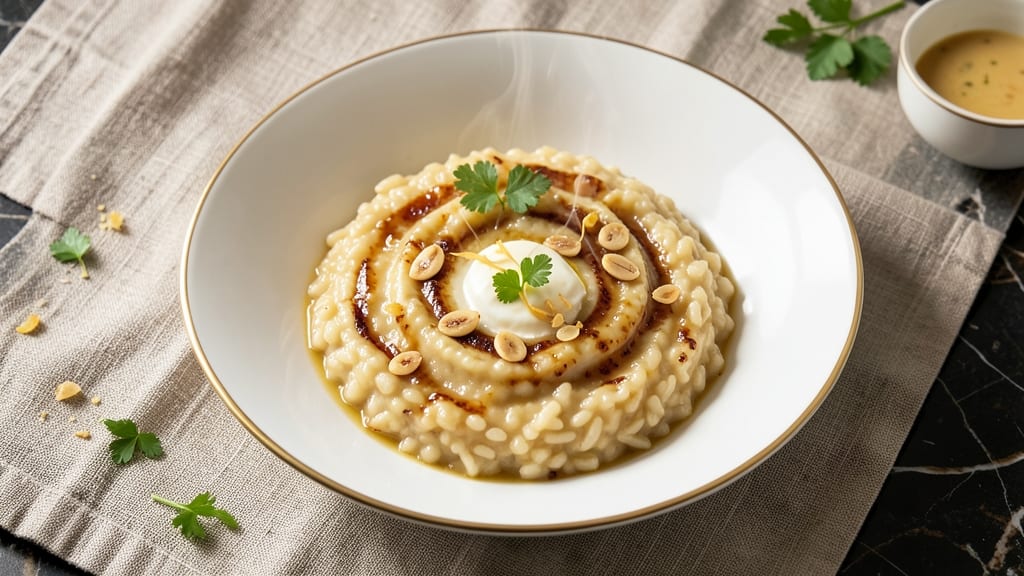
This Carnaroli rice risotto recipe delivers the creamy, velvety texture that makes risotto worth the effort—without the guesswork. The secret lies in toasting the rice first, which unlocks its natural starches for that signature crema consistency. I’ve perfected this method over years of testing, ensuring every bite is rich, buttery, and perfectly al dente.
Carnaroli’s high starch content transforms simple broth into luxurious creaminess, while the mantecatura finish (butter and cheese) elevates it to restaurant-quality. Whether you pair it with mushrooms, seafood, or meat, this technique guarantees foolproof results—no overcooking, no grainy texture, just pure, velvety perfection. Let’s make it.
Ingredients for carnaroli rice risotto
Creamy Carnaroli rice demands precise ingredients for velvety perfection—each plays a role in that signature al dente texture and luxurious finish.
| Ingredient | Amount | Notes |
|---|---|---|
| Carnaroli Rice 🍚 | 1 ½ cups | Uncooked, high starch content preferred |
| Vegetable Broth 💧 | 6 cups | Low-sodium, homemade or high-quality |
| Unsalted Butter 🧈 | ½ cup | European-style, cold for toasting |
| Shallots 🧅 | 1 whole | Finely minced, 2 tbsp total |
| Garlic Cloves 🧄 | 3 cloves | Minced, fresh preferred |
| Dry White Wine 🍷 | ½ cup | Sauvignon Blanc or Pinot Grigio |
| Parmesan Cheese 🧀 | ¾ cup | Freshly grated, aged 24+ months |
| Extra-Virgin Olive Oil 🫒 | 2 tbsp | For finishing, fruity variety |
| Diamond Crystal Kosher Salt 🧂 | 1 ½ tsp | Adjust to taste, add gradually |
| Fresh Thyme Leaves 🌿 | 1 tbsp | Chopped, or 1 tsp dried |
| Mushrooms 🍄 | 8 oz | Cremini or shiitake, sliced |
| Lemon Zest 🍋 | 1 tsp | Fresh, for bright finish |
The Carnaroli rice is non-negotiable here—its high starch content transforms simple broth into luxurious creaminess. Look for Arborio or Carnaroli specifically labeled for risotto at specialty stores like Whole Foods or Eataly, as regular Arborio won't yield the same texture. The mushrooms add earthy depth; shiitake or cremini work best, but avoid button mushrooms—they're too mild. For the wine, any dry white with acidity (Sauvignon Blanc or Pinot Grigio) prevents a flat finish. The Parmesan should be aged 24+ months—you'll taste the difference in that nutty complexity.
No Carnaroli? Arborio rice is your second choice, but expect slightly less creaminess. Substitute the wine with extra vegetable broth (same acidity), though it'll lack the bright finish. For mushrooms, portobello or oyster mushrooms work well if cremini aren't available. The thyme can be dried at one-third the amount, but fresh is ideal—it brightens the dish. If you're vegetarian, ensure your broth is vegetable-based (chicken broth will add meaty notes). The butter should be cold when toasting—it releases flavor without burning.
Risotto reheats beautifully—just add a splash of broth and warm gently. Store in an airtight container for 3-4 days in the fridge, though it's best enjoyed fresh. The Parmesan keeps for weeks in the fridge once grated, but the mushrooms should be used within 2 days of slicing. For make-ahead prep, toast the rice and store separately until ready to cook—this saves 20 minutes of active time. The lemon zest can be prepped ahead and stored in the freezer for up to 1 month.
Why You'll Love This Recipe
- No-Fuss Technique: I swear by this method—just toast the shallots and garlic in butter until golden, then add the Carnaroli rice and let it bloom. No constant stirring, no stress. The rice does all the work while you sip your wine.
- Rich Umami Magic: That crispy edge on the Carnaroli? Chef’s kiss. The butter and shallots caramelize into something deep and savory, while the garlic sneaks in layers of warmth. It’s the kind of flavor that makes you close your eyes mid-bite.
- Weeknight to Dinner Party: Same recipe, different vibes. Toss in mushrooms for a cozy Tuesday, or add a splash of white wine and Parmesan for a fancy Friday. Honestly, it’s my go-to when I need something that feels special without the fuss.
- Budget-Friendly Luxury: Carnaroli might sound fancy, but a bag lasts forever—this recipe uses less than a cup. Butter and shallots stretch further than you’d think, and broth keeps it affordable. Feels like a splurge, costs like a steal.
Step-by-step instructions for Carnaroli rice risotto
Master the art of risotto with these precise techniques for creamy texture and perfectly toasted grains.
Toast the Carnaroli Rice and Aromatics
Heat a heavy-bottomed pot over medium heat and add 2 tablespoons extra-virgin olive oil and 2 tablespoons unsalted butter. Once the butter melts and foams subside, add the 1 whole shallots (finely minced) and 3 cloves garlic (minced). Cook for 3-4 minutes until the shallots soften and become translucent, but don't let them brown.
Add the 1.5 cups Carnaroli Rice and stir for 1-2 minutes until the grains turn opaque and develop a slight golden color. This toasting step builds flavor and prevents a raw taste in your finished risotto. The rice should smell nutty and toasted—this is your signal to proceed to the next step.
Deglaze and Add Broth Gradually
Pour in the 0.5 cup dry white wine and stir constantly until fully absorbed by the rice. This deglazing step removes any remaining starch from the bottom of the pot and adds acidity to balance the richness. Return the heat to medium-low and begin adding the 6 cups vegetable broth one ladle at a time.
After each addition, stir vigorously until the liquid is almost completely absorbed before adding more. This gradual process creates the signature creamy texture by allowing the rice to release starch slowly. The cooking time between each addition should be about 4-5 minutes. Keep a close eye on the pot—the rice should always be coated in liquid but working quickly to absorb it.
Incorporate Mushrooms and Seasoning
When you've added about half of the broth (approximately 3 cups), stir in the 8 oz sliced mushrooms and 1 tablespoon chopped fresh thyme leaves. Cook with the remaining broth until the mushrooms soften and release their moisture. The mushrooms should be tender but still hold their shape, contributing earthy depth to the risotto.
Add the remaining 1.5 teaspoons Diamond Crystal kosher salt and 1 teaspoon lemon zest to the pot. The salt should be added gradually to taste, as risotto can vary in saltiness based on the broth used. The lemon zest adds a bright, fresh finish that cuts through the richness. Stir well to distribute the seasoning evenly throughout the rice.
Achieve Al Dente Texture
Continue adding broth one ladle at a time, stirring constantly, until the rice reaches al dente texture. This should take approximately 18-20 minutes of total cooking time from when you first added the broth. The grains should be tender but still have a slight bite in the center when bitten.
To test for doneness, taste a grain of rice. It should be creamy on the outside but still firm in the center. If the rice is undercooked, add more broth and continue cooking. If it's overcooked, remove from heat immediately to prevent mushiness. The risotto should have a velvety consistency with individual grains still visible.
Finish with Butter and Parmesan
Once the rice is al dente, remove the pot from heat and stir in the remaining 3 tablespoons unsalted butter and 0.75 cup freshly grated Parmesan Cheese. The butter adds luxurious richness while the Parmesan provides a salty, umami depth. Stir vigorously to create a glossy, creamy finish that coats each grain of rice.
Let the risotto rest for 1-2 minutes to allow the flavors to meld together. Serve immediately, garnished with additional Parmesan and a sprinkle of fresh thyme. The risotto should be creamy yet distinct with each grain separate, offering a perfect balance of texture and flavor in every bite. The toasted grains should provide a subtle crunch that contrasts beautifully with the creamy body.
Pro Tips For Making Carnaroli Rice Risotto
- STIR LIKE YOUR LIFE DEPENDS ON IT: I learned this the hard way—skipping the constant stirring is how I ended up with a gummy mess. Once the rice hits the pan, keep that wooden spoon moving in a figure-eight pattern, scraping the bottom every 30 seconds. The goal? No stuck bits, no burnt shallots, just even toasting and gradual absorption.
- TOAST THE RICE UNTIL IT GLITTERS: Don’t just toss the Carnaroli in and walk away. Cook it in the butter with shallots and garlic until the grains look translucent at the edges and the butter coats them like a thin, nutty film—this takes 3-4 minutes with medium heat. I was skeptical until I tried it: that toasted flavor is the foundation of a proper risotto.
- BROTH TEMPERATURE MATTERS MORE THAN YOU THINK: Cold broth is the enemy of creamy risotto. Keep your vegetable broth simmering in a separate pot, not boiling—you want it hot enough to cook the rice but not so aggressive it turns it mushy. I used to pour room-temp broth straight in, and the texture always suffered. A ladleful of piping-hot broth per stir is non-negotiable.
- DEGLAZE WITH WHITE WINE FIRST: Yes, even if you’re skipping alcohol, a splash of dry white wine (or extra broth) right after toasting the rice is worth it. It lifts the shallots’ flavor and loosens the fond stuck to the pan—just let it evaporate completely before adding broth. I skip this when I’m lazy, but the dish is noticeably brighter when I don’t.
Perfect pairings for these flavors
Mushroom Pairing
Earthy mushrooms elevate this risotto beautifully. I recommend 8 oz cremini or shiitake mushrooms, sliced and sautéed halfway through cooking. Their umami depth complements the buttery rice perfectly. For extra richness, add 1 tbsp truffle oil when stirring in the mushrooms. 🍄
Protein Additions
For a heartier meal, stir in 6 oz grilled chicken breast or 8 oz seared scallops during the final 5 minutes of cooking. The protein absorbs the creamy sauce while staying tender. If using seafood, add it just before the mantecatura finish to prevent overcooking.
Vegetable Sides
A simple arugula salad with lemon vinaigrette cuts through the richness. Toss 4 cups baby arugula with 2 tbsp olive oil and 1 tbsp lemon juice. Roasted asparagus with garlic and chili flakes also pairs wonderfully. Both add freshness to balance the creamy risotto. ✨
Bread Match
Serve with warm crusty sourdough or focaccia for dipping. Toast a baguette with garlic butter and sprinkle with fresh parsley for an easy, delicious pairing. The bread soaks up any extra sauce while adding a satisfying crunch.
Wine Pairings
A crisp Pinot Grigio or Sauvignon Blanc complements the risotto's creamy texture. The acidity in these whites cuts through the richness beautifully. For red wine lovers, a light Pinot Noir works surprisingly well. Avoid heavy, oaky wines that would overpower the dish. 🍷
Cheese Course
Finish the meal with a simple burrata salad topped with heirloom tomatoes and balsamic glaze. The creamy cheese contrasts perfectly with the risotto's texture. For a lighter option, serve aged pecorino with honey and walnuts to cleanse the palate.
Nutrition facts
Frequently asked questions
Why does Carnaroli rice work better than Arborio for risotto?
Carnaroli rice has a higher starch content than Arborio, which creates a creamier texture without becoming mushy. Its larger grains also hold their shape better, giving you that perfect al dente bite with a velvety sauce. The extra starch means you'll get that luxurious crema finish with less effort!
Can I use chicken broth instead of vegetable broth?
Yes, but expect a slightly meatier flavor. Chicken broth works well if you're serving the risotto with protein like chicken or mushrooms. For a vegetarian version, stick with vegetable broth or mushroom broth for depth. The key is using low-sodium broth so you can control the seasoning!
What's the secret to getting that perfect creamy texture?
The secret lies in two things: toasting the rice first (until nutty) and adding broth gradually. Stir constantly and only add more broth when the rice has almost fully absorbed the previous addition. The mantecatura (butter and cheese finish) also creates that glossy, creamy coating on each grain.
How do I fix risotto that's turned out too dry?
If your risotto is too dry, simply add 2-3 tablespoons of warm broth and stir gently until absorbed. The key is to work quickly—don't let it sit too long, or it may become mushy. For future attempts, keep a small pot of broth warm on the stove to add as needed.
Can I make this risotto ahead of time?
Risotto is best served fresh, but you can prep ahead by toasting the rice and storing it separately. When ready to cook, just add the wine and broth as directed. For leftovers, reheat gently with a splash of broth and stir until creamy. The texture won't be as perfect as fresh, but it's still delicious!