
Main Courses
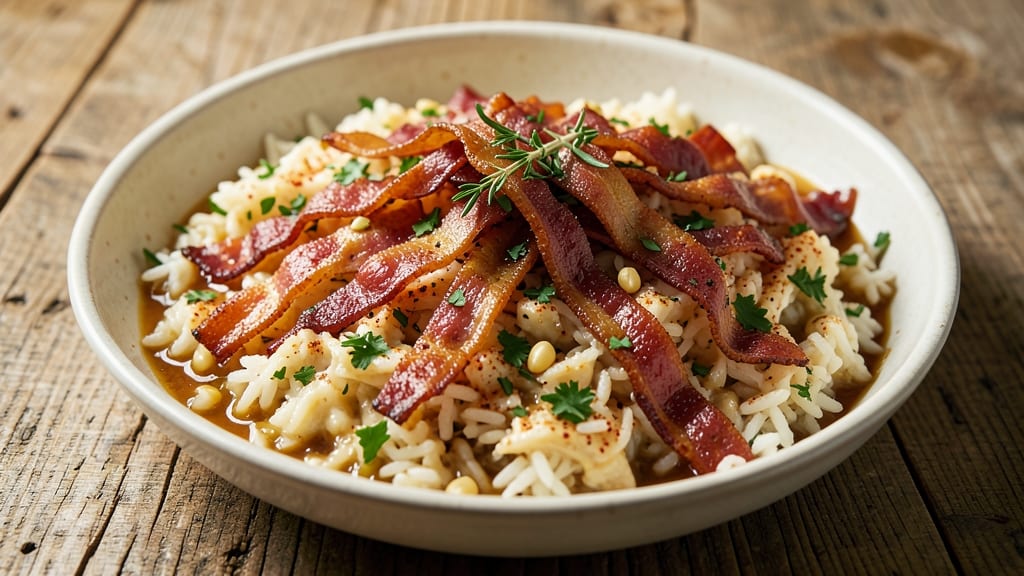
This Carolina Plantation Rice transforms simple grains into a smoky, herb-infused centerpiece that belongs on Southern tables. The secret lies in toasting the rice until golden, then simmering it in rich broth with bacon fat and smoked paprika—a technique passed down through generations.
Every bite delivers nutty, toasted grains wrapped in a savory gravy that clings perfectly, making it the ideal companion to fried chicken or barbecue.
What sets this dish apart is its layered flavor profile: the deep aroma of toasted rice, the smoky warmth of paprika, and the herby brightness of thyme and parsley.
Using a 1:2 rice-to-liquid ratio ensures each grain stays distinct yet tender, while the gravy ties everything together with a velvety finish. This isn’t just a side dish—it’s a tradition, elevated by simple techniques that deliver restaurant-quality results at home.
Ingredients for carolina plantation rice
Essential ingredients for Carolina Plantation Rice—where smoky depth meets herby brightness in perfectly toasted grains.
| Ingredient | Amount | Notes |
|---|---|---|
| Long-Grain White Rice 🌾 | 1 cup | Uncooked, medium grain preferred |
| Smoked Paprika 🌶️ | 1 tbsp | High-quality, not smoked paprika blend |
| Fresh Thyme Leaves 🌿 | 1 tbsp | Or 1 tsp dried thyme |
| Fresh Parsley Leaves 🌿 | ¼ cup | Chopped, for finishing |
| Chicken Broth 💧 | 2 cups | Low-sodium, homemade preferred |
| Bacon Fat 🥓 | 2 tbsp | From cooked bacon, rendered |
| Unsalted Butter 🧈 | 2 tbsp | Cold, cubed for toasting |
| Garlic Cloves 🧄 | 2 cloves | Minced, for aromatic base |
| Diamond Crystal Kosher Salt 🧂 | 1 tsp | Adjust to taste |
| Black Peppercorns 🌶️ | ½ tsp | Freshly cracked |
| Heavy Cream 🥛 | ¼ cup | Full-fat for richness |
| Bay Leaves 🍃 | 1 whole | Removed before serving |
The rice selection matters here. Medium-grain white rice achieves that ideal texture—neither mushy nor crunchy. For the bacon fat, thick-cut bacon renders the most flavor; I prefer Oscar Mayer or Applewood smoked for that authentic Southern touch. Smoked paprika should be single-origin—avoid blends that include cayenne unless you want heat. Fresh thyme and parsley elevate the dish, but dried herbs work in a pinch at one-third the amount. The chicken broth should be rich; homemade with roasted chicken bones delivers the best depth, though Swanson or Pacific Foods brands are reliable shortcuts.
No bacon fat? Rendered duck fat or olive oil works, though bacon's smokiness is irreplaceable. Short on thyme? Dried marjoram at half the amount offers a similar earthy note. The heavy cream can be swapped for half-and-half if you prefer a lighter finish. For the rice-to-liquid ratio, stick to 1:2—this ensures each grain stays distinct yet tender. The bay leaves add subtle complexity; remove them before serving to avoid bitterness. If your kitchen lacks fresh herbs, freeze them in oil for up to 3 months to preserve flavor.
Toasted rice keeps its nutty aroma best when stored in an airtight container for up to 4 days. The gravy, once thickened, reheats beautifully—simply add a splash of broth and warm through. For make-ahead convenience, prepare the rice and gravy separately and combine before serving. The dish freezes exceptionally well for up to 3 months; thaw overnight in the fridge for the best texture. Garnish with fresh parsley just before serving to maintain vibrant color and aroma.
Why You'll Love This Recipe
- One-Pot Magic: I swear by this recipe because it’s basically foolproof—just rice, broth, and a handful of herbs simmering together. No fancy techniques, no constant stirring. Honestly, the only thing I mess up is forgetting to taste-test the broth first.
- Smoky Depth Fast: That smoked paprika? It’s the secret weapon—gives the rice this warm, earthy kick without overpowering. The thyme and parsley finish it off with brightness, like a hug for your taste buds. (Yes, even on a Tuesday night.)
- Meal Prep MVP: This rice reheats like a dream, so I make a big batch on Sundays and toss it into lunches all week. It’s the perfect side for grilled chicken, fried fish, or even just a simple salad when I’m lazy.
- Budget-Friendly Staple: Long-grain rice and chicken broth won’t break the bank, and the herbs stretch the flavor. I’ll be real: my grocery bill stays sane, and the leftovers? They disappear faster than I can say “second helping.”
Step-by-step instructions for carolina plantation rice
This method delivers perfectly toasted grains with a rich, smoky herb gravy that captures the soul of Southern cooking.
Toast the Rice with Bacon Fat and Butter
Heat a heavy-bottomed skillet over medium-high heat until it's very hot. Add the 2 tablespoons bacon fat and 2 tablespoons unsalted butter, allowing them to melt completely. This combination creates the ideal fat balance for crispy edges and rich flavor.
Add the 1 cup long-grain white rice and stir constantly for 3-4 minutes until each grain turns a beautiful golden brown. You'll smell the nutty aroma of the toasted rice—this step is crucial for developing depth of flavor. If the rice starts to brown too quickly, reduce heat slightly to prevent burning. Stir frequently to ensure even toasting.
Sauté Aromatics and Season the Rice
Add the 2 cloves minced garlic cloves to the skillet and cook for 30 seconds until fragrant but not browned. Immediately add the 1 tablespoon smoked paprika, 1 tablespoon fresh thyme leaves, 1 whole bay leaves, 1 teaspoon diamond crystal kosher salt, and ½ teaspoon freshly cracked black peppercorns.
Stir everything together for 1 minute until the spices are evenly distributed and the garlic releases its aromatic oils. The rice should be thoroughly coated with the spice mixture. This aromatic base forms the flavor foundation for the entire dish. Remove the skillet from heat briefly if needed to prevent scorching.
Deglaze and Simmer with Broth
Return the skillet to medium heat and carefully pour in the 2 cups chicken broth. Stir immediately to release any browned bits from the bottom of the pan—this deglazing step captures concentrated flavor. Bring the mixture to a gentle boil, then reduce heat to low and cover with a tight-fitting lid.
Simmer for 15 minutes without lifting the lid. The rice should absorb the broth slowly and evenly. After 10 minutes, check for doneness by lifting a grain—it should be tender but still slightly firm in the center. If the rice appears undercooked, continue simmering for another 2-3 minutes. The rice should be cooked through but still have a slight bite.
Finish with Cream and Fresh Herbs
Remove the skillet from heat and stir in the ¼ cup heavy cream. The cream will create a luxurious, velvety texture that contrasts beautifully with the toasted rice. Add the ¼ cup chopped fresh parsley leaves and stir gently to distribute evenly. Remove the bay leaves before serving.
Let the rice rest for 5 minutes covered, allowing the flavors to meld completely. The final texture should be creamy yet distinct with each grain separate. For best results, serve immediately while the gravy is still warm and the rice maintains its perfect texture.
Pro Tips For Making Carolina Plantation Rice
- TOAST THE RICE FIRST: Before adding broth, dry-toast the rice in your pot for 2-3 minutes over medium-high heat—just until it smells nutty. I learned this the hard way when my rice turned mushy; the starch needs to break down first, or you’ll end up with gluey rice instead of that perfect, separate-grain texture.
- USE UNSALTED BROTH: Skip the salted broth unless you’re adding extra salt later. My grandmother swore by this, and she was right: unsalted broth gives you full control over seasoning. If you’re using smoked paprika (which adds depth but not salt), taste the broth first—you’ll need to adjust, and it’s easier with unsalted.
- STIR ONLY ONCE: After adding broth, stir just once—don’t fuss with it. I know, I know, it’s tempting, but every time you stir, you release more starch and risk gummy rice. Let it sit undisturbed for 15 minutes before fluffing with a fork.
- FINISH WITH COLD BUTTER: Right before serving, stir in 2 tablespoons of cold butter (yes, even if you’re impatient like me). It coats the grains, makes them glossy, and balances the smoky paprika. Skip this, and your rice will taste flat—trust the process.
Dietary considerations for these flavors
Gluten-Free Adaptations
Carolina Plantation Rice is naturally gluten-free, but you’ll want to verify your ingredients. Use certified gluten-free chicken broth like Pacific Foods or Imagine brands to avoid cross-contamination. For extra insurance, check your smoked paprika and bacon fat labels—some brands process in shared facilities.
The dish remains safe for gluten-sensitive diets as long as you avoid thickeners like flour-based roux. 🌾
Low-Carb Options
A traditional serving contains about 50g net carbs per cup, but you can reduce this by 30% by swapping half the rice for cauliflower rice. Use 1 cup cauliflower rice mixed with ½ cup long-grain white rice to cut carbs while keeping texture.
For flavor, add 1 extra tbsp bacon fat to compensate for the cauliflower’s milder taste. The dish still delivers that smoky depth but with fewer carbs.
Dairy-Free Substitutes
The heavy cream and butter create the dish’s richness, but full-fat coconut milk makes an excellent dairy-free alternative. Replace the ¼ cup heavy cream with ¼ cup coconut milk and use olive oil instead of butter for toasting.
For the gravy, add 1 tsp nutritional yeast to mimic the umami depth of cream. The flavor remains rich but adapts perfectly to vegan diets.
Allergen-Friendly Tips
For nut allergies, ensure your smoked paprika is nut-free—some brands process in shared facilities. If you’re avoiding garlic, substitute with 1 tsp garlic powder or asafetida (hing) for a similar savory note.
For soy allergies, use chicken broth instead of soy-based stocks. Always check labels on bacon fat—some brands use soy-based additives in their processing.
Protein Boosts
Add ½ cup cooked shrimp or crumbled bacon to turn this side into a main dish. For extra protein, stir in ¼ cup cooked lentils after simmering—just ensure they’re well-drained to avoid excess moisture.
The lentils add heartiness without altering the dish’s signature smoky flavor. This works especially well for high-protein or vegetarian adaptations.
Nutrition facts
Frequently asked questions
Why is toasting the rice so important in this recipe?
Toasting the rice develops its natural nutty flavor and creates those beautiful golden edges that make this dish special. The process also helps prevent the rice from becoming mushy by building a slight crust around each grain. This step is what gives Carolina Plantation Rice its distinctive texture and depth of flavor.
Can I make this recipe without bacon fat?
Yes, but you'll need to find a suitable substitute. Use rendered duck fat, olive oil, or avocado oil for toasting instead. For the smoky flavor, add an extra ½ teaspoon smoked paprika to compensate. The dish will still be delicious, though the bacon fat's unique richness will be missing.
How do I know when the rice is perfectly cooked?
The rice should be tender but still have a slight bite in the center when you lift a grain after 15 minutes of simmering. If it's still crunchy, cook for another 2-3 minutes covered. Overcooking will turn it mushy—this rice should be separate yet creamy from the gravy.
What's the best way to store leftovers?
Store cooked rice in an airtight container in the refrigerator for up to 4 days. For longer storage, freeze it for up to 3 months in a sealed container. When reheating, add a splash of broth or water to prevent drying out—simmer gently until warmed through.
Can I use this rice as a main dish?
Stir in ½ cup cooked shrimp, crumbled bacon, or sautéed mushrooms to make it heartier. For extra protein, add ¼ cup cooked lentils after simmering. The smoky gravy will complement any protein beautifully, making it a satisfying one-dish meal.