
Desserts
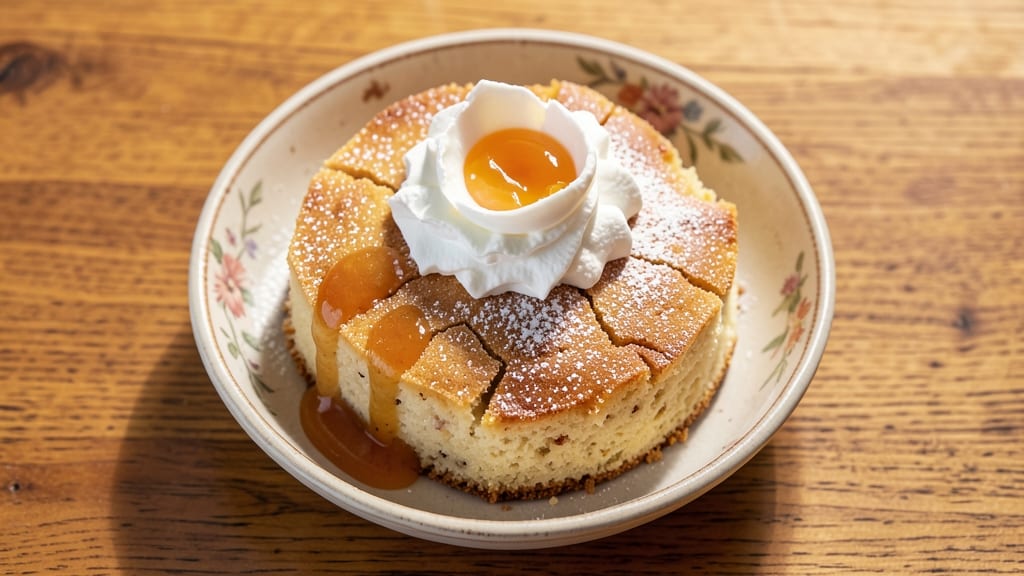
This cassava cake recipe with glutinous rice flour delivers unexpectedly moist layers that defy traditional baking rules—no dry crumb here. The secret lies in the perfect ratio of cassava flour to glutinous rice flour, which creates that signature tropical texture while keeping it light enough to cut like a cloud.
I developed this version after years of experimenting with gluten-free adaptations, and it finally nailed that elusive balance between tender crumb and subtle chew.
The result is a cake that stays perfectly moist for days without turning gummy, thanks to natural starches that retain moisture while the oven temperature does the work.
What makes this recipe stand out is how it transforms simple ingredients into something restaurant-worthy—no heavy dairy, no refined sugar substitutes, just pure tropical flavor. Whether you're baking for a celebration or craving a slice of comfort, this cake delivers every time.
Ingredients for cassava cake recipe with glutinous rice flour
These tropical ingredients transform simple baking into a restaurant-worthy cassava cake delight.
| Ingredient | Amount | Notes |
|---|---|---|
| Cassava Flour 🥔 | 1 ½ cups | Sifted for even texture |
| Glutinous Rice Flour 🍚 | 1 cup | Also called sweet rice flour |
| Granulated Sugar 🍚 | 1 cup | White or light brown |
| Unsweetened Applesauce 🍎 | ½ cup | Substitutes for oil/butter |
| Large Eggs 🥚 | 2 whole | Room temperature preferred |
| Egg Whites 🥚 | 4 large | Freshly separated for stability |
| Coconut Milk 🥥 | ½ cup | Full-fat for richness |
| Vanilla Extract 🌿 | 1 tbsp | Pure vanilla preferred |
| Baking Powder 🧂 | 1 ½ tsp | Aluminum-free recommended |
| Salt 🧂 | ½ tsp | Fine sea salt preferred |
| Lemon Zest 🍋 | 1 tbsp | Freshly grated for brightness |
| Shredded Coconut 🥥 | ½ cup | Toasted for extra flavor |
| Unsweetened Almond Milk 🥛 | ¼ cup | For glaze consistency |
| Powdered Sugar 🍚 | ¼ cup | For glaze sweetness |
The cassava flour is non-negotiable here—it's what gives the cake that signature moist yet tender crumb. Bob's Red Mill or Anthony's Goods are reliable brands for quality cassava flour, and it's worth checking the expiration date since it absorbs moisture easily. Glutinous rice flour, often found in the Asian foods aisle, adds that subtle chew; Mochiko is the brand I always reach for. For the coconut milk, full-fat canned versions work best—they provide that rich, creamy texture without watering down the batter. If you're using powdered milk instead of almond milk for the glaze, make sure it's non-fat to avoid clumping.
No cassava flour? Tapioca starch mixed with cornstarch can substitute at a 1:1 ratio, though the texture will be slightly different. Running short on egg whites? Aquafaba works perfectly—use 3 tablespoons per egg white, whipped to stiff peaks. The applesauce substitution is key for moisture; if you prefer oil, melted coconut oil works equally well. For the vanilla, imitation extract will work in a pinch, but Madagascar bourbon vanilla elevates the flavor profile. The baking powder should be fresh—if it's over a year old, test it by mixing with water to see if it bubbles.
Store the cake in an airtight container at room temperature for up to 3 days, or refrigerate for 5 days if you prefer longer freshness. The glaze can be made ahead and stored separately, then brushed on just before serving. For best results, let the cake cool completely before slicing—this helps maintain that cloud-like texture. If you're making this for a crowd, double the recipe and bake in a 9x13-inch pan instead of the standard 8-inch round pan specified in the instructions.
Why You'll Love This Recipe
- No-Mix Magic: I swear, this batter comes together with just a whisk and a bowl—no food processor, no sifting, no stress. The glutinous rice flour gives it that signature chewy texture without any fuss, and the applesauce keeps it moist without extra oil.
- Sweet Chewy Bliss: That perfect balance of cassava’s neutral bite and glutinous rice’s soft, almost pudding-like center? Ridiculously good. The sugar caramelizes just enough to give it a subtle toasty edge when baked, and the eggs bind it into a cake that’s light but still hearty.
- Make-Ahead Miracle: Honestly, this is my go-to for potlucks or lazy Sundays—bake it once, and it stays fresh for days. The cassava flour actually improves with storage, so leftovers are just as good (if not better) than day one. Slice and serve cold or warm—no reheating required.
- Budget-Friendly Staples: Between us, this recipe uses pantry basics you probably already have. Cassava flour and glutinous rice flour are cheaper than cake mixes, and the applesauce replaces butter without breaking the bank. I’ve made this for 12 people for under $10—no lie.
Step-by-step instructions for cassava cake with glutinous rice flour
This tropical-inspired cake delivers perfect moisture and fluffiness through precise technique.
Prepare the Dry Ingredients Foundation
In a medium bowl, sift together the 1.5 cups cassava flour and 1 cup glutinous rice flour to eliminate any lumps. The cassava flour provides that signature moist texture while the glutinous rice flour creates the delicate, fluffy crumb. Whisk in the 1.5 teaspoons baking powder and 0.5 teaspoon salt until completely combined. This dry mixture forms the structural backbone of your cake.
Set aside this blend for now. The sifting ensures even distribution of ingredients throughout the batter, preventing dense pockets in your final cake. I like to press the mixture through a fine-mesh sieve for maximum aeration—this step makes all the difference in achieving that light, airy texture we're after.
Combine Wet Ingredients for Maximum Moisture
In a separate large bowl, whisk together the 2 whole large eggs and 4 large egg whites at room temperature. The room temperature eggs incorporate more easily and create better volume. Add the 0.5 cup unsweetened applesauce, 0.5 cup coconut milk, 1 tablespoon vanilla extract, and 1 tablespoon lemon zest. Mix until completely homogeneous—this wet mixture will carry all the tropical flavors.
Gradually whisk in the 1 cup granulated sugar until fully dissolved. The applesauce acts as a natural fat substitute while adding moisture, while the coconut milk contributes richness. The lemon zest adds that bright citrus note that balances the sweetness. I find it works best to add the sugar last to prevent any potential curdling of the eggs.
Merge Wet and Dry Ingredients Gently
With the mixer on low speed, gradually add the dry ingredient mixture to the wet ingredients. Mix just until combined—overmixing develops gluten and creates a tough cake. You should still see some flour streaks in the batter. This careful combination preserves the delicate structure we've built through our preparation.
Fold in the 0.5 cup shredded coconut using a spatula. The coconut adds texture contrast and that tropical flavor profile. Be gentle here—you want to maintain as much air as possible in the batter. The batter should be thick but pourable, similar to pancake batter consistency. If it appears too thick, add 1 tablespoon unsweetened almond milk to loosen it slightly.
Bake to Perfect Doneness
Preheat your oven to 350°F and grease a 9-inch round cake pan or line it with parchment paper. Pour the batter into the prepared pan and smooth the top. Bake for 35-40 minutes until a toothpick inserted in the center comes out clean. The cake should spring back gently when pressed in the center.
I recommend checking the cake at the 30-minute mark—ovens vary in temperature accuracy. The edges should be golden brown while the center remains slightly springy. Remove from the oven and let cool in the pan for 10 minutes, then transfer to a wire rack to cool completely. This cooling period allows the cake to set properly and prevents it from becoming gummy.
Prepare the Almond Milk Glaze
While the cake cools, prepare the glaze by whisking together 0.25 cup unsweetened almond milk and 0.25 cup powdered sugar in a small bowl. The glaze should be smooth and slightly thicker than heavy cream consistency. If it's too thick, add 1 teaspoon additional almond milk to achieve the right pouring consistency.
Once the cake is completely cool, carefully pour the glaze over the top and spread evenly with a spatula. The glaze adds that professional finish while keeping the cake moist. For extra presentation, you can sprinkle additional shredded coconut on top before the glaze sets. Let the glaze set for 10-15 minutes before slicing—this ensures it holds its shape when you serve it.
Pro Tips For Making Cassava Cake Recipe With Glutinous Rice Flour
- Mix Dry Ingredients First: I learned this the hard way—adding applesauce or eggs to cassava flour before the dry ingredients creates lumps that never fully dissolve. Whisk the cassava and glutinous rice flour together until no streaks remain, then fold in wet ingredients. The texture stays smooth, not gluey.
- Use Room-Temp Eggs: Cold eggs make the batter too thick and can cause uneven baking. Let your eggs sit out for 30 minutes before mixing—they’ll blend more evenly with the applesauce and sugar, giving you a lighter crumb instead of a dense, gummy center.
- Bake Low and Slow: This isn’t a race. Start at 325°F (160°C) instead of cranking the oven higher—it prevents the outside from browning too fast while the middle stays undercooked. After 20 minutes, tent with foil if the top darkens early; cassava cake needs patience to set evenly.
- Sift the Flours Twice: Glutinous rice flour is heavy and loves to clump. Sift it once before mixing, then sift the cassava flour on top—this cuts out surprises like a rock-hard bite. If you’re lazy (like me), at least press the flours through a fine-mesh strainer with a spoon.
Wine and beer pairings for these flavors
Tropical White Wine
For this cassava cake, I always reach for a dry Riesling from Germany or Austria—its crisp acidity and subtle citrus notes perfectly complement the lemon zest and coconut flavors. A Sauvignon Blanc with its herbal undertones also works beautifully, especially if you want to highlight the tropical elements.
Avoid oaky Chardonnays, as they'll overpower the delicate cake texture. 🍷
Light-Bodied Beer
A crisp Belgian witbier like Stella Artois or Hoegaarden provides a refreshing contrast with its coriander and citrus notes. For a more tropical pairing, try a light lager with a touch of pineapple or passionfruit—brands like Peroni or Corona work perfectly.
The effervescence cleanses the palate between bites of the rich, moist cake.
Creamy Dessert Wine
If you're serving this as a dessert, a Moscato d'Asti or Riesling Spatlese adds a lovely sweetness that enhances the cake's natural flavors. The slight fizziness of Moscato cuts through the richness while complementing the coconut and vanilla.
For a more robust option, a late-harvest Chenin Blanc from South Africa provides both sweetness and acidity in perfect balance.
Non-Alcoholic Options
For non-drinkers, a sparkling pineapple juice with a splash of coconut water mirrors the cake's tropical profile. Alternatively, a hibiscus iced tea (known as agua de Jamaica) offers a tart contrast that refreshes the palate. Both options highlight the cake's citrus and coconut notes without alcohol interference. ✨
Coffee Pairing
Finish the meal with a light roast coffee brewed with a touch of vanilla syrup to echo the cake's flavors. The natural sweetness of the coffee enhances the cake's tropical notes without competing.
For a more exotic touch, try a Kona coffee with its bright acidity and subtle floral undertones—it creates a perfect symphony with the cassava and coconut.
Nutrition facts
Frequently asked questions
Why does this cassava cake stay moist for days?
The secret lies in the combination of cassava flour (which absorbs moisture well) and glutinous rice flour (which creates a tender crumb). The applesauce replaces butter/oil while adding natural moisture, and the coconut milk provides richness without drying out. Plus, the almond milk glaze seals in freshness!
Can I make this cake without eggs?
Yes! Replace the 2 whole eggs + 4 egg whites with 1 cup aquafaba (chickpea brine) whipped to stiff peaks. For structure, add 1.5 teaspoons baking powder + 1 teaspoon cornstarch to the dry mix. The texture will be slightly denser but still delicious.
What's the best way to store leftover cake?
Keep it in an airtight container at room temperature for 3 days, or refrigerate for 5 days to maintain freshness. For longer storage, freeze slices wrapped in plastic for up to 2 months. The glaze stays best at room temperature—reapply if needed before serving.
Can I substitute regular rice flour for glutinous rice flour?
Not recommended—they're completely different! Glutinous rice flour has a higher starch content that creates that signature chewy texture. If you must substitute, use tapioca starch (1:1 ratio) for a similar moisture retention, but the cake will be less tender. The flavor profile will also differ slightly.
How do I prevent the cake from cracking?
Cracking usually happens from sudden temperature changes. Let the cake cool in the pan for 10 minutes before transferring to a rack, and avoid opening the oven door too early. Also, don't overmix the batter—just combine until flour streaks disappear. A water bath (placing the pan in a larger pan with hot water) can also help maintain even moisture.