
Main Courses
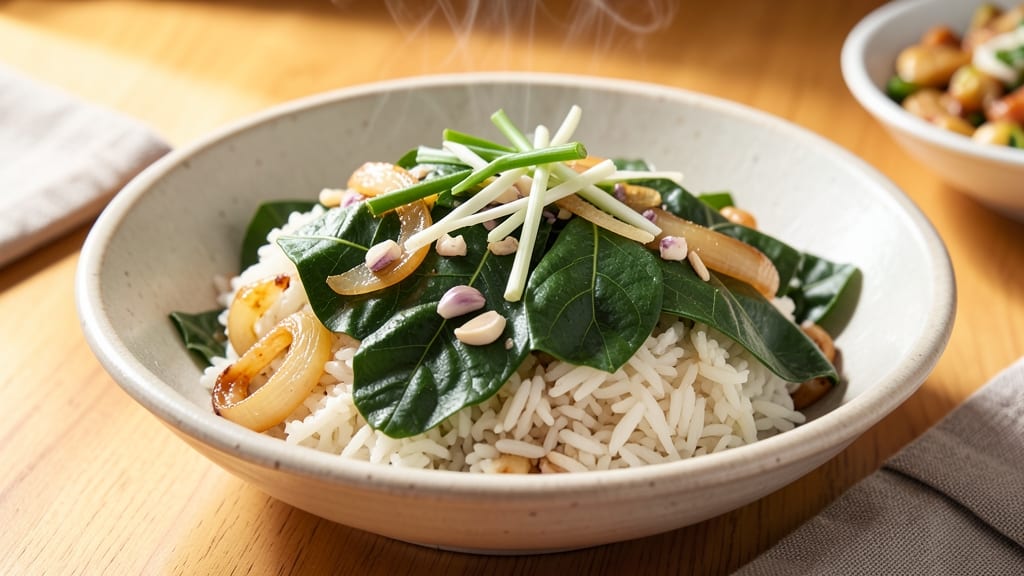
This West African one-pot cassava leaf and rice recipe brings bold flavors and vibrant colors to your table in just one pot. 💛 The cassava leaves—often called "green leaf" in West African cuisine—are packed with nutrients and earthy depth, while the rice absorbs all the aromatic spices and tender greens into a satisfying, hearty dish.
Perfect for a weeknight dinner or a special gathering, this recipe delivers restaurant-quality results without the fuss.
The secret lies in properly preparing the cassava leaves—whether you boil them first for a smoother texture or sauté them with onions and garlic for a more robust flavor.
Combined with long-grain rice and a blend of spices like thyme, scallions, and sometimes a touch of palm oil, this dish becomes a celebration of West African comfort food. Serve it with fried plantains or a side of beans for the ultimate meal experience.
Ingredients for cassava leaf and rice
West African flavors meet one-pot simplicity with these vibrant, nutrient-packed ingredients.
| Ingredient | Amount | Notes |
|---|---|---|
| Long-Grain White Rice 🍚 | 1 ½ cups | Uncooked, rinsed thoroughly |
| Fresh Cassava Leaves 🌿 | 8 oz | Washed, stems removed |
| Yellow Onions 🧅 | 1 whole | Diced, medium size |
| Garlic Cloves 🧄 | 4 cloves | Minced, fresh preferred |
| Fresh Ginger 🌿 | 1 tbsp | Grated, freshly grated |
| Scallions 🧅 | 3 whole | Sliced, green parts included |
| Fresh Thyme 🌿 | 1 tbsp | Chopped, or 1 tsp dried |
| Vegetable Oil 🫒 | ¼ cup | Light or palm oil preferred |
| Water 💧 | 2 ½ cups | Or vegetable broth |
| Salt 🧂 | 1 ½ tsp | Adjust to taste |
| Black Pepper 🌶️ | ½ tsp | Freshly ground preferred |
| Bay Leaves 🍃 | 2 whole | For depth of flavor |
| Fresh Bell Peppers 🍅 | 1 whole | Diced, any color |
| Tomato Paste 🍅 | 1 tbsp | Smooth, no sugar added |
| Lemon Juice 🍋 | 1 tbsp | Freshly squeezed |
Cassava leaves are the star here—fresh is ideal, but frozen works in a pinch. Look for bright green leaves at African markets or specialty grocers like Whole Foods or Eataly. If using frozen, thaw and rinse thoroughly to remove any grit. The rice should be long-grain and uncooked—jasmine or basmati work beautifully. For the spices, Penzeys or bulk bins at natural food stores ensure freshness. Ginger and garlic are non-negotiable for that authentic West African warmth—grate the ginger fresh and mince the garlic finely for even distribution.
No cassava leaves? Spinach or collard greens work as a substitute, though the flavor will differ slightly. Short on thyme? Dried oregano at half the amount gives a similar earthiness. Palm oil hard to find? Vegetable oil or coconut oil both work well. The tomato paste can be skipped if you prefer a less tomato-forward dish, but it adds a nice depth. For extra richness, stir in 1 tbsp of peanut butter at the end—trust me, it elevates everything. The bay leaves add subtle complexity, so don't skip them if you can find them.
This dish tastes even better the next day as flavors meld. Store in an airtight container in the fridge for up to 4 days. For longer storage, freeze portions for 3 months. I like to make a double batch—one for dinner and one to freeze for lazy weeknights. The rice absorbs all the flavors beautifully, so reheat gently with a splash of water or broth to keep it moist. Serve with fried plantains or a side of black-eyed peas for the full West African experience.
Why You'll Love This Recipe
- Fewer Chopping Nights: I swear by this one—just dice the onions and garlic once, then let the cassava leaves wilt in the pot while the rice cooks. No small prep, no stress, just flavor building while you sip your tea.
- Earthy-Garlicky Magic: That first bite of tender cassava leaves with the rice? It’s like a warm hug from your grandma’s kitchen. The ginger and garlic caramelize into something so rich, you’ll forget to stir.
- Lunchbox Hero: Between us, this is my go-to for meal prep. The rice stays fluffy for days, and the leaves keep their bite—perfect for packing with a fried egg or grilled fish. (Yes, even on a Tuesday night.)
- Budget Stretch: A whole bunch of cassava leaves feeds six for half the cost of chicken. Honestly, I make this when I’m pinching pennies, and no one ever complains—just seconds, every time.
Step-by-step instructions for West African one-pot cassava leaf rice
This vibrant dish comes together in a single pot with bold flavors and tender textures.
🍳 Step 1: Sauté Aromatics Until Fragrant
Heat the 0.25 cup vegetable oil in a large pot over medium heat. Add the diced yellow onions and cook for 3-4 minutes until they soften and begin to turn translucent. Here's where the magic starts—you'll smell that sweet, pungent aroma developing.
Add the minced garlic cloves, grated fresh ginger, and chopped fresh thyme. Stir constantly for 1-2 minutes until the garlic turns golden and the mixture becomes deeply fragrant. This step builds the flavor foundation—don't rush it. If the garlic starts to brown too quickly, reduce the heat slightly to prevent burning.
🍳 Step 2: Cook the Bell Peppers and Tomato Base
Add the diced fresh bell peppers to the pot and cook for 4-5 minutes until they soften slightly. Stir in the 1 tbsp tomato paste and cook for another 1-2 minutes, stirring constantly to prevent sticking. This creates a rich, slightly caramelized base that will infuse the rice with deep flavor.
Pour in the 2.5 cups water and add the 2 whole bay leaves, 1.5 tsp salt, and 0.5 tsp black pepper. Bring the mixture to a gentle boil, then reduce heat to low and let it simmer for 5 minutes to allow the flavors to meld together. This pre-cooking step ensures your rice absorbs all the aromatic goodness from the vegetables.
🥘 Step 3: Add Rice and Cassava Leaves
Add the 1.5 cups long-grain white rice to the pot and stir gently to coat the grains with the flavorful liquid. The rice should be fully submerged—if not, add a splash of water. Bring the mixture back to a gentle boil, then reduce heat to low and cover the pot with a tight-fitting lid.
Let the rice cook undisturbed for 10 minutes. Then carefully add the 8 oz fresh cassava leaves, spreading them evenly over the rice. The cassava leaves will wilt and cook down as the rice finishes. Here's the thing—don't stir the cassava leaves once they're added, or they'll turn mushy. Just let them cook gently in the steam.
⏰ Step 4: Simmer Until Rice is Tender and Leaves are Wilted
Continue cooking on low heat for 20-25 minutes, maintaining a gentle simmer. The rice should absorb all the liquid and become tender with a slight bite. The cassava leaves should wilt completely and blend into the rice, adding their earthy, slightly bitter flavor that balances the dish.
After 20 minutes, check the rice for doneness. It should be tender but still have a slight texture—West African rice is typically cooked al dente. If the rice is still firm, cover and cook for another 5 minutes. The cassava leaves should be completely wilted and integrated into the rice by now.
🍽️ Step 5: Finish with Lemon Juice and Rest
Remove the pot from heat and stir in the 1 tbsp lemon juice. This brightens the dish and cuts through the richness of the cassava leaves and rice. Let the one-pot rice rest, covered, for 5 minutes. This resting period allows the flavors to fully meld together and the rice to absorb any remaining juices.
Before serving, fluff the rice gently with a fork and taste. Adjust the seasoning if needed—you might want to add a pinch more salt or a squeeze of extra lemon juice. This vibrant, one-pot dish delivers the perfect balance of textures and flavors, with tender rice, wilted cassava leaves, and aromatic spices in every bite.
Pro Tips For Making Cassava Leaf And Rice
- WILT LEAVES FIRST: Cassava leaves are tough—don’t just toss them raw into the pot. Blanch them in boiling water for 2 minutes first, then shock in ice water. This softens the fibers and keeps them from turning to mush later. (Yes, it’s an extra step, but your rice won’t taste like you chewed on rubber.)
- SAUTÉ ONIONS LOW: High heat caramelizes onions too fast, turning them bitter. Cook them on medium-low until translucent—about 8-10 minutes—before adding garlic. Patience here means the whole dish won’t taste like burnt sugar. (I learned this after one disastrous batch where the onions were black by the time the rice was done.)
- USE GINGER PASTE: Fresh ginger is great, but grating it fine takes time. Make a quick paste with 2 inches of ginger, a splash of water, and a pinch of salt—blend until smooth. It distributes flavor evenly and cuts down on prep. (Your mouth will thank you, especially if you’re skipping the peeling step.)
- RICE TO WATER RATIO: Skip the guesswork—use 1:1.5 rice to water (e.g., 1 cup rice to 1.5 cups water). Cassava leaves release moisture, so undercooking is a real risk. If the rice feels dry after cooking, steam it with a damp towel for 5 minutes. (Trust me, soggy rice is worse than slightly underdone.)
Perfect pairings for these flavors
West African Spice Blends
This dish thrives on bold spices that transport you straight to West African markets. I love using Penzeys Spices for their high-quality thyme and bay leaves.
For extra depth, add ½ tsp ground nutmeg or ½ tsp smoked paprika when sautéing the aromatics. These spices complement the cassava leaves' earthiness beautifully. 🌶️
Don't skip the grated ginger—it's essential for that signature warmth. If you're feeling adventurous, add 1 tsp grated fresh turmeric for a golden hue and subtle earthy flavor. The combination of thyme, garlic, and ginger creates a fragrant base that makes this rice unforgettable.
Protein Pairings
While this dish is vegetarian, it pairs wonderfully with plant-based proteins. I recommend grilled tofu marinated in ginger-soy sauce or spiced chickpeas for a hearty meal. The crispy texture contrasts perfectly with the tender rice. For meat lovers, grilled shrimp or shredded chicken work beautifully too.
If you want to keep it fully plant-based, try black-eyed peas cooked with smoked paprika and garlic. Their creamy texture balances the cassava leaves' slight bitterness. I often serve this rice with fried plantains for a complete West African feast.
Beverage Pairings
A cold hibiscus tea (like Zam Zam brand) is my go-to pairing—its tartness cuts through the dish's richness. For alcohol lovers, West African palm wine or a crisp Sauvignon Blanc from South Africa complement the flavors beautifully. The wine's citrus notes mirror the lemon juice in the recipe.
For a non-alcoholic option, try ginger beer or a mango-lime soda to refresh your palate between bites. The effervescence helps cleanse the palate, making each mouthful of this vibrant rice even more enjoyable.
Side Dish Harmony
Fried green plantains are a must—they add sweetness and contrast the earthy cassava leaves. I like to slice them into ½-inch pieces, fry until golden, and sprinkle with flaky sea salt. Another great option is moist, buttery corn cooked with chili powder and lime zest.
For a lighter side, serve with a cucumber-avocado salad tossed in lime juice and cilantro. The cool, fresh flavors balance the dish's heartiness. I also love adding pickled red onions for a tangy crunch that elevates every bite.
Nutrition facts
Frequently asked questions
Can I substitute cassava leaves with other greens?
Yes! If you can't find cassava leaves, use spinach, collard greens, or Swiss chard as substitutes. However, the flavor will differ slightly—cassava leaves have a unique earthy, slightly bitter taste that's hard to replicate. For the closest match, try dandelion greens or mustard greens, which have a similar texture when cooked.
How do I properly prepare cassava leaves?
Start by washing the leaves thoroughly to remove any dirt. Remove the tough stems, then chop the leaves into 1-inch pieces. For best results, blanch them in boiling water for 2-3 minutes to soften before adding to the rice. This step prevents them from turning mushy and ensures they blend perfectly with the rice. Pro tip: Wear gloves when handling fresh leaves—they can stain your hands!
Why does my cassava leaf rice turn out mushy?
Overcooking or stirring the cassava leaves too much causes mushiness. The key is to add them after the rice has cooked for 10 minutes, then let them steam gently without stirring. If your rice is too soft, try using slightly less water next time and cooking on medium-low heat instead of high. Also, make sure your rice is fully submerged in liquid at the start.
Can I make this recipe without tomato paste?
Skip the tomato paste and add ½ cup diced tomatoes or 1 tbsp tomato sauce instead. For extra depth, stir in 1 tsp soy sauce or ½ tsp smoked paprika to enhance the umami flavors. The dish will still be delicious—just slightly less rich. The lemon juice at the end helps balance any flavor differences.
How long can I store leftovers?
Store leftovers in an airtight container in the fridge for up to 4 days. For longer storage, freeze portions for 3 months. When reheating, add a splash of water or broth to prevent drying out. The flavors actually improve after the first day as the spices meld together—this dish tastes even better reheated!