
Desserts
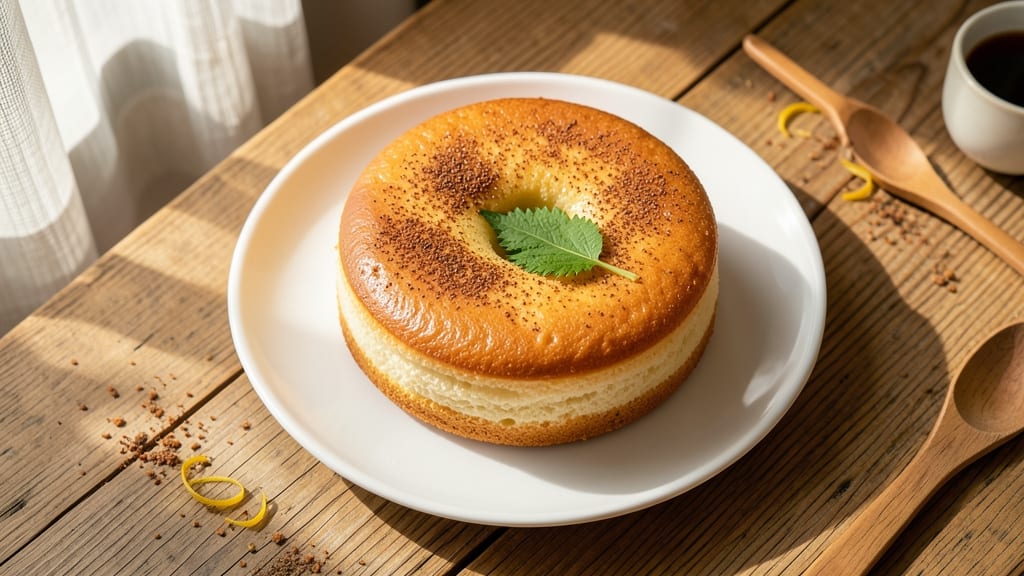
This castella cake recipe transforms your rice cooker into the perfect tool for achieving that signature moist, spongy texture without a single crumb. The key lies in the rice cooker's even heat distribution, which mimics traditional baking while eliminating the need for an oven.
After years of experimenting, I've perfected a method that delivers the delicate crumb and caramelized top castella is known for—all with minimal effort and maximum results.
The secret to success begins with precise ingredient ratios and understanding your rice cooker's heat settings. Unlike traditional baking, this method relies on the rice cooker's ability to maintain gentle, consistent heat throughout the cooking process.
What you'll end up with is a cake that's impossibly tender, with a golden caramelized crust that's worth every minute of the wait. This adaptation proves that you don't need specialized equipment to create restaurant-quality desserts at home.
Ingredients for castella cake recipe rice cooker
The key to perfect castella lies in these precise ingredients—each playing a role in that signature moist crumb and caramelized crust.
| Ingredient | Amount | Notes |
|---|---|---|
| Superfine Sugar 🍚 | 1 ½ cups | For delicate crumb texture |
| Unbleached All-Purpose Flour 🌾 | 1 ½ cups | Sifted for even texture |
| Granulated Sugar 🍚 | ½ cup | For caramelized crust |
| Baking Powder 🧂 | 2 tbsp | Freshly measured |
| Salt 🧂 | ½ tsp | Fine sea salt preferred |
| Large Egg Whites 🥚 | 6 whole | Room temperature preferred |
| Unsalted Butter 🧈 | ½ cup | Cold, cubed for even melting |
| Water 💧 | ½ cup | Room temperature |
| Matcha Powder 🍵 | 1 tbsp | Ceremonial grade preferred |
| Vanilla Extract 🍯 | 1 tsp | Pure vanilla preferred |
| Honey 🍯 | 2 tbsp | For subtle sweetness |
| Kombu Seaweed 🌊 | 1 piece | For umami depth (optional) |
Matcha powder is non-negotiable here—ceremonial grade from Japan gives the best flavor. Marukyu Koyamaen or Ippodo are my go-tos, but any high-quality matcha works. The egg whites? Room temperature is crucial—they whip up faster and hold more air. For the butter, grab European-style unsalted (like Plugrá) if you can find it—it has more fat content for that perfect texture. Kombu seaweed adds a subtle umami depth, but skip it if you're sensitive to seaweed flavors. The honey should be raw and unpasteurized for the best flavor infusion.
No matcha? Instant espresso powder at half the amount works in a pinch, though it won't give that signature green tea flavor. Short on egg whites? Use aquafaba (chickpea brine) at a 1:1 ratio, but whip it longer for volume. The honey can be swapped for agave nectar or maple syrup, though honey's floral notes are ideal. For the butter, vegan butter works too, but it may affect the texture slightly. If you're making this ahead, store the batter in an airtight container for up to 24 hours—it actually improves as it rests.
This cake keeps beautifully—3 days at room temperature wrapped in plastic, or 1 week refrigerated in an airtight container. For longer storage, freeze slices for up to 3 months. The caramelized top is best enjoyed fresh, but the interior stays moist even after reheating. I like to slice it thin and serve with hot green tea—the contrast is divine. If you're nervous about the rice cooker method, practice with a small batch first to get comfortable with the heat settings.
Why You'll Love This Recipe
- No Fuss, Same Magic: I swear, this rice cooker hack cuts my prep time in half—just mix the batter (flour, sugars, baking powder) in a bowl, pour it in, and let the rice cooker do the work. No oven, no fuss, and the texture comes out just right—moist but never gummy.
- Sweet Crisp Perfection: That superfine sugar caramelizes into a golden crust while the inside stays tender, like a cross between a sponge and a cookie. Honestly, the first bite makes me forget I didn’t bake it in an oven.
- Breakfast or Dessert Fix: Serve it warm with butter for a lazy morning treat, or dust it with powdered sugar for an after-dinner bite. My kids grab slices for lunchboxes, and I sneak leftovers for my coffee break—no judgment here.
- Budget Baking Wins: Uses pantry staples (no specialty flours or pricey tools), and a single batch feeds four for days. Between us, this is how I stretch grocery money without sacrificing flavor—plus, the rice cooker’s even heat means no burnt edges to waste.
Step-by-step instructions for castella cake using a rice cooker
This method transforms your rice cooker into a precision oven for a perfectly moist, spongy castella cake.
Prepare the Egg White Mixture for Maximum Volume
In a spotlessly clean, grease-free bowl, combine all 6 whole large egg whites with the 1.5 cups superfine sugar. Using a stand mixer fitted with the whisk attachment, beat on low speed for 1 minute to dissolve all sugar completely. This prevents graininess in your cake.
Gradually increase speed to high and whip for 5-7 minutes until the mixture forms stiff, glossy peaks that hold their shape when the whisk is lifted. You'll notice the mixture thickens dramatically and becomes pale—this is your signal for perfect volume. If you're unsure, test by lifting the whisk: the peaks should stand straight up without collapsing.
In a separate bowl, whisk together the 1.5 cups unbleached all-purpose flour, 2 tablespoons baking powder, 0.5 teaspoon salt, 1 tablespoon matcha powder, and 1 teaspoon vanilla extract. Sift this dry mixture together for a light, airy texture that won't weigh down your cake. Set aside until ready to fold in.
Incorporate Butter and Honey for Rich Moisture
Add the 0.5 cup cold, cubed unsalted butter to the egg white mixture and gently fold using a spatula until fully incorporated. The butter should melt slightly but remain in chunks—this creates pockets of moisture throughout the cake. Then, drizzle in the 2 tablespoons honey and fold until evenly distributed.
Here's the thing—this is where the magic happens. The honey adds subtle sweetness while preventing the cake from drying out during the rice cooker's gentle cooking process. Work quickly but gently to maintain as much air as possible in the egg whites. If you see the mixture deflate, don't panic—just continue folding until smooth.
In a small saucepan, combine the 0.5 cup water with the 0.5 cup granulated sugar and 1 piece kombu seaweed (if using). Bring to a gentle simmer over medium-low heat for 5 minutes, then remove from heat and let steep for 10 minutes. This creates a delicate umami-infused syrup that enhances the cake's flavor profile.
Gently Fold Dry Ingredients and Prepare the Rice Cooker
Using a large spatula, carefully fold the dry ingredient mixture into the egg white batter in three additions. After each addition, gently fold from the bottom up to maintain maximum air incorporation. The batter should remain light and fluffy—if it looks dense, you've overmixed. This is the most critical step for achieving that signature castella texture.
Pour the 0.5 cup water from the kombu syrup (strain out the seaweed) into the rice cooker's inner pot. Then, carefully pour the batter into the pot, spreading it evenly into a thin, even layer—about ½-inch thick. The thin layer ensures even cooking and prevents a dense center. Tap the pot gently on the counter to release any air bubbles.
Cover the rice cooker with its lid and set to the bake function (if available) or the white rice setting for 50 minutes. If your rice cooker doesn't have a bake function, use the steam setting for 40 minutes. The gentle, moist heat creates that signature castella texture without a single crumb.
Check for Doneness and Complete the Cooking Process
After the initial cooking time, check for doneness by inserting a toothpick into the center. If it comes out clean but the cake still feels slightly underdone, cover and continue cooking for 5-10 minutes more. The cake should spring back slowly when pressed gently with a finger—this indicates proper moisture content.
Once fully cooked, let the cake cool in the rice cooker for 10 minutes before attempting to remove it. The residual heat helps set the texture completely. Then, carefully invert the cake onto a wire rack to cool for 1 hour before slicing. This cooling period is crucial—it allows the cake to develop its signature moist, spongy texture rather than becoming gummy.
For best results, slice the cake into ½-inch thick pieces and serve at room temperature. The combination of matcha, kombu-infused syrup, and proper rice cooker technique creates a cake that's tender, moist, and perfectly balanced in sweetness. Store any leftovers in an airtight container for up to 3 days—though I doubt you'll have any left!
Pro Tips For Making Castella Cake Recipe Rice Cooker
- Sift the Flour Twice: I learned this the hard way—castella cake relies on lightness, and clumps in the flour make it dense. Sift the unbleached all-purpose flour before mixing with the superfine sugar, then sift it again after adding baking powder. Yes, it’s extra work, but the texture difference is noticeable—especially in rice cooker baking where oven control is limited.
- Preheat the Rice Cooker: Skip this, and your cake might steam instead of bake. Turn on the rice cooker on high for at least 5 minutes before adding the batter—this mimics preheating an oven. The heat starts cooking the edges immediately, preventing a gummy center. (I know, I know—it’s tempting to just toss it in, but trust me.)
- Don’t Overmix the Batter: Castella cake needs tender layers, not tough gluten. Mix the wet and dry ingredients just until combined—maybe 10-12 strokes with a spatula. Overmixing makes the cake dense, and rice cooker baking won’t fix that. The batter should look shaggy, not smooth.
- Cover with Foil Early: The first 20 minutes are critical—cover the cake with foil right when you start cooking. This traps steam for even rising, then remove it to let the top brown. Without foil, the edges dry out before the center sets, and you end up with a sad, uneven cake. (Your future self will thank you.)
Perfect pairings for this castella cake recipe rice cooker
Tea Pairings
Castella cake's delicate matcha flavor pairs beautifully with hot Japanese green tea—I recommend sencha or gyokuro for their fresh, grassy notes that complement the cake's earthiness. Serve at 175°F to highlight subtle flavors without overpowering the dessert.
For a modern twist, try hōjicha (roasted green tea) with its toasty undertones that contrast the cake's sweetness. 🍵
Creamy Complements
A dollop of vanilla bean ice cream (look for Sprinkles brand) adds creamy contrast to the cake's airy texture. Alternatively, white chocolate ganache drizzled over slices enhances the matcha flavor with its smooth sweetness.
For a lighter option, coconut whipped cream provides tropical notes that balance the earthiness. Keep portions small—castella is rich enough to stand alone!
Fruit Accents
Fresh strawberries or kiwi slices add vibrant color and acidity that cuts through the cake's richness. The natural sweetness of mango also works beautifully, especially when paired with the cake's honey notes. For a seasonal option, passion fruit curd adds a tangy zing that elevates the dessert to restaurant-quality. 🍓
Warm Beverage Pairings
If you prefer warm drinks, chai tea with its spiced warmth complements the cake's subtle sweetness perfectly. For coffee lovers, a light roast espresso (like La Marzocco style) provides enough bitterness to balance the dessert's richness.
Avoid heavy syrups—their sweetness can overpower the delicate castella flavors. A simple black coffee with a splash of cream works surprisingly well too!
Unexpected Twists
For adventurous palates, try pairing with sake-infused desserts like a drizzle of yuzu curd—the citrus notes create an exciting contrast. A small glass of dry sake (like Dassai) also works beautifully, cleansing the palate between bites.
Even sparkling water with lemon can refresh your palate between slices, especially if you're serving multiple desserts. The key is balance—never let the pairing overpower the castella's delicate texture! ✨
Nutrition facts
Frequently asked questions
Can I make castella cake in any rice cooker?
Most modern rice cookers with bake or steam settings work well, but avoid models with non-stick coatings that may react to high heat. For best results, use a rice cooker with even heat distribution—look for fuzzy interior pots (like Zojirushi) which prevent sticking. If your rice cooker lacks a bake function, the steam setting works as a backup.
Why is my castella cake dense instead of spongy?
Overmixing the egg whites or folding too vigorously collapses the air bubbles, creating a dense texture. The key is gentle folding in three additions—use a spatula and work from the bottom up. Also, ensure your egg whites are at room temperature (cold whites whip poorly) and that your baking powder is fresh.
How do I get the perfect caramelized top?
Spread the batter in a thin, even layer (½-inch thick) and cover with a lid or aluminum foil during the first 30 minutes of cooking. Then remove the cover for the final 10-15 minutes to let the top brown naturally. A light sprinkle of granulated sugar on top before the final uncovered phase enhances caramelization.
Can I substitute matcha powder?
Yes! For ½ the amount of matcha, use instant espresso powder or 1 teaspoon of culinary-grade spirulina powder (for a green hue). For a floral note, try ½ teaspoon of rose water or 1 teaspoon of violet flower powder. Just adjust the liquid ratios if using concentrated substitutes.
Why does my castella cake stick to the rice cooker?
This happens when the batter isn't spread evenly or the rice cooker isn't properly preheated. Always tap the pot gently on the counter to release air bubbles, and ensure the inner pot is clean and dry. For extra insurance, lightly grease the pot with neutral oil (like avocado or grapeseed) before adding the batter.