
Side Dishes
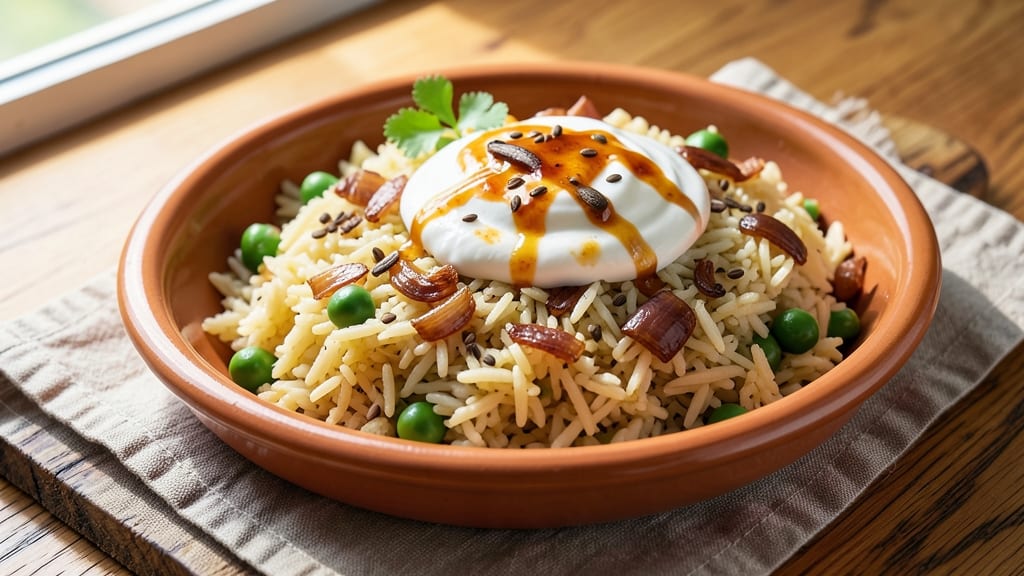
This cauliflower rice pulao transforms a simple side into a fragrant, one-pot masterpiece that balances saffron's golden aroma with tender peas and nutty spices. The key lies in perfectly textured cauliflower rice—grated fine enough to mimic basmati but with enough body to hold flavors. I developed this vegetarian version after discovering how well it absorbs spiced coconut milk, creating a dish that's both restaurant-worthy and effortlessly adaptable to vegan diets.
The process begins with steaming the cauliflower rice until just tender, then building layers of flavor through gentle sautéing of onions, garlic, and ginger until fragrant. Paneer or chickpeas add protein while tomatoes and herbs deepen the sauce, culminating in a finish of saffron-infused coconut milk that ties everything together.
Garnished with cilantro and fried nuts, this pulao delivers the essence of Indian home cooking with minimal effort and maximum impact.
Ingredients for cauliflower rice pulao
Fragrant spices, tender cauliflower rice, and saffron-infused coconut milk transform this simple dish into a restaurant-worthy vegetarian masterpiece.
| Ingredient | Amount | Notes |
|---|---|---|
| Fresh Cauliflower 🥬 | 4 cups | Riced fine, stems removed |
| Basmati Rice 🍚 | 1 cup | Uncooked, long-grain |
| Onions 🧅 | 1 medium | Finely diced, yellow or red |
| Garlic Cloves 🧄 | 4 cloves | Minced, fresh preferred |
| Fresh Ginger 🌿 | 1 tbsp | Grated, peeled |
| Peas 🌱 | 1 cup | Fresh or frozen, thawed |
| Coconut Milk 🥥 | 1 can (13.5 oz) | Full-fat, unsweetened |
| Saffron Threads 🌼 | ¼ tsp | High-quality, soaked in 2 tbsp warm water |
| Tomatoes 🍅 | 1 medium | Diced, ripe, Roma preferred |
| Paneer 🧀 | 8 oz | Cubed, firm, or substitute chickpeas |
| Fresh Cilantro 🌿 | ¼ cup | Chopped, stems removed |
| Cashews 🥜 | ¼ cup | Whole, dry-roasted |
| Ghee 🫒 | 2 tbsp | Clarified butter, or coconut oil |
| Ground Cumin 🌿 | ½ tsp | Freshly toasted preferred |
| Ground Coriander 🌿 | ½ tsp | Freshly toasted preferred |
| Turmeric Powder 🌶️ | ¼ tsp | Freshly ground preferred |
| Salt 🧂 | 1 tsp | Kosher or sea salt |
The cauliflower is the star here—fresh, organic cauliflower from Whole Foods or your local farmers market gives the best texture. Look for heads that are firm and bright white, not yellowing or spongy. If you're using a food processor to rice it, pulse just until it resembles rice grains—too fine and it'll turn mushy. Trader Joe's sells pre-riced cauliflower if you're short on time, but fresh is always better. The basmati rice is non-negotiable for that authentic pulao texture—Lotus Foods or Tilda brands are my go-tos, but any good-quality basmati works. Toast it lightly in ghee before adding water to enhance the nutty flavor, which is a pro move that makes all the difference.
No fresh ginger? Dried ginger powder at half the amount works in a pinch, but fresh is worth hunting down at an Asian market—it's more aromatic. Swapping paneer for chickpeas? Use canned chickpeas, drained and rinsed, but add them later so they don't get mushy. The saffron is the splurge ingredient—look for Iranian saffron at specialty stores for the best quality. No saffron? A pinch of turmeric plus a drop of orange food coloring gives that golden hue. For the tomatoes, Roma tomatoes are ideal because they're meatier, but any ripe tomato works. If you're making this vegan, skip the ghee and use coconut oil instead—it adds a lovely coconut aroma that complements the dish beautifully.
This pulao tastes even better the next day as the flavors meld together. Store leftovers in an airtight container in the fridge for up to 4 days. Reheat gently with a splash of water or coconut milk to restore moisture. The cashews can be fried in a dry pan until golden for extra crunch—2-3 minutes per side—or toasted in the oven at 350°F for 8-10 minutes. Freezes well for 3 months if you portion it into individual servings. Garnish with extra cilantro and a sprinkle of black pepper right before serving—trust me on this—it adds a fresh pop of color and brightness that ties everything together.
Why You'll Love This Recipe
- No Rice Burn Risk: I swear by this version because the cauliflower rice cooks in minutes—no standing over the stove, no mushy bottoms. Just toss it in with the basmati, let the onions and garlic caramelize, and walk away. Finally, a pulao that doesn’t require a PhD in heat control.
- Ginger-Garlic Punch: That fresh ginger and minced garlic? They’re the stars here. The slow bloom in the oil gives it this deep, warm aroma—like a hug in a bowl. Honestly, I’ve made this with store-bought spices, and it still tastes like I slaved over it.
- Lunchbox Hero: Between us, this is my go-to for packed lunches. The basmati stays fluffy for days, and the cauliflower rice keeps its texture. Toss in some yogurt and cucumber, and it’s a meal that doesn’t scream “I ate this yesterday” by noon.
- Half the Cost: A full head of cauliflower feeds four for the price of one rice bag. I’ll be real: my wallet thanks me every time I make this instead of the regular version. Plus, the leftovers? Still taste fresh three days later—no sad, dried-out rice here.
Step-by-step instructions for cauliflower rice pulao
Here's how to create a fragrant, one-pot cauliflower rice pulao that's light yet satisfying.
Prepare the Base with Ghee and Aromatics
Heat the 2 tablespoons ghee in a heavy-bottomed pot over medium heat. Add the 1 medium finely diced onions and sauté for 4-5 minutes until they turn golden brown and translucent. This step builds the flavor foundation—don't rush it or the onions will burn.
Add the 4 cloves minced garlic and 1 tablespoon grated fresh ginger, stirring constantly for 30 seconds until the raw garlic smell disappears and they turn aromatic. Here's the thing—if you smell garlic burning, your heat is too high. Reduce it slightly and let the aromatics cook gently.
Toast Spices and Add Cauliflower Rice
Add the 0.5 teaspoon ground cumin, 0.5 teaspoon ground coriander, and 0.25 teaspoon turmeric powder to the pot. Stir for 30 seconds until the spices release their fragrance—you'll smell that warm, earthy aroma that signals they're ready. This is when the pulao starts developing its signature flavor profile.
Add the 4 cups riced fresh cauliflower and stir to coat evenly with the spice mixture. Cook for 3-4 minutes until the cauliflower begins to soften slightly. The reason we cook the cauliflower first is to prevent it from turning mushy later when we add liquid. Keep stirring occasionally to ensure even cooking.
Layer Flavors with Tomatoes and Peas
Add the 1 medium diced tomatoes and cook for 3-4 minutes until they soften and release their juices. Stir in the 1 cup peas and cook for another 2 minutes until the peas are just tender. This step is crucial for building depth—you want the tomatoes to break down but not disappear completely.
Pour in the 1 can (13.5 oz) full-fat coconut milk and bring the mixture to a gentle simmer. Stir in the 1 cup basmati rice, making sure each grain is well-coated with the coconut milk. This ensures even cooking and prevents dry spots. Let it cook uncovered for 5 minutes to allow excess moisture to evaporate.
Add Saffron and Paneer for Richness
Stir in the 0.25 teaspoon saffron threads (previously soaked in 2 tablespoons warm water) and the 8 oz cubed paneer. The saffron will infuse the dish with its signature floral aroma—this is the moment that transforms a good pulao into something extraordinary. Sprinkle with the 1 teaspoon salt and adjust to taste.
Cover the pot with a tight-fitting lid and reduce the heat to low. Let it cook for 15-18 minutes until the rice is tender and the liquid is absorbed. You'll know it's ready when you see steam rising from the sides of the lid and the rice grains are distinct but plump. Avoid lifting the lid during cooking—this keeps the heat consistent and prevents the rice from drying out.
Finish with Cashews and Cilantro
Once the rice is cooked, turn off the heat and let the pulao sit covered for 5 minutes. This resting period allows the flavors to meld together perfectly. Stir in the 0.25 cup dry-roasted cashews and 0.25 cup chopped fresh cilantro, giving it a final toss to distribute everything evenly.
Garnish with additional cilantro if desired and serve immediately while still warm. The cashews add a delightful crunch, while the cilantro brings a fresh finish. Each bite should deliver a harmonious blend of saffron's floral notes, coconut's creaminess, and the subtle sweetness of peas and tomatoes. Real talk: this dish tastes even better the next day as the flavors continue to develop.
Pro Tips For Making Cauliflower Rice Pulao
- STEAM THE CAULIFLOWER FIRST: I learned this the hard way—raw cauliflower rice soaks up all the moisture and turns into mush. Give it a 3-minute steam in a colander over boiling water before adding to the pulao. It’ll stay firm and soak up flavors instead of turning into a sad, watery pile.
- USE HALF THE ONIONS RAW: My grandmother swore by this, and she was right: Sauté half your onions until golden, but keep the other half finely chopped and raw. Toss them in at the very end—this adds a fresh crunch that balances the softness of the rice and cauliflower. (Yes, even if you’re impatient like me.)
- COOK THE RICE SEPARATELY: I skip this when I’m lazy, but the dish is noticeably better when I don’t. Toast the basmati in oil until fragrant, then cook it separately in broth or water until just tender. Fold it into the cauliflower rice at the end—this keeps the grains distinct and prevents the cauliflower from turning to mush under the weight of the rice.
- FINISH WITH A SPLASH OF LEMON: Does it look weird? Yes. Does it work? Every single time. After the pulao is off the heat, stir in 1-2 tablespoons of lemon juice. It brightens the flavors, cuts through the richness of the spices, and makes the dish taste fresh—not like it’s been sitting in the pot all day. (Your future self will thank you.)
Wine and beer pairings for this dish
Crisp White Wines
An off-dry Riesling from Germany—like Dr. Loosen Blue Slate—complements the saffron and coconut beautifully. The wine's honeyed notes mirror the caramelized onions, while its slight sweetness balances the dish's earthy spices. Serve chilled at 50°F to highlight its citrus and floral undertones that echo the pulao's saffron aroma. 🍷
Light-Bodied Reds
A Pinot Noir from Oregon—such as Domaine Serene—works surprisingly well with this vegetarian pulao. Its bright acidity cuts through the coconut richness, while red fruit notes harmonize with the peas and tomatoes. Opt for a 2018 or newer vintage to ensure freshness and avoid overpowering the dish's delicate flavors.
Craft Beer Pairings
For beer lovers, a Belgian witbier like Hoegaarden or Stella Artois adds effervescence that cleanses the palate between bites. The coriander in these beers mirrors the pulao's spices, while their light body prevents the dish from tasting heavy.
Serve at 45°F to preserve the beer's crispness and let it complement rather than compete with the saffron's floral notes. 🍺
Spiced Rum Cocktail
For a festive touch, mix 2 oz dark rum (like Appleton Estate) with 1 oz coconut cream, a dash of Angostura bitters, and a squeeze of lime.
The rum's caramel notes enhance the coconut milk, while bitters add depth. Serve over crushed ice with a sprinkle of cinnamon to tie into the pulao's warm spices.
Non-Alcoholic Options
Sparkling ginger beer (like Feather's) or hibiscus iced tea with a splash of lime are refreshing non-alcoholic choices. The ginger beer's spice complements the cumin and coriander, while the tea's tartness balances the dish's richness. Chill both thoroughly before serving for the best experience. ✨
Nutrition facts
Frequently asked questions
Can I make this pulao without basmati rice?
Yes, but basmati is ideal for its long grains and nutty flavor. For a closer texture, use jasmine rice or brown rice (cook time may increase by 5-7 minutes). If you're avoiding grains entirely, replace the rice with an extra 1 cup cauliflower rice and reduce coconut milk by 2 tablespoons to maintain balance. The dish will still taste delicious but lose some traditional pulao texture.
How do I prevent the cauliflower rice from turning mushy?
Steam the cauliflower rice for only 3-4 minutes before adding to the pulao—it should be tender but still hold its shape. Use a fine-mesh strainer or food processor with a grating attachment for even sizing. Stir frequently while cooking to distribute heat evenly, and avoid overcrowding the pot. If it starts to soften too quickly, reduce heat to low-medium and cook uncovered for 1-2 minutes to evaporate excess moisture.
What’s the best way to make this vegan?
Swap paneer for firm tofu (pressed and cubed) or chickpeas (add them in the last 5 minutes of cooking). Replace ghee with coconut oil and use vegan coconut milk (check for additives). For extra protein, stir in 1 cup cooked lentils or crumbled tempeh at the end. The dish remains rich and satisfying while keeping it fully plant-based.
Can I prep this pulao ahead of time?
This dish tastes even better the next day. Cook and cool the pulao completely, then store in an airtight container in the fridge for up to 4 days. Reheat gently with 1-2 tablespoons water or coconut milk to restore moisture. For make-ahead convenience, prep the cauliflower rice and sautéed aromatics separately, then combine and cook fresh when ready—this cuts active time to just 15 minutes!
Why does my pulao taste bland?
Blandness usually comes from under-seasoning or overcooking. First, ensure you’re toasting the spices for 30 seconds until fragrant. Taste the base (after onions, garlic, and spices) and adjust with salt, a pinch of sugar, or a squeeze of lemon juice. If using pre-riced cauliflower, rinse it first to remove bitterness. For extra depth, add 1 teaspoon lemon zest or ½ teaspoon garam masala at the end. Never skip the saffron—it’s the magic ingredient!