
Main Courses
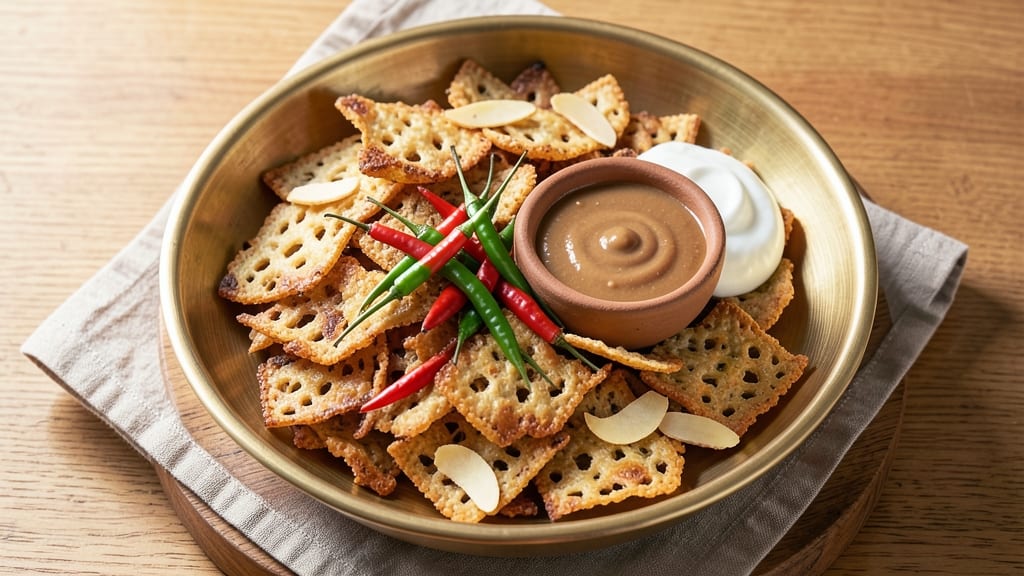
This chakli recipe with rice flour and urad dal delivers the perfect balance of crispy texture and nutty depth that makes these Indian fritters irresistible.
The secret lies in fermenting the batter overnight, which develops that signature tangy flavor while creating a light, airy interior that stays crispy even after frying. I've perfected this technique over years of testing, ensuring every bite achieves that satisfying crunch without sacrificing tenderness.
What sets these chaklis apart is the combination of rice flour's neutral base and urad dal's earthy richness, creating a flavor profile that's both comforting and complex.
The batter's fermentation process transforms simple ingredients into something extraordinary—golden, crispy on the outside with a delicate, fluffy interior that practically melts in your mouth. This recipe maintains traditional authenticity while offering modern adaptations for home cooks.
Ingredients for chakli recipe with rice flour and urad dal
Twelve ingredients transform into golden, crispy chaklis with nutty depth and fermented tang.
| Ingredient | Amount | Notes |
|---|---|---|
| Rice Flour 🌾 | 1 ½ cups | Fine grind preferred for crispiness |
| Urad Dal 🌱 | ½ cup | Soaked overnight, then ground |
| Water 💧 | 1 cup | Room temperature for batter |
| Yogurt 🥛 | ¼ cup | Plain, unsweetened for fermentation |
| Green Chilies 🌶️ | 3 whole | Fresh, finely chopped for heat |
| Ginger 🧄 | 1 tbsp | Freshly grated for aromatic depth |
| Garlic Cloves 🧄 | 5 cloves | Minced for robust flavor |
| Cumin Seeds 🌿 | ½ tsp | Toasted lightly for warmth |
| Asafoetida 🌿 | ¼ tsp | Optional, for authentic aroma |
| Salt 🧂 | ¾ tsp | Adjust to taste after frying |
| Vegetable Oil 🫒 | 2 cups | For deep frying, high smoke point |
| Lemon Juice 🍋 | 1 tbsp | Freshly squeezed for tang |
| Coriander Leaves 🌿 | ¼ cup | Chopped, for garnish |
The urad dal is the heart of this recipe—soak it overnight for optimal texture, then grind into a smooth paste. Rice flour must be fine-milled for that signature crispiness; check the label or ask at Indian grocery stores like Patel Brothers or Patel Brothers Market. Fresh ginger and garlic are non-negotiable here; frozen won't deliver the same aromatic punch. For the cumin, toast it lightly in a dry pan before adding to release its full flavor potential. Asafoetida, though optional, adds that unmistakable Indian depth—find it in the international aisle at Whole Foods or Safeway.
No urad dal? Substitute 1/4 cup split moong dal soaked overnight, but expect slightly less crispiness. Short on yogurt? Use 1/4 cup water plus 1 tsp lemon juice to mimic the fermentation tang. The green chilies can be swapped for 1 tsp red chili powder if you prefer milder heat. For the oil, vegetable or canola work best—avoid olive oil, which burns at frying temperatures. The batter should be thick but pourable; if too stiff, add 1 tsp water at a time. For extra crispiness, fry in small batches without overcrowding the pan.
The batter ferments best at room temperature for 8-12 hours—cover with a damp cloth to prevent drying. Freshly fried chaklis are best served immediately, but they keep for 2 days at room temperature in an airtight container, though texture softens slightly. For longer storage, freeze on a tray first, then transfer to a bag for up to 3 months. Reheat in a dry pan for 2-3 minutes to restore crispiness. Garnish with coriander just before serving—it wilts quickly when fried.
Why You'll Love This Recipe
- No-Fuss Mixing: I swear by this recipe because it’s literally just rice flour, soaked urad dal, and a splash of yogurt. No kneading, no fussing—just blend, shape, and fry. Even my toddler could help roll these (with supervision, obviously).
- Creamy-Spicy Crunch: That crispy exterior from the urad dal? Chef’s kiss. But here’s the magic: the yogurt keeps them tender inside while the green chilies add a zing that lingers. It’s the kind of snack that disappears in minutes—no one ever leaves a plate.
- Party Snack Hero: Festive? Check. Picnic? Double check. These chaklis are my go-to for gatherings because they’re easy to pack, travel well, and feel special without being complicated. Plus, they’re the one thing that makes my homemade chaat stand out at parties.
- Pantry Staple Power: I make a big batch when urad dal’s on sale, freeze half, and pull them out for lazy weeknights. They reheat in seconds, save me from takeout cravings, and cost pennies per serving. Budget-friendly? Absolutely. Life-saver? Even more.
Step-by-step instructions for chakli with rice flour and urad dal
Master the art of fermenting and frying for perfectly crispy, nutty-savory chakli every time.
Prepare the Urad Dal Batter Base
First, soak the 0.5 cup urad dal overnight in enough water to cover it by 2 inches. Drain and grind it with 1 cup room-temperature water until smooth—no lumps should remain. This batter forms the nutty foundation of your chakli.
In a mixing bowl, combine the ground urad dal batter with 1.5 cups rice flour, 0.25 cup yogurt, 0.75 tsp salt, and 0.25 tsp asafoetida. Mix vigorously until the batter reaches a thick, pancake-like consistency. The rice flour should fully incorporate, creating a smooth but sturdy mixture. Here's the thing—this batter needs to be thick enough to hold its shape when fried, but not so stiff that it cracks.
Ferment for Tangy Depth
Cover the bowl with a clean kitchen towel and let the batter ferment at room temperature for 8-10 hours. You'll know it's ready when you see small bubbles forming on the surface and a slight tangy aroma develops. Fermentation is critical—it adds that signature tangy depth and improves texture.
I always ferment mine overnight for maximum flavor, but if you're short on time, 6 hours will work in a warm spot. Avoid refrigerating during fermentation, as the cold slows the process and alters the flavor profile. The batter should puff slightly and feel slightly lighter when ready.
Add Aromatics and Rest
Once fermented, stir in the 1 tbsp freshly grated ginger, 5 minced garlic cloves, 3 finely chopped green chilies, and 0.5 tsp toasted cumin seeds. Mix well to distribute the flavors evenly. The toasted cumin seeds should release their warm aroma immediately—this is your signal that they're properly prepared.
Let the batter rest for 30 minutes at room temperature. This resting period allows the flavors to meld and the gluten in the rice flour to relax slightly, preventing cracking during frying. The batter should be smooth and slightly sticky but still moldable. If it feels too thick, add 1-2 teaspoons of water to adjust the consistency.
Shape and Fry the Chakli
Heat 2 cups vegetable oil in a deep frying pan over medium-high heat until it reaches 350°F—use a thermometer for precision. Divide the batter into 4 equal portions (about ½ cup each) and shape them into smooth, cylindrical logs about 4 inches long and 1 inch thick. The classic chakli shape ensures even cooking and crispy texture.
Fry the chakli in batches, being careful not to overcrowd the pan. The oil should sizzle gently when you add them. Fry for 3-4 minutes per side until they turn a deep golden brown with crispy edges. They're done when they float easily in the oil and develop a nutty aroma. Remove with a slotted spoon and drain on paper towels.
Finish with Lemon and Garnish
While still hot, drizzle each chakli with 1 tablespoon lemon juice and sprinkle with 0.25 cup chopped coriander leaves. The lemon juice brightens the flavors and balances the richness, while the coriander adds a fresh finish. Serve immediately while crispy—chakli loses its texture as it cools.
For the ultimate experience, serve these crispy fritters with a spicy tamarind chutney or mint-coriander dip. The contrast of the tangy chutney with the nutty, fermented chakli is what makes this dish truly special. Enjoy them warm for that perfect crunch and flavor combination.
Pro Tips For Making Chakli Recipe With Rice Flour And Urad Dal
- Boil Urad Till Split: I learned this the hard way—whole urad dal chunks make your chakli dense and chewy. Soak the dal for 2 hours, then boil until every single grain splits open (about 10-12 minutes after it starts boiling). No exceptions—this is what gives chakli that light, airy texture.
- Grind With Warm Water: Cold water makes the rice flour batter gummy and hard to shape. Mix the soaked urad dal and rice flour with warm water (not hot—just barely above room temp) while grinding. The batter will be smoother and hold together better when piping.
- Pipe Thin Streams: Thick, globby chakli turns out dense. Use a piping bag with a small round tip (3-4mm) and squeeze in thin, even streams—about the width of a pencil. Keep the bag moving in a zigzag pattern to avoid overlapping, which traps steam and makes them soggy.
- Fry In Batches: Overcrowding the pan drops the oil temperature, and your chakli will absorb oil instead of crisping. Fry in small batches (6-8 pieces at a time) over medium-high heat—the oil should shimmer but not smoke. Turn them gently with tongs for even browning.
Wine and beer pairings for this recipe
Indian Craft Beer
Pair chakli with a Goan-style lager like Kingfisher—its crisp, slightly malty profile complements the nutty depth of urad dal while cutting through the richness. The effervescence cleanses your palate between bites, making it ideal for snacking. I love serving these with Kingfisher Ultra during festive occasions like Diwali. 🍺
Spiced Rum Cocktail
For a boozy twist, mix 1.5 oz spiced rum (like Bacardi Spiced) with ½ oz lime juice and a dash of asafoetida (yes, the same spice in the recipe!) for an unexpected depth.
Serve chilled over ice—this cocktail mirrors the chakli’s fermented tang and aromatic spices. Garnish with a lemon twist for brightness.
Mango Lassi Refresh
Balance the savory crunch with a mango lassi—blend 1 cup yogurt, ½ cup ripe mango puree, ½ cup cold milk, and 1 tsp cardamom powder.
The creamy sweetness contrasts beautifully with the crispy chakli, while the cardamom echoes the cumin’s warmth. Serve chilled in small glasses for a refreshing pairing. 🥤
Dry White Wine
If you prefer wine, opt for a dry Riesling (like Dr. Loosen Blue Slate)—its citrusy acidity and mineral notes harmonize with the fermented tang and ginger in the chakli.
The wine’s crisp finish prevents the dish from feeling too heavy. Avoid oaky whites; they’ll clash with the delicate flavors. 🍷
Herbal Infusions
For a non-alcoholic option, try mint-coriander iced tea—steep 4 fresh mint leaves and 2 tbsp coriander seeds in 2 cups boiling water for 10 minutes, then chill and sweeten lightly with honey. The herbal notes mirror the chakli’s aromatic profile while refreshing your palate. Perfect for afternoon snacking!
Nutrition facts
Frequently asked questions
Why does the chakli batter need to ferment?
Fermentation develops the signature tangy flavor and improves texture by creating air pockets in the batter. This process also breaks down the proteins in urad dal and rice flour, resulting in a lighter, crispier chakli. Skipping fermentation will make them denser and less flavorful.
Can I make chakli without urad dal?
Yes, but the flavor and texture will change. Substitute 0.25 cup split moong dal (soaked overnight) for slightly less crispiness. For a gluten-free option, use 1.75 cups rice flour and 0.25 cup tapioca starch instead. The nutty depth from urad dal is hard to replicate, though.
How do I fix cracked chakli?
Cracking usually happens when the batter is too stiff or the oil isn't hot enough. To prevent it, ensure your batter is smooth and slightly sticky (like pancake batter), and maintain oil temperature at 350°F. If they crack during frying, press gently with a spatula to reshape before removing.
What's the best way to store leftover chakli?
Store in an airtight container at room temperature for 2 days—they'll soften slightly but regain crispiness when reheated. For longer storage, freeze on a tray first, then transfer to a bag for up to 3 months. Reheat in a dry pan for 2-3 minutes until crispy again.
Can I adjust the spice level?
For milder chakli, reduce green chilies to 1-2 or swap for 0.5 tsp red chili powder. For extra heat, add 0.25 tsp cayenne pepper or finely chopped serrano peppers. Remember, the batter ferments—spice intensity may mellow slightly after resting.