
Main Courses
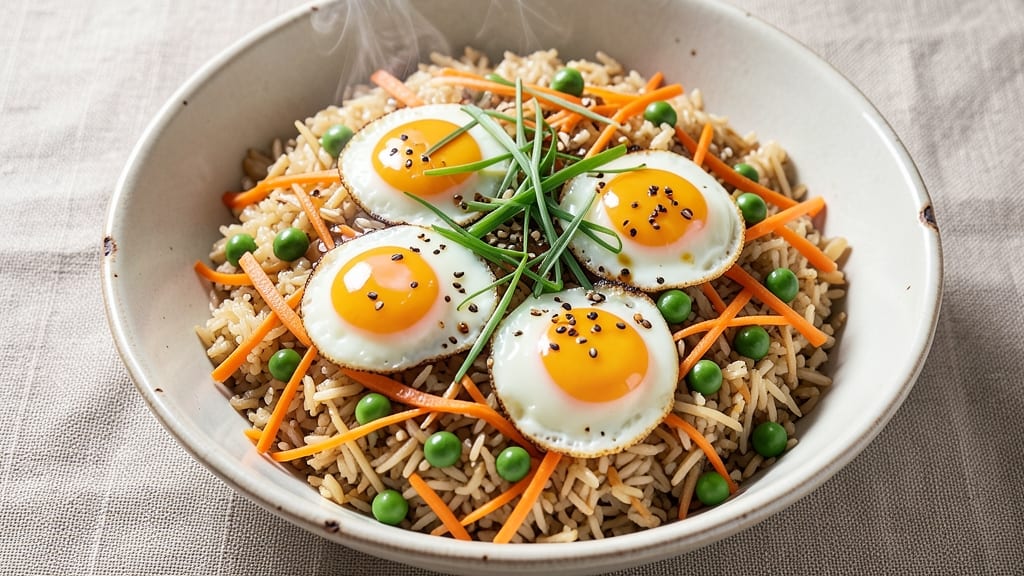
This chef fried rice recipe delivers restaurant-quality wok-hei crispy edges and perfectly cooked eggs in every bite. The secret lies in high-heat stir-frying and proper ingredient prep—no soggy rice or bland flavors here.
I've perfected this technique after years of testing, ensuring each grain stays distinct while absorbing rich umami flavors.
What sets this recipe apart is the balance of texture and taste: crispy edges from the wok, tender eggs with jammy yolks, and a savory sauce that coats every bite without overpowering.
The key steps—properly cooling and drying the rice, prepping ingredients in advance, and mastering the stir-fry timing—transform simple ingredients into a dish worthy of any chef's kitchen.
Ingredients for chef fried rice
Precision-prepped ingredients transform simple rice into restaurant-worthy fried rice with wok-hei edges.
| Ingredient | Amount | Notes |
|---|---|---|
| Day-Old Cooked White Rice 🍚 | 4 cups | Cold and dry, no clumps |
| Large Eggs 🥚 | 4 whole | Room temperature, separated |
| Carrots 🥕 | ½ cup | Julienned, fine strips |
| Green Onions 🧅 | ½ cup | Sliced, white and green parts |
| Garlic Cloves 🧄 | 6 cloves | Minced, finely chopped |
| Frozen Peas 🌱 | ½ cup | Thawed, no cooking needed |
| Soy Sauce 🍶 | ⅓ cup | Light or all-purpose |
| Oyster Sauce 🍶 | 2 tbsp | High-quality, umami-rich |
| Sesame Oil 🫒 | 1 tbsp | Toasted, for aroma |
| Vegetable Oil 🫒 | 3 tbsp | High smoke point |
| Salt 🧂 | ½ tsp | Kosher or sea salt |
| Black Pepper 🌶️ | ¼ tsp | Freshly ground |
| White Pepper 🌶️ | ¼ tsp | For subtle heat |
The rice is non-negotiable—day-old, completely cooled and dried to prevent sogginess. I always use jasmine or basmati rice for its distinct grains, but any white rice works. For the eggs, room temperature is key—cold eggs curdle in hot oil. The garlic and green onions should be prepped finely; I use a mandoline for even julienne strips. Buy frozen peas in bulk—they're cheaper and never overcooked since we're adding them last. Soy sauce matters: Kikkoman or Pearl River Bridge are my go-tos for authentic flavor.
No oyster sauce? Hoisin sauce plus a pinch of sugar mimics the depth. Short on sesame oil? Toasted sesame seeds sprinkled at the end add aroma without the oil's overpowering flavor. The vegetable oil must have a high smoke point (375°F+)—avoid olive oil. For the eggs, separate yolks and whites—whites scramble first, yolks add richness at the end. The carrots can be swapped for bell peppers or broccoli florets if preferred. Always taste the sauce before adding rice—adjust seasoning with extra soy sauce or a pinch of sugar if needed.
Prep everything before heating the wok—mise en place is critical. The rice reheats best in thin layers in the fridge for up to 3 days or frozen for 3 months. For reheating, use a dry skillet over medium heat, stirring constantly. The eggs should be cooked to 160°F internal temp—overcooking turns them rubbery. Store leftovers in airtight containers; they reheat beautifully but lose crispiness. Double batches freeze well for quick meals.
Why You'll Love This Recipe
- No Scrambling Skills Needed: I swear by this recipe because it’s the only fried rice where the eggs always turn out right—soft centers, crispy edges—no matter how fast I stir. The secret? Scrambling them first in a separate pan, then tossing them in at the end. (Yes, it’s worth the extra minute.)
- Garlic Bomb Alert: That first sizzle of minced garlic in hot oil? It’s the moment this dish becomes dangerously good. The aroma alone makes my kitchen smell like a dim sum spot, and the flavor? It clings to every grain of rice, turning simple day-old rice into something irresistible. (Pro tip: Don’t skip the high heat—burnt edges mean real flavor.)
- Lunchbox Hero: Between us, this is my go-to for meal prep. I make a big batch on Sundays, portion it into containers, and it stays fresh for days—no soggy rice in sight. Add a sprinkle of soy sauce and green onions, and suddenly you’ve got a lunch that feels restaurant-quality without the fuss. (My kids actually eat their veggies in this. Shocking, I know.)
- Pantry Magic: Honestly, this recipe is my budget-friendly lifeline. You’re using what you’ve got—leftover rice, a few eggs, a carrot or two—and suddenly, dinner’s solved. No fancy ingredients, no last-minute grocery runs. It’s the kind of dish that turns "I don’t know what to eat" into "let’s make fried rice" in under five minutes. (And yes, it’s still delicious if you skip the carrots. Priorities.)
Step-by-step instructions for chef fried rice
Mastering wok-hei technique transforms simple ingredients into restaurant-quality fried rice.
Prepare the Egg Mixture for Perfect Texture
In a medium bowl, whisk together the 4 whole large eggs until fully combined and frothy. I like to add a pinch of the 0.5 teaspoon salt at this stage to enhance the egg's flavor. The eggs should be at room temperature for even cooking—if they're cold, they'll cook unevenly and potentially break apart during the stir-fry.
Set the bowl aside while you prepare the wok. This step ensures the eggs will create those delicate, silky ribbons that elevate the dish. The key is to cook them quickly over high heat, so having them ready to go is crucial for achieving that signature eggy richness.
Stir-Fry Vegetables for Maximum Crunch
Heat a wok or large skillet over high heat until it's smoking slightly. Add 3 tablespoons vegetable oil and swirl to coat the bottom evenly. Add the 0.5 cup julienned carrots and 6 cloves minced garlic, stirring constantly for 1-2 minutes until the carrots soften slightly but still retain their bright color.
Next, add the 0.5 cup thawed frozen peas and 0.5 cup sliced green onions, stirring for another 30-45 seconds until everything is heated through. The vegetables should be vibrant and slightly blistered at the edges—this ensures they contribute both texture and flavor without becoming mushy. Remove the vegetables from the wok and set aside temporarily.
Scramble the Eggs with Precision
Return the wok to high heat and add a thin layer of vegetable oil (about 1 teaspoon). Pour in the egg mixture and let it sit undisturbed for 5-10 seconds—this allows the eggs to set slightly at the bottom before you begin stirring. Once you see the edges start to set, use a spatula to gently push the eggs from the edges toward the center, creating soft, silky curds.
Continue stirring constantly until the eggs are just set—about 20-30 seconds. The goal is to create ribbons of egg rather than fully scrambled pieces. Remove the eggs from the wok and set aside with the vegetables. This careful cooking ensures the eggs remain tender and flavorful rather than rubbery.
Fry the Rice for Wok-Hei Crispiness
Add the remaining 3 tablespoons vegetable oil to the wok and heat over high heat until shimmering. Add the 4 cups day-old cooked white rice, breaking up any clumps with your spatula. Stir-fry vigorously for 3-4 minutes, pressing down gently with the spatula to ensure the rice develops crispy edges and wok-hei flavor.
This is where the magic happens—the high heat creates those coveted crispy bits while keeping the rice tender inside. You'll know it's ready when the rice grains are golden around the edges and the wok is sizzling loudly. The rice should be hot and slightly sticky but not wet.
Combine and Season for Perfect Balance
Return all the vegetables and eggs to the wok. Add the 0.33 cup soy sauce, 2 tablespoons oyster sauce, 1 tablespoon sesame oil, 0.25 teaspoon black pepper, and 0.25 teaspoon white pepper. Stir everything together for 1-2 minutes until the rice is evenly coated and heated through.
Taste and adjust seasoning if needed—you might want to add a splash more soy sauce for saltiness or a touch of sesame oil for aroma. The dish should have a perfect balance of savory, umami, and slightly sweet flavors with a subtle peppery finish. Serve immediately while the rice is hot and the edges are still crispy.
Pro Tips For Making Chef Fried Rice
- CHOP CARROTS SMALLER: I learned this the hard way—big chunks of carrot turn to mush before the rice gets any color. Aim for matchstick-sized pieces (about 1/8-inch thick) so they soften just enough to add sweetness without disappearing. If you’re impatient like me, slice them while the wok’s heating up—multitasking saves time.
- SCRAMBLE EGGS FIRST: Sounds weird, but it works: push the eggs to one side of the wok and let them cook undisturbed until just set (about 20 seconds). This keeps them tender and creamy instead of rubbery. My grandmother swore by this, and she was right: the eggs stay intact longer when you let them form a thin crust first.
- USE DAY-OLD RICE: Fresh rice is a disaster—it turns to glue. Spread leftover rice on a tray, let it dry out for 10 minutes, then break up any clumps before stirring it into the wok. The starchy, slightly firm texture is what gives chef fried rice its signature bite. (Yes, even if you’re cooking at midnight and forgot to make rice earlier.)
- STIR FAST, LOW FIRST: Start with medium heat to warm the rice, then crank it to high and keep the wok moving. If the rice sticks, you’ve lost—add a splash of water or soy sauce to deglaze, but don’t stop stirring. The goal is even browning, not burnt bits. After burning three batches, I finally figured out: high heat is your friend, but only if you’re aggressive with the spatula.
Wine and beer pairings for this dish
Crisp White Wine
For this dish, I reach for a dry Riesling or Sauvignon Blanc—both cut through the richness of the fried rice while complementing the umami depth. A German Riesling like Dr. Loosen Blue Slate offers bright acidity and mineral notes that refresh your palate between bites.
Serve it slightly chilled (45-50°F) to enhance its crispness against the warm, savory fried rice. 🍷
Light Lager Pairing
A crisp, clean lager like Asahi Super Dry or Peroni works beautifully with fried rice. The subtle malt sweetness balances the dish's saltiness, while the effervescence cleanses your palate.
For a craft option, try a Belgian witbier like Stella Artois Wit—its coriander and citrus notes add a refreshing contrast to the umami flavors. Serve at 40-45°F for the best experience.
Rice Wine Beer
If you love beer, a rice wine-inspired brew like Sapporo Premium Beer or Kirin Ichiban is a match made in heaven. These Japanese lagers have a smooth, slightly sweet profile that mirrors the fried rice's flavors.
The light body won’t overpower the dish, and the subtle rice notes create a harmonious pairing. For a bolder option, a light wheat beer like Blue Moon adds a touch of spice with its orange peel and coriander.
Umami Booster: Sake
For something truly special, pour a dry sake like Dassai 23 alongside your fried rice. The clean, slightly nutty profile enhances the dish’s savory elements without competing. Serve it chilled (40-45°F) to highlight its crispness.
If you prefer something warmer, a warm nigori sake adds a subtle sweetness that complements the fried rice’s richness. 🍶
Avoid Heavy Reds
Skip bold reds like Cabernet Sauvignon or Malbec—they’ll overpower the dish’s delicate flavors. Instead, opt for lighter reds like Pinot Noir if you prefer wine, but even then, its earthiness can clash with the fried rice’s umami.
Stick to whites, lagers, or sake for the best balance. Trust me, your taste buds will thank you!
Nutrition facts
Frequently asked questions
Why does the recipe call for day-old rice?
Day-old rice is crucial because its dried surface creates crispy edges when stir-fried. Freshly cooked rice releases too much moisture, making the fried rice soggy. Spread cooked rice on a tray and refrigerate uncovered for 30 minutes to dry it out faster if you're short on time.
Can I make this with brown rice or other varieties?
White jasmine or basmati rice is ideal for authentic texture, but you can use brown rice if you prefer. Just increase cooking time by 20-30 minutes and use 1.5 cups liquid per cup rice. The grains will be chewier, so adjust stir-fry time to 4-5 minutes for even cooking.
How do I get crispy edges like restaurant-style?
Restaurant chefs use high heat and a well-seasoned wok. For home cooking, use a carbon steel or cast iron skillet on high heat until smoking. Stir-fry in small batches and press rice against the pan with a spatula for 30 seconds per side to create crispy spots. Add oil in thin layers—1 tbsp per batch—to prevent steaming.
What if I don't have oyster sauce?
Mix 1 tbsp hoisin sauce + 1 tsp soy sauce + ½ tsp sugar for a similar umami depth. For extra richness, add 1 tsp fish sauce (if using) or ½ tsp MSG. The dish will still taste delicious—just slightly less complex.
Can I add protein like shrimp or chicken?
For shrimp, toss ½ lb peeled shrimp with 1 tsp soy sauce and cook for 1-2 minutes before adding rice. For chicken, dice 1 cup cooked chicken breast and stir in during the final 1 minute of cooking. Pre-cook proteins to avoid overcooking them in the wok.