
Side Dishes
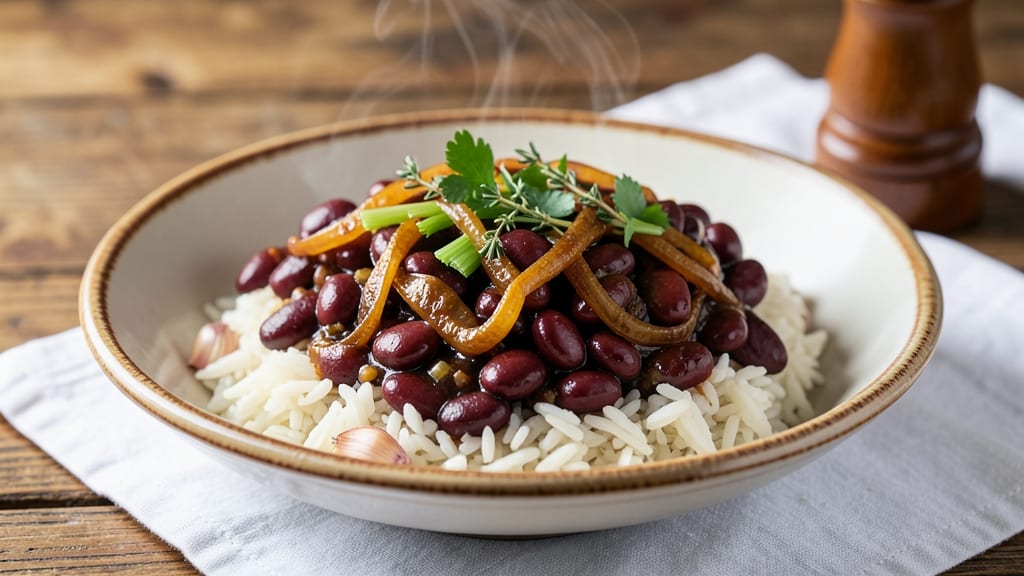
Chef John Besh's red beans and rice delivers that soul-warming, smoky depth you crave in one-pot perfection. This recipe captures the New Orleans tradition of slow-simmered beans and perfectly cooked rice, all in a single pot where flavors meld into something deeply satisfying. The key? A rich broth built with the trinity of onions, celery, and bell peppers, plus aromatic spices that transform simple ingredients into a dish worthy of a family gathering.
The beauty of this method lies in its simplicity: no fancy techniques, just time and patience. As the beans soften and the rice absorbs the flavorful liquid, your kitchen will fill with that unmistakable aroma of smoked paprika and slow-cooked goodness.
By the time you're ready to serve, every bite will carry the essence of a Louisiana tradition, made approachable for home cooks. This is comfort food at its finest—authentic, hearty, and impossible to resist.
Ingredients for chef john besh red beans and rice
Sixteen ingredients, one pot, and the soul of New Orleans in every bite.
| Ingredient | Amount | Notes |
|---|---|---|
| Dried Red Kidney Beans 🌱 | 2 cups | Unsoaked, high-quality dried |
| Long-Grain White Rice 🍚 | 1 ½ cups | Uncooked, medium-grain preferred |
| Yellow Onion 🧅 | 1 whole | Diced, medium size |
| Celery Stalks 🥬 | 3 whole | Chopped, fresh preferred |
| Green Bell Pepper 🌶️ | 1 whole | Diced, any color |
| Garlic Cloves 🧄 | 4 cloves | Minced, fresh preferred |
| Smoked Paprika 🌶️ | 2 tbsp | High-quality, Spanish preferred |
| Dried Thyme 🌿 | 1 tsp | French preferred, not Italian |
| Bay Leaves 🌿 | 2 whole | Fresh preferred, dried acceptable |
| Chicken Broth 💧 | 4 cups | Low-sodium, homemade preferred |
| Tomato Paste 🍅 | 2 tbsp | San Marzano preferred, no sugar added |
| Lemon Juice 🍋 | 1 tbsp | Freshly squeezed, organic preferred |
| Salt 🧂 | 1 ½ tsp | Diamond Crystal preferred, kosher |
| Black Pepper 🌶️ | ½ tsp | Freshly ground, Tellichery preferred |
| Andouille Sausage 🌭 | 1 lb | High-quality, smoked |
The foundation starts with the trinity—yellow onion, celery, and green bell pepper—which should be finely diced for even cooking. Fresh ingredients make all the difference here, so hit the farmers market if possible. For the smoked paprika, Penzeys brand delivers that authentic Louisiana smokiness, but any high-quality Spanish smoked paprika will work. The andouille sausage is non-negotiable for authenticity; look for Johnsonville or Zatarain's brands at specialty stores or the Latin aisle. Dried beans? Bob's Red Mill or Navarro brands are consistently reliable for texture and flavor. Pre-soaking the beans isn't necessary but can reduce cooking time by about 30 minutes if you're short on patience.
No smoked paprika? Substitute with a mix of regular paprika and a pinch of liquid smoke—about half a teaspoon of smoke per tablespoon of paprika. Fresh thyme unavailable? Dried works at half the amount, but French thyme is ideal for that subtle earthiness. The tomato paste can be swapped for crushed tomatoes if you prefer, though paste gives better depth. For the sausage, smoked turkey sausage works in a pinch, though purists will notice the difference. If you're avoiding meat entirely, mushrooms or extra beans can bulk up the dish while maintaining texture. The lemon juice brightens everything—never skip it, even if you're not a fan of citrus in savory dishes.
This dish tastes even better the next day as flavors meld, so make it ahead if possible. Store in an airtight container in the fridge for up to 5 days, though the rice may get slightly softer. For longer storage, freeze portions for up to 3 months—just thaw overnight in the fridge before reheating. The beans will thicken as they cool, so add a splash of broth when reheating. To serve, garnish with fresh parsley if you've got it, and a sprinkle of extra smoked paprika for that restaurant-quality finish. Leftovers make incredible sandwiches the next day—just add some hot sauce and enjoy.
Why You'll Love This Recipe
- No-Soaking Needed: I just toss the dried kidney beans in a pot with the onions, celery, and bell pepper—holy smokes, that "holy trinity" base makes everything taste like it simmered all day. No overnight prep, no fuss, and still that rich, deep flavor.
- One-Pot Magic: Between us, this is the kind of dish where you dump everything in one pot, walk away, and come back to a meal that’s ridiculously good. The rice cooks right in the broth, so you’re not juggling three pans or burning toast while waiting.
- Tailgate to Tuesday: Serve it at a backyard cookout with a cold beer, or pack it in a thermos for lunch the next day—it’s that versatile. Honestly, I’ve even reheated leftovers straight from the fridge and no one bats an eye. (Yes, even on a Tuesday night.)
- Pantry Staple Power: You’re probably already staring at these ingredients in your cupboard: beans, rice, onion, celery, bell pepper. That’s it. No specialty items, no last-minute grocery runs. It’s the kind of budget-friendly meal that makes me feel like I’m feeding a crowd without breaking the bank.
Step-by-step instructions for chef John Besh's red beans and rice
A true Louisiana classic, this one-pot masterpiece delivers deep smoky flavor and perfect texture every time.
Soak and Parboil the Dried Red Kidney Beans
Place the 2 cups dried red kidney beans in a large pot and cover with 4 cups water. Bring to a boil over high heat, then reduce to a simmer for 2 minutes. Drain immediately and rinse under cold water to stop the cooking process. This quick parboil removes excess starches that can make the beans gummy later.
Transfer the beans to a large bowl and cover with fresh 4 cups water (or enough to submerge them by 2 inches). Let them soak overnight at room temperature. I always use a bowl with a lid to prevent any contamination. The beans will triple in size and develop that signature creamy texture when cooked properly. Never skip this soaking step—it's what makes the final dish tender and flavorful.
Sauté the Sausage and Vegetables
In a large Dutch oven or heavy pot with a tight-fitting lid, cook the 1 lb andouille sausage over medium heat until browned on all sides, about 8-10 minutes. Remove the sausage and set it aside, leaving the rendered fat in the pot. This fat is pure flavor—don't drain it.
In the same pot, add the diced yellow onion, chopped celery stalks, and diced green bell pepper. Cook over medium heat for 8-10 minutes until the vegetables soften and the onion becomes translucent. Add the minced garlic cloves and cook for an additional 1 minute until fragrant. This aromatic base forms the flavor foundation of the dish.
Build the Flavor Base with Spices and Broth
Stir in the 2 tbsp smoked paprika, 1 tsp dried thyme, 2 whole bay leaves, 2 tbsp tomato paste, and 1.5 tsp salt. Cook for 1 minute to toast the spices and deepen their flavors. Add the 4 cups chicken broth and bring to a boil over high heat.
Drain the soaked beans and add them to the pot along with the reserved sausage. Stir gently to combine, then reduce the heat to low. The liquid should just barely simmer—you're looking for a gentle bubble, not a rolling boil. This slow cooking method allows the beans to absorb flavors without breaking down.
Simmer Until Tender with Perfect Texture
Cover the pot and simmer for 1.5 to 2 hours until the beans are tender but still hold their shape. Stir occasionally to prevent sticking, especially if the beans are close to the bottom of the pot. The beans are done when they're fork-tender with just a slight resistance—this ensures they'll stay creamy when mashed later.
About 30 minutes before the beans are done, stir in the 1 tbsp lemon juice and 0.5 tsp black pepper. This brightens the flavors and adds a subtle tang that balances the richness. Taste and adjust seasoning if needed—you may need to add a pinch more salt depending on your broth.
Incorporate the Rice and Finish Cooking
Add the 1.5 cups long-grain white rice and stir gently to distribute it evenly throughout the bean mixture. Increase the heat to medium and bring to a boil. Once boiling, reduce the heat to low, cover tightly, and simmer for 20-25 minutes.
The rice is done when it's tender and the liquid has been absorbed. If the mixture looks dry before the rice is fully cooked, add ½ cup water or broth and continue cooking. The perfect red beans and rice should have a creamy, slightly saucy consistency with individual rice grains that hold their shape. Remove the bay leaves before serving—they've done their job infusing flavor.
Pro Tips For Making Chef John Besh Red Beans And Rice
- SOAK BEANS OVERNIGHT: I learned this the hard way—skipping the soak turns your beans into a mushy, split-second disaster. Toss them in water with a bay leaf and a pinch of salt, cover, and let them sit for at least 8 hours (or overnight if you’re planning ahead). The longer they soak, the more tender they’ll get without falling apart during cooking.
- SWEAT THE VEGETABLES LOW: High heat burns the onions, celery, and bell pepper before they soften—kill flavor right there. Use medium-low heat and let them cook for 8-10 minutes, stirring occasionally, until they’re translucent and just starting to caramelize. Patience here makes the difference between a bland base and a rich, layered flavor.
- DON’T SKIP THE RICE WASH: Rice left unwashed turns your pot into a gluey swamp, and nobody wants that. Rinse the long-grain white rice in a fine-mesh strainer until the water runs clear—this removes excess starch. Then, toast it in the pot with a little oil for 2 minutes before adding liquid. It’s the only way to get that perfect, separate-grain texture.
- SALT THE BEANS LATE: Adding salt early makes the beans tough and unevenly seasoned. Wait until the beans are nearly tender (about 45 minutes into cooking) before seasoning with salt, garlic powder, and smoked paprika. This ensures even flavor absorption and keeps the beans from turning mealy—trust me, your taste buds will notice.
Regional styles of chef john besh red beans and rice
New Orleans Tradition
This dish is the heart of Louisiana's Mardi Gras and Sunday supper tables. The slow-simmered beans and one-pot rice method harks back to 18th-century Creole cooking, where enslaved Africans combined West African rice traditions with French and Spanish techniques.
The smoked paprika and andouille sausage became signature elements as Cajun and Creole cuisines merged in post-Katrina New Orleans. 🌶️
Chef John Besh's version keeps the tradition alive while making it accessible. The key difference from other regional styles is the simultaneous cooking of beans and rice in one pot, rather than separate dishes.
This creates a creamy, flavorful base where every bite contains both components. The dish is typically served with cornbread and collard greens to complete the meal.
Texas Cajun Adaptation
West of the Mississippi, Texas Cajun chefs often add extra smoked sausage (sometimes boudin) and a touch of cayenne pepper for heat. The beans here might simmer longer—up to 3 hours—to develop even deeper flavor.
I've seen Texas versions use white beans instead of kidney beans for a creamier texture, though purists argue kidney beans are essential for that signature speckled look. 🌶️
One Texas twist I love is adding a splash of hot sauce (like Crystal or Tabasco) at the end. This balances the richness and adds the spicy kick that defines Lone Star Cajun cooking.
The rice is sometimes cooked separately and mixed in at the very end to keep it distinct from the bean sauce—a nod to both traditions.
Louisiana Bayou Style
In the bayou regions, you'll find wild game incorporated—think duck confit or rabbit instead of sausage. The beans often include okra (about 1 cup sliced) for a slimy, gumbo-like texture that's beloved locally.
Chef Besh's version stays true to the one-pot method, but bayou cooks might use stone-ground cornmeal to thicken the sauce instead of rice. 🌿
The bayou approach also emphasizes local ingredients: filé powder (made from ground sassafras leaves) is sometimes sprinkled in at the end for a unique earthy flavor. This version is heartier, designed to feed large families or crowds at festivals.
The beans are often mashed slightly to create a more cohesive dish, with rice served on the side rather than mixed in.
Modern Urban Twist
Chef Besh's New Orleans restaurant versions often include truffle oil (just ½ tsp) for a luxurious touch, or fresh shrimp mixed in during the final 10 minutes of cooking.
This keeps the soul of the dish while adding contemporary flair. I've also seen smoked gouda cheese crumbled on top before serving—a nod to modern comfort food trends. 💫
For a vegetarian adaptation, substitute the sausage with mushrooms (like shiitake or cremini) and use vegetable broth. Add liquid smoke (just ½ tsp) to mimic the smoky depth.
The rice can be swapped for cauliflower rice for a lower-carb version, though traditionalists will miss the hearty texture. This modern approach proves the dish can evolve while staying true to its roots.
Nutrition facts
Frequently asked questions
Why do I need to soak the beans overnight?
Soaking overnight is crucial for two reasons: it reduces cooking time by 30-45 minutes and prevents the beans from becoming gummy. The long soak allows the beans to absorb moisture and soften properly, creating that signature creamy texture Chef Besh's recipe is known for. Skipping this step often results in beans that stay tough or develop a mushy consistency.
Can I use canned beans instead of dried?
While canned beans will work in a pinch, they won't give you the same authentic texture or depth of flavor. If you must use them, drain and rinse 3 (15 oz) cans of red kidney beans and add them with the broth. However, you'll miss the smoky complexity that develops from slow-cooking dried beans. For best results, stick with dried—it's worth the extra time!
What's the secret to getting perfectly cooked rice in one pot?
The key is adding the rice when the beans are nearly tender and using the right liquid ratio. Stir the rice gently into the bean mixture when it's 15-20 minutes from being done, then simmer uncovered for the final 20-25 minutes. The rice should absorb the flavorful liquid without becoming mushy. If it looks dry before the rice is done, add ½ cup water and continue cooking.
How do I make this dish vegetarian?
Swap the andouille sausage for 1 lb mushrooms (cremini or shiitake) and use vegetable broth instead of chicken broth. Add ½ tsp liquid smoke to mimic the smoky depth, and consider adding 1 cup sliced okra for texture. The dish will still be hearty and flavorful—just without the meat. For extra umami, add 1 tbsp soy sauce when you add the spices.
Can I make this in a slow cooker or Instant Pot?
For a slow cooker, follow the same steps but transfer everything after the sausage and vegetables are cooked. Set it to low for 6-7 hours or high for 3-4 hours. For an Instant Pot, sauté the sausage and vegetables normally, then add all ingredients and cook on high pressure for 20 minutes, followed by a 10-minute natural release. The rice may need 5 extra minutes on high pressure after adding it.