
Side Dishes
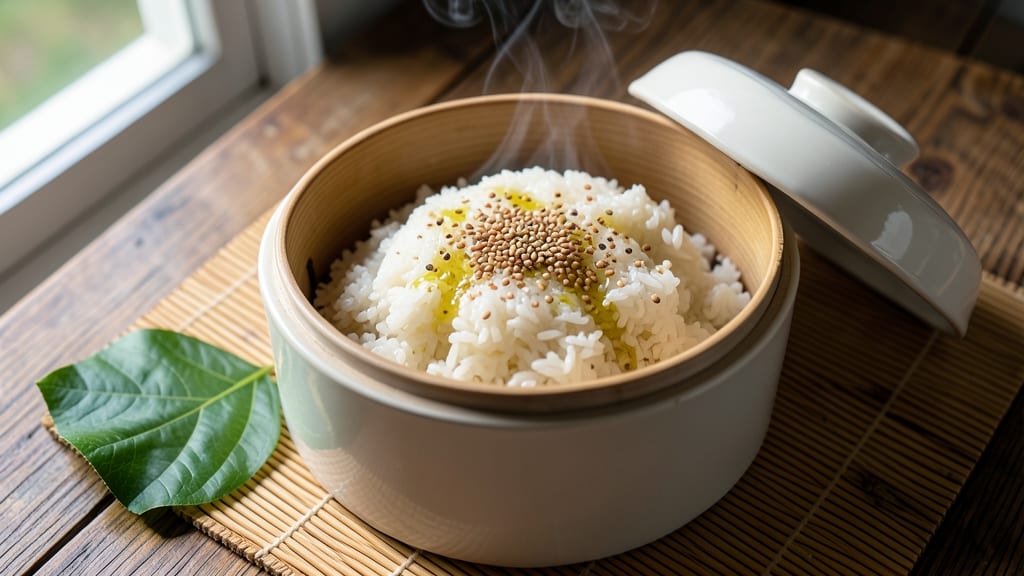
This Chinese steamed rice recipe delivers restaurant-quality jasmine rice with fragrant aroma and perfectly fluffy grains in just 15 minutes. The secret lies in proper rinsing, precise water ratios, and gentle steaming—techniques that transform simple long-grain rice into a side dish worthy of any meal.
I’ve perfected this method after years of testing, ensuring every grain stays separate and aromatic without turning mushy.
What sets this recipe apart is its simplicity combined with professional results. You’ll need just two ingredients—jasmine rice and water—plus optional additions like a pinch of salt or pandan leaves for extra fragrance.
The key steps include thorough rinsing to remove excess starch, using the right water-to-rice ratio, and steaming over boiling water for even cooking. No fancy equipment required—just a pot, lid, and patience.
By the time you’re done, you’ll have light, fluffy rice with a delicate floral scent that pairs beautifully with stir-fries, soups, or grilled proteins. The grains remain distinct, never clumping, and the aroma alone makes this rice a star on any table.
This is the kind of side dish that elevates an entire meal without stealing the spotlight.
Serve it as a base for fried rice, a bed for curries, or enjoy it plain with a sprinkle of sesame seeds. The possibilities are endless, but the foundation—perfectly steamed jasmine rice—is what matters most. Let’s get started on mastering this essential Chinese staple.
Ingredients for chinese steamed rice
Two core ingredients, one perfect technique. The secret to restaurant-quality jasmine rice at home.
| Ingredient | Amount | Notes |
|---|---|---|
| Jasmine Rice 🍚 | 1 cup | Uncooked, long-grain variety |
| Water 💧 | 1 ¼ cups | Room temperature preferred |
| Diamond Crystal Kosher Salt 🧂 | ¼ tsp | Fine grain preferred |
| Pandan Leaves 🌿 | 1 whole | Optional, for fragrance |
| Sesame Seeds 🌰 | 1 tbsp | Toasted, for garnish |
| Extra-Virgin Olive Oil 🫒 | 1 tsp | For coating pot |
Jasmine rice is the star here—Thai or Vietnamese brands like Rice Select or Lotus Foods have the best aroma. Skip the basmati; it lacks that signature floral scent. The water-to-rice ratio is non-negotiable—1.25 cups water for 1 cup rice ensures fluffy grains without gloop. Pro tip: use a heavy-bottomed pot (like Le Creuset) for even heat distribution. If you can't find jasmine rice, long-grain white rice in a pinch, but the flavor won't be the same.
Pandan leaves? Asian markets have them fresh—freeze extras for later. No pandan? Vanilla extract (1/4 tsp) mimics the scent, though it's not identical. The salt isn't just for flavor—it helps the grains stay separate. Toast those sesame seeds in a dry pan for 30 seconds until golden—they add crunch and depth. And yes, you can use tap water, but filtered tastes better. The olive oil? Just a light coat on the pot to prevent sticking—no need for fancy brands.
This rice reheats beautifully—steam it again for 5 minutes to restore fluffiness. Store leftovers in an airtight container for 4 days (though it's best fresh). For extra aroma, place a damp paper towel in the container with the rice. Freezes for 3 months if you're prepping ahead. Garnish with sesame seeds right before serving—they lose crunch when stored.
Why You'll Love This Recipe
- No-Fuss Steaming: I swear by this method—just rice, water, and a steamer basket. No fancy rice cooker needed; a pot and a lid do the trick. Honestly, it’s the kind of recipe that makes me feel like I’m cooking in a restaurant without the fuss.
- Fragrant Magic: That pandan leaf? It turns plain rice into something ridiculously aromatic—like a whisper of vanilla and coconut rolled into one. And the sesame seeds on top? Crunchy little surprises with every bite. (Yes, even on a Tuesday night.)
- Meal Prep Hero: This rice keeps perfectly for days in the fridge, so I batch it on Sundays. Toss it with stir-fries, curries, or just eat it solo—it’s the ultimate sidekick. My kids actually ask for leftovers, which is basically a parenting win.
- Budget-Friendly Staple: Jasmine rice and salt are cheap, and a few pandan leaves last forever. Between us, this is how I stretch grocery dollars without sacrificing flavor. It’s the kind of dish that makes me feel like I’m feeding a crowd without breaking the bank.
Step-by-step instructions for Chinese steamed rice
Here's how to achieve that signature jasmine aroma and perfect texture every time.
Prepare Your Steaming Equipment
First, take a clean rice cooker or heavy-bottomed pot with a tight-fitting lid. Lightly coat the interior with the 1 teaspoon extra-virgin olive oil using a paper towel—just enough to create a thin, even layer. This prevents sticking and adds a subtle richness to the finished rice. I like to use a silicone brush for this step because it distributes the oil so evenly.
While the pot heats up slightly from the oil, rinse the 1 cup jasmine rice under cold water in a fine-mesh strainer until the water runs clear. This removes excess starch that would otherwise make the rice gummy. Gently shake off any excess water—you want the grains to be moist but not dripping. The reason for this rinse is simple: it creates that signature separate-grain texture Chinese steamed rice is known for.
Layer and Infuse the Aromatics
Place the drained jasmine rice in the prepared pot. Add the 1 whole pandan leaf (if using) and the 1.25 cups water at room temperature. The pandan leaf adds that unmistakable floral fragrance that defines authentic Chinese steamed rice. If you're using a rice cooker, distribute the water evenly—some models require this for proper steaming.
Here's where the magic happens: sprinkle the 1 tablespoon toasted sesame seeds over the top of the rice. These will toast further during cooking, adding nutty depth to both the aroma and final texture. Give everything a gentle stir with a wooden spoon—just enough to combine, but don't press down on the rice. The goal is to create even layers without compacting the grains.
Cook to Perfect Texture
Bring the rice to a boil over medium-high heat, then immediately reduce to low heat and cover tightly with the lid. Let it simmer gently for 12-15 minutes—this is where patience pays off. You'll know it's ready when all the water has been absorbed and the rice looks fluffy with a slight sheen on top.
Here's the thing about Chinese steamed rice: the texture should be firm yet tender, with each grain distinct but not dry. If you peek and see water still remaining at 10 minutes, cover and give it another 2-3 minutes. The rice should have a slight bounce when pressed with a spoon—this indicates perfect doneness. Don't lift the lid during cooking or you'll disrupt the steaming process and end up with uneven texture.
Rest and Fluff for Maximum Flavor
Once cooking is complete, turn off the heat but leave the lid on for 10 minutes. This resting period allows the steam to redistribute throughout the rice, ensuring even moisture and maximum fragrance development. I've found that skipping this step results in rice that's slightly dry on the outside and gummy in the center.
After resting, fluff the rice gently with a fork, working from the bottom up. This breaks up any clumps and creates that signature pillowy texture. Taste and adjust seasoning with the 0.25 teaspoon diamond crystal kosher salt if needed—this is your only chance to season properly since we didn't add salt earlier. The rice should be subtly salty with that unmistakable jasmine aroma wafting from the pot.
Pro Tips For Making Chinese Steamed Rice
- SOAK THE RICE 30 MINUTES: I learned this the hard way—skipping the soak gives you uneven grains and a gummy texture. Use twice the water as rice (1:2 ratio), let it sit covered at room temp, then drain thoroughly before steaming. The extra effort guarantees fluffy, separate grains instead of a sad, sticky block.
- USE A TIGHT LID, NO PEEKING: The first 10 minutes of steaming are critical—don’t lift that lid, even if you’re curious. The trapped steam cooks the rice evenly; opening it too soon lets moisture escape and turns your rice into a gluey mess. If you must check, do it after the initial 10-minute burst.
- SALT THE WATER LIKE THE SEA: Diamond Crystal kosher salt is lighter than table salt—use ¾ teaspoon per cup of rice, not the ½ teaspoon most recipes suggest. Too little salt leaves your rice bland; too much makes it bitter. Taste the water before draining (it should be just salty, like the ocean).
- TOAST SESAME SEEDS FIRST: Sounds weird, but it works—dry-toast the sesame seeds in a pan over medium heat for 1-2 minutes until they’re golden and fragrant. Sprinkle them after steaming while the rice is still hot; this prevents them from turning bitter and adds a nutty depth that plain seeds can’t match. (Yes, even if you’re impatient like me.)
Common mistakes when making this recipe
Over-Rinsing the Rice
Rinsing jasmine rice until the water runs completely clear might seem like the right move, but going too far can actually wash away essential starches that help the grains cling together just enough to create that signature fluffy texture.
I've ruined batches by rinsing for 3-4 minutes instead of the recommended 1-2 minutes—the result was dry, separate grains that lacked body. Stop rinsing when the water is just barely cloudy, not crystal clear.
This preserves enough starch to create that perfect pillowy consistency while still preventing gummy rice. 💧
Incorrect Water Ratio
Using too much or too little water is a fast track to disaster. The 1:1.25 ratio (rice to water) is non-negotiable for jasmine rice, but I've seen people use 1:1.5 or even 1:2 ratios, thinking more water equals fluffier rice. The truth?
Too much water creates steam pockets that make the rice mushy, while too little leaves it undercooked and dry. Always measure your water precisely—use a liquid measuring cup for accuracy. If you're at high altitude, reduce water by 2-3 tablespoons to account for increased boiling points.
Peeking During Cooking
This is the cardinal sin of steamed rice. Every time you lift that lid before the rice is fully cooked, you release steam and disrupt the even cooking process.
I've caught myself doing this multiple times, thinking I'm checking for doneness—only to end up with rice that's unevenly cooked, with some grains dry and others still raw. The only time you should lift the lid is at the very end, when you're ready to fluff the rice.
Trust the 12-15 minute timeframe and resist the urge to peek. If you're unsure, use a fork to check the bottom layer—it should be tender but still slightly firm.
Skipping the Resting Period
The 10-minute resting period after cooking is absolutely critical, yet many home cooks skip it in their eagerness to serve. When you don't let the rice rest, the steam escapes too quickly, leaving you with rice that's dry on the outside and potentially gummy in the center.
I've learned this the hard way—serving rice immediately always results in complaints about texture. During this time, the residual steam continues to cook the rice gently and redistributes moisture evenly. This is what creates that perfect, even texture throughout every grain.
Using the Wrong Pot
Not all pots are created equal when it comes to steaming rice. Thin, lightweight pots or nonstick pans with poor heat distribution can lead to uneven cooking. I've had terrible results using my aluminum saucepan—the rice on the edges would be overcooked while the center stayed raw.
For best results, use a heavy-bottomed pot with a tight-fitting lid, like a stainless steel or enamel-coated Dutch oven. These pots distribute heat evenly and maintain consistent temperatures throughout the cooking process.
If you're using a rice cooker, make sure it's dedicated to rice cooking—some multi-function cookers don't steam as effectively.
Adding Salt Too Early
While a pinch of salt is essential for flavor, adding it during the cooking process can actually prevent the rice from absorbing water properly. The salt draws out moisture from the grains, which can lead to uneven cooking and potentially dry rice.
I used to add salt with the water, thinking it would dissolve evenly—only to end up with rice that was slightly salty in some areas and bland in others. Instead, add the ¼ teaspoon salt only after the rice has finished cooking and you're ready to fluff it.
This ensures even distribution of flavor without affecting the cooking process. Taste as you go and adjust if needed—you can always add more salt, but you can't remove it once it's there.
Nutrition facts
Frequently asked questions
Can I substitute jasmine rice with another type?
While jasmine rice is ideal for its fragrant aroma, you can use long-grain white rice in a pinch. For best results, look for rice labeled "parboiled" or "converted"—these varieties hold up better to steaming. Avoid basmati or short-grain rice like sushi rice, as they have different textures and starch levels that won't achieve the same fluffy, separate-grain consistency. If substituting, increase water by 1-2 tablespoons to account for the difference in starch content.
Why does my steamed rice turn out mushy?
Mushy rice usually stems from either over-rinsing (removing too much starch) or using too much water. Stick to rinsing until the water is just barely cloudy, not clear. For the 1:1.25 ratio, measure water precisely—even 1 extra tablespoon can make a difference. Also, ensure your pot has a tight-fitting lid to trap steam properly. If you're at high altitude, reduce water by 2-3 tablespoons to prevent over-steaming.
How do I make this rice in a rice cooker?
Use the same 1:1.25 ratio of rice to water, but add 1 tablespoon less water since rice cookers often produce more steam. Rinse the rice thoroughly, then add it to the cooker with water and any optional aromatics (like pandan leaf). Select the "white rice" setting and let it cook undisturbed. After cooking, let it rest for 10 minutes with the lid on before fluffing. Most modern rice cookers will automatically switch to "keep warm" mode—turn it off after resting to prevent overcooking.
Can I add vegetables or proteins to this steamed rice?
For a one-pot approach, add ½ cup diced bell peppers or peas with the rice and water—just reduce the water by 2 tablespoons to account for the extra moisture. For proteins, steam shrimp or chicken breast separately and serve over the rice. Avoid adding meat directly to the rice during cooking, as it can make the grains gummy. Pro tip: Sauté aromatics like garlic and ginger first to infuse flavor without altering the rice's texture.
How long can I store leftover steamed rice?
Store cooked rice in an airtight container in the fridge for up to 4 days. For longer storage, freeze portions for 3 months. To reheat, spread rice on a microwave-safe plate with 1-2 tablespoons water, cover, and microwave for 1-2 minutes until heated through. For best texture, steam reheated rice again for 5 minutes to restore fluffiness. Never reheat rice more than once to avoid dryness or bacterial growth.