
Side Dishes
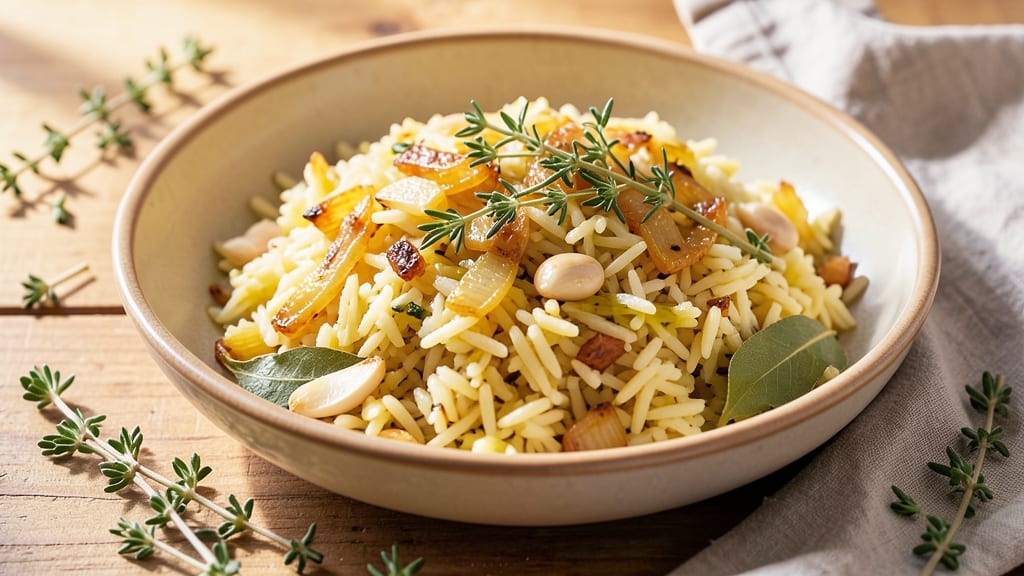
Jamie Oliver's perfect rice recipe transforms simple basmati into a fragrant, fluffy masterpiece that elevates any meal. The secret lies in toasting the grains and blooming spices before adding liquid, creating layers of aromatic depth that store-bought rice simply can't match.
I've adapted this technique to work in a single pan, making it accessible for home cooks while maintaining professional results.
What sets this method apart is the attention to texture and flavor balance—proper liquid ratios ensure each grain stays distinct yet tender, while herbs like thyme and bay leaf infuse the rice with bright, earthy notes.
The resting period after cooking allows steam to redistribute, guaranteeing perfectly fluffy grains every time. This isn't just side dish; it's the foundation of memorable meals.
By the time you're done, you'll have restaurant-quality basmati with a delicate nutty flavor and individual grains that separate beautifully. The herb infusion adds complexity without overpowering, making this versatile enough for weeknight dinners or special occasions.
Pair it with proteins, roasted vegetables, or serve as-is with a drizzle of olive oil.
This recipe delivers foolproof results with minimal effort—ideal for busy weeknights while still impressing guests. The one-pan technique reduces cleanup, and the aromatic herbs make ordinary rice feel like a gourmet touch. Let's get started on creating your perfect basmati.
Ingredients for jamie oliver's rice
The secret to Jamie Oliver's perfect rice lies in these aromatic ingredients—transforming simple basmati into a fragrant masterpiece.
| Ingredient | Amount | Notes |
|---|---|---|
| Basmati Rice 🍚 | 1 ½ cups | Uncooked, long-grain preferred |
| Extra-Virgin Olive Oil 🫒 | 2 tbsp | High-quality, fruity variety |
| Yellow Onion 🧅 | 1 whole | Medium size, finely diced |
| Garlic Cloves 🧄 | 4 cloves | Fresh, minced finely |
| Fresh Thyme Leaves 🌿 | ¼ cup | Or 1 tbsp dried thyme |
| Bay Leaves 🍃 | 2 whole | Fresh preferred, or dried |
| Ground Cumin 🌶️ | ½ tsp | Toasted for deeper flavor |
| Ground Turmeric 🌶️ | ¼ tsp | Bright yellow color |
| Vegetable or Chicken Broth 💧 | 2 ½ cups | Low-sodium preferred |
| Water 💧 | ½ cup | Room temperature |
| Lemon Juice 🍋 | 1 tbsp | Freshly squeezed |
| Sea Salt 🧂 | 1 ½ tsp | Diamond Crystal preferred |
| Black Pepper 🌶️ | ½ tsp | Freshly ground |
| Fresh Parsley 🌿 | ⅛ cup | Chopped, for garnish |
The basmati rice is non-negotiable here—look for long-grain varieties like Tilda or Mahatma at your local grocery store. The fresh thyme and bay leaves are where the magic happens; grab them from the produce section, not the dried spice aisle. For the olive oil, Californian extra-virgin adds a fruity depth that store brands can't match. If you're short on time, pre-minced garlic works, but fresh is always better. The cumin and turmeric should be toasted briefly in the pan to bloom their flavors—don't skip this step!
No fresh thyme? Dried works at one-third the amount, but the aroma isn't the same. Running low on bay leaves? Two sprigs of fresh rosemary can substitute, though the flavor profile shifts slightly. Using chicken broth instead of vegetable? Add a pinch of chicken bouillon powder to deepen the umami. The lemon juice can be swapped for white wine vinegar, but fresh is brighter. For the rice, jasmine rice works in a pinch, but basmati's nutty aroma is key to Jamie's signature flavor. If you're making this ahead, cook the rice slightly underdone and finish with steam for perfect texture.
This rice reheats beautifully—just add a splash of water and cover until warmed. Store leftovers in an airtight container for up to 4 days in the fridge, or freeze for 3 months in portions. The herbs lose potency over time, so add fresh parsley just before serving. For extra fluffiness, let the rice sit covered for 10 minutes after cooking. This method works perfectly for meal prep—portion into containers with your favorite protein for grab-and-go lunches.
Why You'll Love This Recipe
- Foolproof Basics: I swear by this method—just toast the rice in olive oil first, then add water and let it simmer. No fancy tools, no stress, and it always turns out fluffy.
- Thyme & Garlic Magic: That little burst of fresh thyme and garlic? It’s the secret weapon. The rice doesn’t just taste good—it smells like a cozy dinner waiting to happen.
- Meal Prep MVP: Make a big batch on Sunday, and you’ve got lunch or sides covered all week. Pairs perfectly with roasted veggies or grilled chicken—zero guesswork.
- Budget Bright Spot: Basmati rice is cheap, and this recipe stretches it further than store-bought. Plus, the olive oil and herbs make it feel fancy without breaking the bank.
Step-by-step instructions for Jamie Oliver's one-pan herb-infused basmati
This method delivers restaurant-quality rice every time—fragrant, perfectly cooked, and infused with aromatic herbs.
Sauté Aromatics Until Fragrant
Heat a large, heavy-bottomed pot over medium heat and add the 2 tablespoons extra-virgin olive oil. Once the oil shimmers, add the finely diced yellow onion and cook for 5 minutes until softened and translucent. This step builds the flavor foundation—don't rush it.
Add the 4 minced garlic cloves, 0.25 cup fresh thyme leaves, 2 whole bay leaves, 0.5 teaspoon ground cumin, and 0.25 teaspoon ground turmeric. Stir for 1 minute until the garlic becomes golden and fragrant. The turmeric will give your rice that beautiful golden hue, while the cumin adds warmth. Here's where it gets aromatic—you'll smell the herbs releasing their oils.
Toast the Rice for Nuttiness
Add the 1.5 cups basmati rice to the pot and stir to coat evenly in the oil and spices. Toast the rice for 2-3 minutes until it becomes translucent at the edges and releases a nutty aroma. This step is crucial—it prevents mushy rice and develops deeper flavor. You'll know it's ready when the rice grains look slightly glossy and the spices stick to them.
Here's the thing—don't walk away. Watch carefully for the rice to turn just barely golden. If it starts to brown too quickly, reduce the heat slightly. The goal is to toast, not burn. This is the moment that matters: properly toasted rice absorbs flavors better and stays distinct when cooked.
Deglaze and Combine Liquids
Pour in the 2.5 cups vegetable or chicken broth and 0.5 cup water, scraping up any browned bits from the bottom of the pot. Add 1 tablespoon lemon juice, 1.5 teaspoons sea salt, and 0.5 teaspoon black pepper. Bring the mixture to a gentle boil, then immediately reduce heat to low. The lemon juice brightens the flavors and prevents the rice from becoming too heavy.
Stir once to distribute everything evenly, then let the rice simmer undisturbed for 15 minutes. This initial simmer allows the rice to absorb the liquid gradually. Real talk: don't peek or stir during this time—it disrupts the cooking process and can lead to uneven grains. If you're worried about burning, just remember that the rice will cook through completely.
Steam to Perfect Texture
After 15 minutes, cover the pot tightly with a lid and remove it from heat. Let the rice steam completely off the heat for 15 minutes. This is where the magic happens—steaming creates fluffy, separate grains with no risk of burning. The residual heat continues cooking the rice evenly while the lid traps steam, which is essential for basmati's signature texture.
I know it seems counterintuitive to turn off the heat, but trust me—this method guarantees perfectly cooked rice every time. The rice should be tender but still have a slight bite, with all the liquid absorbed. If you're unsure, check one grain: it should be tender with a moist center, not mushy.
Rest and Garnish
Once the steaming time is complete, fluff the rice gently with a fork, being careful not to mash the grains. Let it rest, covered, for 5 minutes before serving. This resting period allows the steam to redistribute and the rice to settle into its final texture. The grains should be separate, fragrant, and infused with all those aromatic herbs.
Garnish with the 0.125 cup chopped fresh parsley just before serving. The parsley adds a fresh contrast to the warm, spiced rice. Serve immediately with your favorite protein or as a standalone dish—this rice is so flavorful it could be the star of the meal. The result should be perfectly cooked basmati with distinct grains, vibrant color, and layers of herbaceous flavor that make every bite satisfying.
Pro Tips For Making Jamie Oliver'S Rice
- Bloom the Onion Right: Jamie’s recipe calls for soft, sweet onions—not crispy or browned. Slice them thin, then cook them on medium-low heat with the olive oil until they’re translucent and just starting to turn golden. Too hot, and they’ll burn before they soften; too low, and you’ll waste time. I used to rush this, and the rice always tasted flat afterward.
- Toast the Garlic Low: The garlic in this dish should smell amazing but not taste bitter. Once the onions are soft, add the minced garlic and cook it on the lowest heat possible, stirring constantly. It’s easy to let it burn—after three batches, I finally got it. A whisper of heat is all you need.
- Rinse the Rice Twice: Basmati rice needs a quick rinse to remove excess starch, but don’t skimp—do two cold-water rinses. Swirl it in the bowl, drain, and repeat. This keeps the grains separate and prevents a gummy texture. I learned this the hard way when my rice turned into a single clump.
- Use the Right Thyme Amount: Fresh thyme is potent—don’t eyeball it. Jamie’s recipe likely calls for about 2 tablespoons of leaves (stripped from the stems). Too much, and it’ll overpower; too little, and you’ll miss the bright aroma. I used a full sprig once and nearly ruined the dish. Measure it.
Make-ahead tips for this recipe
Pre-Cook Prep
Cook the rice 10 minutes less than the recipe's final time if planning to reheat later. For example, if the recipe calls for 15 minutes of simmering, cook it for 5 minutes instead.
This ensures the grains stay distinct after reheating. I store prepped rice in glass Pyrex containers with tight-fitting lids for even reheating. 💡
Fridge Storage
Rice stays fresh in the fridge for 4 days when stored in an airtight container. The key is to let it cool completely before sealing—hot rice creates condensation, which makes grains soggy.
I portion it into single-serving containers (about 1 cup per serving) for easy grab-and-go meals. Add a splash of water when reheating to restore moisture.
Freezer-Friendly
For long-term storage, freeze cooked rice in quart-sized freezer bags with 1-inch headspace to prevent expansion cracks. Label with the date—it keeps for 3 months without losing texture.
When reheating, I microwave portions with 2 tablespoons water per cup on 50% power for 2 minutes, then stir and continue in 30-second intervals until heated through.
Reheating Methods
Stovetop reheating gives the best results: spread rice on a skillet over medium-low heat with 1 tablespoon water per cup. Cover and cook for 5-7 minutes, stirring occasionally.
The gentle heat prevents overcooking while restoring fluffiness. For microwave reheating, cover with a damp paper towel to retain moisture and heat in 1-minute bursts until steaming hot.
Meal Prep Strategy
I prep this rice on Sundays for the week ahead by cooking 3 cups dry rice (double the recipe) and storing it in three 1-cup portions. Pair it with proteins like grilled chicken or roasted vegetables in separate containers.
The herb flavors actually deepen overnight, making it taste even better the next day. Just add fresh parsley before serving to brighten the dish. ✨
Steam Refresh
For restaurant-quality reheating, use a steamer basket over simmering water for 5-7 minutes. This method preserves the rice's texture perfectly while adding moisture. I find this especially useful for batch cooking—simply stack containers in the steamer and cover with a damp towel.
The result is fluffy, fragrant rice that tastes almost as good as fresh. 🌱
Nutrition facts
Frequently asked questions about Jamie Oliver's herb-infused basmati
Why toast the rice before adding liquid?
Toasting the rice first develops its natural nutty flavor and creates a flavorful crust that prevents mushy grains. This step also helps the rice absorb spices more evenly, giving you that restaurant-quality aroma. The golden edges you see after toasting are where all the flavor happens!
Can I use jasmine rice instead of basmati?
Yes, but expect slightly different results. Jasmine rice has a stickier texture and more floral aroma, which works beautifully with the herbs but may not separate as distinctly. For the most authentic experience, stick with basmati—its long grains and nutty profile are key to Jamie's signature method.
What if my rice turns out mushy?
Mushy rice usually means too much liquid was used or the rice wasn't rested properly. For future attempts, measure broth carefully (use 2.5 cups liquid per 1.5 cups rice) and always let it steam off the heat for 15 minutes after cooking. The resting period is crucial for perfect texture!
How do I make this vegan?
Swap the chicken broth for vegetable broth and use olive oil instead of butter. The recipe already includes plant-based ingredients like fresh herbs and lemon juice, so no other substitutions are needed. The flavor remains just as vibrant and aromatic!
Can I cook this rice in an Instant Pot?
Use the same ingredients but adjust the cooking time. Sauté the aromatics as directed, then add all liquids and set the Instant Pot to high pressure for 3 minutes. Let it naturally release pressure for 10 minutes before opening. The result will be perfectly fluffy rice with all the herbaceous flavor.