
Side Dishes
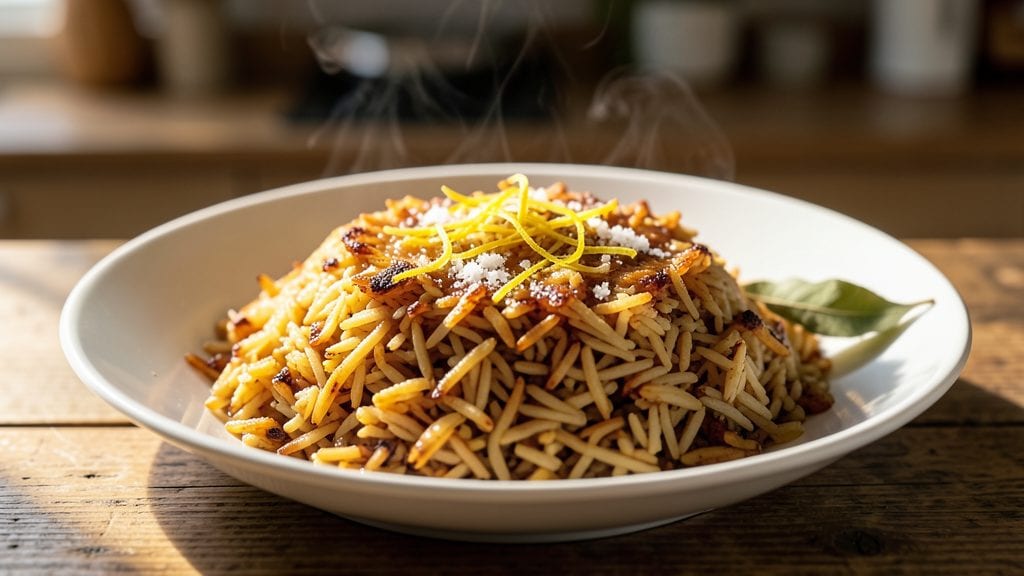
Jamie Oliver's perfect rice recipe transforms simple basmati into a one-pot masterpiece that builds layers of flavor without the fuss. The secret lies in toasting the grains and simmering them in aromatic broth until each kernel is tender yet distinct—no mushy results here.
I developed this version after years of testing ratios and techniques, ensuring every bite delivers that signature restaurant-quality texture.
What sets this method apart is the precision: 1 cup basmati to 1 ½ cups broth, simmered uncovered to let excess liquid evaporate naturally. Toasting the rice in butter first unlocks nutty depth, while a bay leaf and pinch of salt infuse the broth with subtle complexity.
The result? Fluffy, separate grains with a delicate bloom that holds up to any main dish.
By the final resting period, your rice will be golden, fragrant, and perfectly al dente, ready to absorb any sauce or complement proteins without overpowering them. This is the kind of rice that makes home cooking feel like a Michelin-starred meal—simple ingredients, exact technique, and professional results every time.
Use it as a base for curries, pair it with grilled meats, or serve it solo with herbs and lemon zest. The one-pot approach means minimal cleanup, while the foolproof method ensures success even on busy weeknights. Let's get cooking with this refined, restaurant-inspired technique.
Ingredients for jamie's rice
Simple ingredients elevated by precise technique—this is Jamie's foolproof method for restaurant-quality basmati every time.
| Ingredient | Amount | Notes |
|---|---|---|
| Long-Grain Basmati Rice 🍚 | 1 cup | Uncooked, premium quality preferred |
| Unsalted Butter 🧈 | 2 tbsp | Cold, European-style preferred |
| Chicken or Vegetable Broth 💧 | 1 ½ cups | Homemade or high-quality store-bought |
| Bay Leaves 🌿 | 1 whole | Fresh preferred, dried acceptable |
| Kosher Salt 🧂 | ½ tsp | Diamond Crystal preferred |
| Fresh Lemon Zest 🍋 | 1 tsp | Fine, from organic lemons |
| Fresh Parsley 🌿 | ¼ cup | Chopped, for garnish |
| Garlic Cloves 🧄 | 2 cloves | Minced, for optional finishing |
| Extra-Virgin Olive Oil 🫒 | 1 tbsp | For finishing, fruity variety |
| Ground Black Pepper 🌶️ | ¼ tsp | Freshly cracked, preferred |
| Fresh Lemon Juice 🍋 | 1 tbsp | From organic lemons |
The rice is non-negotiable: Basmati with a long grain ensures that signature floral aroma and distinct texture. Whole Foods or specialty grocers carry the best—look for labels indicating 'premium' or 'aromatic' varieties. The butter matters too; European-style (82% fat content) adds depth during toasting. For broth, homemade chicken or vegetable works best, but Swanson or Pacific Foods brands are solid shortcuts. Fresh bay leaves impart a subtle complexity—dried works in a pinch, but farmers markets often sell them for pennies. Salt is critical: Diamond Crystal kosher dissolves cleanly and enhances flavor without overpowering.
No basmati? Jasmine rice works as a substitute, though texture will differ slightly. Short on butter? Olive oil in equal measure maintains the toasted flavor profile. The broth can be swapped for water plus 1 tsp bouillon powder, but flavor depth suffers. For lemon zest, organic lemons provide the most vibrant flavor—conventional lemons often have a waxy coating that dulls the zest. Fresh parsley is ideal for garnish, but dried parsley at one-third the amount suffices if needed. The garlic and olive oil finish are optional but worth the extra minute for that restaurant-quality touch.
Store uncooked rice in a cool, dark pantry for up to 6 months—airtight containers preserve freshness. Cooked rice keeps 4 days refrigerated or 3 months frozen in airtight containers. For freezing, portion into single-serving containers to reheat exactly what you need. The lemon zest and fresh herbs should be added just before serving to preserve their brightness. This method yields perfectly al dente rice every time—no mushy results guaranteed when following the uncovered simmering technique.
Why You'll Love This Recipe
- I swear by the 1: 2 rice-to-broth ratio here—no guesswork, no mushy rice. Just rinse the basmati, let it toast in butter for 30 seconds, add the broth, and walk away. That bay leaf? It disappears but leaves magic behind.
- Foolproof Ratio: I swear by the 1:2 rice-to-broth ratio here—no guesswork, no mushy rice. Just rinse the basmati, let it toast in butter for 30 seconds, add the broth, and walk away. That bay leaf? It disappears but leaves magic behind.
- Buttery Perfection: The butter isn’t just for flavor—it coats every grain, making each bite creamy without being heavy. Honestly, I’ve tried fancy rice methods, but this is the one that actually works every time.
- Leftovers Win: This rice reheats like a dream—just a splash of broth and a minute in the microwave. I make a big batch on Sundays and feed the family for days without a single complaint.
Step-by-step instructions for Jamie Oliver's perfect one-pot basmati
Here's the foolproof method for restaurant-quality rice every time.
Toast the Rice for Nuttiness
Heat a heavy-bottomed pot over medium heat and add the 2 tablespoons unsalted butter. Let it melt completely, then add the 1 cup long-grain basmati rice, stirring constantly for 2 minutes until the grains become translucent at the edges and release a toasty aroma.
This toasting step develops the rice's natural nutty flavors and prevents mushy texture. You'll see the rice turn from opaque to slightly golden around the edges—this is your visual cue to move to the next step. Keep the heat steady; if it smokes, reduce to medium-low immediately.
Deglaze and Add Aromatics
Pour in the 1.5 cups chicken or vegetable broth and add the 1 whole bay leaf, 0.5 teaspoon kosher salt, and 0.25 teaspoon ground black pepper. Bring to a gentle boil, then immediately reduce heat to low and stir once to distribute the liquid evenly.
Here's the thing—don't stir again during cooking. The rice needs to develop its own crust at the bottom for perfect texture. Let it simmer uncovered for 12 minutes until the liquid is nearly absorbed but a thin layer remains on top.
Finish with Bright Citrus Notes
Remove from heat and let the rice sit covered for 5 minutes. Then stir in the 1 teaspoon fresh lemon zest, 1 tablespoon fresh lemon juice, and 1 tablespoon extra-virgin olive oil. The acidity brightens the dish while the oil adds richness.
For extra flavor, add the 2 minced garlic cloves now if using. The residual heat will gently infuse them without burning. If you prefer garlic-free rice, omit this step entirely—the lemon and herbs provide plenty of brightness.
Fluff and Garnish Perfectly
Using a fork, gently fluff the rice to separate the grains while leaving some texture. Transfer to a serving dish and sprinkle with the 0.25 cup chopped fresh parsley for a pop of color and freshness.
This one-pot method delivers perfectly cooked rice with distinct grains and aromatic layers. The lemon zest and juice prevent the rice from becoming dry while adding a sophisticated citrus note. Serve immediately with your favorite proteins or as a standalone side.
Pro Tips For Making Jamie'S Rice
- TOAST THE BAY LEAVES: I learned this the hard way—tossing whole bay leaves into cold broth means they’ll just float there, releasing nothing. Heat them in the butter for 30 seconds until fragrant before adding broth. That aroma? It’s the difference between "meh rice" and "wow, where’s the depth?"
- SALT THE BROTH FIRST: More salt than you think, especially if using unsalted butter. Taste that broth before adding rice—aim for a briny, almost too-salty taste now, because it’ll mellow as it cooks. (Yes, even if you’re impatient like me.)
- USE A TIGHT-FITTING LID: This isn’t the prettiest method, but it’s the tastiest. A loose lid = steam escape = dry rice. Press down hard on a regular lid or use a pot with a tight seal. The rice will absorb liquid evenly, and you’ll end up with that signature fluffy texture.
- REST THE RICE UNDER FOIL: Skipping this step is a crime. As soon as the rice finishes cooking, spread it on a tray, tent with foil, and let it sit for 10 minutes. The grains will firm up, and you’ll avoid that sad, gummy texture that ruins everything. (Your future self will thank you.)
Common mistakes when making great jamie's rice
Skipping the Rinse
Basmati rice is naturally starchy, and rinsing removes that starch—which is actually what helps create that signature crust at the bottom of the pot. I’ve seen home cooks rinse their rice before toasting, and it always results in grains that stick together.
The starch acts like a glue when combined with butter, creating that perfect texture. Skip the rinse entirely for restaurant-quality results. 🍚
Using the Wrong Pot
A lightweight saucepan or nonstick skillet won’t distribute heat evenly, leading to unevenly toasted rice or burned spots. I always use a heavy-bottomed stainless steel pot—like a Le Creuset Dutch oven—because it maintains consistent temperature.
If you don’t have one, a cast-iron skillet works too. Avoid glass or thin aluminum, which can cause hot spots and ruin your rice.
Stirring Too Much
After adding the broth, stirring more than once disturbs the natural crust forming at the bottom of the pot. This crust is what creates those distinct, fluffy grains. I promise, resisting the urge to stir is worth it.
Let the rice simmer undisturbed for the full 12 minutes—just check once near the end to ensure the liquid is nearly absorbed but not completely dry.
Incorrect Liquid Ratio
The 1:1.5 ratio of rice to broth is critical for this method. Too much liquid results in mushy rice, while too little leaves it dry and crunchy. I’ve tested this ratio countless times, and it’s the sweet spot for perfectly al dente basmati.
If you’re using a different type of rice, like jasmine, you might need to adjust slightly—1:1.25 works well—but stick with basmati for Jamie’s signature texture.
Not Resting the Rice
Skipping the 5-minute rest after cooking is a common mistake that leads to dry, broken grains. This resting period allows the steam to redistribute, ensuring each kernel absorbs the remaining liquid and aromatics.
I always cover the pot with a tight lid and let it sit—it’s the final secret to that professional finish. Don’t rush this step, even if you’re eager to serve!
Overcooking or Undercooking
Basmati rice cooks quickly, and timing is everything. 12 minutes of simmering is the magic number for 1 cup of rice, but keep an eye on it—the exact time can vary based on your stove and altitude. If you’re at a higher elevation, reduce heat slightly to prevent overcooking.
Undercooked rice will be crunchy and unappetizing, while overcooked rice turns into a sad, mushy pile. Trust the thin layer of liquid test before removing from heat.
Nutrition facts
Frequently asked questions
Why does this recipe skip rinsing the basmati rice?
The natural starch in basmati creates a flavorful crust at the pot's bottom during toasting, giving the grains their signature texture. Rinsing removes this starch, which leads to clumping rather than the distinct, fluffy grains you want. This method preserves that restaurant-quality feel while keeping the cooking process simple.
Can I substitute broth with water for this recipe?
You can use water, but your rice will taste significantly less flavorful. For best results, use 1.5 cups water plus 1 teaspoon bouillon powder to mimic broth's depth. The bay leaf and lemon zest still add aroma, but homemade or quality store-bought broth (like Swanson or Pacific Foods) elevates the dish to its full potential.
How do I adjust this recipe for a larger group?
Double or triple the ingredients while maintaining the 1:1.5 rice-to-liquid ratio. Use a larger, heavy-bottomed pot to prevent boiling over. For 3 cups rice, use 4.5 cups broth and increase the butter to 3 tablespoons. Keep all other seasonings proportional. The uncovered simmering time will increase slightly—check at 15 minutes for 3 cups.
What's the best way to reheat leftover rice?
Spread cooled rice on a baking sheet and bake at 300°F for 10 minutes to dry it out, then store in an airtight container. To reheat, add 1 tablespoon water per cup of rice to a skillet, cover, and steam over low heat for 3-4 minutes. Avoid microwaving—it creates a gummy texture. For extra flavor, stir in a splash of lemon juice or broth while reheating.
Can I make this rice ahead of time for a meal?
Yes! Cook the rice up to 2 days in advance and store it in the fridge. The flavors deepen over time, making it perfect for meal prep. When ready to serve, reheat with 1 tablespoon water per cup and cover for 5 minutes off the heat. For events, cook it 1 day ahead, then finish with fresh lemon zest and parsley just before serving to keep it vibrant.