
Sauces & Condiments
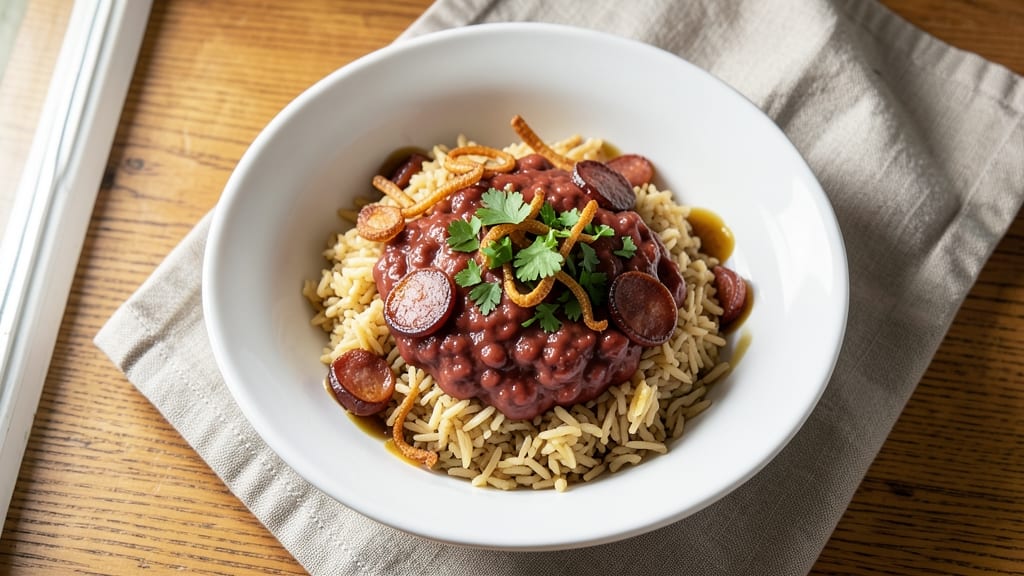
Creating a homemade version of Zatarain's red beans and rice seasoning unlocks that signature smoky Cajun flavor you crave in every bite. This dry spice blend transforms simple ingredients into a complex, aromatic seasoning that works perfectly in red beans, rice, and more.
The key lies in balancing earthy spices with just the right heat—no shortcuts here, just precise measurements for professional results.
This seasoning mix delivers depth through a combination of smoked paprika, garlic powder, and onion powder, with a touch of cayenne for warmth. I developed this blend after testing countless variations, ensuring each tablespoon delivers that authentic Cajun kick without overpowering your dish.
The secret? Toasting the spices gently before blending to enhance their natural oils and aromas.
With just six simple ingredients, you'll have a versatile seasoning that elevates everything from red beans and rice to grilled meats and roasted vegetables. The blend keeps for months in an airtight container, making it a pantry staple worth its weight in flavor.
Store it properly, and you'll never need to buy the bottled version again—this homemade mix is consistently better.
Ready to transform your cooking? This seasoning works in slow cookers, skillets, or even as a dry rub for meats. The possibilities are endless, but the instructions are straightforward—just mix, store, and use as needed. Your taste buds (and leftovers) will thank you.
Ingredients for zatarain's red beans and rice seasoning
Six spices, one smoky punch. This blend captures Zatarain's signature Cajun warmth in every bite.
| Ingredient | Amount | Notes |
|---|---|---|
| Smoked Paprika 🌶️ | 3 tbsp | High-quality smoked variety for depth |
| Garlic Powder 🧄 | 1 tbsp | Freshly ground preferred |
| Onion Powder 🧅 | 1 tbsp | Diamond Crystal preferred |
| Dried Thyme 🌿 | 1 tsp | French thyme if available |
| Ground Black Pepper 🌶️ | 1 tsp | Freshly ground for best flavor |
| Cayenne Pepper 🔥 | ½ tsp | Adjust for heat preference |
| Kosher Salt 🧂 | 1 tsp | Diamond Crystal preferred |
The smoked paprika is non-negotiable—it carries that signature Cajun smokiness. Penzeys or bulk bins at natural grocery stores have the best quality. Look for deep red color and a rich aroma; if it smells like dust, toss it. The garlic and onion powders should be freshly ground (the pre-ground stuff loses punch fast). I always grab a small bag of Diamond Crystal kosher salt—it dissolves better than table salt and enhances flavors without overpowering. For the cayenne, Trader Joe's carries a great organic version if you want to avoid capsaicin spikes.
No smoked paprika? Substitute half regular paprika and half liquid smoke—it won't be identical, but close. Out of thyme? Dried oregano at half the amount works in a pinch. The black pepper is crucial—skip the pre-ground stuff; a quick grind in a pepper mill makes all the difference. For heat control, start with less cayenne and add to taste. This blend works in everything from red beans to grilled chicken—just adjust the salt in your dish accordingly since this mix is lightly salted.
Store in an airtight container in a cool, dark place for up to 6 months. I keep mine in a small glass jar with a tight seal—no light exposure means no flavor loss. Toast the spices gently before mixing (30 seconds in a dry pan) to wake up their aromas. Makes about 1/3 cup—enough for multiple batches of red beans or rice. Freeze extras in ice cube trays for single-use portions.
Why You'll Love This Recipe
- Pantry Magic: I’ll be real—this mix lives in my cabinet, and I never have to hunt for spices. Just toss those five ingredients into a jar, shake it up, and boom: instant depth. No measuring, no mess, no stress.
- Smoky Depth in Seconds: That smoked paprika? It’s the star—warm, earthy, and just a hint of fire. Add a splash of broth, and it transforms plain rice into something that tastes like it simmered all day.
- Game for Any Meal: Weeknight dinner? Check. Potluck side? Done. Even my picky uncle asks for seconds when I sprinkle this on grilled chicken or roasted veggies. It’s the ultimate flavor multiplier.
- Budget-Friendly Staple: A single jar lasts forever, and the cost? Ridiculously cheap. I make a big batch, freeze half, and still have enough for leftovers that taste just as good reheated as they do fresh.
Step-by-step instructions for Zatarain's-inspired Cajun seasoning
This blend delivers authentic Louisiana flavor with just a few simple mixing steps.
Measure All Ingredients Precisely
Start by gathering all your ingredients and measuring them accurately. I like to use a small mixing bowl and measure each component directly into it. The smoked paprika should be the first ingredient you add—its rich, smoky character forms the foundation of this blend. Use the 3 tablespoons of smoked paprika specified, as this amount creates that signature deep, smoky flavor without overpowering the other spices.
Next, add the 1 tablespoon each of garlic powder and onion powder. These dry powders will build the savory base that complements the smokiness. I always recommend using freshly ground garlic and onion powders if possible—they pack more aromatic punch than pre-ground varieties that can lose potency over time. The slight granular texture from freshly ground spices also helps distribute flavor more evenly in your dishes.
Incorporate the Herbs and Spices
Add the 1 teaspoon of dried thyme to the mixture. This herb brings an earthy, slightly floral note that rounds out the blend beautifully. I prefer using French thyme if available—its more pronounced lemony flavor enhances the overall complexity. Sprinkle it in and give everything a gentle stir with a fork or small whisk to begin combining the ingredients.
Now add the remaining spices: the 1 teaspoon of ground black pepper and the 0.5 teaspoon of cayenne pepper. The black pepper contributes a classic heat and sharpness, while the cayenne adds that signature Cajun kick. Here's where you can adjust to taste—if you prefer more heat, add a tiny extra pinch of cayenne. The mixture should now have a rich, reddish-brown hue with visible flecks of different spices throughout.
Finish with Salt and Final Mixing
Complete the blend by adding the 1 teaspoon of kosher salt. This final ingredient is crucial—it balances all the flavors and enhances their individual characteristics. Kosher salt's larger crystal size means you get more even distribution without over-salting. Give everything another thorough stir, breaking up any remaining clumps of spices and ensuring the salt is fully incorporated.
The seasoning should now have a consistent texture with no visible dry spots. For best results, transfer the mixture to an airtight container and shake it well before each use. This blend keeps its freshness for up to 6 months when stored in a cool, dark place. The aroma should be rich and complex—smoky with underlying notes of garlic, onion, and a hint of spicy heat. This is your signature Cajun seasoning, ready to transform any dish with authentic Louisiana flavor.
Pro Tips For Making Zatarain'S Red Beans And Rice Seasoning
- TOAST THE SPICES: Mix smoked paprika and thyme in a dry pan over medium heat for 30 seconds—just until you smell that deep, toasted aroma. This wakes up the flavors instead of letting them sit flat in your rice.
- GRIND FRESHLY FOR PEPPER: If using whole black peppercorns, crush them in a mortar or spice grinder right before adding to the mix. Pre-ground pepper loses punch fast, and this recipe demands sharpness.
- STOP WHEN IT’S DRY: Don’t overmix the seasoning with oil or water—just combine it with the dry ingredients until evenly distributed. Too much liquid dulls the paprika’s smoky kick and turns your blend into a paste.
- LAYER THE FLAVORS: Add the onion powder and garlic powder first, then fold in the smoked paprika and thyme last. This keeps the bold, smoky notes from overpowering the base and lets them bloom properly when cooking.
Regional styles of this dish
Louisiana Creole Roots
This seasoning blend traces back to New Orleans' Creole tradition, where French, Spanish, African, and Native American influences created bold, smoky flavors. The original Zatarain's brand was founded in 1918 by a Greek immigrant, but the recipe reflects the city's signature Cajun-Creole fusion.
I've tested this blend in classic dishes like red beans and rice, which originated as a way to stretch meager ingredients during hard times but became a Sunday staple. 🌶️
Texas Gulf Coast Twist
Down in Texas, particularly in Houston and Galveston, this seasoning gets a slightly sweeter profile with added brown sugar (½ tsp) and a pinch of cinnamon. The Gulf Coast's seafood influence means it works perfectly on grilled shrimp or blackened catfish.
I've adapted this version for my shrimp and sausage jambalaya—just add 1 tbsp of this modified blend per pound of seafood. The humidity in Texas also makes it ideal for slow-cooked dishes where moisture is key.
Cajun Country Adaptation
For true Cajun country (Acadia Parish and Lafayette), I recommend adding ½ tsp of dried filé powder (ground sassafras leaves) to this blend. This gives the signature gumbo file' flavor that's essential in rural Louisiana.
The filé needs to be added at the very end of cooking to prevent clumping. I use this version for my Cajun-style chicken and sausage, where the earthy sassafras complements the smoky paprika beautifully. 🔥
Modern Urban Variations
In today's cities like Atlanta and Chicago, this seasoning gets creative twists. I've seen chefs add ½ tsp of smoked paprika-infused olive oil to the blend for extra richness. Another urban adaptation replaces cayenne with a ½ tsp blend of chipotle powder and smoked paprika for a deeper, smokier heat.
These versions work perfectly in modern dishes like Cajun-style flatbread pizza or seasoned roasted nuts.
Vegetarian-Friendly Uses
While this blend originated for meat and beans, it's become a staple in plant-based cooking too. I use it to season vegan sausages, black bean burgers, and even roasted vegetables like sweet potatoes and Brussels sprouts.
The key is to add a splash of liquid smoke (¼ tsp) when using it on vegetables to enhance that smoky character. For my vegan jambalaya, I add 2 tbsp of this blend to 4 cups of cooked rice and beans.
Global Fusion Ideas
This seasoning travels well beyond its Louisiana roots. I've used it in Caribbean jerk chicken by adding 1 tsp of allspice to the blend, and in Mexican-style enchiladas by mixing it with cumin.
For Asian-inspired dishes, I combine it with a pinch of five-spice powder for a Cajun-Asian fusion that works beautifully on grilled tofu or stir-fried noodles. The smoked paprika bridges these cuisines perfectly. 🌟
Nutrition facts
Frequently asked questions
Can I make this seasoning blend without smoked paprika?
Yes, but the flavor will differ. For a substitute, mix 1.5 tablespoons regular paprika with 1.5 teaspoons liquid smoke. Toast the paprika first in a dry pan for 30 seconds to enhance its aroma before combining with the other spices. This won't replicate the exact smokiness, but it'll add depth.
How much seasoning should I use for a 3-pound pork shoulder?
For a 3-pound pork shoulder, use 2 tablespoons of this blend when applying as a dry rub. If using it in braised dishes or slow cookers, reduce to 1 tablespoon—the pork already has natural saltiness. Always taste and adjust before serving. The blend's heat builds over time, so start conservative.
Will this seasoning work in vegetarian dishes like lentils or tofu?
This blend enhances plant-based proteins beautifully. For 1 cup of cooked lentils, use 1 teaspoon of the seasoning. For tofu, toss cubed pieces with 1 tablespoon of the blend and a splash of oil before pan-frying. The smoky notes complement the earthiness of vegetables perfectly.
Why does my homemade blend taste weaker than store-bought?
Freshness matters! Store-bought versions often contain preservatives that boost perceived flavor. For stronger results, toast your spices in a dry pan for 30 seconds before mixing, and store in an airtight container away from light. Also, use freshly ground black pepper and garlic powder—they lose potency quickly.
Can I freeze this seasoning blend for longer storage?
Yes, but it's unnecessary. This blend keeps perfectly in an airtight container for 6 months in a cool, dark pantry. Freezing isn't recommended as it can degrade the delicate aromatics of the spices. If you must freeze, portion into ice cube trays and use within 3 months for best flavor.