
Main Courses
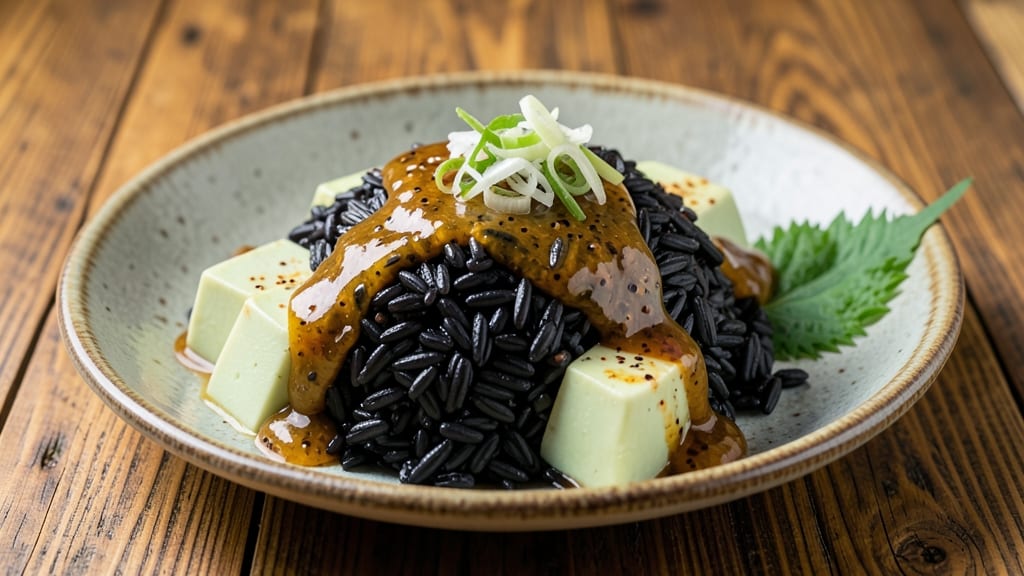
This black rice kanji recipe transforms bold, nutty black rice into a silky porridge with layers of umami and texture. The secret lies in slow-cooking the rice until it reaches that signature creamy consistency, then topping it with silky shredded tofu and crispy elements for contrast.
What makes this dish special is how it balances earthy rice with delicate toppings—each bite delivers a harmony of flavors and textures you won’t find in traditional kanji.
The process is simpler than it sounds: soak the rice overnight for perfect tenderness, simmer it gently to avoid mushiness, and finish with a light broth for depth. The result is a comforting bowl that’s rich in antioxidants from the black rice and protein-packed from the tofu.
Whether you’re serving it as a light meal or a nutritious lunchbox staple, this recipe proves comfort food can be both satisfying and health-conscious. Let’s get started on creating your own bowl of this Japanese-inspired delight.
Ingredients for black rice kanji
Four cups of water and a few key ingredients transform simple black rice into a luxurious porridge.
| Ingredient | Amount | Notes |
|---|---|---|
| Black Rice 🌾 | 1 cup | Uncooked, rinsed well |
| Water 💧 | 4 cups | For soaking and cooking |
| Silken Tofu 🧀 | 12 oz | Extra-firm preferred |
| Dashi Stock 🍲 | 2 cups | Homemade or store-bought |
| Soy Sauce 🍶 | 2 tbsp | Low-sodium preferred |
| Mirin 🍶 | 1 tbsp | Sweet rice wine |
| Sesame Oil 🫒 | 1 tsp | Toasted for aroma |
| Green Onions 🧅 | 2 whole | Thinly sliced for garnish |
| Sesame Seeds 🌿 | 1 tsp | Toasted lightly |
| Nori Strips 🌿 | 4 pieces | For crispy topping |
| Ginger 🧄 | 1 tsp | Freshly grated |
| Salt 🧂 | ½ tsp | Kosher preferred |
| White Sesame Seeds 🌿 | 1 tsp | For garnish |
| Rice Vinegar 🍶 | 1 tbsp | For finishing |
Black rice is the star here—look for organic black rice at Whole Foods or the bulk section of most grocery stores. It’s pricier than white rice, but the deep purple hue and nutty flavor are worth it. If you can’t find it, forbidden black rice from Asian markets works too—just rinse it well to remove any grit. The silken tofu should be extra-firm; House Foods or Nasoya brands are my go-tos. For dashi, homemade is ideal, but Hondashi powder makes a solid shortcut. Toast your sesame seeds in a dry pan for 30 seconds—they’ll smell amazing and add crunch.
No black rice? Brown rice cooked extra soft works in a pinch, though the texture won’t be identical. Skip the mirin? Substitute 1 tsp sugar + 1 tsp rice vinegar. Fresh ginger is best, but dried ginger at half the amount gets you close. The nori strips should be crispy—if they’re soft, toast them in a dry pan for 10 seconds per side. For extra umami, add 1 tsp fish-free Worcestershire sauce to the dashi. The green onions can be subbed with scallions, but the white parts add a nice bite. If you’re feeling fancy, top with crispy fried shallots for crunch.
This keeps beautifully in the fridge for 4 days—the flavors actually deepen overnight. Portion it into containers with the toppings on top so everything stays fresh. Freezes for 3 months too, though the nori might lose its crunch. I like to make a double batch—one for dinner, one for lunch the next day. The leftovers reheat perfectly with a splash of water or broth. Store the tofu in its water until ready to shred, and keep the sesame oil in the fridge after opening to preserve its flavor.
Why You'll Love This Recipe
- No-Soaking Needed: I’ll admit, I used to dread the long soak for black rice—but this kanji? Just a quick rinse and simmer. The grains stay plump and nutty without any fuss, and honestly, that first bite of that deep purple rice with the silken tofu’s melt-in-your-mouth texture? Worth every minute.
- Umami Bomb: The combo of dashi stock and soy sauce gives this kanji a savory punch that’s impossible to ignore. The black rice soaks up the flavor like a sponge, while the tofu adds a delicate contrast—smooth, cool, and just salty enough to make you reach for seconds.
- Lunchbox Hero: Between us, this is my go-to for meal prep. Cold or warm, it’s a hit—pack it in bento boxes for work or school, or serve it at potlucks. The tofu holds up perfectly, and the rice stays firm even after days in the fridge. (Yes, even on a Tuesday night.)
- Budget Stretch: Black rice might sound fancy, but it’s actually cheaper than white rice per pound, and this recipe uses minimal ingredients. A single batch feeds four for under $5, and leftovers reheat beautifully. I’ll be real: my wallet and my freezer both thank me.
Step-by-step instructions for black rice kanji
Here's how to make this nutty, silky dish with just a few simple steps.
Cook the Black Rice to Perfect Al Dente
Rinse the 1 cup black rice thoroughly under cold water until the water runs clear. This removes excess starch that can make the rice gummy. Transfer the rinsed rice to a medium saucepan and add the 4 cups water. Bring to a boil over medium-high heat, then immediately reduce to a low simmer. Cover with a tight-fitting lid and cook for 30 minutes without peeking.
After 30 minutes, check the rice. It should be tender but still have a slight bite—you want al dente texture that holds up well when served cold. If it's not quite there, cook another 5-10 minutes until just tender. Drain any excess water and spread the rice on a tray to cool completely. This cooling step is crucial for the kanji texture.
Prepare the Silky Tofu Mixture
While the rice cools, drain the 12 oz silken tofu and cut it into ¼-inch slices. In a small bowl, whisk together the 2 cups dashi stock, 2 tbsp soy sauce, 1 tbsp mirin, 1 tsp sesame oil, 1 tsp freshly grated ginger, and 0.5 tsp salt. This creates a flavorful base that will infuse the tofu beautifully.
Add the tofu slices to the dashi mixture and let them marinate for 15-20 minutes at room temperature. This step ensures the tofu absorbs the flavors deeply. After marinating, gently squeeze out any excess liquid—just enough to keep the tofu moist but not dripping. Set aside while you prepare the remaining components.
Assemble and Chill the Kanji
In a large mixing bowl, combine the cooled black rice with the marinated tofu. Gently fold everything together using a spatula, being careful not to break the tofu slices. The rice should be evenly distributed, with tofu pieces scattered throughout. Taste and adjust seasoning if needed—you might want to add a pinch more salt or a splash of rice vinegar for brightness.
Transfer the mixture to a serving dish and smooth the top with the back of a spoon. This creates an attractive presentation while keeping the texture intact. Cover with plastic wrap and refrigerate for at least 4 hours, or preferably overnight. The longer it chills, the better the flavors meld together.
Garnish and Serve with Crunchy Toppings
Before serving, thinly slice the 2 whole green onions and toast the 1 tsp sesame seeds and 1 tsp white sesame seeds in a dry skillet over low heat for 1-2 minutes until fragrant. Arrange the kanji on a platter and sprinkle with the toasted seeds and green onions. For extra texture, place the 4 pieces nori strips on top—press them gently so they adhere.
Serve chilled or at room temperature. The contrast of the nutty black rice, silky tofu, and crispy nori creates a delightful texture experience. This dish is perfect for meal prep—it actually tastes better the next day as the flavors continue to develop. Enjoy with a side of miso soup or pickled vegetables for a complete Japanese-inspired meal!
Pro Tips For Making Black Rice Kanji
- Soak Black Rice Overnight: I learned this the hard way—rushing the soak means gummy, uneven kanji. Use a 1:4 rice-to-water ratio and let it sit 12+ hours (yes, even if you’re impatient like me). The longer it soaks, the more the anthocyanins break down, giving that deep purple hue and silky texture. Trust me, your bowl of kanji will thank you.
- Rinse Until Water Runs Clear: After soaking, rinse the black rice in cold water until it’s completely clear—no purple tint left in the sink. I used to skip this, and my kanji always ended up slightly slimy. This step removes excess starch, which keeps the texture light and prevents that gluey mouthfeel. (Pro tip: Use a fine-mesh strainer for less mess.)
- Simmer Gently After Boiling: Once the kanji starts boiling, drop the heat to the lowest setting possible and cover tightly. I was skeptical until I tried it—boiling too hard makes the rice turn mushy and release starch like crazy. A slow, steady simmer for 20-25 minutes (after initial boil) keeps the grains intact and the broth clear. Your future self will notice the difference.
- Add Tofu Last, Off Heat: Silken tofu gets waterlogged fast, so resist the urge to toss it in with the boiling kanji. Instead, warm the broth separately, then gently fold in the tofu cubes after turning off the heat. This keeps them silky and intact—no sad, broken cubes at the bottom of your bowl. (Bonus: A splash of cold water over the tofu first helps it hold shape even better.)
Health benefits of this recipe
Antioxidant Powerhouse
Black rice is one of nature's most potent antioxidant sources, containing anthocyanins that give it that deep purple color. These compounds are linked to reduced inflammation and improved heart health.
A single serving provides more antioxidants than blueberries or spinach—about 400% more than white rice. This makes your kanji not just delicious but a true health booster. 💪
High Fiber Content
The bran layers in black rice remain intact, delivering 3 times more fiber than white rice. This fiber supports digestion and helps maintain steady blood sugar levels. With 3.5 grams per cup, it's perfect for keeping you full longer and supporting gut health.
I notice my energy levels stay more stable when I include black rice in meals.
Protein-Rich Plant-Based
Unlike white rice, black rice contains 8 grams of protein per cooked cup, making it an excellent plant-based protein source. The silken tofu in this kanji adds another 10 grams of protein per serving, creating a complete protein profile.
This combination makes it ideal for vegetarians or anyone looking to reduce meat consumption without sacrificing protein intake.
Rich in Essential Minerals
Black rice provides significant amounts of magnesium, phosphorus, and iron—minerals that support muscle function, bone health, and energy production. The iron content helps prevent fatigue, while magnesium aids in relaxation and sleep quality. These minerals work together to create a truly nourishing dish that supports overall wellness.
Low Glycemic Impact
With its high fiber and protein content, black rice has a low glycemic index, meaning it won't cause blood sugar spikes. This makes it an excellent choice for diabetics or anyone monitoring blood sugar levels.
The kanji's balanced composition helps maintain stable energy throughout the day, preventing those mid-afternoon crashes. 🌱
Heart-Healthy Fats
The small amount of healthy fats in black rice, combined with the sesame oil in this recipe, contributes to heart health. These fats help lower bad cholesterol while supporting brain function.
The omega-3 content, though modest, adds to the overall cardiovascular benefits. This makes your kanji not just tasty but a heart-smart choice for any meal.
Nutrition facts
Frequently asked questions
Why does black rice turn purple when cooked?
The deep purple color comes from anthocyanins, natural pigments that react with heat and acid. These antioxidants give black rice its vibrant hue and health benefits. The color intensifies when cooked with slightly acidic ingredients like rice vinegar or ginger, which is why this kanji recipe looks so striking!
Can I make this kanji without tofu?
Swap the silken tofu for 1 cup cooked edamame, ½ cup shredded chicken, or ½ cup diced mushrooms for umami. For a vegan option, try crumbled tempeh or chickpeas. Just adjust the marinade to complement your protein choice—extra soy sauce works well for mushrooms, while lemon juice brightens edamame.
How do I fix mushy black rice?
Mushy rice happens when overcooked or stirred too much. To rescue it, spread the rice on a tray and let it cool completely. Then, gently fold in 1 tbsp toasted sesame seeds and 1 tsp rice vinegar to add texture and acidity. For next time, cook the rice al dente (slightly firm) and avoid stirring after boiling—just simmer covered!
Is this kanji gluten-free?
Yes, this recipe is naturally gluten-free! Just ensure your dashi stock and soy sauce are certified gluten-free (use tamari instead of regular soy sauce if needed). The black rice, tofu, and toppings are all gluten-free ingredients. Always check labels on packaged items like nori strips to confirm.
Can I make this ahead of time?
Perfect for meal prep! Assemble the kanji up to 3 days ahead and store in an airtight container. The flavors deepen over time, and it reheats beautifully with a splash of water. For best texture, add crispy toppings (nori, sesame seeds) just before serving. Freeze for up to 3 months—thaw overnight in the fridge before garnishing.