
Main Courses
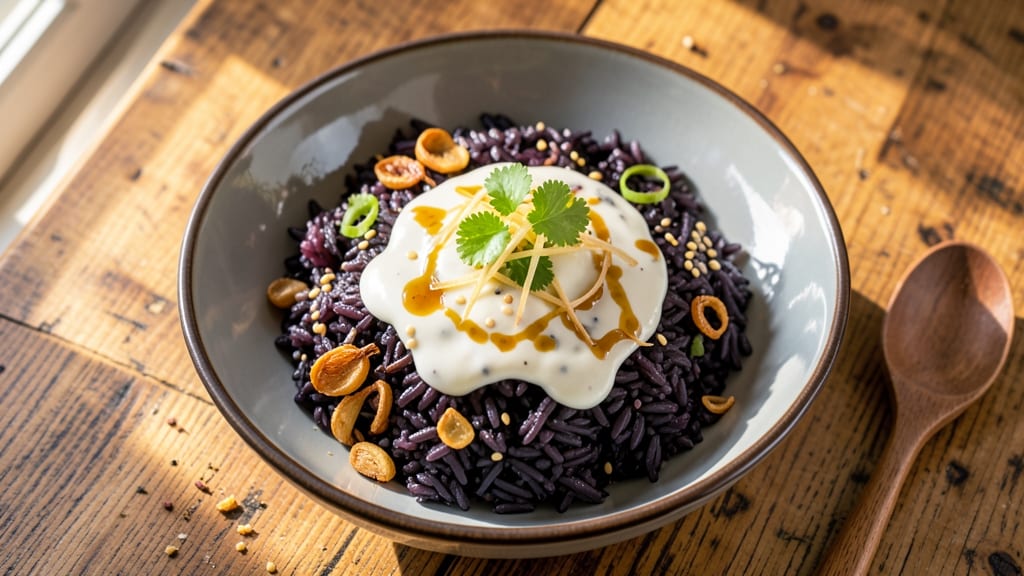
This Bolay forbidden black rice recipe transports you to the heart of Filipino cuisine with its deep, nutty flavor and striking appearance. The key lies in properly soaking and steaming the rice to unlock its earthy richness and perfect texture—no shortcuts here.
What makes this dish special is its cultural significance, often served during special occasions and celebrations.
With just a few simple ingredients and a method rooted in tradition, you'll create a dish that's both visually stunning and deeply flavorful. The rice absorbs its surroundings beautifully, making it the perfect canvas for complementary dishes like adobo or sinigang.
Let's bring this iconic Filipino staple to your table with confidence and authenticity.
Ingredients for bolay forbidden black rice
Authentic Filipino forbidden black rice requires just thirteen ingredients for its iconic nutty depth and striking appearance.
| Ingredient | Amount | Notes |
|---|---|---|
| Bolay Forbidden Black Rice 🍚 | 1 cup | Uncooked, unpolished grains |
| Water 💧 | 3 cups | Filtered or spring water preferred |
| Salt 🧂 | ½ tsp | Diamond Crystal kosher salt |
| Fresh Ginger 🌿 | 1 inch | Peeled, sliced thinly |
| Fresh Ginger 🌿 | 1 tbsp | Grated for aroma infusion |
| Coconut Milk 🥥 | 1 can (13.5 oz) | Full-fat for creaminess |
| Coconut Sugar 🍯 | 2 tbsp | Or brown sugar substitute |
| Pandan Leaves 🌿 | 2 whole | Tied in cheesecloth bundle |
| Bay Leaves 🍃 | 2 whole | For subtle earthy depth |
| Olive Oil 🫒 | 2 tbsp | Extra-virgin for richness |
| Garlic Cloves 🧄 | 3 cloves | Minced for aromatic base |
| Black Peppercorns 🌶️ | ½ tsp | Freshly cracked |
| Toasted Sesame Oil 🫒 | 1 tsp | For finishing drizzle |
Bolay forbidden black rice is the star—look for unpolished grains at specialty Asian markets like H Mart or 99 Ranch Market. The unpolished version retains its deep purple hue and nutty flavor. Fresh ginger should be vibrant and firm—avoid any with soft spots. Pandan leaves, essential for authentic flavor, can be found frozen in the international aisle at Walmart or Target. For coconut milk, full-fat canned versions like Aroy-D provide the richest texture, though light versions work in a pinch. Toasted sesame oil is non-negotiable for that signature finishing touch—Lee Kum Kee is a reliable brand.
No pandan leaves? Vanilla extract at half the amount provides a similar sweetness, though lacks the distinctive floral note. Substitute coconut sugar with dark brown sugar, but expect slightly less caramelization. Fresh ginger can be swapped for 1 tsp ground ginger, though texture and aroma will differ. For a quicker version, use pre-grated ginger from the refrigerated section at Trader Joe's. The rice-to-water ratio is critical—1:3 ratio ensures proper hydration without mushiness. Bay leaves can be omitted entirely if unavailable, though they add subtle earthiness that complements the rice's natural depth.
Store uncooked rice in an airtight container away from light to preserve its vibrant color and prevent rancidity. Cooked rice keeps for 3-4 days in the refrigerator when stored properly—cover tightly with plastic wrap pressed directly against the surface. For longer storage, freeze portions in single-serving containers for up to 3 months. The infused coconut milk base can be prepped ahead and stored separately for 2 days in the fridge, though flavor integration improves with fresh preparation. When reheating, add a splash of water to maintain moisture and texture.
Why You'll Love This Recipe
- Five-Ingredient Magic: I swear, this recipe is that simple—just rice, water, salt, and ginger. No fancy prep, no hidden steps, just boil and let the forbidden black rice do its thing. The ginger infuses effortlessly, so you’re left with minimal cleanup and maximum flavor.
- Earthy, Nutty Bliss: That deep, almost smoky aroma from the black rice? It’s like a warm hug in a bowl. The ginger adds a bright kick without overpowering, and honestly, the texture—chewy yet tender—is exactly what makes it crave-worthy.
- Lunchbox Hero: Between us, this rice keeps perfectly for days in the fridge. Pack it cold for work or reheat it for a quick dinner—it’s my go-to when I need something filling but not heavy. (Yes, even on a Tuesday night.)
- Budget Power Move: A single bag of forbidden black rice goes a long way, and ginger is cheap. You’re getting restaurant-quality depth for a fraction of the cost, and leftovers? They’re basically free meals waiting to happen.
Step-by-step instructions for forbidden black rice preparation
Aromatic, nutty, and deeply satisfying—this method unlocks the full potential of Bolay forbidden black rice.
Prepare the Rice and Aromatics
Rinse the 1 cup Bolay Forbidden Black Rice thoroughly under cold water until the water runs clear. This removes excess starch and prevents gumminess during cooking. I like to swirl the rice gently in the bowl—it should settle quickly rather than clouding the water. Drain completely and transfer to a medium saucepan.
In a separate small bowl, combine the 1 inch Fresh Ginger (peeled and sliced) with the 3 cloves Garlic Cloves (minced) and 0.5 tsp Black Peppercorns. Crush the peppercorns lightly with the flat of a knife to release their oils. This aromatic blend will infuse the rice with complex layers of flavor as it simmers.
Toast the Rice for Enhanced Nuttiness
Heat the 2 tbsp Olive Oil in the saucepan over medium heat until shimmering but not smoking. Add the rice and toast for 3-4 minutes, stirring constantly with a wooden spoon. You'll notice the grains darken slightly and release their nutty aroma—this step develops depth of flavor that raw cooking can't match. Watch closely; the rice should smell toasted but not charred.
Add the 1 tbsp Fresh Ginger (grated) and the prepared garlic-peppercorn mixture. Stir for 30 seconds until fragrant. This is where the magic begins—the ginger's warmth and the peppercorns' piquancy will carry through the entire dish. Immediately pour in the 3 cups Water and bring to a boil over high heat.
Simmer with Aromatic Infusions
Once boiling, reduce heat to low and add the 0.5 tsp Salt, 2 whole Pandan Leaves (tied in cheesecloth), and 2 whole Bay Leaves. Cover with a tight-fitting lid and simmer for 30 minutes without peeking. The rice needs undisturbed cooking to absorb liquid evenly and develop its signature creamy texture. If you lift the lid early, you'll release steam and extend cooking time.
After 30 minutes, check for doneness by pressing a grain against the side of the pan with a fork. It should be tender with a slight resistance—like al dente pasta. If needed, add 1-2 tablespoons water and continue cooking for another 5-10 minutes. The rice should finish cooking in the coconut milk later, so don't overcook it now.
Finish with Coconut Milk and Sweetness
Remove the pan from heat and gently stir in the 1 can (13.5 oz) Coconut Milk and 2 tbsp Coconut Sugar. The sugar will dissolve quickly from the residual heat. Return the pan to low heat and simmer for 5-7 minutes, stirring occasionally, until the mixture thickens slightly. You're looking for a creamy, pudding-like consistency—almost like a cross between rice and custard.
Taste and adjust seasoning. The coconut milk should balance the earthiness of the rice, while the sugar enhances its natural sweetness. The pandan and bay leaves will infuse subtle floral and herbal notes. Remove the cheesecloth bundle and discard the leaves before proceeding.
Serve with Finishing Touches
Transfer the rice to a serving bowl and let it sit for 2-3 minutes to thicken further. Drizzle with 1 tsp Toasted Sesame Oil just before serving—this adds a nutty, toasty aroma that complements the rice's earthy depth. The sesame oil should coat the surface like a delicate sheen, enhancing both flavor and presentation.
Serve immediately while warm. Each bite should deliver a harmonious blend of nutty rice, creamy coconut, and aromatic spices. The forbidden black rice's deep purple hue will contrast beautifully with the golden coconut milk, creating a visually stunning dish that's as impressive as it is delicious.
Pro Tips For Making Bolay Forbidden Black Rice
- Rinse Twice, Soak Long: Black rice holds onto starch like it’s hoarding treasure, so give it a thorough rinse—first under cold water, then swish it around in a bowl to break up any grit. Then soak for at least 30 minutes (or overnight if you’re patient). I learned this the hard way—skipping the soak left my rice gummy, no matter how much water I used.
- Start Boiling, Then Add Rice: Bring the water to a full, rolling boil before tossing in the rice. This ensures even cooking and prevents the rice from sticking like glue to the pot. After adding the rice, stir once, then let it sit undisturbed for 5 minutes—this helps the grains plump up evenly.
- Grate Ginger Fine, Not Chop: Fresh ginger needs to be finely grated (or minced very small) to dissolve properly into the rice. A box grater works best—chunky pieces just sit there like stubborn guests at a party. Add it with the salt early, so it infuses instead of lurking at the bottom.
- Use 1:3 Ratio, No Guessing: Forbidden black rice needs a precise water-to-rice ratio—1 part rice to 3 parts water. Too little, and it turns mushy; too much, and it stays crunchy. If your pot’s depth is confusing, measure water first, then add rice. Trust me, your future self will thank you for not eyeballing it.
Essential equipment for this dish
Essential Cooking Tools
For Bolay forbidden black rice, a medium saucepan with tight-fitting lid is non-negotiable—it ensures even steaming and prevents moisture loss. I prefer Calphalon stainless steel for its even heat distribution, but any heavy-bottomed pot works. A wooden spoon helps stir without scratching the pan's surface, preserving its non-stick properties. 🍚
Precision Measuring
Accurate measurements are critical for this recipe. Use a digital kitchen scale for the rice (aim for 150g for 1 cup) and a fine-mesh strainer to rinse it thoroughly. A microplane for ginger ensures even grating, while a garlic press makes mincing cloves effortless.
I keep my Lee Kum Kee toasted sesame oil in a small squeeze bottle for easy drizzling.
Infusion Accessories
Pandan leaves need containment—cheesecloth or a small muslin bag works perfectly to bundle them. A small mortar and pestle helps crush peppercorns for maximum aroma release.
For the finishing drizzle, a clean kitchen brush spreads sesame oil evenly without over-saturating the rice. These tools elevate the dish from good to restaurant-quality.
Optional Pro Upgrades
For advanced cooks, a thermometer ensures water reaches 212°F before simmering. A steamer basket lets you cook rice separately if you prefer less coconut milk absorption. I also recommend amber glass jars for storing cooked rice—they preserve color and block light better than plastic.
These upgrades aren't essential but make the process smoother. ✨
Budget-Friendly Swaps
No cheesecloth? Use a clean kitchen towel tied tightly around the pandan leaves. A sharp knife works fine for mincing garlic instead of a press. For sesame oil, substitute with 1 tsp regular sesame oil (though toasted adds more depth). These swaps keep the dish authentic without breaking the bank.
Storage Containers
Invest in glass airtight containers for leftovers—they maintain freshness for 3-4 days in the fridge. For freezing, use silicone molds to portion individual servings. I label my containers with dates using a permanent marker to track freshness. Proper storage keeps the rice's vibrant color and creamy texture intact.
Nutrition facts
Frequently asked questions
What makes Bolay forbidden black rice different from regular black rice?
Bolay forbidden black rice is a premium variety with larger grains and a more intense nutty, earthy flavor compared to standard black rice. The unpolished grains retain their deep purple color and higher nutritional content, including more antioxidants and fiber. This specific preparation method—with coconut milk and pandan—creates its signature creamy texture and aromatic profile.
Can I substitute pandan leaves if I can't find them?
Yes! Use ½ teaspoon vanilla extract or 1 teaspoon pandan extract as a substitute, though the floral aroma won't be identical. For a similar effect, try ½ teaspoon lemongrass paste (from Asian markets) or a pinch of cardamom pods (lightly crushed). The dish will still taste delicious but with slightly different herbal notes.
Why does the recipe call for toasting the rice?
Toasting develops the rice's natural nutty flavor and prevents it from becoming mushy. The 3-4 minute toast also enhances its texture by removing excess moisture before cooking. This step is especially important for forbidden black rice, which has a denser grain structure than white rice.
How do I know when the rice is fully cooked?
Press a grain gently with a fork—it should be tender with a slight resistance (like al dente pasta). The rice should also look glossy and the liquid absorbed. If it's still firm, add 1-2 tablespoons water and cook for another 5 minutes while covered. Overcooking turns it gummy.
What's the best way to serve this dish?
This rich rice pairs perfectly with tangy dishes like Filipino adobo or sinigang to balance its creaminess. For presentation, serve in a shallow bowl and garnish with crispy fried shallots or toasted coconut flakes. The deep purple rice contrasts beautifully with golden coconut milk, making it visually stunning.