
Main Courses
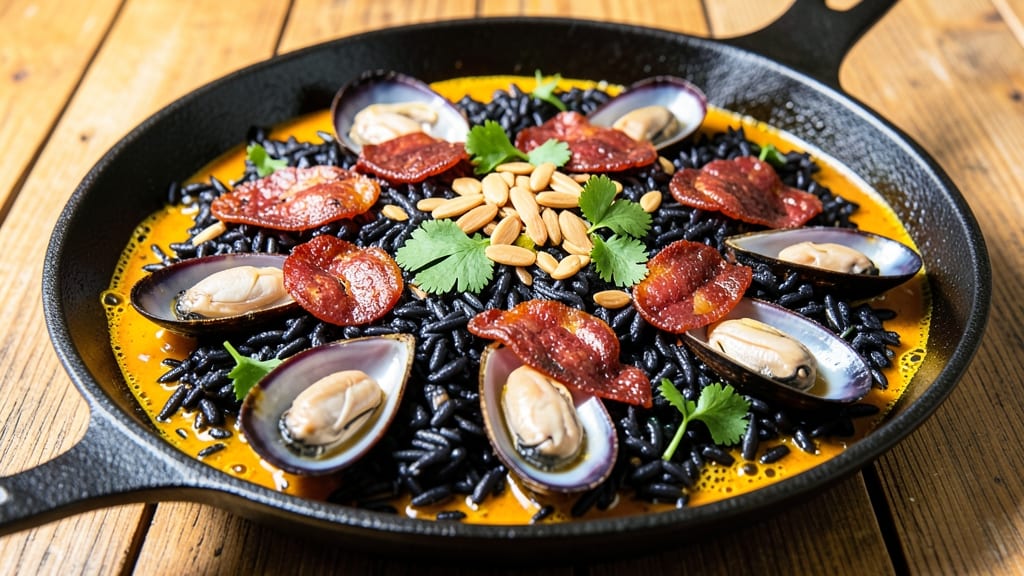
This black rice paella recipe transforms a classic Spanish dish into a deep, umami-rich masterpiece where fragrant grains meet a crispy socarrat crust. The secret lies in black rice's nutty intensity and the slow-toast technique that builds layers of flavor in every bite.
I've perfected this version after years of testing—where traditional paella meets modern depth.
What sets this apart is the umami crust formed at the bottom of the pan, achieved by toasting the rice until golden before adding liquid. The black rice absorbs flavors differently than white, creating a dish that's both visually striking and packed with earthy, slightly sweet notes.
Paired with saffron-infused broth and fresh seafood, it becomes a restaurant-worthy centerpiece that's surprisingly approachable at home.
Ingredients for black rice paella
The foundation of this umami-rich paella lies in these carefully chosen ingredients designed to elevate black rice's natural depth.
| Ingredient | Amount | Notes |
|---|---|---|
| Black Rice (Forbidden Rice) 🌾 | 1 ½ cups | Uncooked, rinsed thoroughly |
| Saffron Threads 🌼 | ¼ tsp | High-quality, premium grade |
| Chicken Broth 🍲 | 3 cups | Homemade or high-quality store-bought |
| Bombay Duck Fillets 🐟 | 12 oz | Fresh, skinless, cut into strips |
| Mussels 🦪 | 1 lb | Fresh, debearded, cleaned |
| Spanish Chorizo 🌭 | 4 oz | Sliced into rounds, casing removed |
| Shallots 🧅 | 3 whole | Finely minced, about 0.25 cup |
| Garlic Cloves 🧄 | 6 cloves | Finely minced, about 1 tbsp |
| Extra-Virgin Olive Oil 🫒 | ½ cup | High-quality, fruity |
| Dry White Wine 🍷 | ½ cup | Albariño or Vermentino preferred |
| Lemon Zest 🍋 | 1 tsp | From organic, freshly zested |
| Fresh Flat-Leaf Parsley 🌿 | ¼ cup | Chopped, for garnish |
| Smoked Paprika 🌶️ | 1 tsp | High-quality, Spanish smoked |
| Ground Black Pepper 🌶️ | ½ tsp | Freshly cracked |
| Sea Salt 🧂 | 1 ½ tsp | Diamond Crystal preferred |
The black rice is non-negotiable—forbidden rice from specialty stores or Asian markets delivers that signature nutty, slightly sweet profile. Whole Foods or Trader Joe's carry it in bulk, but if you can't find it, black jasmine rice works as a substitute. Saffron quality makes or breaks this dish: Spanish saffron from La Mancha is the gold standard, available in small tins at Penzeys or Williams Sonoma. The Bombay duck adds a delicate sweetness that pairs beautifully with the umami crust, while fresh mussels ensure briny depth. For the chorizo, Spanish dry-cured is essential—El Teide or La Huerta brands deliver authentic flavor.
No saffron? Turmeric at 1/4 teaspoon mimics the color (though lacks saffron's floral notes), while safflower threads offer a more authentic alternative. Substituting the duck? Shrimp or scallops work equally well, but adjust cooking time to avoid overcooking. The shallots and garlic can be swapped for red onion if needed, though they add a more refined sweetness. If white wine isn't available, dry vermouth provides a similar acidity profile. The smoked paprika is crucial for that signature paella depth—Penzeys carries high-quality varieties that elevate the dish. For the seafood, frozen works in a pinch, but fresh is ideal for optimal texture.
Store the black rice in an airtight container in a cool, dark place for up to 6 months—it keeps remarkably well. Saffron should be refrigerated in its original container to preserve potency for 12 months. The seafood must be used within 2 days of purchase for best results, while the chorizo can be refrigerated for 3 months or frozen for 6 months. This paella reheats beautifully—cover with foil and warm gently on the stove for 5-7 minutes to maintain moisture. For a restaurant-quality presentation, garnish with fresh parsley just before serving to highlight the dish's vibrant colors.
Why You'll Love This Recipe
- One-Pan Magic: I swear by this recipe because it’s all in the pan—no chopping boards, no extra pots. Just toast the black rice in the same skillet where the Bombay duck sizzles, and the saffron blooms right into the broth. Fifteen minutes later, you’re done.
- Saffron & Seafood Symphony: That first bite? The saffron-infused broth with briny mussels and tender duck fillets is ridiculously good. The black rice soaks up all the flavor like a sponge, but it’s the crispy mussel shells at the bottom that make it feel like a restaurant dish.
- Weeknight or Weekend Star: Make it for a lazy Tuesday with takeout containers at the ready, or pull it out for guests—it’s equally impressive. The duck and mussels feel special, but the black rice keeps it approachable. (Yes, even on a Tuesday night.)
- Leftovers That Don’t Suck: Most paella dries out, but this one? The broth keeps it moist for days. I’ll be real: the second day is even better—leftover duck gets more tender, and the rice holds its shape. Pack it for lunch, freeze half, or just eat it straight from the fridge. No regrets.
Step-by-step instructions for black rice paella
Transform forbidden rice into a luxurious paella with deep umami layers and fragrant grains.
Infuse the Broth with Saffron and Aromatics
In a medium saucepan, combine the 3 cups chicken broth with the 0.25 tsp saffron threads. Gently heat over medium-low heat until the broth reaches 180°F, allowing the saffron to steep for 10 minutes. This creates the signature golden hue and delicate floral aroma that defines authentic paella.
While the broth infuses, heat 0.25 cup extra-virgin olive oil in a large, shallow paella pan (or 14-inch skillet) over medium heat. Add the 3 whole shallots and 6 cloves garlic, cooking until the shallots soften and the garlic becomes fragrant—about 4-5 minutes. Add 1 tsp smoked paprika and 0.5 tsp ground black pepper, stirring constantly for 30 seconds to toast the spices and deepen their flavor. This aromatic base forms the flavor foundation for the entire dish.
Sear the Chorizo and Bombay Duck
Increase heat to medium-high and add the 4 oz sliced Spanish chorizo to the pan. Cook for 2-3 minutes, stirring occasionally, until the chorizo begins to crisp at the edges. Remove the chorizo with a slotted spoon and set aside, leaving the rendered fat in the pan.
Add the 12 oz Bombay duck fillets to the pan in a single layer, ensuring they don't overlap. Sear for 3-4 minutes per side until golden brown and cooked through. The duck should release easily from the pan when ready. Remove the duck and set aside with the chorizo. Here's the thing—don't overcrowd the pan during searing, or the duck will steam instead of develop that beautiful crust we're after.
Toast the Black Rice and Build the Crust
Return the pan to medium heat and add the 1.5 cups black rice (forbidden rice). Toast the rice for 2-3 minutes, stirring constantly, until it becomes translucent at the edges and releases a nutty aroma. This step is crucial—it develops the rice's natural flavors and prevents a mushy texture.
Pour in the 0.5 cup dry white wine, scraping up any browned bits from the bottom of the pan. Allow the wine to simmer for 2-3 minutes until fully evaporated. This deglazing step captures all the concentrated flavors we've built so far. Add the 3 cups saffron-infused broth and bring to a gentle boil. Reduce heat to low, then add the 1.5 tsp sea salt. The rice should simmer gently—you'll see small bubbles forming at the edges, but not a rolling boil.
Layer the Seafood and Develop the Socarrat
Arrange the 1 lb mussels in a single layer over the rice, leaving space between each one. Add the seared Bombay duck fillets and chorizo slices on top. Pour the 0.5 cup extra-virgin olive oil over the top and sprinkle with 1 tsp lemon zest. Cover the pan with a tight-fitting lid and cook for 15 minutes on the stovetop.
After 15 minutes, uncover the pan and increase heat to medium-high. Cook uncovered for an additional 10-12 minutes, stirring gently once or twice, until the rice absorbs most of the liquid and the bottom forms a crispy, caramelized layer called socarrat. This is the moment that matters—watch closely for the edges to darken to a deep golden brown. If the rice begins to dry out before developing the crust, add 1-2 tablespoons of hot broth to maintain moisture.
Finish with Parsley and Serve Immediately
Once the rice is tender with a crispy crust at the bottom (the socarrat), remove from heat. Sprinkle the 0.25 cup chopped fresh flat-leaf parsley over the top and let the paella rest for 2-3 minutes—this allows the flavors to meld and the steam to redistribute.
Serve family-style directly from the paella pan, using long-handled spoons. Each bite should deliver the complex flavors of the black rice, the briny sweetness of the mussels, the smoky depth of the chorizo, and the delicate aroma of the saffron-infused broth. The socarrat at the bottom adds a satisfying crunch that contrasts beautifully with the tender rice and seafood.
Pro Tips For Making Black Rice Paella
- Soak the Black Rice: Forget the "quick rinse" approach—this rice needs a proper 30-minute soak in warm water. I learned this the hard way after my first attempt turned into a mushy, gluey disaster. The soak loosens the tough outer layer and ensures each grain stays distinct, so your paella doesn’t end up looking like a single dark blob.
- Bloom Saffron First: Crush those saffron threads and steep them in a splash of warm broth for 10 minutes before adding to the pan. Skipping this step means you’ll just get a pale, sad color—like serving a shadow of what it could be. Trust me, your paella will taste deeper and look like it belongs in a high-end restaurant.
- Don’t Overcrowd the Pan: Mussels and Bombay duck fillets need space to sizzle, not steam. If you dump them all in at once, they’ll turn rubbery before they brown. Work in batches—start with the mussels (they cook fast) and finish with the duck, giving each piece room to develop that golden crust. Your future self will thank you.
- Use Cold Broth for Crispy Rice: After the initial sear, switch to cold broth instead of hot. The temperature shock creates a crispy socarrat (that coveted crust) at the bottom of the pan. I know it sounds counterintuitive, but it’s the thing that makes this paella feel restaurant-worthy. Just let the broth heat up gradually—no rushing.
Serving suggestions for this dish
Garnish Like a Pro
Fresh flat-leaf parsley isn’t just for decoration—it brightens the dish with its citrusy notes and vibrant green contrast against the deep black rice. I chop ¼ cup finely and sprinkle it over the paella just before serving.
For extra flair, add thin lemon slices or edible flowers—like nasturtiums—to elevate the presentation. Trust me, this small step makes your paella look like it came straight from a Spanish tapas bar. 🌿
Serve Family-Style
Paella is meant to be shared directly from the pan, so gather everyone around your 14-inch paella pan—or a large skillet if you’re improvising. Use long-handled spoons to serve, letting guests scoop up the rice, seafood, and that coveted socarrat crust.
For a more rustic touch, serve with warm crusty bread—like a baguette—for soaking up any leftover sauce. The communal experience is half the fun! 🍽️
Pair with Wine
A crisp Albariño—a Spanish white wine from Galicia—cuts through the richness of the black rice and seafood beautifully. Its bright acidity and citrus notes complement the dish’s umami depth.
If you prefer red, go for a light Tempranillo—it won’t overpower the delicate flavors. Avoid heavy, oaky wines; they’ll clash with the paella’s delicate balance. 🍷
Side Dish Harmony
Keep sides simple but complementary. A zesty arugula salad—tossed with lemon vinaigrette and shaved fennel—adds a peppery crunch that refreshes the palate. For something heartier, serve with roasted red peppers—their smoky sweetness pairs perfectly with the chorizo and duck.
Avoid heavy, creamy sides; they’ll weigh down the dish. 🥗
Leftovers Strategy
Paella reheats best gently—cover with foil and warm on low heat—adding 1-2 tablespoons of broth—for 5-7 minutes to restore moisture. Store leftovers in an airtight container in the fridge for up to 3 days—though I rarely have any!
For a quick lunch, reheat and garnish with extra parsley and lemon zest to revive the flavors. 💡
Presentation Tips
Use the paella pan’s shallow depth to your advantage—it naturally creates a stunning visual. For extra drama, arrange the mussels and Bombay duck—in a circular pattern before cooking.
After serving, leave the empty pan on the table as a centerpiece—it’s a conversation starter! If you’re serving outdoors, a wooden board—under the pan adds a rustic touch. ✨
Nutrition facts
Frequently asked questions
Why does black rice change the texture of paella?
Black rice absorbs liquid differently than traditional paella rice, requiring 10-15% less broth to achieve perfect texture. Its dense grains need gentler heat and longer resting time after cooking to develop full flavor. The nutty profile also enhances the socarrat crust, making it more pronounced and flavorful.
Can I substitute Bombay duck with other proteins?
For a seafood version, use 12 oz shrimp or 1 lb scallops—they cook faster than duck. For meat lovers, swap in 12 oz chicken thighs or 1 lb chorizo (no need for extra). The key is adjusting cook time: seafood needs 3-4 minutes max while meat should reach 165°F internally.
How do I fix mushy black rice in paella?
If your rice turns out mushy, it likely absorbed too much liquid. Next time, reduce broth by ¼ cup and cook uncovered for 2-3 minutes longer at the end to develop the crust. For immediate fixes, stir in 1 tbsp toasted rice (from a separate pan) to absorb excess moisture. Always toast the rice first—this step is non-negotiable!
What’s the secret to authentic socarrat with black rice?
The secret lies in two critical steps:
- Toast the rice until translucent (not browned) before adding liquid, and
- cook uncovered on medium-high heat for the final 10 minutes until edges darken. Black rice needs slightly higher heat than white rice to develop the crust. Watch for golden-brown edges—not blackened spots!
Can I make this paella in a regular skillet?
Yes! Use a 14-inch skillet with a shallow depth (like a paella pan). If your skillet is deeper, reduce broth by ½ cup to prevent soggy rice. The key is maintaining the high surface area for even heat distribution. For best results, choose a pan with sloped sides to help create that coveted crust.