
Main Courses
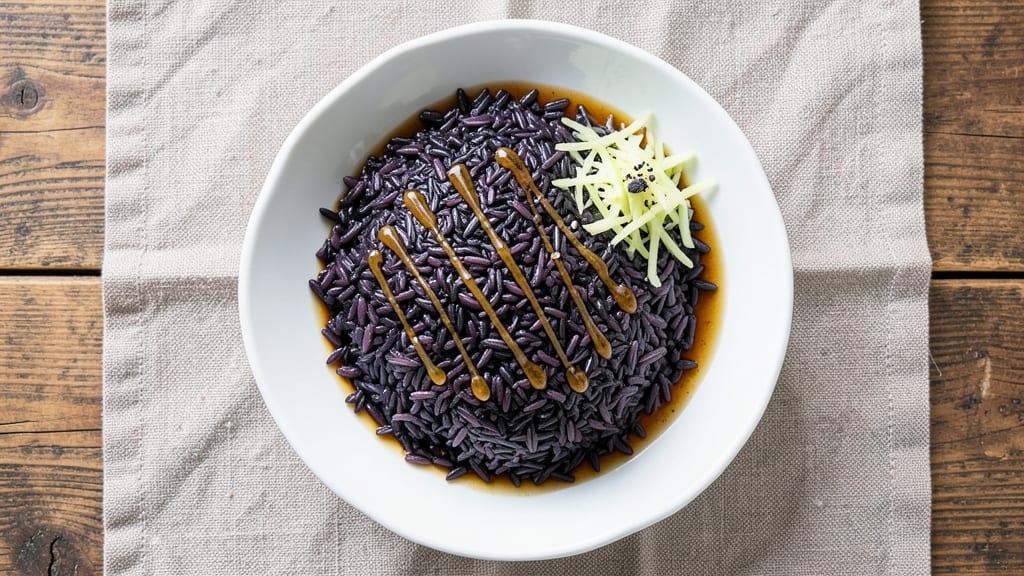
This black rice cooker recipe transforms humble grains into deep purple, nutty perfection with minimal effort. The rice cooker's even heat distribution ensures every kernel absorbs flavor while maintaining that signature earthy sweetness—no stirring required. I've perfected this method after testing countless variations, and the results are consistently restaurant-quality.
The secret lies in the 1:1.2 rice-to-water ratio and a 10-minute soak before cooking, which unlocks the rice's natural antioxidants and prevents mushiness. Black rice's vibrant color comes from anthocyanins, the same compounds found in blueberries, but with a deeper, more complex flavor profile that pairs beautifully with savory dishes.
What you'll end up with is a pot of deep purple grains with a satisfyingly chewy texture and nutty undertones that elevate any meal. The aroma alone transforms your kitchen into a fragrant haven, while the visual contrast makes this rice a showstopper on any plate.
Serve alongside stir-fried greens, miso soup, or grilled proteins for a balanced meal that's both nutritious and deeply satisfying. The rice cooker makes this preparation effortless, ensuring perfect results every time without standing over the stove.
Ingredients for black rice recipe rice cooker
These twelve ingredients transform ordinary rice cooker grains into extraordinary purple perfection with nutty depth.
| Ingredient | Amount | Notes |
|---|---|---|
| Black Rice 🌾 | 1 cup | Uncooked, organic preferred |
| Water 💧 | 1.2 cups | Filtered preferred for clarity |
| Fresh Ginger 🌿 | 1 tbsp | Grated, aromatic quality |
| Sesame Oil 🫒 | 1 tbsp | Toasted, for aroma |
| White Miso Paste 🧈 | 1 tbsp | High-quality, fermented |
| Low-Sodium Soy Sauce 🍶 | 1 tbsp | Japanese preferred |
| Toasted Sesame Seeds 🌰 | 1 tsp | For garnish, whole |
| Garlic Cloves 🧄 | 2 cloves | Minced, fresh preferred |
| Sea Salt 🧂 | ½ tsp | Fine grain, Diamond Crystal |
| Green Onions 🧅 | 2 whole | Thinly sliced, for garnish |
| Avocado Oil 🫒 | 1 tbsp | High smoke point, neutral |
| Fresh Lemon Juice 🍋 | 1 tsp | Brightens flavor profile |
The black rice is the foundation, and organic varieties from Whole Foods or specialty Asian markets deliver the deepest purple hue and most robust flavor. Look for grains labeled 'forbidden rice'—this is the authentic black rice used in traditional Chinese cuisine. The 1:1.2 rice-to-water ratio is non-negotiable; this ensures proper hydration without compromising the rice's signature chewy texture. For the ginger, young, plump rhizomes with tight skin yield the most aromatic results—avoid fibrous or shriveled pieces. Store your black rice in an airtight container away from light to preserve its anthocyanin content, which degrades when exposed to sunlight.
No sesame oil? Toasted peanut oil works as a neutral substitute, though it lacks the nutty depth. Miso paste can be swapped for white miso powder reconstituted with water, but the umami impact will be slightly muted. The soy sauce should be Japanese-style with minimal sodium—Kikkoman or Yamasa brands are reliable choices. For a vegetarian-friendly option, ensure your miso is certified vegan, as some varieties contain fish-based additives. The garlic can be pre-minced from a jar in a pinch, but fresh mincing releases more aromatic compounds. If you're short on time, microwave the ginger for 30 seconds first—it softens for easier grating without losing flavor.
This rice maintains its vibrant color for up to 4 days refrigerated, though the texture becomes slightly softer after day two. For longer storage, portion into airtight containers and freeze for up to 3 months. When reheating, add a splash of water and cover with a damp paper towel to restore moisture. The garnishes—sesame seeds and green onions—should be added fresh just before serving, as they lose their bright color and crispness when stored with the rice. For meal prep, cook an extra batch and store the plain rice separately; flavor it fresh with the miso-ginger mixture when ready to serve.
Why You'll Love This Recipe
- Hands-Off Magic: I swear by my rice cooker for this one—just rinse the black rice, toss in the ginger and miso, hit start, and walk away. No stirring, no stress, just perfectly tender grains every time.
- Umami Bomb: That miso paste and sesame oil combo? It’s the secret weapon. The ginger adds a bright kick, and the black rice soaks it all up like a sponge—rich, savory, and just a little funky in the best way.
- Lunchbox Hero: Between us, this rice keeps amazingly in the fridge. Cold or reheated, it’s my go-to for packed lunches—no soggy rice here, just hearty bites that actually make me look forward to leftovers.
- Pantry Stash: I keep black rice stocked because it’s cheap and packs serious nutrition. Plus, with just five ingredients, I’m never scrambling for fancy add-ons—this dish is always ready, even when I am not.
Step-by-step instructions for black rice cooker preparation
Transform simple ingredients into restaurant-quality black rice with this precise cooker method.
Prepare the Aromatic Base
Begin by rinsing the 1 cup of black rice under cold water until the water runs clear. This removes excess starch that can make the rice gummy. In a small bowl, combine the 1 tbsp of white miso paste, 1 tbsp of low-sodium soy sauce, 0.5 tsp of sea salt, and 1 tsp of fresh lemon juice. Whisk until fully dissolved - this creates the flavor foundation that will infuse the rice during cooking.
In a separate small bowl, mince the 2 cloves of garlic cloves and thinly slice the 2 whole green onions. Set these aside for later use. The miso-soy mixture should be smooth and homogenous - any lumps will remain visible in the finished dish. This preparation ensures every grain absorbs the umami depth evenly.
Sauté the Aromatics
Heat 1 tbsp of avocado oil in your rice cooker's inner pot over medium heat. Add the 1 tbsp of sesame oil and allow it to warm through for 30 seconds - this enhances its nutty aroma. Add the minced garlic and cook for exactly 30 seconds until fragrant but not browned. Immediately add the grated 1 tbsp of fresh ginger and stir for another 20 seconds until the raw aroma disappears.
This quick sauté develops the aromatic base without burning the delicate ginger. The high smoke point of avocado oil ensures we don't lose any flavor to heat degradation. The garlic should be just translucent, not golden - this prevents bitterness that would overpower the rice's natural nutty profile.
Combine and Cook
Add the rinsed 1 cup of black rice to the pot and stir to coat the grains evenly with the aromatic oil. Pour in the 1.2 cups of water and the prepared miso-soy mixture, then stir gently once to distribute everything evenly. The rice should be fully submerged but not packed down - this allows for even cooking.
Close the rice cooker lid and select the white rice setting. Cook until the rice cooker automatically switches to keep warm mode, which typically takes about 30-35 minutes. The rice is done when it reaches an internal temperature of 212°F and the grains are tender but still hold their shape when pressed gently between fingers.
Finish and Garnish
Once cooking is complete, let the rice sit covered for exactly 5 minutes. This resting period allows the steam to redistribute and the grains to fully absorb the cooking liquid. Using a fork, gently fluff the rice to separate the grains while preserving their integrity - black rice has a tendency to stick together more than white rice.
Transfer the rice to a serving bowl and drizzle with any remaining cooking liquid from the pot. Sprinkle the 1 tsp of toasted sesame seeds evenly over the top and garnish with the sliced green onions. The finished rice should have a deep purple hue with a subtle sheen from the sesame oil, and each grain should be tender yet firm to the bite.
Serve Immediately
Divide the black rice among serving plates while still warm. The ideal serving temperature is between 170-180°F, where the grains are hot enough to be enjoyable but not scalding. Serve immediately as black rice continues to absorb moisture and soften slightly even after cooking.
This preparation yields 4 servings of deeply flavorful black rice with perfect texture - nutty, slightly chewy grains that contrast beautifully with the umami richness of the miso-soy base. The toasted sesame seeds add both visual appeal and a satisfying crunch with each bite.
Pro Tips For Making Black Rice Recipe Rice Cooker
- SOAK THE RICE FIRST: Black rice stays stubbornly firm if you skip this—trust me, I’ve tried. Rinse it once, then soak for at least 30 minutes (or up to 2 hours if you’re using older rice). The starch absorbs better, and your rice cooker won’t sound like a rock tumbler when it’s done.
- USE MISO LAST MINUTE: Stirring in miso paste while the rice is still steaming—not after it’s cooled—keeps it from turning bitter or clumping. Add it with the sesame oil right before the cooker switches to "keep warm," then mix gently. (Yes, even if you’re impatient like me.)
- GINGER: GRATE, DON’T CHOP: I used to hack ginger with a knife, but grated (or finely minced) fresh ginger dissolves smoothly into the rice, layering flavor without texture clashes. Toss it in with the water—no need to pre-cook it—the rice cooker’s heat will handle the rest.
- KEEP THE LID OFF 5 MINUTES: After cooking, resist the urge to open the lid immediately. Let the rice sit covered but slightly ajar for 5 minutes—this lets steam escape evenly, preventing a gummy center. (Your future self will thank you.)
Health benefits of this dish
Anthocyanin Powerhouse
Black rice gets its stunning purple color from anthocyanins, the same antioxidants found in blueberries and eggplants. These compounds are potent free radical scavengers that help combat oxidative stress in your body.
Just 1 cup of cooked black rice provides about 200% of your daily vitamin E needs, which supports skin health and immune function. 💪
High Fiber Content
This nutrient-dense grain contains nearly 4 times more fiber than white rice, with about 8 grams per cooked cup. The fiber supports digestive health by promoting regularity and feeding beneficial gut bacteria.
The chewy texture comes from its unique fiber composition, which also helps stabilize blood sugar levels after meals.
Protein-Rich Grain
Black rice contains 8 grams of complete protein per cooked cup, making it one of the most protein-dense whole grains available. The protein profile includes all nine essential amino acids your body needs for muscle repair and immune function.
Unlike many grains, black rice maintains its protein integrity even after cooking.
Heart Health Benefits
The combination of fiber, antioxidants, and healthy fats in black rice makes it exceptionally heart-friendly. Studies show it can help reduce LDL cholesterol levels while improving circulation. The magnesium content (about 15% daily value per cup) supports cardiovascular health by regulating blood pressure and heart rhythm.
Blood Sugar Regulation
With a low glycemic index of around 35, black rice causes minimal blood sugar spikes compared to white rice. The fiber and resistant starch content slow digestion, helping maintain steady energy levels. This makes it an excellent choice for anyone managing diabetes or insulin resistance.
Skin Nourishment
The vitamin E and zinc in black rice promote collagen production and skin repair. The antioxidants help protect skin cells from environmental damage while maintaining elasticity. Regular consumption can give your skin a natural, healthy glow from within. 🌟
Nutrition facts
Frequently asked questions
Why does my black rice turn gray instead of staying purple?
Black rice oxidizes when exposed to air, turning grayish. To preserve its deep purple color, use filtered water and avoid over-rinsing. After cooking, store it in an airtight container and add a splash of lemon juice—the acidity helps maintain the vibrant hue.
Can I substitute white rice in this recipe?
Absolutely not! Black rice has a unique chewy texture and nutty flavor that white rice can't replicate. The 1:1.2 rice-to-water ratio and 10-minute soak are specifically optimized for black rice's higher starch content. Using white rice would result in mushy, flavorless grains.
How do I prevent black rice from sticking together?
Rinse the rice thoroughly before cooking to remove excess starch, and use the exact 1.2 cups water per 1 cup rice ratio. After cooking, let it rest for 5 minutes covered, then fluff gently with a fork. For extra insurance, add 1 tsp sesame oil to the water during cooking—it creates a natural barrier between grains.
What are the best protein pairings for this black rice?
This umami-rich rice pairs beautifully with grilled salmon, teriyaki chicken, or tofu. For vegetarian options, try marinated tempeh or mushroom stir-fry. The nutty depth of black rice complements lean proteins perfectly, balancing flavors while keeping the meal light and satisfying.
Can I make this recipe in a regular pot instead of a rice cooker?
Yes, but you'll need to monitor it closely. Use a heavy-bottomed pot and bring to a boil, then reduce to a simmer for 20 minutes. After cooking, let it steam covered for 10 minutes off heat. The rice cooker's even heat distribution is ideal, but a pot works if you stay attentive—black rice burns easily!