
Main Courses
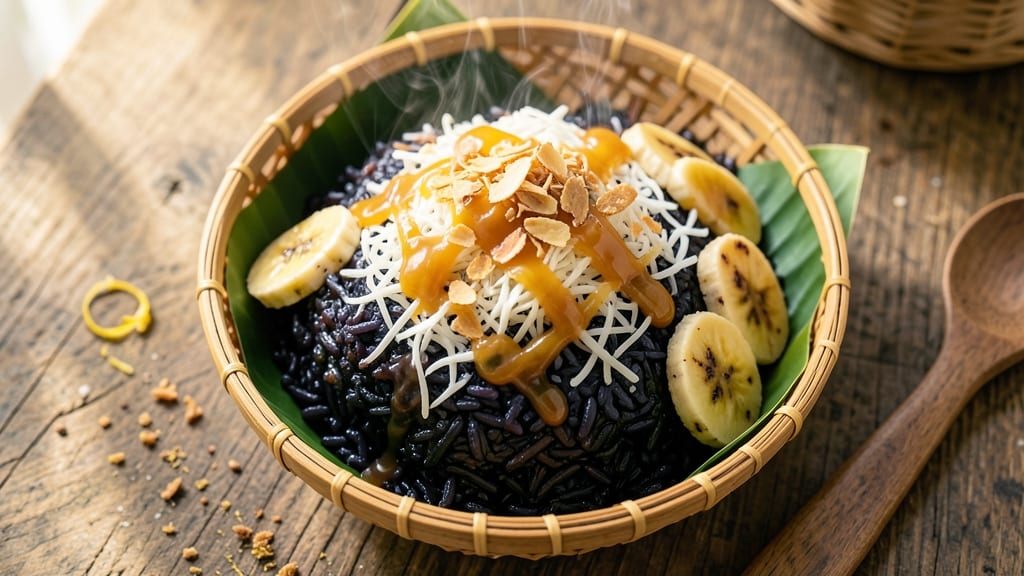
This black rice suman recipe transforms simple ingredients into steamed purple coconut cakes with irresistible sticky sweetness. The deep purple hue comes from black glutinous rice, while coconut milk and sugar create a rich, fragrant filling that's both comforting and elegant.
Perfect for special occasions or festive gatherings, these suman are traditionally wrapped in banana leaves for authentic presentation.
What makes this recipe special is the balance of textures—soft, chewy centers with slightly crisp edges—and the aromatic blend of coconut and rice that fills your kitchen with warmth. The process involves cooking the rice mixture to a perfect consistency, shaping it carefully, and steaming until tender.
Whether you prefer the classic sweet version or a savory twist with fillings like meat or fish, this dish delivers restaurant-quality results at home.
Ingredients for black rice suman
Pantry staples meet exotic flavors in these vibrant purple coconut cakes.
| Ingredient | Amount | Notes |
|---|---|---|
| Black Glutinous Rice 🍚 | 1 cup | Soaked overnight for best texture |
| White Glutinous Rice 🍚 | 1 cup | For chewy texture contrast |
| Coconut Milk 🥥 | 1 ½ cups | Full-fat for richness (canned preferred) |
| Granulated Sugar 🍬 | 1 cup | White or brown preferred |
| Banana Leaves 🌿 | 1 sheet | Fresh or frozen, for wrapping |
| Salt 🧂 | ½ tsp | Fine sea salt preferred |
| Vanilla Extract 🌸 | 1 tsp | Pure vanilla for fragrance |
| Unsalted Butter 🧈 | 2 tbsp | For extra richness |
| Water 💧 | ½ cup | For rice cooking |
| Food Wrapping Cloth 🧵 | 1 piece | For securing banana leaves |
| Coconut Cream 🥥 | ¼ cup | Optional for extra creaminess |
The black glutinous rice is the star here—look for it in Asian markets or well-stocked grocery stores like H Mart. If you can't find it, black jasmine rice works in a pinch, though the texture will differ slightly. The white glutinous rice balances the chewiness, so don't skip it. For the coconut milk, full-fat canned brands like Thai Kitchen give the best results—avoid the light versions. Soak both rice types overnight to ensure they're perfectly tender. The banana leaves? Fresh is ideal, but frozen works too—just thaw them first. If you can't find them, parchment paper is a decent substitute, though it won't impart the same aroma.
No banana leaves? Parchment paper or aluminum foil will work, though the flavor won't be as authentic. Running short on coconut milk? Coconut cream plus a splash of water mimics the texture. The vanilla extract can be swapped for pandan extract (1/2 tsp) for a more traditional Filipino flavor. For the sugar, palm sugar or muscovado adds depth, but white sugar keeps it classic. The butter is optional but recommended—it adds a luxurious richness that balances the coconut's sweetness. If you're making a savory version, reduce the sugar by half and add soy sauce or fish sauce to the filling instead.
These keep beautifully for 3 days in the fridge, wrapped tightly in plastic. For longer storage, freeze them for up to 3 months—just thaw at room temperature before serving. The banana leaves can be reused once if cleaned properly, but most people prefer fresh ones for each batch. I like to make a double batch and freeze extras—they reheat perfectly in a steamer or microwave. Serve warm with a sprinkle of toasted coconut flakes for extra flair.
Why You'll Love This Recipe
- Steamed in Minutes: I swear, the hardest part is boiling water. Wrap the rice in banana leaves, steam for 30 minutes—no stirring, no fuss. That’s it. The rice does all the work while I sip my coffee.
- Rich, Nutty Sweetness: The black rice adds this deep, earthy flavor that’s unlike anything else. Mix it with coconut milk and sugar? Pure satisfaction—creamy, fragrant, and just sweet enough to make you forget about dessert.
- Party-Ready Any Day: Between us, this is my go-to for potlucks or family gatherings. It’s fancy enough for celebrations but simple enough for a lazy Sunday. Plus, the banana leaves make it look like you slaved over it.
- Budget-Friendly Leftovers: Honestly, I make a big batch and eat it all week. The rice keeps well, and the coconut milk adds richness without breaking the bank. Leftovers taste just as good reheated—if they last that long.
Step-by-step instructions for black rice suman recipe
Follow this method for perfectly steamed purple rice cakes with rich coconut sweetness.
Soak and Cook the Glutinous Rice Mixture
Combine the 1 cup black glutinous rice and 1 cup white glutinous rice in a bowl and cover with water. Soak overnight in the refrigerator—this ensures the rice absorbs moisture evenly and develops that signature sticky texture. In the morning, drain thoroughly using a fine-mesh strainer.
Transfer the drained rice to a pot with the 0.5 cup water, 0.5 tsp salt, and 2 tbsp unsalted butter. Bring to a boil over medium-high heat, then reduce to low heat and simmer for 15-20 minutes until the rice is tender and the mixture forms a thick, dough-like consistency. You'll know it's ready when the rice pulls away from the sides of the pot and has a glossy sheen.
Prepare the Coconut Filling
In a separate bowl, whisk together the 1.5 cups coconut milk, 1 cup granulated sugar, 1 tsp vanilla extract, and 0.25 cup coconut cream until the sugar dissolves completely. The mixture should be smooth and slightly thickened—this will be the sweet, creamy center of your suman. Taste and adjust sweetness if needed, but remember these cakes are meant to be rich and indulgent.
Gently fold the coconut mixture into the cooked rice using a silicone spatula. Be careful not to overmix—just combine until evenly distributed. The texture should remain cohesive but still pliable enough to shape. If the mixture feels too dry, add 1-2 tablespoons of warm water to help bind it together.
Shape and Prepare for Steaming
Lightly oil your hands to prevent sticking, then divide the rice mixture into 4 equal portions (about ¼ cup each). Roll each portion into a smooth, cylindrical log about 3 inches long and 1 inch in diameter. Place each log on a plate lined with the 1 sheet banana leaves, spacing them evenly. The banana leaves will impart a subtle aroma and help maintain moisture during steaming.
Cover the plate with the food wrapping cloth and secure it tightly with kitchen twine or rubber bands. This creates an airtight seal that traps steam and ensures even cooking. The cloth also helps shape the cakes as they steam, giving them that classic suman form.
Steam Until Perfectly Set
Bring a large pot of water to a rolling boil, then place a steamer basket inside. Once the water reaches a full boil, carefully place the wrapped plate into the steamer. Cover the pot with a lid and steam over medium-high heat for 45-50 minutes. The cakes are done when they've expanded slightly, developed a glossy sheen, and pull away cleanly from the banana leaves.
To test for doneness, gently press one of the cakes—it should hold its shape but still feel slightly soft in the center. If the exterior looks dry before the center is set, tent with foil for the last 10 minutes of steaming to prevent over-browning. Let the cakes cool slightly before serving, as they'll continue to firm up as they release steam.
Serve Warm with Optional Garnishes
Unwrap the suman carefully, removing the banana leaves and cloth. Serve warm, either whole or cut into bite-sized pieces. The contrast of the deep purple black rice with the creamy coconut filling creates a stunning visual and flavor experience. For extra presentation, dust with a light layer of powdered sugar or drizzle with additional coconut cream.
These cakes are best enjoyed fresh, while the rice maintains its chewy texture and the coconut filling is still warm and fragrant. Store any leftovers in an airtight container in the refrigerator for up to 3 days, though they're sure to disappear quickly!
Pro Tips For Making Black Rice Suman
- Soak the Rice Overnight: Don’t skimp on soaking time—black glutinous rice needs at least 6 hours (ideally overnight) to soften properly. I learned this the hard way when my first batch turned out chewy and uneven. Soak both rice types together in warm water to speed it up, but drain well before mixing with coconut milk—no one wants a soggy suman.
- Steam, Don’t Boil: Black rice suman should steam gently, not boil aggressively. If you pack the banana leaves too tightly or use a sealed container, the heat will turn your suman into a sticky, dense brick instead of a fluffy, fragrant cake. Leave a small gap in the wrapping or use a steamer basket—this keeps the texture light and the coconut aroma trapped inside.
- Balance the Sugar Gradually: Dumping all the sugar at once makes the suman cloyingly sweet and can cause uneven cooking. Start with half the sugar in the coconut milk mixture, then fold in the rest after the first 20 minutes of steaming. This lets the flavors meld without overwhelming the rice’s natural nuttiness—trust me, your taste buds will notice the difference.
- Char the Banana Leaves: Skip the store-bought parchment paper and use fresh banana leaves—char the edges lightly over a flame before wrapping. The smoky aroma seeping into the suman adds depth that no substitute can match. If you’re short on time, microwave the leaves for 10 seconds to soften them first, but charring is worth the extra minute if you’re making a batch worth sharing.
Troubleshooting great black rice suman
Sticky Rice Issues
The rice mixture might turn out too dry or crumbly if overcooked. I’ve found that simmering beyond 20 minutes on low heat can break down the starches too much. To fix this, reduce heat to lowest setting once boiling and stir gently—this preserves the chewy texture.
If it’s already dry, add 1 tbsp warm coconut milk and knead lightly to restore moisture. 💫
Coconut Filling Separation
If the coconut mixture curdles or separates during cooking, it’s likely from overheating. Always whisk the coconut milk and sugar over low heat (or even better, warm it gently in a microwave for 30 seconds first).
For extra insurance, whisk in 1 tsp cornstarch to stabilize the filling. Stirring constantly prevents lumps and keeps the texture smooth.
Steaming Problems
Uneven steaming often happens if the water isn’t boiling vigorously. I recommend using a steamer basket with a tight-fitting lid—place a damp towel on the lid to trap steam.
If your suman stick to the banana leaves, ensure they’re fresh and slightly oiled. For stubborn adhesion, use a thin layer of coconut oil on the leaves before shaping.
Shape Collapsing
If the suman lose their shape during steaming, the rice mixture may be too loose. Roll each portion slightly tighter and wrap them more securely with the food wrapping cloth.
For extra support, place a small piece of parchment paper under each log before covering. This prevents spreading and maintains the classic cylindrical form.
Overly Sweet Flavor
Adjusting sweetness after mixing is tricky, but you can balance it by adding ½ tsp pandan extract or a pinch of salt to enhance other flavors. If the coconut milk tastes too rich, reduce it by ¼ cup and add ¼ cup water to the rice mixture instead.
Taste as you go—Filipino suman should be sweet but not cloying.
Nutrition facts
Frequently asked questions
Why does my black rice suman turn out crumbly instead of sticky?
The most common cause is overcooking the rice mixture or insufficient soaking. Always soak the glutinous rice overnight (at least 8 hours) and simmer gently on low heat for no more than 20 minutes. If it's already crumbly, mix in 1 tbsp warm coconut milk and knead lightly to restore moisture. The rice should feel tacky but still pliable when ready.
Can I make black rice suman without banana leaves?
Yes! Use parchment paper or aluminum foil as substitutes, though they won't impart the same aroma. For better texture, lightly oil the paper before shaping. Another option is to wrap individual suman in plastic wrap and steam them directly in the basket. The flavor won't be authentic, but the method works well for emergencies.
How do I adjust this recipe for a savory version?
Reduce the sugar to ½ cup and replace the vanilla with 1 tbsp soy sauce or 1 tsp fish sauce for umami depth. Add ½ cup cooked shrimp, chicken, or pork to the coconut mixture before folding into the rice. For extra flavor, stir in 1 tsp grated ginger or minced garlic while cooking. Serve with a sprinkle of toasted sesame seeds instead of powdered sugar.
Why does my coconut filling separate during cooking?
This happens when the coconut milk overheats or isn't whisked properly. Always warm the coconut mixture gently (no boiling) and whisk constantly until smooth. For extra stability, whisk in 1 tsp cornstarch with the sugar before adding liquid. If it separates later, gently reheat the filling with 1 tbsp water while stirring until smooth again.
Can I make these ahead of time and reheat?
Store wrapped suman in an airtight container in the fridge for up to 3 days or freeze for 3 months. To reheat, steam for 5-10 minutes until warm (freshly steamed versions reheat best). For microwave reheating, wrap in a damp paper towel and heat for 20-30 seconds—this restores moisture without drying them out.