
Main Courses
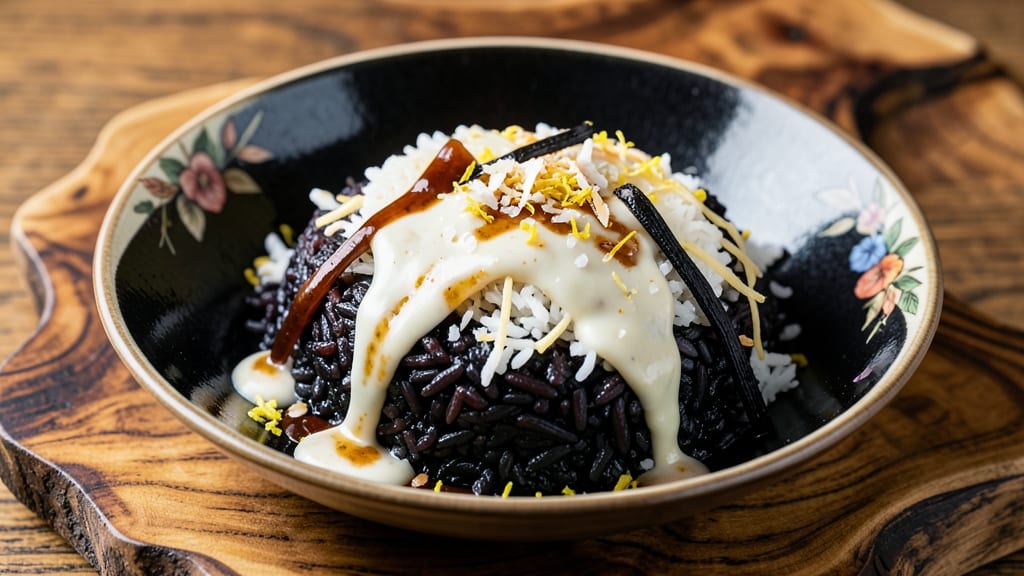
This Black Thai rice recipe transforms simple jasmine rice into a luxurious dessert or side dish with just three ingredients and a few hours of patience. The secret lies in slow-cooked coconut milk and black glutinous rice, which absorbs deep, velvety sweetness while maintaining its signature chewy texture.
Perfect for special occasions or as a restaurant-worthy centerpiece, this dish balances rich coconut cream with delicate floral notes from the jasmine rice.
The process is straightforward but requires attention to soaking times—black glutinous rice needs at least 4 hours (overnight is ideal) to soften properly before simmering in coconut milk until tender.
The result is a fragrant, slightly sticky rice with a glossy sheen, often served warm with a sprinkle of toasted sesame seeds or fresh mango. This vegetarian dish is naturally gluten-free and can be customized with honey, condensed milk, or pandan leaves for extra depth.
Ingredients for black thai rice
Simple yet luxurious ingredients transform ordinary rice into a fragrant, velvety dessert masterpiece.
| Ingredient | Amount | Notes |
|---|---|---|
| Black Glutinous Rice 🍚 | 1 cup | Uncooked, black variety preferred |
| Full-Fat Coconut Milk 🥥 | 2 cans | 13.5 oz each, unsweetened |
| Jasmine Rice 🌾 | ½ cup | White, long-grain preferred |
| Granulated Sugar 🍚 | ½ cup | White or coconut sugar |
| Vanilla Extract 🌿 | 1 tsp | Pure vanilla preferred |
| Salt 🧂 | ½ tsp | Diamond Crystal kosher salt |
| Toasted Sesame Seeds 🌰 | 2 tbsp | For garnish, optional |
| Fresh Mango 🥭 | 1 whole | Ripe, for serving, optional |
| Pandan Leaves 🍃 | 2 whole | Optional, for aroma |
| Condensed Milk 🥛 | ¼ cup | For richer texture, optional |
| Lemon Zest 🍋 | 1 tbsp | Fresh, for brightness |
| Water 💧 | 1 ½ cups | Filtered preferred |
The black glutinous rice is the star—look for it in the Asian aisle of Whole Foods or Trader Joe's, where the quality is consistent. If unavailable, Thai markets often carry it in bulk. The jasmine rice adds delicate floral notes, so choose long-grain varieties like Calrose or Mahat. For coconut milk, full-fat canned versions (like Thai Kitchen brand) provide the richest texture—avoid the light versions. Pandan leaves, if used, should be fresh and vibrant green; Asian grocery stores usually stock them. Toast your sesame seeds in a dry pan for 30 seconds until fragrant—this enhances their nutty depth.
No black glutinous rice? Substitute with black rice (though texture will differ) or char regular jasmine rice in a dry pan for a smoky twist. Swap condensed milk for equal parts coconut cream if avoiding dairy. For extra sweetness, maple syrup or agave work well instead of sugar. Fresh mango can be replaced with ripe pineapple or passion fruit for serving. If you prefer a lighter texture, reduce the coconut milk to 1 can and add 0.5 cup water instead. The vanilla extract can be omitted, but 1 tsp vanilla bean paste adds luxurious depth if you're feeling indulgent.
The rice requires overnight soaking—don't skip this step for optimal texture. Store uncooked rice in an airtight container in a cool, dark place for up to 6 months. Once cooked, keep in the fridge for 3-4 days in an airtight container, though it's best enjoyed fresh. For make-ahead convenience, prepare the coconut milk mixture 2 days ahead and refrigerate—simmer just before combining with soaked rice. Garnishes like sesame seeds and mango should be added right before serving to preserve freshness.
Why You'll Love This Recipe
- One-Pot Magic: I swear by this recipe because it’s literally one pot—no fancy tools, no mess. Just soak the black glutinous rice overnight (easy peasy), toss it with coconut milk and sugar, and let it simmer until it’s sticky, fragrant, and unresistibly smooth.
- Sweet & Creamy Fix: That first spoonful of coconut milk and vanilla? It’s like dessert sneaking into dessert. The black rice adds a deep, earthy note that balances the richness—honestly, I’ve made it for breakfast, and no one ever believes it’s not a treat.
- Weeknight & Weddings: Between us, this is my go-to for lazy Sundays and fancy dinner parties. Serve it warm with fresh fruit for a light lunch, or chill it for a no-fuss dessert that looks impressive (even if it’s just rice).
- Budget Stretch: Here’s what sold me—black glutinous rice is pricey, but mixing it with jasmine rice cuts costs and keeps the texture perfect. A single batch feeds four, and leftovers reheat beautifully, so I’m rarely buying takeout again.
Step-by-step instructions for black Thai rice
This method delivers perfectly balanced texture—creamy coconut layers with fragrant jasmine rice.
Prepare the Coconut Milk Base
Open the 2 cans of full-fat coconut milk and pour them into a medium saucepan. Add the 2 whole pandan leaves (if using) and the 1 tbsp lemon zest. Gently stir to combine, ensuring the zest and pandan infuse evenly. Place the saucepan over medium heat and bring to a gentle simmer. You'll notice the mixture froths slightly—this indicates the coconut fat is beginning to emulsify. Reduce heat to low and let it simmer for 5 minutes, allowing the pandan to release its aromatic oils and the lemon zest to brighten the flavor profile.
While simmering, add the 0.5 cup granulated sugar and stir until fully dissolved. The mixture should become slightly translucent, with tiny sugar crystals disappearing. This step ensures even sweetness throughout the final dish. Keep the coconut milk at a gentle simmer—never boiling—to prevent curdling of the fats. The aroma should be rich and floral, with hints of citrus.
Cook the Jasmine Rice Separately
Rinse the 0.5 cup jasmine rice under cold water until the water runs clear, then drain well. In a separate small saucepan, combine the rinsed jasmine rice with the 1.5 cups water. Bring to a boil over medium-high heat, then immediately reduce to low heat, cover tightly with a lid, and let it steam for 12-15 minutes until all liquid is absorbed. The rice should be tender but still slightly firm to the tooth—it will finish cooking in the coconut mixture.
While the jasmine rice cooks, toast the 2 tbsp toasted sesame seeds in a dry skillet over low heat for 2-3 minutes until golden and fragrant. Remove from heat immediately and set aside—they'll continue to toast slightly as they cool. This toasting step intensifies their nutty flavor, which will complement the coconut and rice beautifully.
Combine Rice and Coconut Mixture
Once the jasmine rice is cooked, carefully fold it into the simmering coconut milk mixture using a wooden spoon. The coconut milk should coat the rice evenly, creating a creamy, velvety texture. Stir in the 0.25 cup condensed milk (if using) and the 1 tsp vanilla extract, mixing well to distribute evenly. The condensed milk adds richness, while the vanilla enhances the coconut's natural sweetness. Let the entire mixture simmer gently for an additional 5-7 minutes, stirring occasionally, until the rice absorbs the coconut flavors completely.
Taste the mixture and adjust seasoning with the 0.5 tsp salt if needed. The balance should be harmonious—sweet from the coconut and sugar, with bright citrus notes from the zest and subtle floral undertones from the pandan. The texture should be thick but still spoonable, with no liquid pooling at the bottom of the pan.
Incorporate Black Glutinous Rice
In a separate bowl, rinse the 1 cup black glutinous rice under cold water until the water runs clear. Drain well and add it to the coconut-jasmine rice mixture. Gently fold the black rice into the creamy base, ensuring each grain is coated. The black rice will absorb the coconut mixture more slowly than jasmine rice, so it's important to distribute it evenly now. Return the pan to low heat and let it cook for 10-12 minutes, stirring occasionally, until the black rice is tender and the entire mixture reaches a thick, pudding-like consistency.
During this time, peel and slice the 1 whole fresh mango into thin strips or cubes for serving. The mango's sweetness will contrast beautifully with the rich coconut rice. Once the black rice is fully cooked, remove the pandan leaves (if used) and transfer the entire mixture to a serving dish. Let it cool slightly for 5 minutes before serving to allow flavors to meld further.
Serve with Garnish
Spoon the black Thai rice onto serving plates, garnishing each portion with the sliced mango and a sprinkle of the toasted sesame seeds. The contrast of the deep black rice against the vibrant mango creates a visually stunning dish, while the sesame seeds add a final nutty crunch. Serve immediately while the rice is still warm, as the texture will firm up slightly as it cools. Each bite should deliver a harmonious blend of creamy coconut, fragrant jasmine, and the earthy depth of black glutinous rice.
Pro Tips For Making Black Thai Rice
- Soak Black Rice Overnight: I learned this the hard way—rushing the soak (even 4+ hours isn’t enough) leaves your black rice gummy and uneven. Use twice the water by volume, cover, and let it sit in the fridge overnight. The longer it soaks, the deeper the color and creamier the texture when cooked.
- Simmer Coconut Milk Slow: Full-fat coconut milk burns faster than you’d think. After adding sugar and vanilla, reduce heat to low and stir constantly for the first 5 minutes—this prevents scorching and keeps the flavor smooth. (Yes, even if you’re impatient like me.)
- Mix Jasmine Rice Last: The black rice needs time to soften first. Cook the black rice and coconut mixture until it’s nearly done, then fold in the jasmine rice for the final 10 minutes. This keeps the jasmine fluffy and prevents the black rice from turning mushy.
- Use Vanilla Bean (If Possible): Extract works, but a split vanilla bean infused in the warm coconut milk makes a real difference. Just scrape the seeds into the pot and let it steep for 10 minutes while simmering—your future self will notice the depth of flavor. (I skip this when lazy, but the dish is noticeably better when I don’t.)
Essential equipment for great black thai rice
Traditional Thai Tools
For authentic results, use a clay pot or stainless steel wok—both distribute heat evenly and prevent scorching. I love my Le Creuset Dutch oven for simmering the coconut milk base, as it maintains consistent low heat.
A wooden spoon is essential for gently folding the rice without breaking the grains. 🥄
Modern Kitchen Essentials
A high-quality saucepan with tight-fitting lid (like All-Clad Stainless) is perfect for cooking the jasmine rice separately. For toasting sesame seeds, a small nonstick skillet works best to prevent burning.
If you don’t have pandan leaves, a mortar and pestle can crush dried pandan powder for infusion. A fine-mesh strainer helps remove zest and seeds after simmering.
Precision Tools for Texture
Use a digital kitchen scale to measure the black glutinous rice for consistent texture—it should weigh about 200g for 1 cup. A thermometer ensures the coconut milk stays at 180-190°F (gentle simmer) to avoid curdling.
For serving, a slotted spoon helps transfer the rice without disturbing the garnishes. A sharp chef’s knife is key for slicing mango evenly.
Optional Luxury Upgrades
For extra flavor depth, a pandan leaf infuser (available at Thai markets) makes extraction easier. A stand mixer with paddle attachment can blend the coconut mixture for ultra-smooth texture.
If you love presentation, a laser-level serving tray ensures perfect portions. For storage, glass airtight containers (like Pyrex) preserve freshness for up to 4 days in the fridge.
Budget-Friendly Swaps
Skip the Dutch oven and use a heavy-bottomed stainless steel pot instead. Toast sesame seeds in a dry nonstick pan if you lack a skillet. For pandan, vanilla bean adds a similar floral note.
A wooden spoon works just as well as a silicone one for folding rice. The most critical investment? High-quality coconut milk—never skimp here for authentic flavor. 💰
Nutrition facts
Frequently asked questions
Why does black glutinous rice need so much soaking time?
Black glutinous rice has a tough outer layer that requires 4+ hours of soaking (overnight is ideal) to soften properly. This prevents the grains from becoming hard or undercooked during the simmering process. The long soak also helps the rice absorb the coconut milk's flavors more evenly, creating that signature creamy texture. Think of it as a marinade for your rice!
Can I make this recipe without pandan leaves?
While pandan adds authentic floral notes, you can skip it or substitute with 1 tsp vanilla bean paste or ½ tsp vanilla extract for a similar sweet aroma. For extra depth, try ½ tsp ground cinnamon or a pinch of cardamom. The coconut and jasmine rice will still shine without it—just expect a slightly different flavor profile.
How do I know when the black rice is fully cooked?
The black rice is done when it's tender with a slight chew (not mushy) and the coconut mixture reaches a thick, pudding-like consistency. Test by gently pressing a grain—it should hold its shape but be soft to the tooth. The rice should also be glossy and fully coated in the coconut cream. If it's still firm after 12 minutes of simmering, add 1-2 tbsp water and cook another 5 minutes.
Can I use this recipe for a vegan version?
Yes! Simply replace the condensed milk with ½ cup coconut cream or vegan condensed coconut milk. For extra richness, blend ½ cup coconut yogurt with 1 tbsp maple syrup to mimic the texture. The vanilla and coconut already make this recipe naturally vegan-friendly—just ensure your sugar is refined (not bone char processed).
What's the best way to store leftovers?
Transfer the black Thai rice to an airtight container and refrigerate for up to 4 days. The texture will firm up slightly when cold, so reheat gently in a saucepan with 1-2 tbsp coconut milk over low heat until creamy. For longer storage, freeze portions for up to 3 months—thaw overnight in the fridge and reheat with extra coconut milk to restore moisture. Garnishes like mango should be added fresh when serving.