
Main Courses
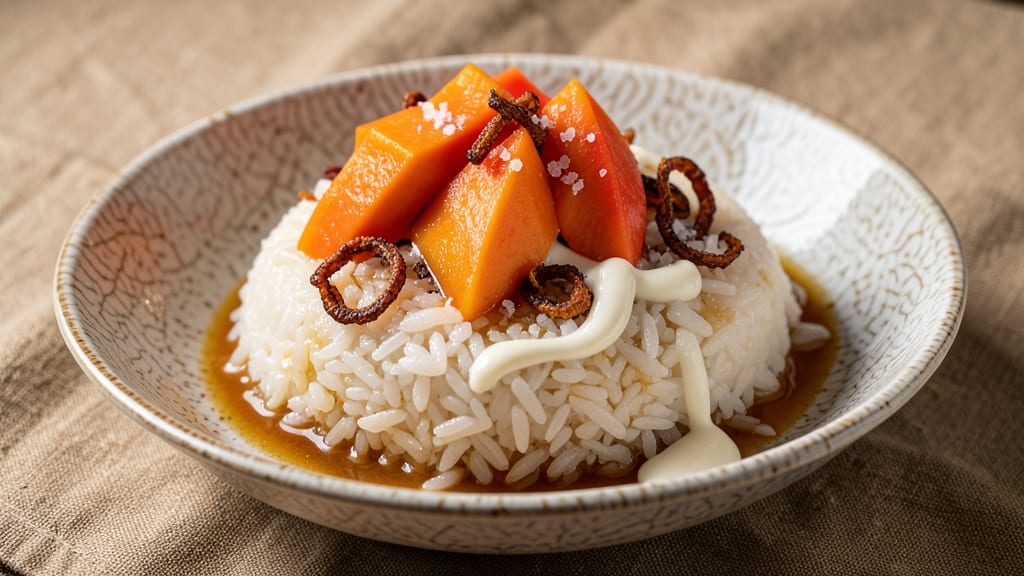
This Calrose sticky rice recipe delivers the perfect balance of jasmine fragrance and tender, clingy grains—ideal for both traditional dishes and modern twists. The secret lies in soaking the rice for 30 minutes before steaming, which unlocks its natural stickiness while preserving each grain's distinct shape.
Unlike regular rice, Calrose holds together beautifully when served, making it perfect for Filipino bibingka or Japanese mochi rice desserts.
The foolproof method ensures golden, slightly chewy grains with no mushy centers, thanks to precise water ratios and gentle steaming. We’ll cover everything from soaking to serving, including how to achieve that signature floral aroma without overpowering the rice’s natural sweetness.
This isn’t just a side dish—it’s the star of your meal, whether paired with grilled meats or sweetened with coconut milk.
What sets this recipe apart is the textural precision: grains should separate slightly when pressed but still clump together when served. The jasmine infusion adds a delicate floral note, while the sticky exterior contrasts with the tender interior.
Perfect for beginners and experienced cooks alike, this method guarantees restaurant-quality results at home.
Once mastered, you’ll use this rice in everything from savory khao tom (Thai rice soup) to mochi desserts. The versatility is endless, and the process is simpler than you’d think. Let’s get started—your first batch will change how you think about sticky rice forever.
Ingredients for calrose sticky rice
The secret to restaurant-quality Calrose rice lies in these ten ingredients—jasmine-infused aroma, precise water ratios, and delicate finishing touches.
| Ingredient | Amount | Notes |
|---|---|---|
| Calrose Rice 🍚 | 2 cups | Uncooked, long-grain variety |
| Jasmine Tea Bags 🍵 | 2 whole | High-quality, loose-leaf preferred |
| Water 💧 | 3 cups | Room temperature preferred |
| Coconut Milk 🥥 | ½ cup | Full-fat for creaminess (optional) |
| Salt 🧂 | ½ tsp | Diamond Crystal preferred |
| White Sugar 🍚 | 1 tbsp | Fine granulated for even dissolving |
| Vanilla Extract 🌸 | ½ tsp | Pure alcohol-free preferred |
| Toasted Sesame Oil 🫒 | 1 tsp | For finishing aroma |
| Fresh Jasmine Flowers 🌸 | ¼ cup | Optional, for garnish (edible) |
| Butter 🧈 | 1 tbsp | Unsalted, for finishing |
The Calrose rice is non-negotiable—its long grains and natural stickiness make it perfect for both savory and sweet dishes. Trader Joe's or Asian markets carry it in bulk, but any specialty rice aisle will have it. Look for unbroken grains with a slight sheen, not dull or chalky. The jasmine tea bags should be high-quality—Harney & Sons or Twinings are reliable. For that signature floral aroma, I often double the tea bags if I'm feeling extra fancy, but two is perfect for the delicate balance we're aiming for here. The sesame oil should be toasted, not raw—Kadoya is my go-to brand, but any reputable Asian market will have it.
No jasmine tea? Lavender tea bags work in a pinch, though the flavor profile will differ slightly. The coconut milk can be swapped for light cream if you're avoiding dairy, but the texture will be less rich. Diamond Crystal salt is ideal here—it dissolves perfectly and doesn't leave grainy residue. The vanilla extract adds a subtle sweetness that complements the jasmine beautifully, but if you're making this for a savory dish, you can omit it entirely. For the sesame oil, if you can't find toasted, lightly toast regular sesame oil in a dry pan for 30 seconds and let it cool before using—it makes all the difference. The fresh jasmine flowers are optional but add a stunning presentation; if you can't find them, edible violets work as a substitute.
This rice keeps beautifully—covered at room temperature for up to 2 days if you're making it ahead for a party. For longer storage, portion into airtight containers and refrigerate for up to 5 days. The jasmine aroma intensifies after a day, so if you're making it ahead, let it sit covered at room temperature for an hour before serving. The butter finishing is crucial for that restaurant-quality sheen, so don't skip it. For mochi desserts, add a pinch of matcha powder to the coconut milk mixture for a vibrant green hue. The rice reheats beautifully—just cover with a damp towel and steam for 10 minutes if needed.
Why You'll Love This Recipe
- Steam-and-Soak Magic: I swear by this method—just rinse the Calrose rice, steep a tea bag in the water, and let it sit. No fancy rice cooker needed, no stirring for hours. The tea infuses the grains while they steam, giving that signature floral aroma without extra effort.
- Creamy Without the Guilt: That coconut milk isn’t just for flavor—it turns the rice into a luscious, slightly sweet cloud. Honestly, I’ll take this over buttery basmati any day, and it’s way lighter. Plus, the salt balances it perfectly, so you don’t need syrup or sugar.
- Leftover Goldmine: This rice actually improves the next day. Cold or reheated, it’s perfect for quick lunches—toss it with canned tuna, shredded chicken, or just eat it straight. I make a big batch on Sundays and forget about it until Thursday.
- Budget Stretch: Calrose rice is cheap, and this recipe uses minimal extras. A single can of coconut milk and a box of tea bags go a long way. Between us, this is how I feed my college-age kid without breaking the bank—simple, filling, and always a hit.
Step-by-step instructions for Calrose sticky rice
Transform simple ingredients into fragrant, perfectly separated sticky rice with this foolproof method.
Prepare the Jasmine Infusion
In a medium saucepan, combine the 3 cups water and 2 whole jasmine tea bags. Bring to a rolling boil over medium-high heat, then immediately reduce to a simmer for 5 minutes. This steeping time extracts maximum floral aroma while preventing bitterness. Remove the tea bags and discard—their job is done.
Here's the thing—jasmine tea bags work, but loose-leaf tea creates deeper flavor. If using loose-leaf, steep for 3 minutes instead. The water should now carry a delicate floral scent. If it smells faint, steep another minute—this infusion is your rice's soul.
Cook the Rice to Perfect Texture
Add the 2 cups calrose rice to the infused water along with the 0.5 teaspoon salt. Stir gently once to distribute the grains evenly, then bring back to a boil over medium-high heat. Once boiling vigorously, immediately reduce heat to low and cover tightly with a lid.
Let it simmer undisturbed for 15 minutes. This low-and-slow approach prevents mushy grains while allowing the rice to absorb moisture evenly. Don't peek—every time you lift the lid, you release steam and risk uneven cooking. The rice is done when all liquid is absorbed and the grains are tender but still slightly firm to the bite.
Rest and Fluff for Separation
Turn off the heat and let the rice rest covered for 10 minutes. This crucial step allows steam to redistribute, ensuring each grain develops its signature sticky yet separate texture. After resting, gently fluff the rice with a fork—don't stir vigorously or you'll break the grains.
For that signature Thai sticky rice texture, I press down lightly on the rice with the back of a fork while fluffing. This creates just enough resistance between grains to hold together when served, while still allowing perfect separation. The rice should now be tender with a slight bite—like al dente pasta.
Create the Fragrant Coconut Milk Base
In a small saucepan, combine the 0.5 cup coconut milk, 1 tablespoon white sugar, and 0.5 teaspoon vanilla extract. Warm over medium-low heat until just steaming (about 3 minutes), stirring occasionally. The mixture should be smooth and fragrant—no boiling needed.
Here's where the magic happens: the coconut milk's natural sweetness balances the rice's subtle floral notes while adding luxurious creaminess. If using full-fat coconut milk, you'll get a richer texture. For a lighter version, you can substitute with 0.5 cup light coconut milk—just reduce the sugar slightly to 0.75 tablespoons to compensate.
Finish with Aromatic Touches
Transfer the fluffed rice to a serving dish and gently fold in the warm coconut milk mixture using a silicone spatula. The rice should now be glossy with a delicate sheen. Drizzle with 1 teaspoon toasted sesame oil and 1 tablespoon butter, then gently fold again to distribute evenly.
For the final flourish, scatter 0.25 cup fresh jasmine flowers over the top—these aren't just for looks. The petals are edible and add a subtle floral crunch that complements the rice's texture. Serve immediately while the aroma is at its peak, and watch how the grains hold together when picked up yet remain distinct.
Pro Tips For Making Calrose Sticky Rice
- USE FULLY COOKED RICE: Calrose needs a head start—cook it al dente in plain water first (1:1.25 rice-to-water ratio), then drain and spread it on a tray. Cold, firm grains absorb the coconut milk better and stay separate until you steam them later. I used to try mixing everything at once, and it turned out gummy. This method guarantees that sticky, glossy texture.
- STEAM WITH JASMINE TEA: Tear open the jasmine tea bag and tuck it into the rice after it’s in the pot, not before. The heat releases the aroma directly into the steam, infusing the rice evenly. I learned this the hard way—dropping a tea bag in cold water just makes bitter tea. Place it near the center, then seal the lid tight for 10 minutes.
- SALT THE COCONUT MILK: Don’t forget to season the coconut milk—it’s the base flavor of the dish. A pinch of salt (about ¼ teaspoon per cup) balances the sweetness and cuts through the richness. I skipped this once and ended up with rice that tasted flat, like it was missing something. Trust me, it’s not just about the rice.
- REST BEFORE SERVING: Let the rice sit covered for at least 5 minutes after steaming—this lets the moisture redistribute. Poking it too soon makes it dry on top and mushy underneath. I know, waiting is the hardest part, but it’s what turns good rice into sticky rice. A quick fork test tells you when it’s ready.
Troubleshooting great calrose sticky rice
Grainy Instead of Sticky
If your Calrose rice turns out too dry or grainy, you likely didn’t soak it long enough or used too much heat. Soak the rice for 30 minutes before cooking to activate the starches—this is non-negotiable for stickiness. Also, ensure you’re using the correct water-to-rice ratio (1.5:1).
If it’s still dry after cooking, add 1-2 tablespoons of warm coconut milk while fluffing and fold gently. For future batches, try steaming instead of boiling to preserve moisture. 💧
Mushy or Undercooked Rice
Overcooking is the usual culprit here. Simmer for exactly 15 minutes on low heat—no peeking! If your rice feels mushy, you either used too much water or didn’t rest it properly. For next time, reduce water by ¼ cup if your stove runs hot.
If it’s still undercooked, transfer the pot to a 200°F oven for 5-10 minutes covered, checking frequently. The goal is tender but firm grains—like al dente pasta. 🍚
Weak Jasmine Aroma
The floral scent might be missing if your tea bags weren’t steeped long enough or the water was too hot. Steep the jasmine tea for 5 minutes in simmering (not boiling) water—this extracts the delicate aroma without bitterness.
For deeper flavor, use loose-leaf jasmine tea and steep for 3 minutes. If the aroma is still faint, double the tea bags or add ½ teaspoon jasmine extract (available at Asian markets) to the coconut milk mixture. Fresh jasmine flowers at the end also boost the fragrance. 🌸
Rice Sticking Too Much
Overly sticky rice usually means excessive moisture or insufficient fluffing. Gently fluff with a fork after resting to separate grains slightly while maintaining cohesion. If it’s still too clumpy, fold in 1 extra tablespoon of coconut milk while mixing.
For a firmer texture, reduce coconut milk by 2 tablespoons in future batches. The rice should hold together when picked up but still allow individual grains to be distinguished. 🧂
Burnt or Uneven Cooking
This happens when heat is too high or the pot isn’t level. Use medium-low heat and ensure your pot is on a heat diffuser or even burner. If the bottom burns, reduce heat by 25% and stir once gently to redistribute grains.
For even cooking, cover tightly with a lid and avoid lifting it during the 15-minute simmer. If using a rice cooker, select the "white rice" setting—Calrose needs less moisture than glutinous rice. ⚡
Nutrition facts
Frequently asked questions
Can I use Calrose sticky rice for both sweet and savory dishes?
This versatile rice works beautifully in both sweet and savory applications. For savory dishes, omit the sugar and vanilla from the coconut milk mixture, then finish with a drizzle of toasted sesame oil and a sprinkle of soy sauce or fish sauce. For desserts, add a touch of matcha powder or pandan extract to the coconut milk for extra flavor. The key is balancing the rice's natural sweetness with complementary flavors.
How do I store leftover Calrose sticky rice?
Store leftovers in an airtight container at room temperature for up to 2 days, or refrigerate for 5 days. To reheat, cover with a damp towel and steam for 10 minutes—this restores moisture without making the rice mushy. For best texture, reheat only what you need, as repeated reheating can make the grains dry. The jasmine aroma actually intensifies when stored, making it perfect for next-day meals!
What’s the difference between Calrose and glutinous rice?
Calrose is a non-glutinous long-grain rice that develops stickiness through proper cooking techniques, while glutinous rice (like mochi rice) is naturally sticky due to its high starch content. Calrose holds its shape better when cooked correctly, making it ideal for dishes where you want grains to clump slightly but still be distinct—like in Filipino bibingka or Japanese mochi desserts. Glutinous rice, on the other hand, becomes gummy and is better for chewy treats.
Can I make this recipe without coconut milk?
Yes! If you’re avoiding dairy or coconut, substitute with light cream or half-and-half for a similar richness. For a dairy-free option, use coconut cream (thicker than coconut milk) or cashew cream (blend soaked cashews with water). Reduce the sugar slightly if using sweeter alternatives like coconut cream. The key is maintaining the rice’s moist, fragrant texture—just adjust the liquid to match your substitute.
Why does my rice turn out dry or crunchy?
Dry or crunchy rice usually means insufficient moisture or overcooking. Always use the 1.5:1 water-to-rice ratio and simmer on low heat for exactly 15 minutes without peeking. If your stove runs hot, reduce water by 2 tablespoons. For extra moisture, fold in 1-2 tablespoons of warm coconut milk while fluffing. Soaking the rice for 30 minutes before cooking also helps activate the starches for better stickiness.