
Main Courses
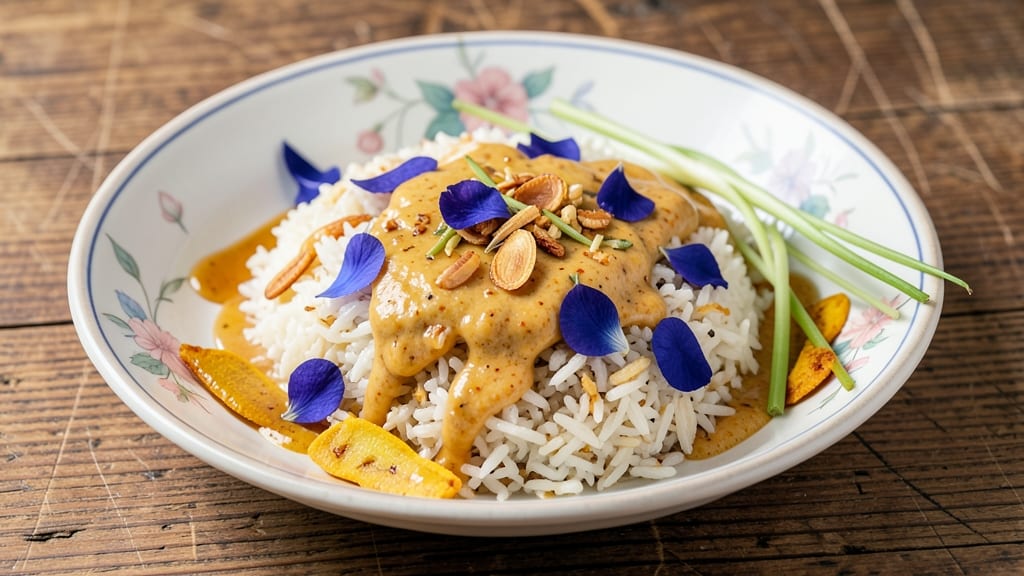
This blue pea flower rice recipe transforms ordinary jasmine rice into a stunning purple masterpiece with earthy, legume-infused flavor. The vibrant hue comes from butterfly pea flowers—a staple in Thai and Laotian cuisine—while coconut milk and aromatic herbs create a fragrant, creamy base.
Perfect for both traditional dishes and modern fusion bowls, this dish is as visually striking as it is delicious.
With just jasmine rice, blue pea flowers, coconut milk, lemongrass, and a pinch of turmeric, you’ll achieve restaurant-quality results in under an hour. The secret lies in simmering the rice with the flowers until the grains absorb the deep purple color and subtle floral notes.
Garnish with fresh herbs and lime for a dish that’s as beautiful as it is satisfying.
Ingredients for blue pea flower rice
Just twelve ingredients transform plain rice into a stunning purple masterpiece with earthy floral notes.
| Ingredient | Amount | Notes |
|---|---|---|
| Jasmine Rice 🍚 | 1 ½ cups | Uncooked, long-grain preferred |
| Butterfly Pea Flowers 🌸 | 2 tbsp | Dried or fresh, for vibrant color |
| Coconut Milk 🥥 | 1 ½ cups | Full-fat for creaminess, canned |
| Fresh Lemongrass 🌿 | 1 whole | Lower stalk only, bruised slightly |
| Fresh Turmeric 🧡 | 1 tsp | Freshly grated for vibrant hue |
| Fresh Ginger 🌿 | 1 tbsp | Grated, for earthy warmth |
| Garlic Cloves 🧄 | 3 cloves | Minced, for aromatic depth |
| Vegetable Oil 🫒 | 2 tbsp | Neutral flavor, high smoke point |
| Fresh Cilantro 🌿 | ¼ cup | Chopped, for bright finish |
| Lime Juice 🍋 | 1 tbsp | Freshly squeezed, for tang |
| Sea Salt 🧂 | 1 ½ tsp | Fine grain, to taste |
| Ground Black Pepper 🌶️ | ½ tsp | Freshly ground for flavor |
The butterfly pea flowers are the star—look for dried flowers at Asian markets or online if fresh aren't available. Trader Joe's often carries them in the spice aisle, and they're worth hunting down for that signature purple hue. Fresh lemongrass? Thai markets usually sell it in bundles, but the regular grocery store's produce section often has it too. Just make sure it's firm and green—no brown spots. The turmeric and ginger? Freshly grated makes all the difference, but if you're in a pinch, powdered works (though it won't be as vibrant).
No coconut milk? Full-fat cashew cream works in a pinch—just blend soaked cashews with water. Fresh herbs out of season? Dried cilantro at half the amount is better than skipping it. The rice? Jasmine works best—basmati or long-grain white rice can sub, but the texture won't be as fragrant. And if you can't find butterfly pea flowers, blue spirulina powder (available online) gives a similar effect, though with a slightly different flavor profile. The lime juice is non-negotiable though—it cuts through the richness beautifully.
This rice keeps for 4 days in the fridge, but the color fades over time—best served fresh. Freeze for up to 3 months if you want to make ahead. I like to portion it into containers with a little coconut milk on top to preserve the moisture. Garnish with extra cilantro and lime right before serving—the color changes with acidity, so wait until the last minute for that purple pop.
Why You'll Love This Recipe
- Here’s what sold me: that first bite when the rice turns from soft blue to vibrant purple as you eat it. The butterfly pea flowers aren’t just pretty—they add a bright, earthy depth that makes every mouthful feel special.
- One-Pot Magic: I swear by this—just toss everything in one pot, stir occasionally, and walk away. The jasmine rice soaks up the coconut milk and turmeric while the lemongrass infuses effortlessly, no fancy techniques needed.
- Color-Changing Magic: Here’s what sold me: that first bite when the rice turns from soft blue to vibrant purple as you eat it. The butterfly pea flowers aren’t just pretty—they add a bright, earthy depth that makes every mouthful feel special.
- Lunchbox Hero: Between us, this is my go-to for meal prep. The flavors only get better after a day in the fridge, and the coconut-turmeric base keeps it creamy without getting soggy. Pack it cold or reheat it—either way, it’s a hit.
Step-by-step instructions for blue pea flower rice
This vibrant rice gets its stunning color from butterfly pea flowers—here's how to make it perfectly every time.
Prepare the Aromatic Base
Start by bruising the whole fresh lemongrass by gently pounding it with the flat side of a knife or rolling it under your palm. This releases its fragrant oils. In a medium saucepan, heat 2 tablespoons vegetable oil over medium heat until shimmering but not smoking.
Add the bruised lemongrass, 1 tablespoon fresh ginger, and 3 cloves garlic cloves, cooking for 2-3 minutes until the garlic turns golden and fragrant. Be careful not to let it burn—this is where the flavor develops. Remove the lemongrass stalk and set aside for garnish later.
Toast the Rice and Infuse with Spices
Add the 1.5 cups jasmine rice to the same pan, stirring for 1-2 minutes until the grains turn translucent at the edges. This toasting step prevents mushiness and adds nuttiness to the rice. Immediately pour in 1.5 cups coconut milk, 1 teaspoon fresh turmeric, 1.5 teaspoons sea salt, and 0.5 teaspoon ground black pepper. Stir well to coat the rice evenly.
Bring the mixture to a gentle boil, then reduce heat to low, cover tightly with a lid, and simmer for 12-15 minutes. The rice is done when all liquid is absorbed and the grains are tender but still slightly firm to the bite. Don't peek under the lid—steam escape makes the rice dry.
Infuse with Butterfly Pea Flowers
Once the rice is cooked, remove it from heat and let it sit covered for 5 minutes. This resting period allows the flavors to meld. In a small bowl, combine 2 tablespoons butterfly pea flowers with 1 tablespoon lime juice. The flowers will change color dramatically—this is normal and part of the magic.
Gently fold the flower-lime mixture into the warm rice, distributing it evenly. The rice will start to turn a beautiful shade of purple-blue. If the color isn't vibrant enough, add another ½ teaspoon lime juice—the acidity helps activate the natural pigments in the flowers.
Finish with Fresh Herbs and Garnish
Fluff the rice gently with a fork, then stir in the 0.25 cup fresh cilantro, reserving a few sprigs for garnish. The bright green cilantro contrasts beautifully with the purple rice and adds freshness. If the rice seems dry, add 1-2 tablespoons water to loosen it—it should be moist but not soupy.
Serve immediately, garnished with the reserved cilantro sprigs and any remaining lemongrass pieces. The color will fade slightly as it cools, but the earthy, slightly tangy flavor remains vibrant. This dish pairs perfectly with grilled proteins or a simple cucumber salad for a complete meal.
Pro Tips For Making Blue Pea Flower Rice
- Bloom the Flowers First: Steep the dried butterfly pea flowers in hot water for 5 minutes before adding them to the rice—this guarantees a vibrant, consistent color instead of patchy streaks. I used to toss them in dry and ended up with a muddy purple mess. Trust me, the soaking step makes all the difference.
- Toast the Turmeric: Lightly fry the fresh turmeric slices in coconut milk for 30 seconds before adding rice—this deepens the golden hue and prevents the dish from tasting raw. Sounds weird, but it works: the heat releases the turmeric’s natural oils, giving the rice that rich, earthy warmth.
- Rinse Rice in Coconut Milk: Skip the plain water rinse—wash the jasmine rice in cold coconut milk instead. This removes excess starch while infusing the grains with subtle creaminess upfront, so they absorb the flavors more evenly. I learned this the hard way after ending up with gummy rice that tasted like plain porridge.
- Simmer Lemongrass Low: Once the rice is cooked, reduce the heat to a whisper and let it sit with the lemongrass for 10 minutes—this extracts the citrusy aroma without overpowering the dish. I used to boil it aggressively and ended up with a bitter, grassy aftertaste. Low and slow is the only way.
Health benefits of blue pea flower rice
Antioxidant Powerhouse
Blue pea flower rice is packed with antioxidants from the butterfly pea flowers, which help combat oxidative stress in your body. These natural pigments contain anthocyanins, the same powerful compounds found in blueberries and blackberries.
A single serving provides a significant dose of these antioxidants, supporting your immune system and reducing inflammation. 💪
Plant-Based Protein Boost
While rice alone isn't a protein powerhouse, this dish becomes more balanced when paired with plant-based proteins like tofu or tempeh. The coconut milk adds a creamy texture while contributing healthy fats, and the lemongrass and ginger provide additional nutrients.
Together, they create a complete meal that keeps you full and energized without relying on animal products.
Digestive Health Support
The combination of jasmine rice, coconut milk, and ginger makes this dish gentle on digestion. Ginger is well-known for its soothing properties and ability to reduce nausea, while coconut milk provides medium-chain triglycerides (MCTs) that are easier to digest than many other fats.
The fiber from the rice also supports healthy gut bacteria, making this a great choice for digestive comfort.
Natural Color Benefits
The vibrant purple color isn't just for show—it comes from anthocyanins, which have been linked to improved brain function and memory retention. These same compounds give blueberries their health benefits, and they're present in this dish in a visually stunning way.
The turmeric adds another layer of color and anti-inflammatory properties, making this rice not just beautiful but beneficial for your health.
Low-Calorie Comfort Food
At around 250 calories per serving, this dish delivers satisfying flavors without the guilt. The coconut milk adds creaminess without heavy saturated fats, and the herbs provide freshness that keeps the dish light.
It's perfect for those watching their calorie intake but still want a flavorful, restaurant-quality meal at home. The natural sweetness from the flowers balances the earthy notes, making every bite delicious and nutritious.
Mood-Boosting Flavors
The combination of ginger, lemongrass, and lime creates a naturally uplifting flavor profile. Ginger is known to reduce stress hormones, while the citrus notes from lime provide a refreshing contrast.
The earthy undertones from the flowers add depth without overpowering, making this dish not just good for your body but also your mood. It's the kind of meal that makes you feel good from the inside out. 🌿
Nutrition facts
Frequently asked questions
Why does my blue pea flower rice turn green instead of purple?
The color change happens because butterfly pea flowers are pH-sensitive! When exposed to acid (like lime juice), they turn vibrant purple. If your rice stays green or turns blue, you may need more lime juice (start with ½ teaspoon extra) or ensure your flowers are fresh. The rice should turn purple within 5 minutes of mixing.
Can I make this rice without coconut milk?
Yes, but the texture will differ. For a creamy alternative, try cashew cream (blend soaked cashews with water) or extra broth. If you prefer lighter rice, use water or vegetable broth instead, but add ½ teaspoon coconut milk powder for subtle flavor. The dish will still taste delicious—just less rich!
How do I store leftovers to keep the purple color?
Store in an airtight container with a damp paper towel on top to retain moisture. The color fades over time, but adding 1 teaspoon lime juice when reheating can restore some vibrancy. For best results, eat within 2 days—the flavor remains excellent even if the color dims slightly.
Is this rice safe for babies or toddlers?
Yes, but with modifications! The recipe is naturally vegan and free of common allergens. For babies, skip the raw garlic and ginger (cook them longer to mellow flavors) and ensure the rice is cool before serving. The butterfly pea flowers are safe in small amounts, but monitor for sensitivities. Always introduce new foods one at a time.
Can I use this rice for desserts?
The floral notes pair beautifully with sweet flavors. Try mixing with coconut milk pudding or topping with fresh mango and toasted coconut. For a dessert version, reduce the salt and add ½ teaspoon vanilla extract during cooking. The purple hue makes it stunning for layered desserts or as a colorful ice cream topping!