
Main Courses
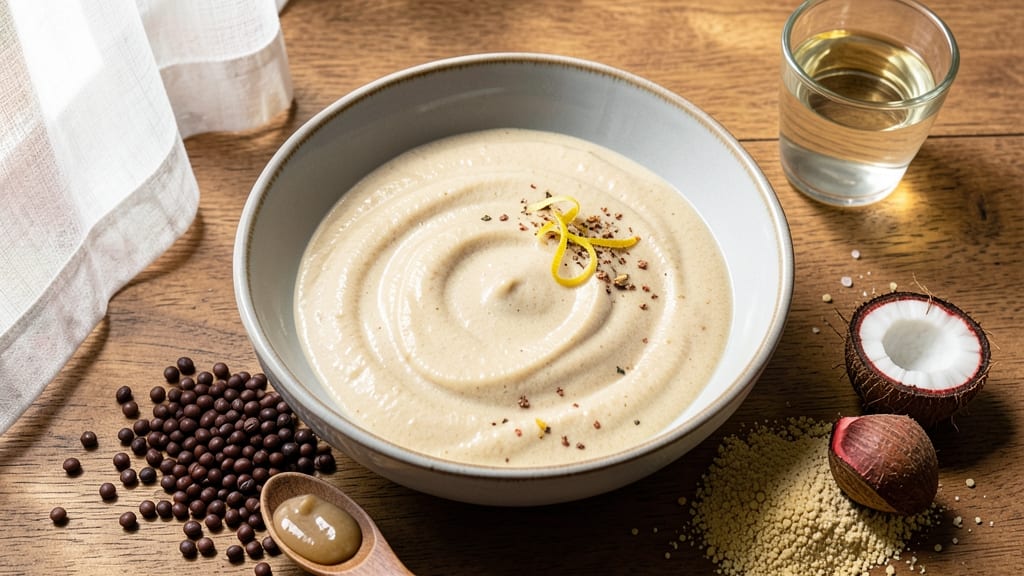
This brown rice dosa batter recipe delivers crispy, nutty layers with the perfect balance of texture and flavor. Fermentation unlocks the rice's natural potential, creating a lighter, more digestible version of the classic South Indian staple while keeping all the crispy satisfaction.
The key lies in patience—letting the batter ferment overnight transforms the batter from bland to boldly aromatic.
Unlike traditional white rice dosas, this version harnesses brown rice's nutritional power—packed with fiber and protein—while still achieving that signature crispy exterior and fluffy interior. The fermentation process (3-5 hours minimum) develops complex flavors and improves digestibility, making it a healthier twist on a beloved comfort food.
With just a few simple ingredients and proper technique, you'll master dosas that rival any restaurant version.
Ingredients for brown rice dosa batter
Fermented brown rice dosa batter transforms simple ingredients into crispy, nutty layers with restaurant-quality depth.
| Ingredient | Amount | Notes |
|---|---|---|
| Brown Rice 🌾 | 1 cup | Uncooked, short-grain preferred |
| Urad Dal (Black Gram) 🌱 | ½ cup | Split, rinsed thoroughly |
| Rice Flour 🌾 | ½ cup | For crispiness and texture |
| Filtered Water 💧 | 1 ½ cups | Room temperature preferred |
| Salt 🧂 | ½ tsp | Diamond Crystal preferred |
| Fresh Coconut Water 🥥 | ¼ cup | For fermentation and tang |
| Asafoetida (Hing) 🌿 | ⅛ tsp | Pinch for aroma, optional |
| Fresh Fenugreek Leaves 🌿 | ¼ cup | Chopped, for flavor depth |
| Olive Oil 🫒 | 1 tbsp | Extra-virgin for cooking |
| Fresh Grated Coconut 🥥 | ¼ cup | For garnish and texture |
| Fresh Coriander Leaves 🌿 | 0.2 cup | Chopped, for garnish |
| Lemon Juice 🍋 | 1 tbsp | Freshly squeezed, for tang |
The brown rice is the foundation—short-grain varieties like Sonamasuri or Jeerakasala ferment best. Indian grocery stores carry these, or use brown basmati as a substitute. The urad dal must be split and rinsed thoroughly to remove bitterness. Whole urad dal can be soaked overnight and ground into a smooth paste, but split dal ferments faster. For the rice flour, Bob's Red Mill or Indian brand Navneet work well—they provide the crispy texture without overpowering the batter's natural flavor. Freshness matters here: urad dal loses potency after 3 months, so buy small batches.
No fresh fenugreek leaves? Dried methi leaves at one-tenth the amount work, but the flavor won't be as vibrant. The coconut water can be swapped for yogurt (vegan coconut yogurt) if unavailable, though it alters the tang slightly. For the asafoetida, a true pinch is key—it's about aroma, not heat. Trader Joe's carries high-quality hing in small tins. The olive oil should be extra-virgin for cooking; ghee substitutes like coconut oil work but may affect crispiness. If you're short on time, the batter can ferment for just 2 hours at room temperature, though overnight (12+ hours) yields the best flavor and digestibility.
Store the batter in an airtight container in the fridge for up to 3 days. For longer storage, ferment fully, then freeze portions in ice cube trays—thaw overnight in the fridge before using. The grated coconut and coriander should be added fresh before cooking. Dosas reheat beautifully: wrap in a damp towel and microwave for 20 seconds to restore crispiness. Batch cooking tip: Make a double batch and freeze half—just thaw and cook as needed. The batter thickens as it ferments, so add 1-2 tbsp water if too stiff before cooking.
Why You'll Love This Recipe
- No-Soak Surprise: This batter skips the overnight soak—just a quick soak for urad dal and a 4-hour rest for the rice. Honestly, I was skeptical at first, but the texture comes out tender and fluffy, not gummy. That extra hour of prep-free time? Total game-changer for my lazy Sundays.
- Nutty Crispy Edge: The brown rice and urad dal combo gives these dosas a subtle earthy depth that white rice can’t match. And when you get that golden-brown crisp at the edges? That’s the moment the whole kitchen smells like breakfast magic—no fancy spices needed, just the natural toastiness of well-cooked rice flour.
- Meal Prep MVP: Make a big batch on Sunday, and you’ve got breakfasts, lunches, or even a quick snack covered all week. I freeze portions too—just thaw and cook, no reheating hassle. Perfect for college kids, office lunches, or anyone who hates deciding what to eat.
- Budget-Friendly Powerhouse: Urad dal and brown rice are cheap, but they pack a protein punch that’ll keep you full for hours. Between us, this is how I feed my family for under $2 per meal without sacrificing flavor. Plus, the leftovers taste just as good reheated as they do fresh—no sad, dry dosas here.
Step-by-step instructions for fermented brown rice dosa batter
Mastering this batter requires patience and precision—here's how to achieve crispy layers with perfect fermentation.
Soak the Brown Rice and Urad Dal Separately
Place the 1 cup brown rice and 0.5 cup urad dal (black gram) in separate bowls. Cover each with filtered water—2 cups for the rice and 1 cup for the dal—and let them soak for 6-8 hours or overnight. The rice should absorb water and become slightly plump, while the dal will swell noticeably but remain distinct. This soaking step is crucial for fermentation and texture.
I like to soak them separately because the rice needs more time to soften while the dal ferments faster. After soaking, drain both thoroughly using a fine-mesh strainer, pressing gently to remove excess water. The batter consistency depends on this step—too much water will make the dosas soggy, while too little will make them dense.
Grind the Soaked Ingredients with Coconut Water
Transfer the drained brown rice and urad dal to a wet grinder or high-powered blender. Add 0.25 cup fresh coconut water and grind into a smooth, thick batter. The coconut water adds a subtle sweetness and aids fermentation. If the batter is too thick, add 1-2 tablespoons of filtered water while grinding—just enough to create a smooth, pourable consistency.
Here’s the thing—this batter should be thicker than traditional dosa batter. I aim for a texture similar to pancake batter but slightly denser. Once ground, transfer the batter to a large bowl and set aside. The coconut water and urad dal will work together to create that signature crispy yet fluffy texture we're after.
Incorporate Dry Ingredients and Ferment Overnight
In a small bowl, whisk together the 0.5 cup rice flour, 0.5 tsp salt, 0.125 tsp asafoetida (hing), and 0.25 cup chopped fresh fenugreek leaves. Gently fold these dry ingredients into the wet batter using a spatula, mixing just until combined. Avoid overmixing—you want to preserve the air pockets that create crispy layers.
Cover the bowl with a clean kitchen towel or plastic wrap and let the batter ferment at room temperature for 8-10 hours (overnight works best). The ideal fermentation happens when the batter rises slightly, develops a tangy aroma, and bubbles form on the surface. This is where the magic happens—the urad dal ferments, creating lactic acid that gives dosas their signature tang and crispiness.
Adjust Consistency and Prepare for Cooking
After fermentation, the batter should have a slightly sour smell and a thick, almost cake-like texture. If it’s too thick, thin it with 1-2 tablespoons of filtered water until it reaches a consistency where it spreads easily on a hot griddle. The batter should coat the back of a spoon but still hold its shape when poured.
Just before cooking, stir in the 1 tbsp olive oil, 0.25 cup fresh grated coconut, 0.2 cup chopped fresh coriander leaves, and 1 tbsp lemon juice. The olive oil adds richness, the coconut brings texture, and the lemon juice brightens the flavor. This step ensures every bite has that perfect balance of crispy, nutty, and tangy notes. Let the batter rest for 10 minutes before using—this allows the flavors to meld.
Cook to Crispy Perfection
Heat a non-stick griddle or tawa over medium-high heat until hot. Pour a ladleful of batter onto the center of the griddle, spreading it into a 6-inch circle by gently tilting and rotating the griddle. The edges should set quickly while the center remains soft—this creates those signature crispy layers.
Drizzle 1 teaspoon of olive oil around the edges and let the dosa cook undisturbed for 2-3 minutes until the bottom turns golden brown and crispy. Flip carefully and cook the other side for another 1-2 minutes, pressing down lightly with a spatula to ensure even cooking. Serve immediately with coconut chutney or sambar while the layers are still crisp.
Pro Tips For Making Brown Rice Dosa Batter
- SOAK URAD SEPARATELY: I learned this the hard way—mixing urad dal with brown rice for soaking leads to uneven fermentation. Soak the urad dal (1:3 dal-to-water ratio) for 4-5 hours first, then drain and rinse it before adding to the rice. The dal ferments faster and stays lump-free, which actually changes the texture of your dosa.
- GRIND IN BATCHES: Brown rice and urad dal grind unevenly if overloaded. Split the soaked mix into two portions and grind separately—first the urad dal alone (add just enough water to make a smooth batter), then the brown rice. Combine only after grinding, or you’ll end up with a gummy mess.
- SALT THE BATTER LAST: Adding salt too early slows fermentation and makes the batter taste flat. Stir in the salt only after the batter has rested for 6-8 hours, right before cooking. This keeps the fermentation active and balances the flavor perfectly—no aftertaste of blandness.
- USE LESS WATER FOR FERMENTATION: I used to follow recipes that said "just enough water to cover," but that’s too much. For brown rice dosa, aim for a thick, pancake-like consistency after soaking—about 1.5 cups water per 1 cup brown rice. Less water means less waiting and a firmer, crispier dosa. (Yes, even if it looks dry at first.)
Troubleshooting this recipe
Batter Too Thick?
If your batter feels like glue after fermentation, don’t panic—this is common with brown rice. Thin it gradually with 1-2 tablespoons of filtered water while stirring gently. The goal is a consistency where the batter spreads easily but still clings to the spoon.
Over-thinning can make dosas soggy, so add water slowly. I’ve found that brown rice absorbs more water than white rice, so start with less liquid if your batter seems too stiff. 💧
Fermentation Issues
If your batter isn’t fermenting (no bubbles or sour smell after 8-10 hours), check the temperature—ideal fermentation happens between 75-85°F. Place the bowl in a warm spot, like near the oven with the light on, or use a yogurt maker for consistent results.
Too cold? The urad dal won’t activate. Too warm? It may over-ferment and turn bitter. I once forgot my batter in a 90°F kitchen and ended up with a tangy-but-bitter mess—lesson learned! 🌡️
Dosas Not Crispy?
Crispy layers depend on heat control and oil technique. Ensure your griddle is smoking-hot before pouring batter—test with a drop of water that sizzles instantly. Use 1 teaspoon of olive oil per dosa, focusing on the edges.
If your dosas turn out soft, try medium-high heat and avoid pressing too hard with the spatula. Pro tip: Let the dosa cook undisturbed for 2-3 minutes before flipping—rushing ruins the crisp! 🔥
Batter Separates?
If the batter splits into liquid and solids, it’s likely over-fermented or under-mixed. Gently whisk the batter to recombine, then adjust with 1 tablespoon of filtered water if needed.
For future batches, reduce fermentation time to 6-8 hours or store the batter in the fridge after 4 hours of fermentation to slow the process. I’ve also had success adding 1 teaspoon of yogurt to stabilize the batter—it acts as a natural binder. ✨
Urad Dal Not Fermenting?
Old or poorly rinsed urad dal won’t ferment properly. Always use freshly split dal (store-bought or freshly ground) and rinse it 3-4 times to remove bitterness. If you’re in a hurry, soak the dal in warm water for 4-5 hours instead of overnight—this jumpstarts fermentation.
For extra insurance, add ½ teaspoon of sugar to the soaking water; the yeast in the dal will activate faster. 🌱
Storing Leftover Batter
Store fermented batter in an airtight container in the fridge for up to 3 days. If it ferments too much overnight, spread it on a plate and refrigerate for 2-3 hours to slow fermentation before cooking.
For longer storage, ferment fully, then freeze portions in ice cube trays. Thaw in the fridge overnight—microwaving can kill the crispiness. I keep a backup batch frozen so I’m never stuck without batter! ❄️
Nutrition facts
Frequently asked questions
Why does brown rice batter need longer fermentation than white rice?
Brown rice has a tougher bran layer that requires more time to soften and ferment properly. The 8-10 hour fermentation breaks down these layers, creating a lighter texture and improving digestibility. This also develops the nutty flavor that sets brown rice dosas apart from traditional versions. Think of it as unlocking the rice's full potential!
Can I make this batter without fermentation?
Yes, but the texture and flavor will differ significantly. For a quick version, mix all ingredients (including 1 tsp baking soda) and cook immediately on a hot griddle. The result will be crispy but denser, lacking the tangy depth from fermentation. Fermentation is key for that signature dosa flavor and digestibility.
How do I know when the batter is properly fermented?
Look for three signs: bubbles on the surface, a slightly sour aroma, and a thicker, cake-like texture. The batter should rise about 25-30% in volume. If it smells overly sharp or has a strong alcohol scent, it's over-fermented. Taste a small amount—it should be tangy but not harsh.
What's the best way to reheat leftover dosas?
Wrap dosas in a damp towel and microwave for 15-20 seconds to restore crispiness. For stovetop reheating, place on a dry skillet over medium heat for 30 seconds per side. Avoid oven reheating—it makes them rubbery. The key is moisture and quick heat!
Can I substitute urad dal with moong dal?
Yes, but the flavor and texture will change. Use 0.75 cup moong dal (soaked 4-5 hours) and reduce fermentation time to 4-6 hours. Moong dal ferments faster but creates a milder, sweeter dosa. For best results, combine 0.25 cup urad dal + 0.5 cup moong dal to balance flavor and texture.