
Main Courses
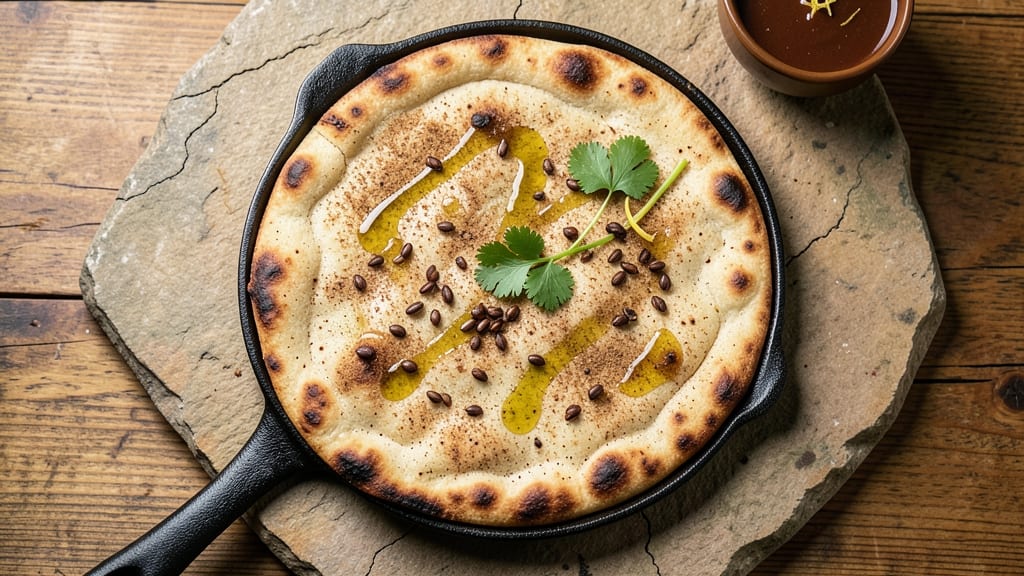
This brown rice flatbread recipe transforms simple ingredients into a versatile, nutty-grain masterpiece that works as wraps, dippers, or even a base for curries.
The secret lies in blending brown rice flour with just enough water and oil to create a pliable dough that rolls out perfectly—no yeast, no fuss, just pure flexibility.
I developed this after struggling to find a flatbread that balanced nutrition with ease, and the result is a dish that’s both traditional-inspired and modern-friendly.
The beauty of this recipe is its adaptability—bake it in the oven for crispy edges or cook it on a skillet for a softer texture, then serve with hummus, spiced lentils, or even as a wrap for grilled vegetables.
The brown rice flour adds a subtle nutty flavor that pairs beautifully with bold spices, making it a standout in any meal. With just five ingredients and minimal prep, you’ll have restaurant-quality flatbreads ready in under 30 minutes.
Ingredients for brown rice flatbread
Five simple ingredients create a nutty, pliable dough perfect for wraps and dippers.
| Ingredient | Amount | Notes |
|---|---|---|
| Brown Rice Flour 🌾 | 2 cups | Fine grind for pliable dough |
| Extra-Virgin Olive Oil 🫒 | ¼ cup | Lightly flavored preferred |
| Warm Water 💧 | ¾ cup | Room temperature for mixing |
| Salt 🧂 | ½ tsp | Fine sea salt preferred |
| Ground Cumin 🌿 | ½ tsp | Toasted for deeper flavor |
The brown rice flour is the star here—look for fine-ground versions at stores like Whole Foods or Trader Joe's for the best texture. Bob's Red Mill is a reliable brand if you're shopping online. The flour should be fresh, as older batches can turn gummy. If you can't find brown rice flour, whole wheat flour works in a pinch, though the flavor will be slightly different. For the olive oil, any lightly flavored variety works, but avoid heavily perfumed oils like garlic-infused—they can overpower the subtle nutty notes of the flour.
No cumin? Ground coriander at half the amount gives a similar earthiness. The water temperature matters—warm (not hot) helps activate the flour's gluten for a smoother dough. If your dough feels too dry, add 1 tsp more water; if too sticky, sprinkle in 1 tbsp more flour. For extra flavor, swap the olive oil for melted coconut oil or avocado oil. The salt can be omitted if you're sensitive to sodium, but it balances the nutty flavor beautifully.
Flatbreads keep well for 3 days in an airtight container at room temperature, or freeze for up to 3 months for quick meals. Reheat in a dry skillet or oven for 2-3 minutes to restore crispness. I like to portion the dough into 8 equal balls before rolling—this ensures even thickness. Store unused dough wrapped in plastic wrap to prevent drying.
Why You'll Love This Recipe
- No-Fuss Mixing: I swear by this dough—just flour, oil, water, and a pinch of cumin. No yeast, no waiting, no stress. Honestly, it’s the kind of recipe that makes me feel like I’ve earned my dinner just by stirring a bowl.
- Earthy Warmth: That cumin? It’s the star. The flatbreads develop this deep, toasty aroma as they cook, and the olive oil keeps them rich without being greasy. Between us, it’s the kind of flavor that makes store-bought wraps look sad.
- Packable Anywhere: I make a batch on Sundays, let them cool, and they stay fresh in the fridge for days. Wrap them around falafel for lunch, stuff with hummus for a snack, or toss them in a backpack for a picnic. They’re my go-to for busy mornings.
- Budget Magic: Brown rice flour is a pantry staple, and this recipe stretches it far. A single bag lasts me months, and the cost per serving? Ridiculously low. Plus, the leftovers freeze like a dream—just reheat and enjoy. My wallet thanks me every time.
Step-by-step instructions for brown rice flatbread
Here's how to craft pliable, nutty flatbreads with just five simple ingredients.
Combine Dry Ingredients and Form a Rough Dough
In a large mixing bowl, whisk together the 2 cups brown rice flour, 0.5 teaspoon salt, and 0.5 teaspoon ground cumin. The flour should be sifted if possible to prevent lumps, though brown rice flour naturally contains some texture. Add the 0.25 cup extra-virgin olive oil and mix with a wooden spoon until the oil is evenly distributed and the mixture resembles coarse sand.
This step is crucial for developing the dough's structure. The olive oil acts as both a binder and a flavor enhancer, while the cumin adds warmth that will permeate every bite. If your dough feels too dry at this stage, don't add water yet—we'll incorporate it in the next step. The brown rice flour absorbs moisture differently than wheat flour, so patience is key.
Gradually Add Warm Water to Form a Cohesive Dough
Slowly pour in the 0.75 cup warm water while stirring with a fork. You'll notice the mixture will initially resist coming together, which is normal with brown rice flour. Continue mixing until the dough begins to clump and pull away from the sides of the bowl. If it's still too crumbly after all the water is added, use your hands to knead gently for 1-2 minutes—just enough to bring it together without overworking it.
The dough should be soft but not sticky, similar to playdough consistency. If it feels too wet, add 1 tablespoon more brown rice flour and knead again. The warm water helps activate the flour's binding properties while preventing gluten formation, which is why these flatbreads remain tender even without wheat flour. Let the dough rest for 10 minutes while you prepare your cooking surface.
Divide and Roll Each Portion to Even Thickness
Using a bench scraper or sharp knife, divide the dough into 4 equal portions. Gently flatten each portion into a disc about 1-inch thick. Place one disc at a time on a lightly floured surface (use a small amount of the brown rice flour) and cover the remaining portions with a damp towel to prevent drying.
Working with one disc at a time, roll it out to 1/8-inch thickness using a rolling pin. The goal is even thickness throughout—press slightly harder in the center if it resists. Brown rice flour flatbreads are more delicate than wheat-based versions, so handle them gently to prevent tearing. If the dough sticks to the surface, dust with just enough flour to prevent sticking while maintaining the dough's integrity.
Cook Until Golden Brown and Slightly Charred
Heat a clean skillet or griddle over medium-high heat until very hot—you should see a slight shimmer when you hover your hand above it. Add one flatbread and cook for 1-2 minutes per side, until the edges begin to lift and develop golden brown spots and slight char marks. Press down gently with a spatula during the first 30 seconds to help it cook evenly without curling.
You'll know it's ready when the flatbread releases easily from the pan and has developed a crisp texture at the edges while remaining soft in the center. Transfer to a clean kitchen towel to keep warm while you cook the remaining flatbreads. The high heat is essential for creating that satisfying contrast between crispy exterior and tender interior that makes these flatbreads perfect for wraps or dipping.
Rest and Serve Immediately for Maximum Flexibility
Stack the cooked flatbreads on a clean kitchen towel and cover with another towel to keep them warm and pliable. Let them rest for 2-3 minutes before serving. This brief resting period allows the fibers to relax, making them more flexible for wrapping or dipping. The flatbreads should hold their shape when folded but remain soft enough to bend without cracking.
Serve immediately while still warm. These brown rice flatbreads have a delicate nutty flavor from the rice flour, enhanced by the aromatic cumin and rich olive oil. They're perfect for wrapping around grilled vegetables, stuffing with spiced meats, or using as dippers for hummus or spicy dips. Store any leftovers in an airtight container for up to 2 days, though they're best enjoyed fresh from the pan.
Pro Tips For Making Brown Rice Flatbread
- Mix with wet hands: I used to fight sticky dough—then I realized brown rice flour clumps like a stubborn child. Wet your hands before kneading, and the flour will glide instead of resisting. Less frustration, more control.
- Use room-temp water: Cold water makes the dough dense and chewy. Let your warm water sit for 10 minutes to cool to body temperature—just warm enough to steam slightly when mixed. The texture becomes light and tender, not gummy.
- Press, don’t roll: Brown rice dough tears easily. Instead of rolling, press it between two sheets of parchment with a glass or your palm until it’s ¼-inch thick. Less stress on the dough, fewer cracks.
- Toast the cumin first: Skip adding ground cumin directly to the mix—it’ll lose its punch. Toast it in a dry pan for 30 seconds until fragrant, then cool before mixing. The aroma jumps off the flatbread, and the flavor stays vibrant.
Regional styles of brown rice flatbread
Middle Eastern Manakeesh
Inspired by Lebanese manakeesh, this version swaps traditional wheat flour for brown rice flour while keeping the same warm spices.
Add 1 tablespoon sesame seeds to the dough before rolling, then brush the cooked flatbreads with 2 tablespoons melted ghee and sprinkle with 1 teaspoon za'atar for that iconic Middle Eastern flavor. Serve with garlic yogurt sauce and pickled vegetables for a restaurant-worthy spread. 🌿
Indian Paratha Twist
For a richer texture, fold the rolled flatbread into a quarter-circle shape before cooking, creating pleats like traditional paratha. Add 1 teaspoon grated ginger and 1 tablespoon finely chopped cilantro to the dough.
Cook in 1 tablespoon ghee per flatbread until golden brown on both sides. Serve with mint chutney and spiced lentils for a North Indian-inspired meal.
Mexican Tostada Adaptation
Increase the dough to 3 cups brown rice flour and add 1 teaspoon smoked paprika and ½ teaspoon garlic powder for a Mexican-inspired tostada. Roll the dough ⅛-inch thick and cut into 6-inch circles.
Brush with olive oil and bake at 375°F for 10-12 minutes until crisp. Top with refried beans, avocado, and salsa for a gluten-free alternative to traditional tostadas.
Italian Focaccia Style
Create a rustic focaccia by shaping the dough into a 9x13-inch rectangle on a baking sheet. Dimple the surface with your fingers and drizzle with 2 tablespoons olive oil. Bake at 400°F for 12-15 minutes until golden.
Finish with fresh rosemary sprigs and flaky sea salt for an Italian-inspired twist. Serve with balsamic glaze and olives for a sophisticated appetizer.
Japanese Okonomiyaki Base
For a savory Japanese-inspired version, add 2 tablespoons shredded cabbage and 1 tablespoon soy sauce to the dough. Roll into 6-inch rounds and pan-fry until crispy. Top with okonomiyaki sauce, bonito flakes, and green onions for a gluten-free alternative to the classic street food. 🍳
Nutrition facts
Frequently asked questions
Can I make this brown rice flatbread without a rolling pin?
If you don't have a rolling pin, use a clean glass bottle or even the bottom of a heavy pan. Press firmly and roll in circular motions to achieve even thickness. For extra flexibility, gently press the dough between two sheets of parchment paper and roll with your hands if needed.
Why did my flatbread turn out too dense or crumbly?
Brown rice flour absorbs moisture differently than wheat flour, so the key is patience. If your dough feels too dry, add 1 tablespoon more warm water at a time until it becomes pliable. Also ensure you're using fine-ground brown rice flour—coarse varieties can create a grainy texture. Let the dough rest for 10-15 minutes before rolling to help it bind better.
Can I bake these flatbreads instead of pan-frying?
Yes! Preheat your oven to 400°F and brush the rolled flatbreads with olive oil. Bake for 8-10 minutes on a parchment-lined tray until golden and crisp. For extra flavor, sprinkle with sesame seeds or everything bagel seasoning before baking. The baked version works well for dipping or as a base for toppings.
How do I store leftovers to keep them fresh?
Store cooked flatbreads in an airtight container at room temperature for up to 3 days. To reheat, warm in a dry skillet over medium heat for 1-2 minutes per side until crisp again. For longer storage, freeze portions between parchment paper for up to 3 months. Thaw overnight in the fridge before reheating.
What are the best fillings or toppings for these flatbreads?
These versatile flatbreads work with almost anything! Try wrapping them around grilled chicken shawarma, spiced chickpeas, or roasted vegetables. For dipping, pair with hummus, tahini sauce, or spicy yogurt. For a sweet version, spread with nut butter and drizzle with honey. The nutty flavor of the brown rice complements both savory and sweet toppings beautifully.