
Side Dishes
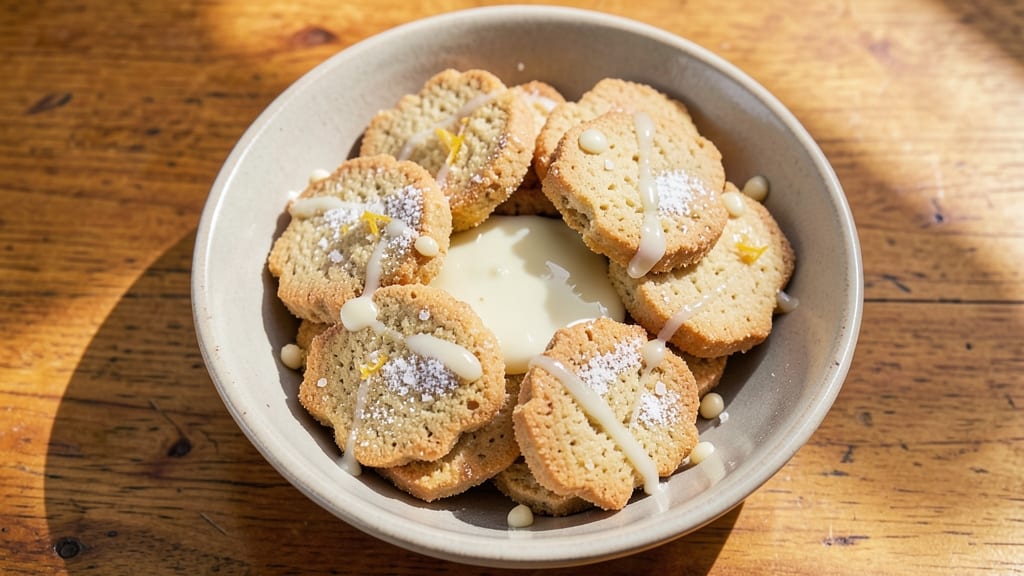
This brown rice flour biscuit recipe delivers the perfect balance of golden crunch and tender layers—all while keeping it entirely plant-based. The secret lies in the flour's natural binding properties, which create a flaky, buttery texture without dairy or eggs.
I developed this recipe after years of perfecting vegan baking, and these biscuits hold their shape while staying light and crispy.
What sets these apart is the golden crunch from a high-heat bake, paired with a buttery flavor from plant-based margarine. The recipe includes optional toppings like sesame seeds or dried herbs for extra texture and aroma.
Whether served alongside a hearty stew or as a side to grilled vegetables, these biscuits are a game-changer for plant-based meals.
Ingredients for brown rice flour biscuit
The foundation of these biscuits lies in brown rice flour's natural binding properties paired with plant-based butter substitutes.
| Ingredient | Amount | Notes |
|---|---|---|
| Brown Rice Flour 🌾 | 2 cups | Gluten-free, finely milled preferred |
| Plant-Based Margarine 🧈 | ¾ cup | Cold, cubed, like Earth Balance |
| Unsweetened Almond Milk 🥛 | ½ cup | Cold, unsweetened, like Silk brand |
| White Vinegar 🍶 | 1 tbsp | For leavening reaction |
| Baking Powder 🍞 | 2 tsp | Aluminum-free preferred |
| Salt 🧂 | ½ tsp | Diamond Crystal kosher salt |
| Sesame Seeds 🌰 | 2 tbsp | Optional topping, toasted |
| Dried Thyme 🌿 | 1 tsp | Or fresh thyme, finely chopped |
| Nutritional Yeast 🧀 | 1 tbsp | For umami depth, optional |
The brown rice flour is non-negotiable—Bob's Red Mill brand works best for its fine texture. Store-bought plant-based margarine like Earth Balance or Miyoko's melts beautifully, but avoid brands with excessive additives. For the almond milk, unsweetened Silk or Califia Farms provide the right consistency; sweetened versions can alter the flavor. The vinegar ensures proper leavening, so don't skip it. If you're using fresh thyme, finely chop it to mimic the dried version's texture.
No sesame seeds? Toasted poppy seeds or flaxseeds work beautifully as alternatives. Short on baking powder? Baking soda plus cream of tartar at a 1:2 ratio substitutes effectively. The nutritional yeast adds a cheesy note—Fortified brands like Braggs work best. For a richer flavor, consider adding 1 tbsp of miso paste to the dough. Prefer a sweeter biscuit? Add 1 tbsp maple syrup to the almond milk mixture.
Store the flour in an airtight container in a cool, dark place for up to 6 months. Margarine should be kept refrigerated and used within 2 weeks of opening. These biscuits freeze exceptionally well—wrap individually in parchment and store for up to 3 months. Reheat in a 350°F oven for 5 minutes to restore crispiness.
Why You'll Love This Recipe
- Five-Ingredient Magic: I swear, this recipe’s pantry-friendly. Brown rice flour, margarine, almond milk, vinegar, and baking powder—that’s it. No crowded spice racks or last-minute grocery runs. Honestly, I keep every ingredient stocked just for this.
- Crispy-Tender Crunch: The vinegar’s secret work—it creates that perfect golden crust while keeping the inside soft. That buttery margarine finish? Dangerously addictive. My kids ask for seconds before the plate even hits the table.
- Breakfast or Snack: Serve them warm with jam for a quick breakfast or pack them cold for lunch. They’re my go-to for picnics or after-school snacks. (Yes, even on a Tuesday night.) The rice flour keeps them sturdy enough to handle anything.
- Zero-Waste Leftovers: These stay fresh for days in the fridge, and they freeze like a dream. Toss a batch in the freezer after baking—just reheat for toasty biscuits anytime. Between us, I’ve eaten a week’s worth of these straight from the freezer. No judgment.
Step-by-step instructions for brown rice flour biscuits
Achieve perfectly golden, layered biscuits using this gluten-free method with precise technique.
Prepare the Plant-Based Margarine and Almond Milk Mixture
In a medium bowl, combine the 0.75 cup cold plant-based margarine with the 0.5 cup cold unsweetened almond milk. Using a fork or whisk, mix until the margarine forms small, pea-sized lumps throughout the milk—this creates the ideal fat distribution for flaky layers. The margarine should remain cold and firm, not softened or melted.
I like to cut the margarine into small cubes first, then add them to the milk. This ensures even distribution and prevents clumping. If the mixture feels too warm, chill it in the refrigerator for 5 minutes before proceeding. The cold temperature is crucial for achieving that signature biscuit texture.
Combine Dry Ingredients for Optimal Texture
In a separate large bowl, whisk together the 2 cups brown rice flour, 2 teaspoons baking powder, 0.5 teaspoon salt, 1 teaspoon dried thyme, and 1 tablespoon nutritional yeast. Sift the mixture through a fine-mesh sieve to aerate the flour and eliminate any lumps. This step is essential for achieving a light, tender crumb in your biscuits.
Gently stir in the 1 tablespoon white vinegar using a rubber spatula. The vinegar will react with the baking powder, creating tiny air pockets that help the biscuits rise. Avoid overmixing—just combine until no dry spots remain. The dry ingredients should look uniformly distributed but still maintain some texture.
Form the Dough and Chill for Structure
Gradually add the dry ingredient mixture to the margarine-milk mixture, stirring gently with a wooden spoon or silicone spatula until just combined. The dough will be slightly sticky but should come together without being wet. If it feels too dry, add 1 teaspoon more almond milk; if too sticky, incorporate 1 tablespoon more brown rice flour.
Turn the dough out onto a lightly floured surface and knead it gently 6-8 times until it forms a cohesive mass. Divide the dough into 4 equal portions (about ¼ cup each) and flatten each into a 1-inch thick disc. Wrap each disc tightly in plastic wrap and refrigerate for at least 30 minutes—this resting period helps the gluten relax and prevents spreading during baking.
Roll and Cut for Perfect Shapes
Preheat your oven to 375°F and line a baking sheet with parchment paper. On a lightly floured surface, take one chilled dough disc and roll it out to a ½-inch thickness using a rolling pin. For even thickness, roll from the center outward, rotating the dough as you go. If the dough cracks, gently press it back together—don't overwork it.
Use a 2-inch round biscuit cutter to cut out biscuits, pressing straight down without twisting. Place each biscuit on the prepared baking sheet, spacing them 1 inch apart. Sprinkle the tops with 2 tablespoons sesame seeds, pressing them lightly into the dough. This creates a beautiful crunchy contrast to the tender interior.
Bake Until Golden and Crisp
Bake the biscuits for 12-15 minutes until they're deep golden brown on top and the edges are set. The internal temperature should reach 190°F when measured with an instant-read thermometer. Don't overbake—they'll continue cooking slightly as they cool.
For best results, I recommend baking one sheet at a time to ensure even heat distribution. As soon as they're done, transfer the biscuits to a wire rack to cool for 5 minutes before serving. The sesame seeds should be toasted and crisp, while the interior should remain soft and flaky. Serve warm with your favorite jam, butter, or savory toppings for a versatile gluten-free option.
Pro Tips For Making Brown Rice Flour Biscuit
- Chill the Dough: DESCRIPTION: Brown rice flour absorbs moisture differently than wheat flour—give the dough at least 30 minutes in the fridge before baking. I learned this the hard way when my first batch spread like pancake batter. Cold dough holds its shape better and bakes more evenly, especially with plant-based margarine that can get greasy.
- Measure Vinegar Precisely: DESCRIPTION: White vinegar is the leavening agent here, but too much makes them taste sour. Use exactly 1 tablespoon (not a splash) for every 2 cups of flour—this recipe isn’t forgiving. I once doubled it by accident and ended up with biscuits that tasted like pickles.
- Cut Margarine Cold: DESCRIPTION: If your plant-based margarine is soft, pop it in the freezer for 10 minutes before cutting it into the flour. Cold fat creates flaky layers; warm fat just melts into a dense mess. Use a pastry cutter or fork—no food processor needed, and no, you can’t skip this.
- Skip Overmixing: DESCRIPTION: Brown rice flour develops gluten less than wheat, so mix just until combined—about 10 strokes with a fork. Overworking the dough makes them tough and chewy. I used to knead like I was making pie dough, and my biscuits turned out like hockey pucks.
Best sauces and condiments for this dish
Classic Garlic Herb Spread
Whip up a quick garlic herb spread using 2 tbsp vegan butter, 1 tbsp minced garlic, 1 tbsp fresh parsley, and ½ tsp dried thyme. Warm the butter in a small saucepan over low heat until melted, then stir in the garlic and herbs.
Let it cool slightly before spreading on warm biscuits. This adds a rich, savory depth that pairs perfectly with the biscuits' buttery crunch. 🧄
Spicy Sriracha Aioli
For a kick of heat, mix ¼ cup vegan mayo, 1 tbsp sriracha, 1 tsp lime juice, and ½ tsp maple syrup in a bowl. Adjust the sriracha to taste—start with 1 tsp if you prefer mild heat.
This zesty aioli cuts through the richness of the biscuits while adding a tangy contrast. Serve it alongside grilled veggies or as a dipping sauce for extra flavor. 🌶️
Honey Mustard Glaze
Combine 2 tbsp vegan honey, 1 tbsp Dijon mustard, and 1 tsp apple cider vinegar in a small bowl. Whisk until smooth and drizzle over warm biscuits for a sweet-and-tangy finish.
This glaze works especially well with the sesame seeds, creating a delightful crunch-sweet combination. For a richer flavor, add 1 tsp tahini to the mix. 🍯
Smoky Chipotle Cream
Blend ¼ cup vegan sour cream, 1 tsp adobo sauce (from canned chipotles), ½ tsp smoked paprika, and a pinch of salt until smooth. This smoky, creamy sauce adds a bold flavor that complements the biscuits' neutral base.
Spread it on biscuits before serving or use it as a dip for extra richness. For a spicier version, increase the adobo sauce to 1½ tsp. 🔥
Fresh Herb Butter
Mix 2 tbsp softened vegan butter, 1 tbsp chopped chives, 1 tbsp chopped dill, and a pinch of salt in a small bowl. Roll into a log and chill for 15 minutes to firm up.
Slice and serve on top of biscuits for a fresh, herby twist. This works beautifully with savory dishes like roasted vegetables or lentil stews. 🌿
Sweet Berry Compote
Simmer ½ cup mixed berries (fresh or frozen), 1 tbsp maple syrup, and ½ tsp lemon juice in a small saucepan over medium heat for 5-7 minutes until the berries break down.
Mash slightly and spread over warm biscuits for a fruity, sweet contrast. This compote pairs especially well with the biscuits' buttery texture, creating a balanced flavor profile. 🍓
Nutrition facts
Frequently asked questions
Why does this recipe use brown rice flour instead of all-purpose?
Brown rice flour creates a naturally gluten-free, nutty flavor while providing excellent binding properties for flaky layers. Unlike all-purpose flour, it adds a subtle earthiness that pairs beautifully with savory toppings like sesame seeds. The texture also stays lighter longer when baked.
Can I make these biscuits without refrigerating the dough?
While possible, chilling for 30 minutes prevents spreading during baking. If short on time, place the dough discs in the freezer for 15 minutes instead. The cold temperature helps maintain structure—skipping this step may result in flatter biscuits with less rise.
What's the best way to reheat stale biscuits?
Preheat oven to 350°F and wrap biscuits in foil. Heat for 5-7 minutes until crisp again. For microwave reheating, wrap in a damp paper towel and heat for 10-15 seconds—this restores crunch without drying them out.
Can I substitute almond milk with another plant-based milk?
Yes, but use unsweetened soy or oat milk for best results—they have similar protein content. Avoid coconut milk (too rich) or rice milk (too thin). For extra richness, add 1 tsp vegan butter to the dough. The milk should be cold to maintain proper fat distribution.
Why did my biscuits turn out dense instead of flaky?
Overmixing the dough or using warm margarine are common culprits. Ensure your margarine stays cold and cut it into small cubes before mixing. Also, avoid pressing down on the dough when cutting—this compresses air pockets needed for flakiness. Sift your dry ingredients thoroughly too!