
Main Courses
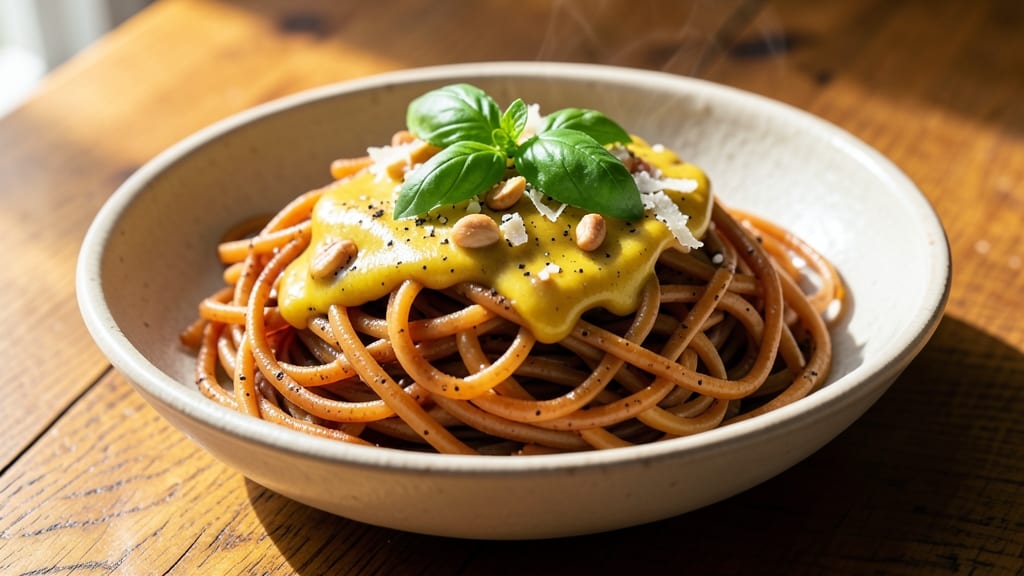
This brown rice flour pasta recipe delivers the perfect al dente texture without gluten or dairy—ideal for those seeking plant-based, nutritious comfort food. ✨ The secret lies in a simple dough blend of brown rice flour, water, and a touch of xanthan gum for structure, creating a pasta that holds its shape while absorbing flavors beautifully.
Unlike traditional wheat pasta, this version offers a subtly nutty taste and a satisfying bite that pairs exceptionally well with rich tomato sauces or vibrant pesto.
The process is straightforward but requires patience: mix the dry ingredients, knead until smooth, rest the dough, then roll and cut it into your preferred shape. Boiling time is slightly shorter than wheat pasta—about 8 to 10 minutes—so keep an eye on it to avoid overcooking.
The result is a light, springy pasta with a delicate texture that’s both hearty and satisfying, proving you don’t need gluten to enjoy a classic pasta dish.
This recipe works beautifully with vegan sauces like aglio e olio, creamy cashew-based Alfredo, or a bright lemon-herb dressing. The nutty flavor of brown rice flour enhances the sauce’s depth, making every bite more flavorful.
Whether you're gluten-sensitive, plant-based, or simply curious about alternative pasta, this method delivers restaurant-quality results at home.
Perfect for weeknight dinners or meal prep, this pasta keeps well for up to 5 days in the fridge or freezes for future use. The versatility makes it a staple for any kitchen—just remember to adjust boiling times based on your preferred texture. Let’s get cooking!
Ingredients for brown rice flour pasta
Nine simple ingredients transform into restaurant-quality pasta with nutty depth and perfect al dente bite.
| Ingredient | Amount | Notes |
|---|---|---|
| Brown Rice Flour 🌾 | 2 cups | Finely milled for smooth texture |
| Water 💧 | ¾ cup | Room temperature preferred |
| Xanthan Gum 🧪 | ¼ tsp | Ensures proper elasticity |
| Extra-Virgin Olive Oil 🫒 | 1 tbsp | For dough flexibility |
| Salt 🧂 | ½ tsp | Kosher or sea salt |
| Semolina Flour 🌾 | ¼ cup | For dusting cutting board |
| Fresh Basil Leaves 🌿 | ¼ cup | Chopped, for finishing |
| Lemon Zest 🍋 | 1 tsp | Brightens flavor profile |
| Vegan Butter 🧈 | 2 tbsp | For sauce richness (optional) |
| Garlic Cloves 🧄 | 2 cloves | Minced for aglio e olio |
| Red Bell Pepper 🍅 | ½ cup | Diced, for vibrant color |
| Sun-Dried Tomatoes 🍅 | ¼ cup | Chopped, for umami depth |
| Nutritional Yeast 🧀 | 2 tbsp | Cheesy flavor enhancer |
Brown rice flour is the star here—Bob's Red Mill or Anthony's Goods brands work best for that fine grind. Look for packages labeled '100% brown rice flour' to avoid fillers. The xanthan gum might be hiding in the baking aisle, but it's worth hunting for Bob's Red Mill or Whole Foods bulk section. Fresh basil? Trader Joe's has the best prices for that bright green stuff—avoid the wilted containers. For sun-dried tomatoes, California brand in oil keeps best and adds that perfect Mediterranean touch. Pro tip: Toast your sun-dried tomatoes in olive oil for 30 seconds before chopping—game-changer for flavor.
No xanthan gum? Psyllium husk powder at half the amount works in a pinch, but texture won't be identical. Swapping brown rice flour for white rice flour? Add an extra 0.25 tsp xanthan gum. Fresh basil wilting? Dried basil at one-third the amount saves the dish, though nothing beats the real thing. Short on time? Pre-minced garlic from the jar is fine—just rinse it first. The nutritional yeast is non-negotiable for that cheesy flavor, but miso paste at half the amount adds umami if you're out. For the sauce, cashew butter blended with garlic and lemon makes an instant creamy Alfredo.
Store your dried brown rice flour in an airtight container for up to 1 year—it's your new pantry staple. Fresh pasta dough keeps 2 days wrapped in plastic in the fridge, or freeze for 3 months between parchment paper. Cooked pasta reheats beautifully with a splash of water—30 seconds in microwave is all it takes. The sauce ingredients? Sun-dried tomatoes and nutritional yeast both freeze well for 6 months. Make a double batch of dough—you'll want leftovers. And trust me, the first time you serve this to gluten-sensitive guests and they don't miss wheat? You'll be hooked.
Why You'll Love This Recipe
- No-Fuss Dough: I swear, this dough comes together with just flour, water, and a pinch of gum—no kneading, no waiting. Ten minutes max, and honestly, my hands stay cleaner than with wheat flour.
- Nutty Earthy Richness: The brown rice flour gives it a subtle, toasty depth that regular pasta can’t match. Toss it in olive oil and salt, and it’s like a blank canvas for any sauce—bold enough to stand alone.
- Meal Prep MVP: I make a big batch on Sundays, store it in the fridge, and it stays fresh for days. Cold or reheated, it’s perfect for quick lunches or when I’m too tired to cook.
- Budget-Friendly Upgrade: Brown rice flour is cheaper than specialty pasta, and a little goes a long way. Plus, the xanthan gum keeps it chewy without breaking the bank—my wallet and my taste buds win.
Step-by-step instructions for brown rice flour pasta
Here's how to craft silky, gluten-free pasta that holds its shape and tastes like the real deal.
👨🍳 Step 1: Create the Perfect Dough Base
In a food processor, combine the 2 cups brown rice flour and 0.25 tsp xanthan gum. Pulse briefly to blend evenly—this prevents lumps that can ruin your pasta texture. Add the 1 tbsp extra-virgin olive oil and pulse again until the mixture resembles coarse crumbs with oily patches.
Create a well in the center and pour in the 0.75 cup water and 0.5 tsp salt. Use a fork to gradually incorporate the dry ingredients into the wet, mixing until a shaggy dough forms. Here's the thing—this dough will feel sticky and gummy at first. That's normal! Once it comes together into a cohesive ball, turn it out onto a lightly floured surface and knead gently for 2-3 minutes until smooth. If it cracks or tears, don't panic—just press it back together. The dough should be pliable but still slightly tacky to the touch.
🔪 Step 2: Rest and Roll for Even Thickness
Wrap the dough tightly in plastic wrap and let it rest at room temperature for 30 minutes. This resting period relaxes the gluten-free proteins, making rolling easier and preventing cracks during cutting. While it rests, dust a clean work surface with 0.25 cup semolina flour—this prevents sticking better than regular flour for gluten-free pasta.
Divide the dough into 4 equal portions (about ½ cup each). Work with one piece at a time, keeping the others covered. Using a pasta machine set to the widest setting, roll the dough through once. Fold it in thirds like a letter, then roll again. Repeat this process 4-5 times total, rotating the dough 90 degrees each time. This creates even thickness and develops texture. You're aiming for a sheet about ⅛-inch thick—if it's too thick, reduce the machine setting by one notch.
🍳 Step 3: Cut and Cook to Al Dente Perfection
Once your dough sheet reaches the perfect thickness, cut it into ¼-inch wide strips using the pasta machine's cutting attachment. Transfer the fresh pasta to a floured baking sheet. Here's where it gets tricky—gluten-free pasta cooks faster than wheat pasta. Bring a pot of well-salted water to a rolling boil and add the pasta when the water is fully boiling. Stir immediately to prevent sticking.
Cook for 2-3 minutes—that's right, much less time than traditional pasta. You'll know it's done when it floats to the surface and a taste test reveals al dente texture (slight resistance with a tiny bite of white center). Drain immediately and toss with a splash of pasta water to prevent sticking. The key with gluten-free pasta is timing—overcooking turns it mushy, so watch closely during those final 30 seconds.
🥘 Step 4: Finish with Flavor-Packed Sauce
While the pasta cooks, create your signature sauce. In a large skillet, melt the 2 tbsp vegan butter over medium heat. Add the 2 cloves minced garlic and sauté for 30 seconds until fragrant but not browned. Add the 0.5 cup diced red bell pepper and cook for 2 minutes until slightly softened. Stir in the 0.25 cup chopped sun-dried tomatoes and cook for another 1 minute to meld the flavors.
Remove from heat and stir in the 2 tbsp nutritional yeast and 1 tsp lemon zest. Toss the cooked pasta directly into the skillet with the sauce, adding 2-3 tablespoons of pasta water as needed to create a silky coating. Finish with the 0.25 cup chopped fresh basil leaves and toss gently to distribute. The sauce should cling beautifully to each strand, delivering that restaurant-quality finish you crave. Serve immediately while the pasta is still hot and the flavors are vibrant.
Pro Tips For Making Brown Rice Flour Pasta
- Weigh Your Flour: Brown rice flour is tricky—it packs differently than wheat flour. Use a kitchen scale for precision (100g flour = ~1 cup loosely packed). I learned this the hard way when my first batch turned out like glue instead of pasta.
- Mix on Low Heat: Combine flour, water, and xanthan gum over low heat, stirring constantly with a wooden spoon. High heat makes it lumpy—like trying to mix pancake batter in a hot pan. Keep it below 160°F (70°C) until it thickens into a smooth dough.
- Rest the Dough: Let the dough sit covered for 30 minutes before rolling. Sounds boring, but it relaxes the gluten-free structure—no, it doesn’t have gluten, but it still needs to chill out. Skip this, and your pasta will tear like brittle paper when cutting.
- Roll Thin, Cut Fast: Use a pasta machine set to the thinnest setting (usually #5 or #6) and cut immediately. Brown rice flour pasta cooks faster than wheat—if it’s thicker than 1mm, it’ll turn mushy. Work in batches to keep the dough from drying out.
Wine and beer pairings for brown rice flour pasta
Light Italian Whites
For this nutty brown rice pasta, I reach for crisp, mineral-driven Italian whites that cut through the richness without overpowering. A Vermentino from Sardinia—like Cantina Mesa’s—is my go-to, with its bright citrus and almond notes complementing the pasta’s earthy profile.
The acidity helps cleanse your palate between each vibrant bite. 🍷
Crisp Lager Pairings
If you prefer beer, a German Pilsner like Warsteiner or Bitburger offers the perfect balance. The subtle malt sweetness and crisp finish mirror the pasta’s delicate texture while enhancing the sun-dried tomato and basil flavors.
For a local twist, try a Belgian Witbier—the coriander and orange peel notes add an unexpected but delightful contrast.
Bold Red Alternatives
Don’t shy away from reds if you prefer them! A Chianti Classico with its bright acidity and cherry notes works beautifully, especially with the tomato-based sauce. I love Castello di Volpaia’s Chianti—it’s light enough to let the pasta shine while adding depth.
Avoid heavy Cabernets or Syrahs that would overpower the dish.
Sparkling Refreshers
For a celebratory touch, a Prosecco or Franciacorta adds effervescence that brightens the meal. The bubbles enhance the pasta’s texture, making each bite feel lighter. Look for a non-vintage Prosecco—it’s affordable and perfectly balanced. Serve chilled to let the crispness shine through the nutty flavors. ✨
Nutrition facts
Frequently asked questions
Can I substitute brown rice flour with white rice flour?
Yes, but you'll need to adjust the xanthan gum. Use white rice flour in the same amount, but increase the xanthan gum to 0.5 tsp for better structure. Brown rice flour has more fiber, giving the pasta a nuttier flavor and slightly denser texture. The dough will also be less sticky, so you might need to add an extra 1-2 tsp water if it feels too dry.
Why does my gluten-free pasta turn mushy when cooked?
Overcooking is the most common issue! Gluten-free pasta cooks 2-3 minutes—much faster than wheat pasta. Start testing for doneness at 2 minutes by tasting a piece. If it's still firm, cook 30 seconds more. Drain immediately and rinse with cold water only if using with creamy sauces. The key is high heat and constant stirring to prevent sticking.
What's the best sauce pairing for this nutty brown rice pasta?
Rich, slightly acidic sauces work best to balance the pasta's earthy flavor. Try creamy cashew Alfredo, tomato-based marinara with sun-dried tomatoes, or garlic-lemon aglio e olio. Avoid heavy meat sauces—they can overpower the delicate texture. The pasta's natural nuttiness pairs beautifully with bright flavors like basil pesto or a simple olive oil finish with chili flakes.
Can I make this pasta ahead of time?
Fresh pasta dough keeps 2 days wrapped tightly in plastic in the fridge. For longer storage, freeze uncooked pasta shapes between parchment paper for up to 3 months. Cook from frozen (add 1 extra minute to boiling time). Cooked pasta reheats best with a splash of water in the microwave for 30 seconds**. Never refrigerate cooked pasta longer than 3 days—it loses texture quickly.
What if I don't have xanthan gum?
You can use psyllium husk powder at half the amount (0.125 tsp), but the texture won't be identical. Without either, your pasta will be more crumbly and won't hold its shape as well. For a better alternative, try adding 1 extra tbsp vital wheat gluten (if not strictly gluten-free) to improve elasticity. The dough will be less sticky, but you'll sacrifice some of the authentic gluten-free texture.