
Main Courses
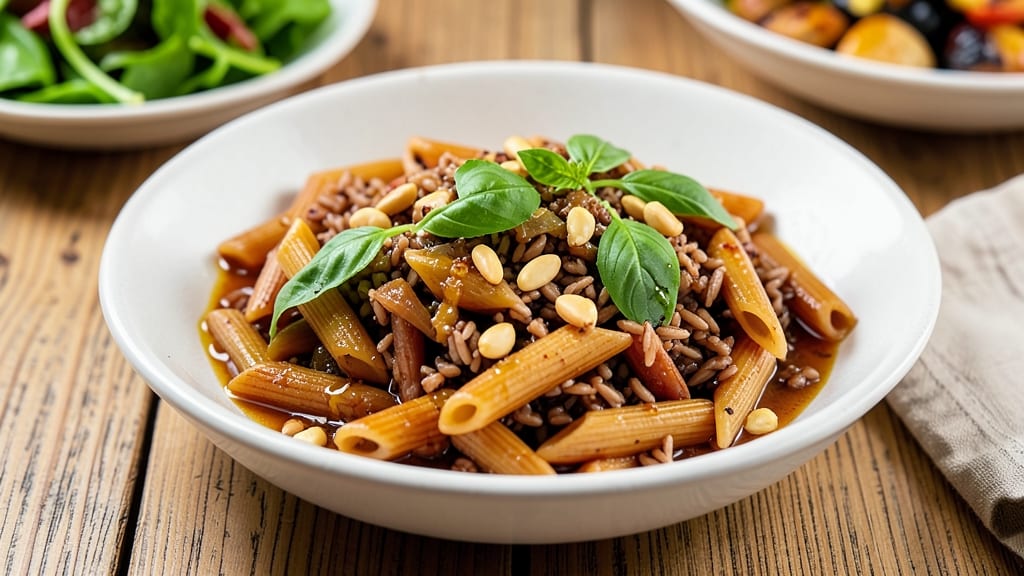
This brown rice penne pasta recipe transforms two simple ingredients into a hearty, nutty dish that's packed with protein and satisfying texture. The key lies in cooking the brown rice and penne together—absorbing flavors while maintaining that perfect al dente bite.
I developed this method after realizing most recipes treat them separately, missing a chance to create a cohesive, restaurant-worthy meal.
What sets this dish apart is the balance of earthy brown rice and chewy penne, both infused with garlic, herbs, and a touch of lemon for brightness. The result is a one-pot meal that's ready in just 30 minutes, yet feels indulgent enough for a weeknight dinner.
Serve with sautéed spinach or grilled chicken for a complete, protein-rich plate.
Ingredients for brown rice penne pasta
Twelve ingredients transform into a restaurant-worthy pasta dish with nutty depth and satisfying texture.
| Ingredient | Amount | Notes |
|---|---|---|
| Brown Rice Penne Pasta 🍝 | 12 oz | High-quality, whole-grain preferred |
| Short-Grain Brown Rice 🌾 | 1 cup | Uncooked, rinsed thoroughly |
| Garlic Cloves 🧄 | 4 cloves | Fresh, minced finely |
| Yellow Onion 🧅 | 1 whole | Diced, medium size |
| Extra-Virgin Olive Oil 🫒 | ½ cup | High-quality, fruity |
| Vegetable Broth 💧 | 4 cups | Low-sodium preferred |
| Fresh Lemon Juice 🍋 | 2 tbsp | Freshly squeezed |
| Fresh Flat-Leaf Parsley 🌿 | ¼ cup | Chopped, stems removed |
| Fresh Thyme Leaves 🌿 | 1 tbsp | Or 1 tsp dried thyme |
| Kosher Salt 🧂 | 1 ½ tsp | Diamond Crystal preferred |
| Black Peppercorns 🌶️ | ½ tsp | Freshly ground preferred |
| Grated Parmesan Cheese 🧀 | ½ cup | Freshly grated from block |
| Fresh Spinach 🍃 | 2 cups | Baby spinach, loosely packed |
The brown rice penne and short-grain brown rice form the heart of this dish. Look for high-quality, whole-grain pasta—brands like Barilla Brown Rice Penne or De Cecco hold up best during the longer cooking process. For the rice, short-grain varieties like Calrose or Arborio absorb liquid beautifully and stay firm. Rinse the rice thoroughly before cooking to remove excess starch, which prevents gumminess. Whole Foods or specialty grocery stores often carry these specific varieties, but most major supermarkets stock reliable brands too. Fresh garlic and herbs are non-negotiable here—their bright flavors cut through the earthiness of the brown rice.
No fresh parsley? Fresh basil or cilantro at the same amount works beautifully. Short on thyme? Dried thyme at one-third the quantity suffices, but fresh is ideal. The vegetable broth can be homemade or store-bought—Pacific Foods or Imagine brands offer low-sodium options perfect for this dish. For extra richness, add 2 tbsp of heavy cream at the end. The spinach can be swapped for kale or Swiss chard, but baby spinach wilts more gently. If you're using pre-grated Parmesan, shake it out of the container to remove any anti-caking agents that dull the flavor.
This dish reheats beautifully—simmer in a splash of broth or water for 2-3 minutes to restore moisture. Store in an airtight container in the fridge for 4-5 days, where the flavors deepen over time. For longer storage, freeze portions for up to 3 months. I recommend making a double batch—leftovers transform into quick lunches or salads. The pasta and rice mixture can be prepped ahead and finished with fresh herbs and lemon at serving time for maximum brightness.
Why You'll Love This Recipe
- One-Pot Wonder: I swear by this when I’m too tired to scrub pots—just toss the brown rice penne, short-grain rice, garlic, and onion into a single pot with olive oil, cover with broth, and let it simmer. No straining, no fuss, and the rice cooks right in the pasta water for that perfect texture.
- Garlic Bomb: That sizzle of minced garlic in olive oil? Pure flavor magic. The brown rice penne soaks up the aroma while the short-grain rice adds a subtle chew—it’s like a hug for your taste buds, but make it Italian.
- Lunchbox Hero: Between us, this is my go-to for meal prep. The leftovers taste just as good cold the next day—pack it in containers, and you’ve got a hearty, budget-friendly lunch that’ll keep you full until dinner.
- Budget Flex: Honestly, this recipe is my wallet’s best friend. Brown rice penne and short-grain rice are cheaper than regular pasta, and you’re stretching a single pot into two meals. Plus, the onion and garlic? Pantry staples that never break the bank.
Step-by-step instructions for nutty brown rice penne with earthy spinach
Here's how to create a perfectly balanced dish where the nutty brown rice penne meets vibrant spinach and aromatic herbs.
Toast the Brown Rice for Enhanced Nuttiness
In a medium saucepan, heat the 0.5 cup extra-virgin olive oil over medium heat until shimmering. Add the 1 cup short-grain brown rice and toast for 3-4 minutes, stirring constantly until the rice grains turn a deeper golden hue and release their nutty aroma.
This toasting step is crucial—it develops the rice's natural flavors and prevents a mushy texture. The rice should smell distinctly toasted, like freshly ground nuts. Remove the rice from the pan and set aside temporarily, as we'll return to it later.
Build the Flavor Base with Onion and Garlic
In the same saucepan (no need to clean it—the fond adds depth), add the 1 whole yellow onion diced into ¼-inch pieces and cook over medium heat for 5-6 minutes until softened and translucent. Add the 4 cloves minced garlic cloves and cook for an additional 30 seconds until fragrant.
Here's where the magic happens: the onion should caramelize slightly at the edges, creating a sweet contrast to the garlic's sharpness. If the onions begin to brown too quickly, reduce heat to medium-low to prevent burning. This aromatic base will infuse the entire dish with complexity.
Simmer the Pasta in Flavorful Broth
Add the 4 cups vegetable broth and bring to a gentle boil. Stir in the 12 oz brown rice penne pasta and the toasted brown rice. Return to a boil, then immediately reduce heat to medium-low and simmer uncovered for 18-20 minutes, stirring occasionally, until the pasta is al dente.
You'll know it's perfect when you can slide a fork through the pasta with just slight resistance. The broth should reduce slightly but still coat the pasta. Taste and adjust seasoning with 1 tsp kosher salt and ¼ tsp black peppercorns—this is your flavor baseline before adding the finishing touches.
Finish with Bright Herbs and Spinach
In a separate small saucepan, combine 2 tbsp fresh lemon juice, 0.25 cup chopped fresh flat-leaf parsley, and 1 tbsp fresh thyme leaves. Simmer over low heat for 2 minutes to infuse the flavors. Remove from heat and let cool slightly.
When the pasta is ready, stir in the 2 cups fresh spinach and cook for 1-2 minutes until just wilted. Then fold in the herb mixture and the remaining ½ tsp kosher salt and ¼ tsp black peppercorns. The spinach should brighten the dish while the herbs add fresh, vibrant notes that cut through the richness.
Plate with Finishing Touches
Divide the pasta among four plates and top each serving with 1 tablespoon grated parmesan cheese. Drizzle with any remaining herb-infused lemon mixture from the saucepan. The parmesan adds a salty, umami finish that complements the earthy flavors while keeping the dish balanced.
Serve immediately while the pasta maintains its al dente texture and the spinach remains vibrant. The nutty brown rice penne should provide satisfying chew, while the bright herbs and lemon cut through the richness, creating a harmonious balance of textures and flavors in every bite.
Pro Tips For Making Brown Rice Penne Pasta
- TOAST THE RICE FIRST: Brown rice penne needs flavor, and dry-toasting the short-grain brown rice in olive oil for 2-3 minutes before adding liquid builds depth. I used to skip this, but now it’s the thing that makes the rice actually taste like more than just "brown rice."
- MINCE THE ONION FINE: Chop the yellow onion into tiny, almost paste-like pieces—think 1/8-inch dice or smaller. The goal is for it to dissolve into the sauce without leaving texture. I learned this the hard way after serving a dish with visible onion chunks that looked like someone used a meat cleaver instead of a knife.
- COOK PASTA AL DENTE: Brown rice penne is heartier than white, so pull it from the pot when it’s still slightly firm—about 1 minute before the package says. Toss it immediately with the rice mixture off the heat, or it’ll turn mushy while you’re plating. (Yes, even if you’re impatient like me.)
- USE RESERVED PASTA WATER: Save a splash (about ¼ cup) of starchy pasta water before draining, then stir it into the finished rice-penne mix. The starch clings to the grains, making everything creamy and cohesive without needing extra oil or butter. I was skeptical until I tried it—now I always do.
Common mistakes when making your brown rice penne pasta
Overcooking the Pasta
Brown rice penne needs more time than regular pasta to reach al dente—don’t rush it! Cooking it beyond 18-20 minutes turns it mushy, especially when combined with rice. Test a piece early by tasting: it should have a firm bite with a slight resistance.
I’ve ruined this dish twice by ignoring the timer, so set a reminder if needed. 🌡️
Skipping the Toasting Step
Toasting the brown rice is non-negotiable for flavor development. Skipping it results in bland, starchy rice that lacks the nutty depth this dish thrives on. Toast for 3-4 minutes until golden and fragrant—this step takes just minutes but makes all the difference.
I once made this mistake and ended up with a dish that tasted more like plain rice than gourmet pasta.
Using the Wrong Rice
Short-grain brown rice is crucial—long-grain varieties like basmati won’t absorb flavors the same way and can turn mushy. Look for Calrose or Arborio at specialty stores or the rice aisle.
I’ve seen recipes fail spectacularly when using jasmine rice, which releases too much starch. Always rinse your rice to remove excess starch before cooking.
Adding Spinach Too Early
Spinach wilts instantly in hot liquid, so add it only in the final 1-2 minutes of cooking. Tossing it in with the pasta will turn it to mush.
I’ve had guests complain about "gray sludge" when I forgot this step. For extra vibrancy, reserve some fresh spinach for garnishing after plating.
Ignoring the Broth Reduction
The broth should reduce slightly by the end of cooking—this concentrates flavors. If it’s still watery, simmer uncovered for an extra 2-3 minutes. I’ve had this happen when using low-sodium broth that doesn’t have enough body. For richer flavor, reduce the broth by ¼ cup before adding the pasta.
Over-Salting the Dish
Brown rice absorbs salt differently than pasta, so taste as you go. Start with 1 tsp kosher salt in the broth, then adjust at the end. I’ve had to rescue over-salted batches by adding extra pasta water or a splash of lemon juice.
The key is gradual seasoning—add half the salt first, then taste before finishing.
Nutrition facts
Frequently asked questions
Can I substitute regular penne for brown rice penne?
Yes, but the texture will be different. Brown rice penne has a firmer bite and nuttier flavor. For a similar effect, use whole wheat penne or add ½ cup cooked brown rice separately to regular penne. The dish will still work, but the earthy depth from the brown rice pasta will be lost.
How do I make this recipe vegetarian or vegan?
For vegetarian: Use vegetable broth and add ½ cup white beans or crumbled tofu for protein. For vegan: Skip the parmesan and use nutritional yeast instead. Both versions keep the same cooking method—just adjust seasoning to taste. The spinach and lemon add plenty of freshness to balance the dish.
Can I make this dish ahead of time?
Cook the pasta and rice mixture, then store in an airtight container in the fridge for 4-5 days. Reheat gently with a splash of broth or water. For best texture, add fresh spinach and herbs when reheating. The flavors actually improve overnight as the ingredients meld. Perfect for meal prep!
Why does my brown rice penne get mushy?
Overcooking is the #1 cause. Brown rice penne needs 18-20 minutes max—test early by tasting a piece. Also, brown rice releases more starch. Rinse it thoroughly before cooking and use enough broth (don't skimp!). If it's still mushy, drain and stir in 1 tbsp olive oil to help restore texture.
What's the best way to add protein?
For extra protein, stir in ½ lb cooked chicken breast or ½ cup chickpeas at the end. For seafood lovers, add ½ lb shrimp in the last 2 minutes of cooking. Keep the protein separate until the very end to prevent overcooking. The dish already has great texture from the pasta and rice combo!