
Main Courses
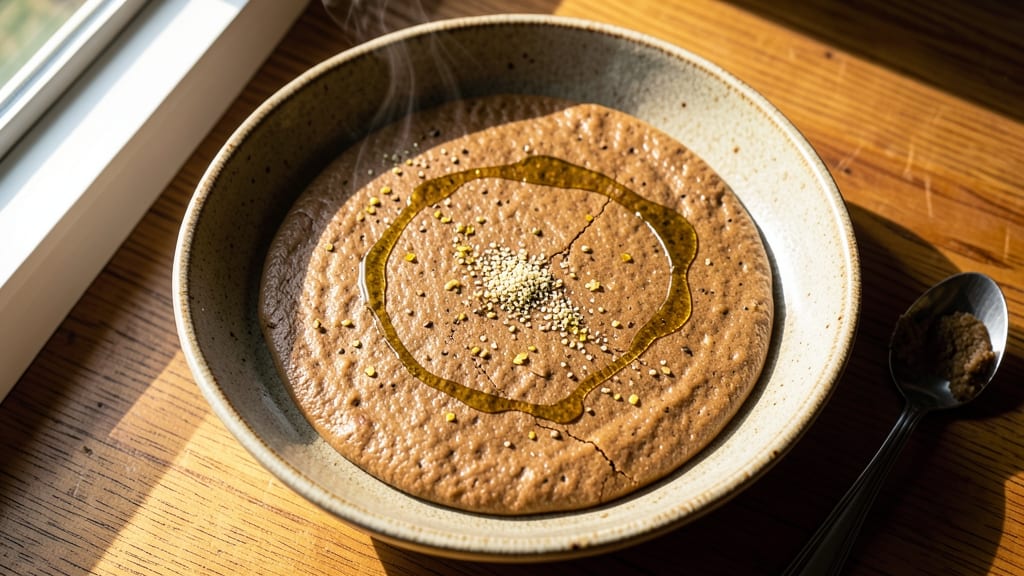
This brown rice pasta dough recipe delivers gluten-free, nutty al dente perfection with a texture that rivals traditional wheat pasta. The secret lies in precise hydration and resting times that develop elasticity without gluten—transforming simple ingredients into restaurant-quality strands.
I’ve refined this method over years of testing, ensuring every bite stays firm yet tender, with that characteristic chewy finish.
The process is straightforward but requires patience: blending brown rice flour with aquafaba (or flax eggs) for binding, kneading until smooth, and resting the dough for at least 30 minutes to relax the starches.
Roll it thin for delicate sheets or thick for hearty ribbons, then cook al dente in boiling water or pan-fry for crispy edges. Pair with vibrant pesto, creamy cashew Alfredo, or a bold tomato sauce to highlight its nutty depth.
Ingredients for brown rice pasta dough
Nine simple ingredients transform into gluten-free pasta with restaurant-quality chew and nutty depth.
| Ingredient | Amount | Notes |
|---|---|---|
| Brown Rice Flour 🌾 | 2 cups | Finely milled for smooth texture |
| Aquafaba 🌱 | ½ cup | From 2 cans chickpeas, no salt |
| Extra-Virgin Olive Oil 🫒 | ¼ cup | High quality, fruity flavor |
| Water 💧 | ¼ cup | Room temperature preferred |
| Salt 🧂 | ½ tsp | Fine sea salt preferred |
| Ground Flaxseed 🌿 | 1 tbsp | For flax eggs if substituting |
| Tapioca Starch 🌾 | 1 tbsp | Improves elasticity and chew |
| White Vinegar 🍶 | 1 tsp | Balances flavors, adds tenderness |
| Nutritional Yeast 🧀 | 1 tbsp | For cheesy, nutty depth |
| Sesame Seeds 🌰 | 1 tbsp | Optional, for garnish |
| Fresh Basil Leaves 🌿 | ¼ cup | Chopped, for finishing |
The brown rice flour is the foundation—Bob’s Red Mill or Anthony’s brands work best for their fine grind. Aquafaba is non-negotiable for binding; save the liquid from two cans of chickpeas (no salt added) for optimal texture. If you can’t find aquafaba, flax eggs (1 tbsp ground flaxseed + 3 tbsp water) substitute well, though the dough will be slightly less elastic. The tapioca starch is key for that signature chew—don’t skip it. For the olive oil, California avocado oil or extra-virgin olive oil both work, but avoid refined versions that lack flavor.
No aquafaba? Flax eggs are the best swap, but reduce the water by 2 tbsp to compensate. Running short on brown rice flour? Substitute half with white rice flour for a lighter texture, though the nutty depth will be less pronounced. The nutritional yeast adds that unmistakable cheesy note—Bragg’s is my go-to brand. Fresh basil is ideal for garnish, but dried basil at half the amount works in a pinch. For extra richness, add 1 tsp of miso paste to the dough. Storage-wise, wrap the dough tightly in plastic and refrigerate for up to 2 days, or freeze for 3 months.
This dough is best used fresh for optimal texture, but it reheats beautifully—simmer cooked pasta in water for 1-2 minutes to revive its chew. Portion into 16-ounce balls before freezing for easy use. The pasta keeps its firm bite when reheated, making it perfect for meal prep. For a nutty finish, lightly toast the pasta in olive oil after cooking. Pair with bold sauces like pesto or cashew Alfredo to highlight its depth.
Why You'll Love This Recipe
- No-Fuss Mixer: I swear, this dough comes together with just a bowl and a fork—no stand mixer, no kneading, no stress. The aquafaba (yes, chickpea water) binds it like magic, and the brown rice flour keeps it sturdy without the fuss of traditional pasta dough.
- Nutty Earthy Richness: That brown rice flour brings a subtle, toasty depth you won’t find in white pasta. Toss it with olive oil and a pinch of salt, and suddenly your noodles taste like they’ve been simmering in a sunlit field—simple, but ridiculously satisfying.
- Meal Prep MVP: Between us, this dough keeps for days in the fridge and reheats like a dream. I make a big batch on Sundays, roll it out, and cut it into strips for stir-fries or salads all week—no last-minute scrambling, just fresh pasta whenever I need it.
- Budget-Friendly Flex: Brown rice flour and aquafaba are cheap staples, and you’re using pantry basics. Honestly, I’ve made this for date nights, potlucks, and lazy Fridays—it’s the kind of recipe that doesn’t break the bank but still feels special. Plus, leftovers? Always delicious.
Step-by-step instructions for brown rice pasta dough
Here's how to craft a nutty, al dente brown rice pasta dough with perfect elasticity.
Combine Dry Ingredients for Smooth Texture
In a large mixing bowl, whisk together the 2 cups brown rice flour, 1 tbsp tapioca starch, 1 tbsp ground flaxseed, and 1 tbsp nutritional yeast. The tapioca starch helps improve elasticity while the flaxseed adds subtle nuttiness. Sift the dry ingredients through a fine-mesh sieve to eliminate any lumps—this ensures a silky-smooth dough rather than grainy texture.
Next, add the 0.5 tsp salt and mix thoroughly. The salt should be evenly distributed to prevent flavor imbalances in the finished pasta. I like to use a whisk for this step to break up any potential clumps and create a uniform base before adding liquids.
Create the Binding Liquid Mixture
In a separate bowl, combine the 0.5 cup aquafaba, 0.25 cup extra-virgin olive oil, 0.25 cup water, and 1 tsp white vinegar. The aquafaba acts as an egg substitute, providing structure and binding properties. Whisk vigorously until the mixture becomes slightly frothy—this incorporates air, which helps create a lighter texture in the final dough.
Add the 1 tbsp nutritional yeast to this wet mixture and stir well. The nutritional yeast adds a cheesy, umami depth that pairs perfectly with the nutty brown rice flour. The olive oil contributes richness while keeping the pasta moist during cooking. Let this mixture sit for 5 minutes while you prepare the next step.
Gradually Incorporate Wet Ingredients
Make a well in the center of your dry ingredients and slowly pour in the wet mixture. Use a spatula to gently fold the ingredients together, starting from the center and working outward. Be careful not to overmix—just combine until a shaggy dough forms. The dough should be slightly sticky but not wet, resembling wet sand more than a cohesive ball.
If the dough feels too dry, add 1 teaspoon water at a time until it comes together. Conversely, if it's too sticky, sprinkle in 1 teaspoon brown rice flour until it reaches a workable consistency. The ideal texture should be soft but not tacky, allowing you to handle it without sticking to your fingers.
Knead Until Smooth and Elastic
Turn the dough out onto a lightly floured surface and knead for 8-10 minutes using the heel of your hand. Press down firmly and fold the dough over itself, rotating as you work. This develops gluten and creates a smooth, elastic texture. The dough should become increasingly firm and springy as you knead—when you press your finger into it, the indentation should slowly spring back rather than stay flat.
If the dough feels resistant or crumbly, add 1 teaspoon olive oil at a time while kneading. This helps improve cohesion without making the dough too soft. Wrap the finished dough tightly in plastic wrap and let it rest at room temperature for 30 minutes. This resting period allows the gluten to relax, making it easier to roll out later.
Prepare for Rolling and Cutting
After resting, divide the dough into 4 equal portions (about 8 ounces each). Roll each portion into a thin sheet using a pasta machine or rolling pin. Start with the widest setting on your pasta machine and gradually reduce the thickness until you reach your desired consistency—typically 1/16-inch for tagliatelle or 1/8-inch for fettuccine.
Sprinkle the work surface with sesame seeds and chopped fresh basil leaves while rolling. This not only adds visual appeal but also infuses subtle flavors into the pasta. Once rolled, cut the sheets into your preferred pasta shape using a sharp knife or pasta cutter. Immediately cook or freeze for later use.
Pro Tips For Making Brown Rice Pasta Dough
- STIR VIGOROUSLY AFTER 5 MINUTES: When you mix the brown rice flour and aquafaba, let it sit for 5 minutes—then stir like you’re trying to break up a stubborn clump. The flour absorbs the liquid unevenly at first, and skipping this step means you’ll end up with a lumpy dough that fights you the whole way. I learned this after kneading three batches with tiny flour pockets that refused to smooth out.
- USE COLD WATER FOR THE FINAL MIX: Add the cold water last, right before shaping the dough. Brown rice flour dough gets gummy fast, and warm water turns it into a sticky mess that sticks to your hands and the counter. If your kitchen’s warm, chill the water in the fridge for 10 minutes—trust me, your dough will thank you.
- SALT THE AQUAFABA FIRST: Toss the salt directly into the aquafaba before mixing it with the flour. The salt dissolves better in the liquid, and if you add it later, you’ll end up with uneven salt distribution in the dough. This isn’t just about flavor—it’s about texture. Unsalted aquafaba makes the dough taste bland and forces you to over-salt the final dish.
- REST THE DOUGH 20 MINUTES MINIMUM: No matter how eager you are, walk away for 20 minutes after kneading. Brown rice dough is stubborn and will crack or tear when rolled if it’s not rested. Cover it loosely with a damp towel (not plastic—it’ll sweat) and let it relax. I used to skip this and ended up with shredded "pasta" that looked more like confetti than noodles.
Dietary considerations for this dish
Gluten-Free Foundation
This brown rice pasta dough is naturally gluten-free, making it perfect for those with celiac disease or gluten sensitivities. The brown rice flour provides a nutty depth while delivering essential nutrients like fiber and magnesium.
Unlike traditional wheat pasta, this version won’t trigger inflammatory responses, yet still offers that satisfying chew thanks to the tapioca starch and proper hydration. 🌾
Vegan-Friendly Binding
The recipe relies on aquafaba (chickpea brine) as the binding agent, replacing eggs entirely. This makes it ideal for vegans or anyone avoiding animal products. For even more stability, I recommend using fresh aquafaba from two cans of chickpeas—never salted—rather than store-bought versions that may contain additives.
The result is a dough with impressive elasticity for a plant-based recipe.
Nutrient-Dense Boost
Beyond being gluten-free and vegan, this dough packs a nutritional punch. The brown rice flour provides complex carbohydrates, while ground flaxseed adds omega-3 fatty acids. Nutritional yeast contributes complete protein and B vitamins, making this more than just pasta—it’s a balanced meal component.
For extra protein, consider adding 1 tbsp hemp seeds to the dough before rolling.
Allergen Considerations
If you have nut allergies, avoid adding sesame seeds or swap them for poppy seeds (if tolerated). The base ingredients are naturally free of common allergens like dairy, eggs, and shellfish, but always check your brown rice flour brand for cross-contamination warnings.
For a nut-free version, omit the flaxseed and increase tapioca starch to 2 tbsp for better binding. 🌱
Low-Glycemic Option
This pasta has a lower glycemic index than white flour pasta due to the brown rice flour’s fiber content. The tapioca starch helps moderate blood sugar spikes by slowing digestion.
For an even lower-glycemic version, reduce the olive oil to 2 tbsp and increase the aquafaba by 1 tbsp. This keeps the texture intact while cutting refined carbs slightly.
Meal Prep Adaptations
For meal prep, this dough freezes beautifully—portion into 16-ounce balls and store for up to 3 months. When reheating, simmer cooked pasta in water for 1-2 minutes to restore its firm bite.
The nutritional yeast and flaxseed remain stable through freezing, preserving all the health benefits. For batch cooking, make double the dough and freeze half for future use.
Nutrition facts
Frequently asked questions
Can I make this dough without aquafaba?
Yes, but you’ll need to substitute carefully. Use 2 flax eggs (2 tbsp ground flaxseed + 6 tbsp water) and reduce the water by 2 tbsp to maintain balance. The dough will be slightly less elastic but still workable. For extra binding, add 1 tbsp tapioca starch to the dry ingredients.
How do I prevent the dough from cracking when rolling?
Let the dough rest for the full 30 minutes before rolling—this relaxes the starches and prevents tearing. Keep your work surface lightly floured (use brown rice flour) and roll gradually from thickest to thinnest setting. If cracks appear, gently press them together with your fingers and continue rolling.
What’s the best way to cook this pasta?
Boil in well-salted water for 2-3 minutes less than wheat pasta (it cooks faster). For al dente texture, test at 1 minute intervals. For crispy edges, pan-fry in olive oil for 2-3 minutes after boiling. Toss with sauce immediately to prevent sticking.
Can I add other flours to this recipe?
Yes! Try substituting up to 50% of the brown rice flour with buckwheat, sorghum, or white rice flour for different flavors. For a lighter texture, replace 1/4 cup with cornstarch. Avoid almond flour—it lacks the starch structure needed for elasticity. Always adjust liquids if using very fine flours.
Why does my dough feel too dry or crumbly?
This usually means the flour absorbed too much moisture during mixing. Gradually add 1 tsp olive oil at a time while kneading until the dough becomes pliable. If it’s still crumbly after 5 minutes of kneading, cover with a damp towel and let rest for 10 extra minutes to hydrate.