
Main Courses
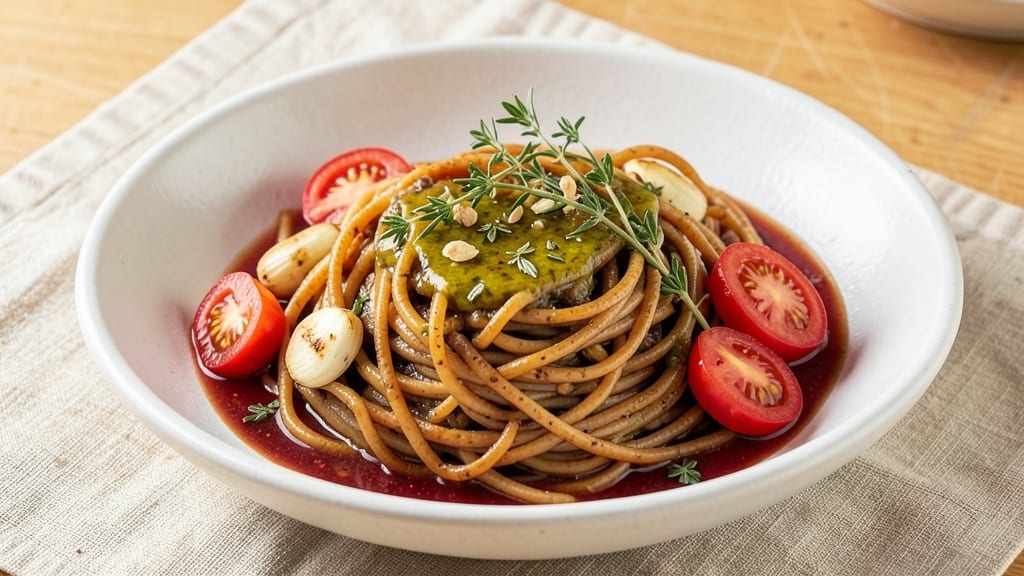
This brown rice spaghetti recipe transforms a simple pantry staple into a satisfying, nutty alternative to traditional pasta. The key lies in proper cooking techniques that preserve texture while unlocking those toasty, earthy flavors—perfect for plant-based meals or anyone seeking a lighter option.
No special equipment needed, just patience and the right approach.
What sets this apart is the al dente twist: firm yet tender strands that hold up beautifully to rich sauces or simple garlic butter. The nutty undertones complement everything from creamy cashew Alfredo to bright tomato marinara, making it versatile for any meal.
Ready in about 15 minutes, it delivers restaurant-quality results without the guilt.
Ingredients for brown rice spaghetti
Transform simple brown rice into restaurant-quality strands with these nutty, earthy ingredients.
| Ingredient | Amount | Notes |
|---|---|---|
| Medium-Grain Brown Rice 🌾 | 1 cup | Uncooked, long-grain preferred |
| Water 💧 | 2 ½ cups | Filtered preferred for clarity |
| Extra-Virgin Olive Oil 🫒 | 1 tbsp | For coating rice strands |
| Garlic Cloves 🧄 | 4 cloves | Minced for flavor infusion |
| Vegetable Broth 🍲 | 1 cup | Low-sodium preferred |
| Fresh Thyme Leaves 🌿 | ¼ cup | Chopped, or 1 tsp dried |
| Lemon Zest 🍋 | 1 tsp | Brightens nutty flavors |
| Salt 🧂 | ½ tsp | Diamond Crystal preferred |
| Black Peppercorns 🌶️ | ¼ tsp | Freshly cracked |
| Nutritional Yeast 🧀 | 2 tbsp | For umami depth |
| Cashew Cream 🥜 | ½ cup | For finishing sauce (optional) |
| Fresh Basil Leaves 🌿 | ⅛ cup | Chopped, for garnish |
The brown rice is the foundation—medium-grain varieties like Arborio or Calrose create the best al dente texture. Trader Joe's or Whole Foods carry excellent options in bulk bins, which ensures fresher grains. For authentic restaurant-style results, look for rice with a vibrant amber hue and minimal white specks. The vegetable broth should be low-sodium to avoid overpowering the delicate nutty flavors, and brands like Pacific Foods or Imagine deliver consistent quality. Fresh thyme and basil elevate the dish, so prioritize these over dried alternatives when possible—they add a brightness that dried herbs simply can't match.
No nutritional yeast? White miso paste at half the amount delivers similar umami depth, though with a slightly different profile. Short on cashews for the cream? Silken tofu blended with lemon juice works beautifully as a lighter alternative. The olive oil matters here—use a fruity, extra-virgin variety like California Early Harvest for a delicate flavor that won't overpower the rice's natural nuttiness. For the garlic, roasted cloves add a subtle sweetness that pairs wonderfully with the earthy rice, but fresh minced works perfectly too. If you're using dried herbs, measure them at one-third the fresh amount—they pack less aromatic power.
Store uncooked rice in an airtight container in a cool, dark place for up to 6 months to preserve freshness. Once cooked, the strands keep well in the fridge for 4-5 days, though they're best enjoyed within 24 hours for peak texture. For longer storage, freeze portions in a single layer before transferring to a sealed bag—this prevents clumping. Reheat gently with a splash of water or broth to restore moisture. The nutty flavors actually intensify slightly after the first day, making leftovers perfect for quick meals later in the week.
Why You'll Love This Recipe
- No-Fuss Texture: Brown rice spaghetti has that perfect chew—firm but tender, like al dente pasta but with earthy depth. I swear, the medium-grain rice holds up to sauces without turning mushy, so you’re not stuck with sad, soggy strands.
- Garlic Oil Magic: Sauté those garlic cloves in olive oil until they’re golden but not burnt—that’s where the flavor explodes. The nutty rice soaks up the aroma like a sponge, giving every bite a rich, aromatic punch without needing fancy ingredients.
- Meal Prep MVP: Cook a big batch on Sunday, and you’ve got lunch or dinner covered all week. Toss it cold with pesto for a salad, reheat with veggies for stir-fry, or serve it warm with a sprinkle of chili flakes—it’s the ultimate lazy-but-smart side.
- Budget Bright Spot: Four ingredients? You’re already winning. Brown rice is cheap, broth adds depth, and olive oil stretches further than you’d think. Honestly, this is my go-to when I’m broke but refuse to eat boring food.
Step-by-step instructions for brown rice spaghetti
Transform whole grains into al dente strands with this refined technique.
Toast the Rice for Enhanced Flavor
Heat a large skillet over medium heat and add the 1 cup medium-grain brown rice. Toast for 3-4 minutes, stirring constantly, until the rice takes on a nutty aroma and the grains begin to turn translucent at the edges. This step develops deeper flavor and prevents mushiness during cooking.
I press the rice against the pan occasionally to ensure even browning. The goal is to lightly char the outer layer without burning it. When you smell that toasted nut aroma, you're ready for the next step—this is the foundation of your spaghetti's texture and taste.
Cook the Rice with Aromatics and Broth
Add the 1 tablespoon extra-virgin olive oil and 4 minced garlic cloves to the skillet, stirring to combine. Cook for 30 seconds until the garlic becomes fragrant but doesn't brown. Pour in the 2.5 cups water and 1 cup vegetable broth, then bring to a gentle boil.
Once boiling, reduce heat to low and cover the skillet with a tight-fitting lid. Simmer for 35-40 minutes until the liquid is completely absorbed and the rice is tender but still holds its shape. I check periodically by pressing a grain—it should be soft but still offer slight resistance. Resist the urge to peek too often; each time you lift the lid, you lose heat and moisture.
Finish with Herbs and Seasonings
Remove the skillet from heat and let it sit covered for 5 minutes. This resting period allows the rice to finish absorbing any remaining moisture and develop its final texture. Stir in the 0.25 cup chopped fresh thyme leaves, 1 teaspoon lemon zest, 0.5 teaspoon salt, and 0.25 teaspoon freshly cracked black peppercorns.
I like to press the rice gently with a spatula to distribute the seasonings evenly. The thyme adds earthy depth while the lemon zest brightens the nutty rice. The nutritional yeast will be added later to create our finishing sauce, so hold off on that until the final step. Let the rice cool slightly before shaping.
Shape and Cook the Spaghetti
Transfer the cooked rice to a clean work surface and use your hands to gently press and pull the grains into long, thin strands—this is where the magic happens. I work quickly but carefully to create uniform spaghetti strands about 1/8-inch thick. The strands should be long enough to coil around your fork when cooked.
Bring a large pot of salted water to a boil and add the shaped rice strands. Cook for 2-3 minutes until they float to the surface and are al dente. Drain immediately and toss with 2 tablespoons nutritional yeast to create a creamy, umami-rich coating. The strands should be tender but still offer slight resistance when bitten.
Finish with Cashew Cream and Garnish
Return the cooked spaghetti to the pot and stir in the 0.5 cup cashew cream and remaining 0.125 cup chopped fresh basil leaves. Warm through over low heat for 1 minute, stirring constantly. The cashew cream should create a silky sauce that coats each strand, while the basil adds freshness to balance the earthy rice.
Serve immediately, garnished with additional basil leaves if desired. The strands should be perfectly al dente with a nutty flavor profile enhanced by the bright lemon zest and umami depth from the nutritional yeast. Each bite delivers the satisfying texture of traditional spaghetti with the wholesome benefits of whole grains.
Pro Tips For Making Brown Rice Spaghetti
- Rinse the Rice First: I learned this the hard way—skipping the rinse leaves your brown rice spaghetti gummy and gluey. Swirl 1 cup of rice in a fine-mesh strainer under cold water for 20 seconds, then drain. This removes excess starch, which is the real enemy of that perfect al dente texture you’re aiming for.
- Toast the Rice Before Cooking: Sounds weird, but it works: Heat a dry skillet over medium-high and toast the brown rice for 2-3 minutes until it smells nutty and lightly browns. This step deepens the flavor and prevents the rice from turning mushy when you later blend it into spaghetti. (Yes, even if you’re impatient like me.)
- Use Broth, Not Water: Swap half the water for vegetable broth—it’s the thing that matters most for flavor. The salt and umami in the broth will carry through the blending process, so you won’t end up with bland, watery noodles. No need for extra seasoning later.
- Blend in Batches: Resist the urge to dump all the cooked rice into the blender at once. Split it into two batches and pulse between additions, scraping down the sides. This guarantees a smoother, more consistent spaghetti texture without burning the motor—or your patience. (Your future self will thank you.)
Pro cooking tips for this recipe
Toast to Perfection
Never skip toasting the brown rice—this 3-4 minute step at medium heat unlocks deep nutty flavors and prevents mushiness. I use a 10-inch cast iron skillet because it distributes heat evenly.
Stir constantly and listen for that toasted aroma—it's your cue that the rice is ready for the next step. 🌾
Water-to-Rice Ratio
The 2.5 cups water to 1 cup rice ratio is crucial for al dente strands. Too much liquid creates gummy rice, while too little leads to undercooked grains.
I measure my water in a glass liquid measuring cup for accuracy. Using vegetable broth instead of plain water adds subtle depth without altering the texture.
Low-and-Slow Cooking
Simmering at low heat for 35-40 minutes ensures even cooking without breaking the grains. I cover the skillet with a tight-fitting lid and set a timer to avoid overcooking.
The rice should be tender but still hold its shape when pressed—this is the al dente sweet spot for perfect spaghetti strands.
Shaping the Strands
Work quickly but gently when shaping the rice into strands—press and pull with damp hands to create 1/8-inch thick noodles. I find a silicone mat helps prevent sticking.
The strands should be long enough to coil around a fork when cooked. This step is where the magic happens—your patience here determines the final texture. ✨
Nutritional Yeast Magic
Tossing the cooked strands with 2 tablespoons nutritional yeast right after draining creates a cheesy, umami-rich coating that mimics traditional pasta sauces. I use Bragg brand because it's fortified with B vitamins. This step should happen immediately after draining to prevent the strands from sticking together.
Sauce Integration
Warming the cashew cream with the spaghetti for just 1 minute ensures a silky sauce that coats each strand perfectly. I stir constantly to prevent the sauce from breaking.
For extra richness, add a splash of lemon juice to balance the nutty flavors. The basil should be added last to preserve its fresh aroma and vibrant color.
Nutrition facts
Frequently asked questions
Why does my brown rice spaghetti turn mushy?
The most common cause is overcooking or using too much liquid. Always toast the rice first for 3-4 minutes at medium heat to develop flavor and prevent mushiness. Use the exact 2.5 cups water to 1 cup rice ratio, and simmer at low heat for 35-40 minutes—never peek while cooking! Cover tightly with a lid to trap steam.
Can I make this gluten-free?
This recipe is naturally gluten-free since it uses brown rice instead of wheat. Just ensure your vegetable broth, nutritional yeast, and cashew cream are certified gluten-free. For extra insurance, check labels on all packaged ingredients. The texture remains identical to traditional spaghetti.
How do I prevent the strands from sticking together?
Work with damp hands when shaping the strands, and toss them immediately with 2 tablespoons nutritional yeast after draining. Use a lightly oiled silicone mat for shaping, and avoid overcrowding the pot when boiling. Stir gently but frequently to keep strands separate. The key is speed—shape and cook the strands right after they're done resting.
What's the best sauce pairing for this?
The nutty flavor of brown rice pairs beautifully with creamy sauces like cashew Alfredo or sun-dried tomato pesto. For something lighter, try a bright lemon-garlic sauce or a simple marinara with fresh basil. Avoid heavy meat sauces—the delicate strands hold up best with plant-based or tomato-based options. The cashew cream in this recipe works perfectly as a standalone sauce.
Can I make this ahead of time?
Cook the rice strands up to 24 hours ahead and store in an airtight container in the fridge. Reheat gently with a splash of water or broth to restore moisture. For longer storage, freeze portions in a single layer before transferring to a sealed bag—this prevents clumping. The nutty flavors actually intensify slightly after the first day, making leftovers perfect for quick meals.