
Side Dishes
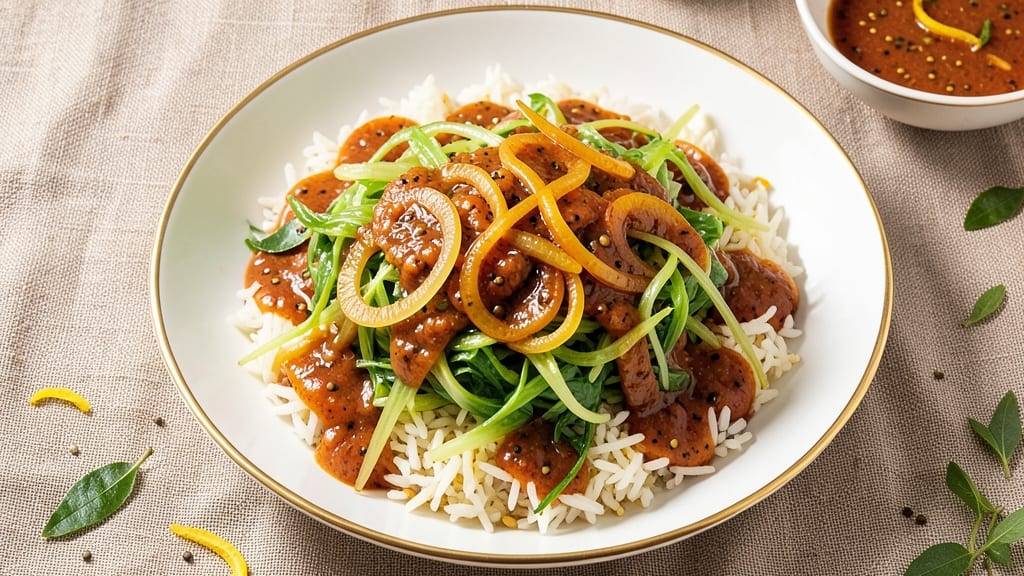
This cabbage rice Indian recipe transforms simple basmati and cabbage into a fragrant, one-pot meal that balances crispy textures with aromatic spices. The secret lies in tempering whole spices—cumin, mustard seeds, and curry leaves—that bloom into rich, earthy notes while the cabbage develops satisfying crunch.
I developed this version after realizing how often cabbage gets overcooked in rice dishes, so we'll preserve that satisfying bite while letting the flavors meld perfectly.
What makes this dish special is the pressure-cooking technique, which infuses the rice with spiced broth while keeping the cabbage tender-crisp. The dish comes together in one pot, making cleanup effortless, and serves as both a satisfying vegetarian main or hearty side.
The final touch—crispy fried onions and fresh cilantro—adds layers of texture and freshness that elevate every bite. Ready in 30 minutes, this recipe delivers restaurant-quality results with minimal effort.
Ingredients for cabbage rice indian
Transform simple basmati and cabbage into aromatic, pressure-cooked perfection with these carefully chosen ingredients.
| Ingredient | Amount | Notes |
|---|---|---|
| Basmati Rice 🍚 | 1 cup | Uncooked, long-grain preferred |
| Green Cabbage 🥬 | 4 cups | Shredded, core removed |
| Yellow Onions 🧅 | 1 whole | Thinly sliced for tempering |
| Fresh Curry Leaves 🌿 | ¼ cup | Packed, stems removed |
| Mustard Seeds 🌶️ | 1 tbsp | Whole, for tempering |
| Cumin Seeds 🌶️ | 1 tbsp | Whole, toasted lightly |
| Fresh Ginger 🧄 | 1 tbsp | Grated finely, aromatic |
| Garlic Cloves 🧄 | 4 cloves | Minced, aromatic |
| Coconut Oil 🫒 | 3 tbsp | For tempering and frying |
| Vegetable Broth 💧 | 2 cups | Low-sodium preferred |
| Fresh Cilantro 🌿 | ¼ cup | Chopped, for garnish |
| Turmeric Powder 🌶️ | ½ tsp | Bright yellow, vibrant |
| Ground Coriander 🌿 | ½ tsp | Freshly ground preferred |
| Salt 🧂 | 1 tsp | Diamond Crystal preferred |
| Lemon Juice 🍋 | 1 tbsp | Freshly squeezed |
The cabbage is the star here—look for heads with crisp, tightly packed leaves, as they hold their texture best during cooking. Whole Foods or local farmers' markets often carry the freshest varieties, but any green cabbage works in a pinch. For the spices, Penzeys or bulk bins at Indian grocery stores offer the highest quality whole spices, which are essential for that authentic tempering bloom. Curry leaves can be tricky to find outside specialty stores, but Trader Joe's carries them frozen, which works perfectly. The ginger and garlic should be fresh—no substitutes here, as their aromatic oils are critical for depth of flavor.
No curry leaves? Dried curry powder at half the amount is a decent substitute, though it lacks the distinct aroma. Mustard seeds too strong? Swap for equal parts cumin seeds, though you'll lose some of the signature flavor. The cabbage can be subbed with green beans or broccoli florets for a different texture profile, but the dish loses its signature crunch. For the broth, low-sodium vegetable stock is ideal—homemade if possible, but Pacific Foods or Imagine brands are reliable store-bought options. The basmati rice should be unwashed for this recipe to achieve the perfect texture.
Store uncooked rice and cabbage separately in airtight containers for up to 1 week. Fresh curry leaves and cilantro should be wrapped in damp paper towels and refrigerated for 3-5 days. The tempering spices—cumin, mustard seeds, and curry leaves—keep indefinitely in a cool, dark place once opened. This dish reheats beautifully—simply add a splash of water and pressure cook for 5 minutes. For meal prep, portion into containers with the fried onions and cilantro on top to maintain freshness.
Why You'll Love This Recipe
- One-Pot Magic: I swear by this recipe when I’m too tired to wash pots—just rice, cabbage, onions, and spices all simmering together. The cabbage softens into that perfect tender-crisp texture while the rice absorbs the fragrant mustard and curry leaf aroma without a single extra dish.
- First Bite Addiction: That initial pop of mustard seeds sizzling in oil, followed by the sweet crunch of onions caramelizing? It’s like a flavor party in your mouth. The cabbage stays just crisp enough to cut through the soft rice, and honestly, I’ve never met a bowl that didn’t get polished off.
- Lunchbox Hero: Between us, this is my go-to for packed lunches—it reheats like a dream and keeps its texture for days. Throw in a sprinkle of chili flakes or a side of yogurt, and it’s a lunchbox upgrade that’ll make you the office favorite. (Yes, even on a Tuesday night.)
- Pantry Staple Power: I make this when I’m low on cash or ingredients—I’ve got rice, onions, and cabbage in my pantry 90% of the time. The mustard seeds and curry leaves add zero cost but all the flavor, and leftovers? They taste just as good reheated as they do fresh. Budget-friendly doesn’t mean boring.
Step-by-step instructions for cabbage rice Indian recipe
This method delivers perfectly spiced basmati rice with tender cabbage and aromatic tempering.
Prepare the Cabbage and Cook the Rice
Begin by washing the 4 cups of green cabbage thoroughly and removing the core. Shred the cabbage into bite-sized pieces using a sharp knife—aim for even, uniform pieces that will cook through without becoming mushy. Set aside in a bowl.
In a medium saucepan, combine the 1 cup of basmati rice with 2 cups of vegetable broth. Add the 0.5 teaspoon of turmeric powder and 0.5 teaspoon of ground coriander, stirring gently to distribute the spices evenly. Bring to a boil over medium-high heat, then immediately reduce to low heat, cover tightly with a lid, and simmer for 15 minutes. Avoid peeking during this time—steam is crucial for fluffy rice. When done, the rice should be tender but still slightly firm to the bite, with all liquid absorbed.
Create the Aromatic Tempering
In a separate heavy-bottomed pan, heat 2 tablespoons of the 3 tablespoons of coconut oil over medium heat. Add the 1 tablespoon of mustard seeds and 1 tablespoon of cumin seeds, stirring constantly. Watch closely—the seeds will pop and sizzle vigorously within 30 seconds. This is your signal to add the 1 tablespoon of finely grated fresh ginger and 4 minced garlic cloves, cooking for another 30 seconds until the raw aroma gives way to a fragrant, toasted scent.
Next, add the 1 whole yellow onion, thinly sliced, and cook for 3-4 minutes until the edges turn translucent. Pour in the remaining 1 tablespoon of coconut oil, then stir in the 0.25 cup of packed fresh curry leaves. Cook for an additional 1 minute until the leaves darken slightly and release their aromatic oils. Remove from heat and set aside—this tempering will infuse the cabbage with layers of flavor.
Cook the Cabbage with Spices
In the same pan used for the tempering, add the shredded cabbage and stir to coat evenly with the spiced oil. Sprinkle with the 1 teaspoon of salt and cook over medium heat for 8-10 minutes, stirring occasionally. The cabbage should soften slightly but maintain a pleasant crunch—this ensures it holds its texture while absorbing the flavors. If the cabbage releases too much moisture, uncover the pan and increase heat briefly to evaporate excess liquid.
Once the cabbage reaches this ideal texture, stir in the cooked basmati rice, mixing gently to combine. Add the 2 cups of vegetable broth used for the rice (if any remains) and the 1 tablespoon of freshly squeezed lemon juice. The lemon brightens the dish and balances the richness of the coconut oil. Taste and adjust seasoning if needed—Indian cuisine relies on bold flavors, so don't hesitate to add more salt or a pinch of turmeric if desired.
Finish and Garnish
Transfer the cabbage-rice mixture to a serving platter and let it sit for 2-3 minutes to allow the flavors to meld. Garnish generously with the 0.25 cup of chopped fresh cilantro, which adds a fresh contrast to the warm spices. Serve immediately while the cabbage retains its crunch and the rice stays separate yet cohesive.
This dish pairs beautifully with yogurt or a side of raita. The combination of tender cabbage, fragrant basmati, and aromatic tempering creates a harmonious balance of textures and flavors that's both comforting and vibrant. The key is timing—cook the cabbage just until tender-crisp and serve while everything is hot.
Pro Tips For Making Cabbage Rice Indian
- SOAK RICE 20 MINUTES: I used to skip this, but 20 minutes in warm water makes the basmati fluffier—no mushy grains. Drain well before cooking, or the rice will turn to glue. (Yes, even if you’re impatient like me.)
- CHOP CABBAGE SMALL: Big chunks stay tough. Cut the cabbage into 1-inch pieces—think "rice-sized" bites. If you’re lazy, shred it, but it’ll take longer to soften. (Your future self will notice the difference.)
- LOW HEAT FOR CURRY LEAVES: Fry mustard seeds on medium-high, but drop curry leaves in low—they burn faster than you’d think. A few crispy leaves add flavor, but a whole batch of ash ruins the dish. (I learned this the hard way.)
- COOK ONESIE RICE: This isn’t a pilaf—use one part rice to two parts water (or slightly less). The cabbage releases moisture, so don’t drown it. Undercooked rice? Overcooked cabbage. Balance is everything.
Creative variations of this dish
South Indian Style
Transform this dish into a South Indian-inspired cabbage rice by adding 1 tsp chana masala and ½ tsp asafoetida (hing) to the tempering. Replace the curry leaves with ½ tsp dried fenugreek leaves for a deeper aroma.
Garnish with toasted coconut flakes and fried curry leaves for that signature South Indian touch. Serve with a side of coconut chutney to complement the coconut oil flavors. 🌶️
North Indian Pulao Twist
For a North Indian-style cabbage pulao, replace the vegetable broth with 2 cups warm milk and add 1 bay leaf and 2 green cardamom pods to the tempering. Stir in ½ cup chopped cashews and ¼ cup raisins while cooking the cabbage for a sweet-savory balance.
Top with fried onions and kewra water for an aromatic finish. This version works beautifully as a festive centerpiece. 💛
Spicy Green Chili
Add 2-3 green chilies, finely chopped, to the tempering for a spicy kick. Increase the cumin seeds to 1.5 tbsp and add ½ tsp garam masala at the end for depth.
This variation is perfect for those who love heat—serve with a side of cooling raita to balance the spice. The green chilies add a fresh, slightly sweet contrast to the cabbage's earthiness. 🌶️
Coconut Curry Fusion
Blend ½ cup coconut milk with the vegetable broth for a creamy coconut curry rice. Add 1 tsp turmeric and ½ tsp black pepper to the cabbage while cooking.
Garnish with toasted coconut strips and lime wedges for a tropical twist. This fusion brings a Thai-Indian vibe to the dish, making it ideal for summer meals. 🥥
Cheesy Cabbage Rice
Stir in ½ cup shredded paneer or mozzarella during the final 2 minutes of cooking to create a cheesy cabbage rice. Add ½ tsp smoked paprika to the tempering for a smoky depth.
This version is a crowd-pleaser, especially for kids or cheese lovers. The melted cheese adds a creamy texture that pairs perfectly with the crunchy cabbage. 🧀
Herb-Infused Variation
Add 2 tbsp fresh mint leaves and 2 tbsp cilantro stems to the tempering for a herb-forward version. Replace the curry leaves with 1 tsp dried mint if fresh isn't available.
This variation brightens the dish with a refreshing herbal note, making it perfect for warm weather. Serve with a side of yogurt dip for extra freshness. 🌿
Nutrition facts
Frequently asked questions
Can I use regular white rice instead of basmati?
You can, but expect different results. Basmati rice stays separate and fluffy, while white rice tends to get mushy when cooked with cabbage. For best texture, use jasmine rice if basmati isn't available. The dish will still taste delicious, just with a slightly stickier consistency.
How do I prevent the cabbage from getting soggy?
The key is timing! Cook the cabbage just until it's tender-crisp (8-10 minutes) and add it to the rice at the very end. Avoid overcrowding the pan—cook in batches if needed. For extra insurance, stir in the lemon juice at the end, which helps preserve the cabbage's crunch.
Can I make this recipe without coconut oil?
Use vegetable oil, ghee, or even butter for the tempering. Coconut oil adds a subtle sweetness that complements the cabbage, but these alternatives work perfectly. For a lighter option, use olive oil (extra virgin), though it has a different flavor profile.
Why does my cabbage rice taste bland? This usually happens from one of three things: under-seasoning, skipping the tempering, or using low-quality spices.
Can I prepare this dish ahead of time?
Yes, but with a few adjustments. Cook the rice and cabbage separately, then combine just before serving to maintain texture. Store components in airtight containers in the fridge for 2 days. Reheat gently with a splash of water—never microwave directly. For best results, make the tempering fresh each time.