
Main Courses
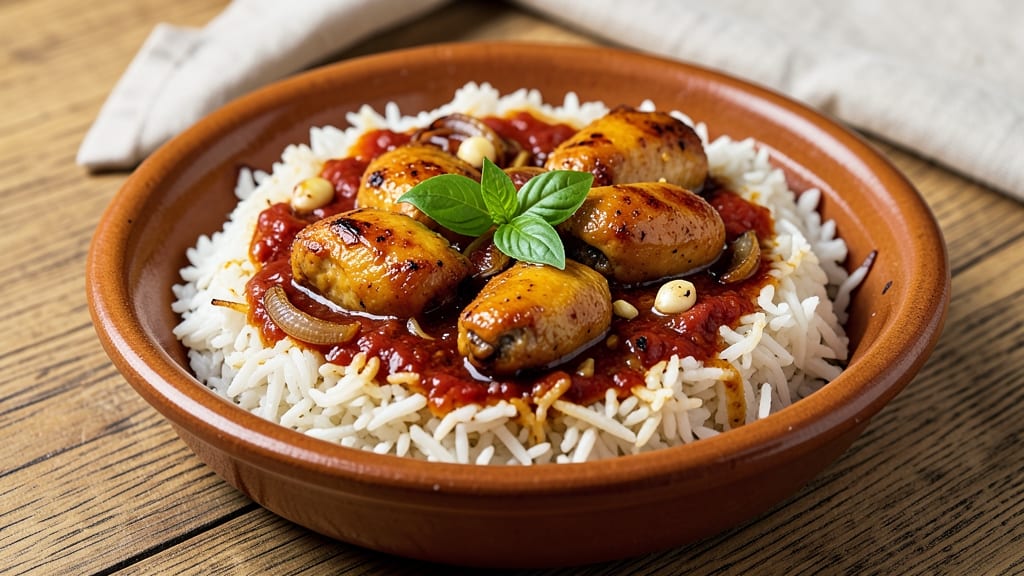
Cameroonian jollof rice transforms weeknight dinners into vibrant celebrations with its deep tomato base and aromatic spices. This recipe delivers the signature smoky tomato-basil heat that sets it apart from other West African jollof styles. The key lies in slow-cooked tomatoes, blended with fresh herbs and a touch of palm oil for that unmistakable richness.
What makes this version special is the balance of tender protein—whether chicken, beef, or fish—cooked alongside perfectly seasoned rice. The dish comes together in one pot, making it both convenient and deeply flavorful.
Every bite offers a harmony of smoky, tangy, and slightly sweet notes that will have everyone asking for seconds. Ready to master the dish that wins cook-offs?
Ingredients for cameroonian jollof rice
Sixteen ingredients blend smoky tomato richness with aromatic spices for Cameroon's signature dish.
| Ingredient | Amount | Notes |
|---|---|---|
| Long-Grain White Rice 🍚 | 2 cups | Uncooked, rinsed thoroughly |
| Fresh Tomatoes 🍅 | 1 ½ lb | Ripe, Roma preferred |
| Onions 🧅 | 1 whole | Yellow or red, chopped |
| Garlic Cloves 🧄 | 8 cloves | Fresh, minced finely |
| Fresh Basil Leaves 🌿 | ½ cup | Packed, stems removed |
| Palm Oil 🫒 | ¼ cup | Red palm oil preferred |
| Chicken Thighs 🍗 | 1 ½ lb | Bone-in, skin-on preferred |
| Vegetable Oil 🫒 | ¼ cup | For frying chicken |
| Tomato Paste 🍅 | ¼ cup | High-quality, no sugar added |
| Ground White Pepper 🌶️ | 1 tsp | Freshly ground preferred |
| Ground Nutmeg 🌿 | ½ tsp | Freshly grated |
| Bay Leaves 🍃 | 2 whole | Dried, removed before serving |
| Chicken Stock 💧 | 2 cups | Homemade preferred |
| Salt 🧂 | 1 ½ tsp | Diamond Crystal preferred |
| Ground Cinnamon 🌿 | ½ tsp | High-quality preferred |
The tomatoes are the heart of this dish—Roma tomatoes have the best texture and flavor for slow cooking. Local farmers markets often carry them at peak season, but any ripe tomato will work. For that authentic smoky depth, red palm oil is non-negotiable—it's what sets Cameroonian jollof apart from Nigerian or Ghanaian versions. If you can't find it, smoked paprika at half the amount provides a similar effect, though not identical. The chicken thighs should have good fat content—bone-in, skin-on gives the most flavor, but boneless works in a pinch. For the best results, source your spices from Penzeys or specialty African markets—the difference in quality is noticeable.
No palm oil? Smoked paprika plus a pinch of liquid smoke gets you closer, though it won't be exactly the same. Fresh basil is ideal, but dried basil at one-third the amount works if you're in a hurry. The tomato paste can be substituted with blended fresh tomatoes (about 2 cups pureed), though it'll be more watery. For the nutmeg, if you only have whole nutmeg, grate it fresh—it makes a world of difference. The bay leaves add subtle earthiness, but remove them before serving as they can be tough. Chicken stock can be swapped for vegetable stock for a vegetarian version, though the flavor profile will shift slightly.
This dish tastes even better the next day as the flavors meld together. Store leftovers in an airtight container in the fridge for up to 5 days. For longer storage, freeze portions for up to 3 months. I like to make a double batch—one for dinner and one to freeze for lazy weeknights. The rice reheats beautifully with a splash of water or stock. If you're serving a crowd, double the chicken and rice portions—this recipe scales perfectly for 12-15 people when adjusted accordingly.
Why You'll Love This Recipe
- One-Pot Magic: I swear by this recipe because it’s literally one pot—no fancy equipment, no stress. Toss in the rice, tomatoes, onions, and garlic, let it simmer, and boom. The basil ties it all together with zero extra dishes. My lazy Sundays just got a whole lot easier.
- Tomato-Garlic Kiss: That balance of fresh tomatoes and roasted garlic? Chef’s kiss. The tomatoes break down into a rich, tangy sauce while the garlic caramelizes—no need for fancy seasoning blends. Honestly, the way the basil brightens the whole dish at the end? It’s the little details that make it ridiculous good.
- Party in a Box: This is my go-to for potlucks, family dinners, or when my roommates demand takeout but I’m broke. It stretches easily for a crowd, reheats like a dream, and even tastes better the next day. Between us, I’ve brought this to three different gatherings—each time, someone asks for the recipe.
- Budget Hero: Long-grain rice, onions, and tomatoes? That’s it for the heavy hitters. The garlic and basil add depth without costing a fortune. I’ve made this for under $5 per serving, and it’s still the dish everyone reaches for. Not the prettiest, but the taste makes up for it every time.
Step-by-step instructions for Cameroon's signature tomato-basil rice
This method delivers the signature smoky depth and vibrant tomato-basil flavor that sets Cameroon's jollof apart.
Fry the Chicken Thighs Until Golden and Tender
Pat the 1.5 lb chicken thighs dry with paper towels and season generously with 1 tsp salt. Heat 0.25 cup vegetable oil in a large skillet over medium-high heat until shimmering. Add the chicken thighs in a single layer and cook undisturbed for 5 minutes until golden brown on the first side. Flip and cook another 5-6 minutes until the chicken reaches an internal temperature of 165°F.
Transfer the cooked chicken to a plate and tent loosely with foil to keep warm. Reserve the rendered chicken fat in the skillet—this precious liquid carries incredible flavor for the rice. The chicken should be crispy on the outside with juicy, tender meat inside. If the chicken releases easily from the skillet, it's ready. If not, cook for another minute or two until it releases with gentle pressure.
Build the Tomato-Basil Sauce Base
In the same skillet with the reserved chicken fat, add 0.25 cup palm oil and heat over medium heat. Add the chopped 1 whole onion and cook for 5 minutes until softened and translucent. Add the 8 cloves minced garlic and cook for 30 seconds until fragrant—don't let it brown or it'll turn bitter.
Stir in the 1.5 lb fresh tomatoes (cut into chunks), 0.25 cup tomato paste, 0.5 cup fresh basil leaves, 2 whole bay leaves, 1 tsp ground white pepper, 0.5 tsp ground nutmeg, and 0.5 tsp ground cinnamon. Cook for 10 minutes until the tomatoes break down into a thick, vibrant sauce. The mixture should reduce by about half, creating a concentrated tomato flavor that forms the heart of Cameroon's jollof.
Toast the Rice and Combine with Sauce
Add the 2 cups long-grain white rice to the skillet and stir to coat evenly in the tomato sauce. Cook for 2-3 minutes until the rice grains become translucent at the edges—a process called toasting that develops nutty flavors. Pour in the 2 cups chicken stock and add 1.5 tsp salt, stirring gently to distribute evenly.
Bring the mixture to a boil, then reduce heat to low. Cover the skillet with a tight-fitting lid and simmer for 15 minutes. After 15 minutes, gently fluff the rice with a fork, checking for doneness. The rice should be tender but still slightly firm in the center—it will continue cooking with the residual heat. If the rice appears dry before it's fully cooked, add 2-3 tablespoons of water and continue cooking.
Rest and Serve with Perfect Texture
Remove the skillet from heat and let the rice rest covered for 10 minutes. This resting period allows the steam to redistribute, resulting in perfectly fluffy grains that don't stick together. Before serving, carefully remove and discard the 2 whole bay leaves. The rice should have a vibrant red-orange hue from the tomato sauce, with a rich aroma of basil and spices.
Serve the Cameroon-style jollof rice immediately, accompanied by the fried chicken thighs. The dish should have a perfect balance of smoky tomato flavor, aromatic spices, and tender rice grains. Each bite should deliver the signature Cameroon heat—bold, complex, and impossible to resist. The chicken should complement the rice with its crispy exterior and juicy interior, creating a harmonious dish that captures the essence of Cameroon's culinary tradition.
Pro Tips For Making Cameroonian Jollof Rice
- Blister the Onions: Cameroon-style jollof demands deep, caramelized onion flavor—don’t just chop and cook. Slice onions thin, spread them in a single layer on high heat with a splash of oil, and let them brown for 8–10 minutes until crispy edges form. I used to rush this, and the dish always tasted flat until I learned to walk away and let them turn golden. (Yes, even if you’re impatient like me.)
- Toast the Rice First: Skip the pre-wash if your rice is fresh, but always dry-toast it in oil for 2–3 minutes before adding liquid. This prevents mushiness and gives that signature Cameroon texture—light, separate grains with just a hint of nuttiness. I was skeptical until I tried it; now I double-check the pot’s heat is medium-high, not simmering.
- Crush Tomatoes by Hand: Blenders make jollof sauce thin and watery. Instead, crush tomatoes roughly with your fingers or a wooden spoon—seeds, skins, and all—to thicken the base naturally. My grandmother swore by this, and she was right: the sauce clings to the rice better, and the flavor’s richer. (Save the pulp for stews if you’re feeling wasteful.)
- Simmer Low and Cover: Once the rice absorbs the liquid, lower the heat to the bare minimum—just enough to keep a gentle steam. Leave it covered for 15 minutes, then uncover to let excess moisture evaporate. I learned this the hard way after serving soggy rice to a crowd. (Your future self will thank you.)
Best sauces and condiments for this cameroonian jollof rice
Smoky Palm Oil
The star of Cameroonian jollof rice is its signature palm oil—specifically red palm oil—which delivers that unmistakable smoky depth. Use ¼ cup (about 60ml) in the sauce base, heating it gently before adding onions to infuse its rich, earthy notes.
For an authentic touch, I recommend African & Caribbean Foods brand palm oil, available at specialty stores or online. If unavailable, substitute with ½ tsp smoked paprika + ¼ tsp liquid smoke for a similar effect, though it won't be identical. 🫒
Spicy Pepper Sauce
Add a kick with Cameroonian pepper sauce—a fiery condiment made from dried chili peppers, garlic, and palm oil. I like Mama Africa brand, found in African markets or online. Drizzle 1-2 tablespoons over individual servings for heat lovers.
For a homemade version, blend ½ cup dried chili peppers, 2 tbsp palm oil, and 3 garlic cloves until smooth. This sauce also works as a marinade for the chicken thighs before frying. 🌶️
Fresh Basil Oil
Elevate the dish with homemade basil oil—infuse ½ cup fresh basil leaves in ½ cup neutral oil (like vegetable or canola) for 24 hours, then strain. Drizzle 1 teaspoon over the finished jollof rice for a fragrant, herbaceous finish.
Store the remaining oil in an airtight container in the fridge for up to 1 month. This technique enhances the dish's aromatic profile without overpowering the tomato-basil base. ✨
Yogurt Sauce
Balance the richness with a cooling yogurt sauce—whisk ½ cup plain yogurt with 1 tbsp lemon juice, ½ tsp salt, and 1 minced garlic clove. Serve on the side for dipping or spooning over the rice.
For extra flavor, stir in 1 tbsp chopped cilantro or ½ tsp ground cumin. This sauce cuts through the smoky heat, adding a refreshing contrast. 🥛
All-Purpose Tomato Paste
Upgrade your sauce with high-quality tomato paste—avoid brands with added sugar or preservatives. I prefer Mutti or Bertolli for their concentrated flavor. Use ¼ cup in the sauce base to deepen the tomato richness.
For a smoother texture, blend the fresh tomatoes first, then add the paste. This step ensures the sauce has a thick, velvety consistency that coats the rice perfectly. 🍅
Nutrition facts
Frequently asked questions
What makes Cameroonian jollof rice different from Nigerian or Ghanaian versions?
The key difference lies in the palm oil and basil—Cameroonian jollof uses red palm oil for its smoky depth and fresh basil for a bright, herbaceous note. Nigerian versions often use more tomato paste and less basil, while Ghanaian jollof incorporates peanuts or groundnut paste. The Cameroonian style also tends to be slightly sweeter with nutmeg and cinnamon playing prominent roles.
Can I substitute chicken with another protein?
For a seafood version, use firm white fish like tilapia or cod (1.5 lb) or shrimp (20-25 count). For beef lovers, try stew meat cut into chunks. If using fish, reduce cooking time to 3-4 minutes per side to avoid overcooking. For shrimp, cook just 2 minutes per side until pink. The protein should be cooked through before adding to the rice.
Why does my jollof rice turn out mushy?
Mushy rice usually happens from either overcooking or insufficient rice-to-liquid ratio. First, ensure you're using 2 cups of liquid (stock) to 2 cups of rice—this is crucial. Second, don't overcook the rice after it reaches 15 minutes of simmering. The rice continues cooking with residual heat, so remove it from heat when it's 80% done. Let it rest 10 minutes covered before fluffing. Also, avoid stirring the rice while cooking—this breaks the grains.
How can I make this recipe vegetarian?
Replace the chicken with chickpeas (1.5 cups cooked) or mushrooms (1.5 lb sliced). Use vegetable stock instead of chicken stock and add 1 tsp smoked paprika to compensate for the missing meaty depth. For extra protein, stir in ½ cup cooked lentils with the rice. The tomato-basil base will still shine, though the flavor profile will be more plant-forward.
Can I prepare this ahead of time?
This dish tastes even better the next day! Cook the rice as directed, then let it cool completely before storing in an airtight container in the fridge for up to 5 days. Reheat gently on the stovetop with a splash of water or stock. For freezing, portion the rice (without chicken) and freeze for up to 3 months. Thaw overnight in the fridge before reheating. The chicken can be fried fresh and served alongside reheated rice for the best texture.