
Side Dishes
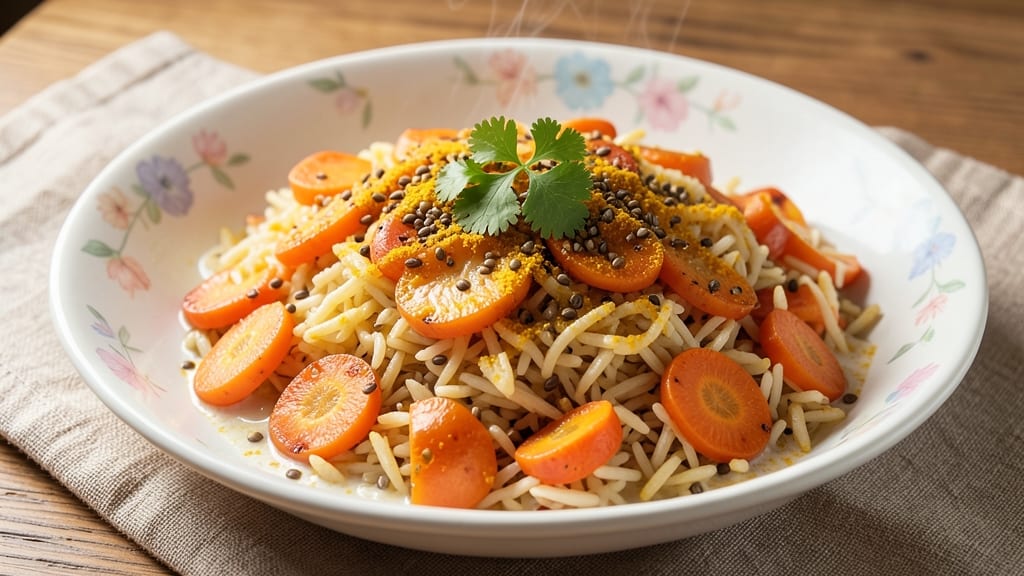
This fragrant turmeric carrot rice recipe Indian transforms a simple side into a flavor-packed centerpiece that pairs perfectly with curries and biryanis. 🌟 The secret lies in toasting whole spices until they release their aromatic oils—a technique my grandmother taught me that elevates every bite.
What makes this recipe special is the balance of sweet carrots and earthy cumin, creating a dish that's both comforting and vibrant.
Unlike many Indian carrot rice recipes, this version skips processed ingredients and focuses on whole spices like mustard seeds, curry leaves, and asafoetida for depth. The rice cooks tender while the carrots soften just enough to absorb the rich, spiced coconut milk base.
With just 30 minutes of active prep and a one-pot approach, you'll have a restaurant-quality side that's foolproof for weeknight dinners or special occasions.
By the end, you'll have golden, fragrant carrot rice with a delicate crunch from the tempered spices and a subtle sweetness from the carrots. The aroma alone will have everyone at the table asking for seconds.
This dish is vegetarian-friendly but easily adaptable—just add a pat of ghee if you prefer extra richness.
Perfect as a side for chicken curry, lamb biryani, or even as a standalone meal with raita. The versatility makes it ideal for meal prep too—store leftovers in the fridge for up to 4 days or freeze for longer storage. Let's get cooking!
Ingredients for carrot rice recipe indian
These aromatic spices and simple veggies create a fragrant, restaurant-worthy Indian carrot rice.
| Ingredient | Amount | Notes |
|---|---|---|
| Basmati Rice 🍚 | 1 cup | Uncooked, long-grain preferred |
| Baby Carrots 🥕 | 1 ½ lbs | Whole or halved for even cooking |
| Unsweetened Coconut Milk 🥥 | 1 can | Full-fat for creaminess |
| Yellow Turmeric Powder 🌿 | 1 tsp | Freshly ground preferred |
| Ground Cumin Seeds 🌶️ | 1 tsp | Toasted for deeper aroma |
| Mustard Seeds 🌱 | ½ tsp | Whole, for tempering |
| Curry Leaves 🌿 | ¼ cup | Fresh, dried if unavailable |
| Asafoetida Powder 🌶️ | ¼ tsp | Essential for authentic flavor |
| Ghee 🧈 | 2 tbsp | Clarified butter for richness |
| Salt 🧂 | 1 tsp | Adjust to taste |
| Fresh Cilantro 🌿 | ¼ cup | Chopped, for garnish |
| Lemon Juice 🍋 | 1 tbsp | Freshly squeezed |
| Water 💧 | 2 cups | For rice cooking |
The spices are the soul of this dish. Whole mustard seeds and curry leaves need to be toasted in hot ghee until they sizzle—this releases their oils and creates that signature aroma. Grab them at Indian grocery stores or the international aisle at Whole Foods for the freshest. Asafoetida might be tricky to find, but look for it near the turmeric or in bulk spice sections. If you can't find it, garlic powder at half the amount works in a pinch, though it won't be authentic. For the carrots, baby carrots are perfect since they cook evenly, but regular carrots cut into even chunks work too.
No fresh curry leaves? Dried leaves at half the amount will do, though fresh is ideal. Short on ghee? Coconut oil or olive oil works, but ghee gives that unmistakable richness. The coconut milk should be full-fat—light versions won't give the same creamy texture. If you're feeling adventurous, swap half the coconut milk for cashew cream (blend soaked cashews with water) for a nutty twist. The rice? Basmati holds its shape, but jasmine works too if that's what you've got. Just don't skip the tempering—those spices need to sing!
This dish reheats beautifully—just add a splash of water and cover. Keeps in the fridge for 4-5 days and freezes for 3 months if you want to prep ahead. I always make a double batch because it disappears fast. Store the extra in airtight containers, and the flavors actually deepen overnight. Garnish with cilantro right before serving—it adds that fresh pop that makes it feel special. Leftovers? Perfect with a dollop of yogurt or extra ghee drizzled on top.
Why You'll Love This Recipe
- One-Pot Magic: I swear by this when I’m too tired to wash pots—just toast the cumin seeds in coconut milk, toss in the rice and carrots, and let it simmer. No separate pans, no extra bowls, just golden, fragrant rice that sticks together perfectly.
- Golden Creamy Twist: That turmeric and coconut milk combo? It’s where this dish gets its magic. The carrots stay tender-crisp while the rice soaks up all that warm, earthy spice—like a hug in a bowl, but way more delicious.
- Lunchbox Hero: Between us, this is my go-to for meal prep. The flavors only get better the next day, and it reheats like a dream. Pack it for work, toss it in a thermos for school lunches—kids and adults both clear their plates.
- Budget Brightener: A bag of basmati rice and a can of coconut milk stretch this into five meals for almost nothing. Plus, carrots are one of those “always in my fridge” veggies. Frugal? Yes. Tasty? Absolutely. My wallet thanks me every time.
Step-by-step instructions for fragrant turmeric carrot rice
Here's how to create this aromatic Indian-inspired dish with perfect texture and bold flavors.
🍳 Step 1: Temper the Spices in Ghee
Heat the 2 tbsp ghee in a heavy-bottomed pot over medium heat until it shimmers. Add the 0.5 tsp mustard seeds and let them sizzle for 30 seconds until they pop and turn golden. This is your signal to add the 0.25 cup curry leaves and 1 tsp ground cumin seeds.
Here's the thing—don't walk away. The curry leaves should crisp up within 30-45 seconds, releasing their delicate aroma. Immediately add the 1 tsp yellow turmeric powder and 0.25 tsp asafoetida powder, stirring constantly for 10 seconds until the raw spice smell disappears. This quick tempering prevents bitterness and activates all the flavors.
🥘 Step 2: Cook the Carrots Until Tender
Add the 1.5 lbs baby carrots (halved lengthwise if large) to the pot and stir to coat in the spiced ghee. Pour in the 2 cups water and bring to a gentle boil. Reduce heat to medium-low and simmer uncovered for 10-12 minutes until the carrots are fork-tender but still hold their shape.
I press down gently on a carrot with my fork to check doneness—it should pierce easily but not fall apart. If the water reduces too quickly, add 2-3 tablespoons more water to prevent burning. The carrots should be vibrant orange and slightly softened, not mushy.
👨🍳 Step 3: Add Rice and Coconut Milk
Rinse the 1 cup basmati rice thoroughly under cold water until the water runs clear, then add it to the pot. Stir once to distribute the rice evenly among the carrots. Pour in the 1 can unsweetened coconut milk and add the 1 tsp salt. Bring to a boil, then immediately reduce heat to low.
This is where patience pays off. Cover the pot with a tight-fitting lid and cook for 15 minutes without disturbing it. The rice should absorb the liquid and steam gently. If you peek too early, you'll release moisture and extend cooking time. After 15 minutes, check for doneness—grains should be tender but still slightly firm in the center.
⏰ Step 4: Rest and Finish with Fresh Flavors
Once the rice is tender, turn off the heat and let the pot sit covered for 5 minutes. This resting period allows the flavors to meld and the rice to finish absorbing any remaining liquid. After resting, fluff the rice gently with a fork, being careful not to mash the carrots.
Stir in the 1 tbsp lemon juice and 0.25 cup fresh cilantro, reserving a few sprigs for garnish. Taste and adjust seasoning—you might need a pinch more salt or a squeeze of lemon to balance the richness. The final dish should be fragrant with warm spices, creamy from the coconut milk, and bright from the lemon and cilantro.
Pro Tips For Making Carrot Rice Recipe Indian
- TOAST YOUR CUMIN FIRST: I learned this the hard way—skipping the quick toast in a dry pan for 30 seconds makes the cumin taste raw and bitter. Just 1 teaspoon over medium heat until fragrant (it’ll smell like a spice shop), then add your carrots. That’s the aroma base for the whole dish.
- CUT CARROTS SMALLER THAN YOU THINK: Baby carrots are convenient, but if you’re using them whole, they’ll turn mushy while the rice cooks. Halve lengthwise, then slice into ½-inch rounds—this ensures even cooking without turning to mush. (Yes, even if you’re impatient like me.)
- USE HALF THE COCONUT MILK: The recipe might call for a full can, but trust me—your rice will turn gluey if you don’t balance it. Start with ½ cup coconut milk, stir it in at the end, and add more only if the rice feels dry. The turmeric and cumin need room to shine.
- PRESS THE RICE DOWN ONCE: After the first 5 minutes of boiling, use a fork to press the rice gently into the water—this prevents clumping and ensures even grains. Don’t stir after that, or you’ll release starch and end up with a sticky mess. (Your future self will thank you.)
Storing and reheating this dish
Fridge Storage Tips
Let your carrot rice cool completely before transferring to an airtight container—I use glass Pyrex with snap-on lids for the best results. Store it in the fridge at 40°F or below for up to 4 days, though I’ve found the flavors actually deepen after 2 days.
The coconut milk helps preserve freshness longer than you’d expect, but always keep it covered to prevent drying. 🥕
Freezer Prep
For longer storage, portion your carrot rice into quart-sized freezer bags or airtight containers, leaving 1 inch of headspace for expansion. Freeze for up to 3 months—the carrots hold their texture surprisingly well when reheated properly.
I label each bag with the date so I can track freshness. Thaw overnight in the fridge for best results. ❄️
Stovetop Reheating
My preferred method is stovetop reheating because it restores that creamy coconut milk texture. Add 2-3 tablespoons of water or coconut milk to the pot, cover, and heat on medium-low for 5-7 minutes, stirring occasionally.
The gentle heat prevents the rice from drying out. Taste and adjust salt or lemon juice after reheating—it often needs a little brightness boost. 🔥
Microwave Method
For quick meals, transfer a portion to a microwave-safe bowl, sprinkle with 1 teaspoon water, cover with a damp paper towel, and heat on 50% power for 2-3 minutes.
Stir halfway through to distribute heat evenly. Avoid high power—it turns the rice rubbery. A splash of lemon juice after reheating cuts through any richness that develops. 💫
Garnish Before Serving
Never skip the final garnish! Fresh cilantro and a squeeze of lemon juice right before serving wake up the flavors. I also drizzle a little ghee over the top for extra richness—it’s a little indulgence that makes all the difference.
The contrast of fresh herbs and zesty lemon balances the warm spices beautifully. 🌿
Meal Prep Hack
Double the batch and store half for later—this dish is perfect for busy weeks. I keep one portion in the fridge for 3-day lunches and freeze the other. When reheating, add a pinch of turmeric to revive the color if it looks dull.
The spices keep the dish vibrant even after freezing, making it a true pantry hero. 💡
Nutrition facts
Frequently asked questions
Can I use regular carrots instead of baby carrots?
Regular carrots work perfectly—just cut them into 1-inch chunks so they cook evenly with the rice. Baby carrots are convenient because they're pre-cut and cook uniformly, but whole carrots will soften beautifully if you cut them consistently. For extra flavor, peel them first to remove any tough fibers.
Why does my carrot rice turn out mushy?
Mushy rice usually happens from overcooking or too much liquid. Start with the 2 cups water and 1 can coconut milk as written, then reduce heat to low after boiling. If your stove runs hot, check the rice at 12 minutes instead of 15 minutes. Also, avoid lifting the lid while cooking—steam is what keeps the grains separate.
What if I don't have ghee?
No problem! Use 2 tbsp coconut oil or olive oil instead—they'll still give you great flavor. For extra richness, add 1 tbsp unsalted butter at the end. The key is to heat the oil until it shimmers before adding spices. Ghee's higher smoke point makes it ideal, but these alternatives work beautifully too.
Can I make this dish in a rice cooker?
Yes, but with a few adjustments. First, sauté the spices in ghee as directed, then add carrots and water. After 10 minutes, add the rice and coconut milk. Use the white rice setting and cook until done. The rice cooker's even heat prevents burning, but you may need to add 1-2 extra minutes since it's less precise than stovetop. Stir gently before serving.
How can I make this vegetarian but protein-rich?
Add 1 cup cooked chickpeas or 1/2 cup cashews to the pot with the rice. For extra protein, stir in 1/2 cup Greek yogurt after cooking. You could also serve it with a side of dal (lentil soup) or paneer (Indian cottage cheese) for a complete vegetarian meal. The coconut milk already adds creaminess, so these additions will complement rather than overpower the dish.