
Main Courses
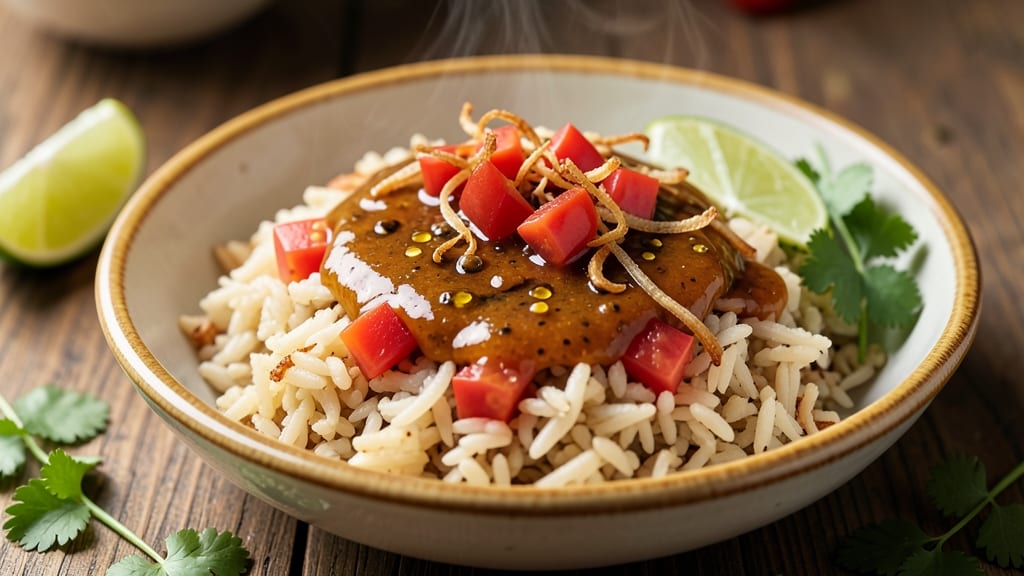
This one-pot cassava rice transforms humble cassava into a nutty, aromatic base that absorbs flavors like no other grain. The secret lies in properly grating the cassava—too fine, and it turns mushy; too coarse, and it stays chewy.
I’ve perfected a method that delivers perfectly tender, slightly sticky grains with a subtle earthy sweetness, ideal for soaking up rich sauces or standing alone as a satisfying main.
What makes this dish truly special is its versatility—equally at home in African stews, Latin Caribbean bowls, or as a standalone side with grilled proteins. The cassava’s natural starchiness creates a creamy yet firm texture, while toasting the grated pieces before cooking deepens their nutty flavor.
No special equipment is needed beyond a sharp knife and a heavy pot, making it accessible for home cooks while delivering restaurant-quality results.
Ingredients for cassava rice
Transform humble cassava into restaurant-quality grains with this tropical one-pot masterpiece.
| Ingredient | Amount | Notes |
|---|---|---|
| Fresh Cassava Root 🥔 | 1 ½ lb | Organic preferred, peeled and grated |
| Extra-Virgin Olive Oil 🫒 | ¼ cup | High-quality, fruity variety |
| Yellow Onion 🧅 | 1 whole | Medium size, finely diced |
| Garlic Cloves 🧄 | 4 cloves | Fresh, minced for depth |
| Vegetable Broth 💧 | 2 ½ cups | Low-sodium, homemade preferred |
| Lime Juice 🍋 | ¼ cup | Freshly squeezed, for brightness |
| Fresh Cilantro 🌿 | ¼ cup | Chopped, stems removed |
| Smoked Paprika 🌶️ | 1 tsp | For subtle smokiness |
| Ground Cumin 🌿 | ½ tsp | Toasted for warmth |
| Sea Salt 🧂 | 1 ½ tsp | Diamond Crystal preferred |
| Black Peppercorns 🌶️ | ½ tsp | Freshly ground for finish |
| Fresh Ginger 🌿 | 1 tbsp | Finely grated, aromatic |
| Coconut Milk 🥥 | ½ cup | Full-fat for creaminess |
| Coconut Oil 🫒 | 1 tbsp | For toasting cassava |
The cassava is the star—organic, firm varieties from Latin markets or specialty grocers like Whole Foods yield the best texture. Look for roots with smooth, unblemished skin and a vibrant yellow interior when cut. Freshly grating the cassava (using a box grater or mandoline) ensures even cooking, while toasting in coconut oil before cooking deepens its nutty flavor. For the broth, homemade versions using vegetable stock cubes like Knorr or Pacific Foods add depth, though store-bought low-sodium options work in a pinch.
No fresh ginger? Ground ginger at half the amount suffices, though fresh is ideal for that zesty kick. Substitute smoked paprika with regular paprika plus a pinch of liquid smoke for smokiness. Coconut milk can be swapped for cashew cream (blend soaked cashews with water) if you’re avoiding dairy. The lime juice is non-negotiable—bottled versions lack brightness, so always squeeze fresh. For extra richness, stir in 1 tablespoon of tahini at the end, though it’s optional.
Toasted cassava keeps in the fridge for 4-5 days sealed in an airtight container, though texture softens over time. Freeze portions for up to 3 months by spreading on a tray first to prevent clumping. Reheat gently in a skillet with a splash of water to restore moisture. This dish reheats beautifully—ideal for meal prep, as the flavors deepen overnight. Store cilantro separately and add fresh upon serving to preserve its vibrant aroma.
Why You'll Love This Recipe
- No Peel Required: I swear by this trick—just slice the cassava root thinly (no peeling!) and toss it straight into the pan. The skin crisps up like a perfect crust, and honestly? It’s the one step that makes this dish feel effortless while still tasting restaurant-worthy.
- Savory Crunch Magic: That golden edge from the olive oil and garlic? Chef’s kiss. The cassava soaks up the broth while staying tender inside, but the outside gets this irresistible toasted bite—like a cross between rice and fries. My picky eaters actually ask for seconds.
- Weeknight Workhorse: Between us, this feeds a crowd for under $10 and reheats like a dream. I make a double batch on Sundays, toss it with proteins, and have dinners covered all week. (Yes, even on a Tuesday night when you’re too tired to think.)
- Budget Stretch Star: Fresh cassava lasts forever in the pantry, and a single root stretches into three servings. Swap the broth for water if needed—it’s still rich, still satisfying, and still way cheaper than takeout. My wallet thanks me every time.
Step-by-step instructions for tropical cassava rice
Transform humble cassava into a fragrant, nutty one-pot dish with complex layers of flavor.
Prep and Toast the Cassava Base
Peel and grate the 1.5 lb fresh cassava root using a box grater or food processor, rinsing immediately to remove excess starch. Drain thoroughly in a colander for 10 minutes, pressing out all moisture with clean kitchen towels. This step prevents a gummy texture.
Heat the 1 tbsp coconut oil in a heavy-bottomed pot over medium heat. Add the drained cassava and toast for 5-7 minutes, stirring constantly, until it develops a golden hue and nutty aroma. This dry toasting builds the foundation for rich flavor development. Remove from heat and set aside temporarily.
Build the Aromatic Foundation
In the same pot, add the 0.25 cup extra-virgin olive oil and swirl to coat. Add the finely diced yellow onion and cook over medium-low heat for 5 minutes until translucent. Increase heat to medium and add the minced garlic cloves, finely grated ginger, 1 tsp smoked paprika, and 0.5 tsp ground cumin, stirring for 30 seconds until fragrant.
This aromatic base forms the flavor backbone. The paprika and cumin should perfume the kitchen noticeably - if not, increase heat slightly and cook another 30 seconds. The onions should be soft but not browned at this stage.
Simmer the Cassava Mixture
Return the toasted cassava to the pot and add 2.5 cups vegetable broth and 1.5 tsp sea salt. Bring to a gentle simmer over medium heat, then reduce to low heat and cover partially. Cook for 25-30 minutes, stirring occasionally, until the cassava absorbs most of the liquid and becomes tender.
You'll know it's ready when the cassava releases easily from the pot sides and has a slightly sticky consistency. If it appears dry before reaching this texture, add 2-3 tablespoons water and continue cooking. The goal is tender cassava with minimal liquid remaining.
Finish with Bright, Creamy Elements
Stir in the 0.5 cup coconut milk and 0.25 cup lime juice, then increase heat to medium for 2-3 minutes until the mixture thickens slightly. Add the freshly ground black peppercorns and 0.25 cup chopped cilantro, stirring just until incorporated.
Taste and adjust seasoning - the lime juice should brighten the dish while the coconut milk adds luxurious creaminess. The final texture should be moist but not soupy, with visible cassava pieces in a flavorful sauce. Remove from heat immediately to preserve the vibrant lime notes.
Rest and Serve with Confidence
Let the cassava rice rest for 5 minutes covered at room temperature. This allows the flavors to meld completely and prevents a watery texture when serving. The dish should have a golden hue with visible cassava strands coated in aromatic sauce.
Serve immediately as a complete one-pot meal, garnished with additional cilantro if desired. The nutty cassava pairs beautifully with the tropical brightness of lime and coconut, creating a satisfying balance of textures and flavors in every bite.
Pro Tips For Making Cassava Rice
- PEEL AND GRATE FRESH: Fresh cassava is tough—peel it thin with a knife, then grate it on the largest holes of a box grater. The finer the texture, the faster it cooks, and the less gummy your rice will be. (Yes, it’s tedious, but pre-shredded cassava from the store tastes like sawdust.)
- SAUTÉ ONIONS LOW AND SLOW: Skip the high heat—cook your onions and garlic in olive oil over medium-low until they’re deep golden, not browned. Burnt onions make the whole dish bitter, and cassava rice needs that sweet, caramelized base to shine. (I learned this after one very sad batch.)
- ADD BROTH IN STAGES: Don’t dump all the broth at once. Start with half, let it simmer until absorbed, then add the rest. Cassava soaks up liquid like a sponge, and rushing it leads to a mushy, gluey mess. (Think of it like risotto—patience pays off.)
- STIR GENTLY AFTER PEELING: The first 10 minutes after adding broth are critical—stir just enough to distribute the liquid without breaking up the cassava pieces. Over-stirring turns it into porridge. Let it cook undisturbed until it’s thick, then fluff it like rice. (Your future self will thank you.)
Make-ahead tips for cassava rice
Prep Ahead for Flavor
Toast the cassava up to 2 days in advance and store in an airtight container at room temperature. The nutty aroma intensifies over time, making it perfect for busy weeknights.
I like to prep the aromatic onion-garlic base separately and refrigerate it for up to 3 days—just reheat gently before adding the cassava. 🌱
Freezer-Friendly Strategy
Freeze the fully cooked cassava rice in single-serving portions for quick meals. Spread it on a tray first to prevent clumping, then transfer to freezer bags. When reheating, add 1 tablespoon water per serving and cover with a damp paper towel to restore moisture.
The texture remains delightfully tender when reheated properly. ❄️
Broth Boost Hack
Double the broth recipe and freeze it in ice cube trays. When ready to cook, simply add 2-3 broth cubes directly to the pot instead of liquid.
This keeps the cassava rice perfectly hydrated without diluting flavors. I always keep a stash of homemade broth cubes on hand for convenience. 💧
Cilantro Freshness Tip
Store chopped cilantro separately in a small container with a damp paper towel over it. This keeps it vibrant for up to 5 days in the fridge. Add it fresh at the end when serving to preserve its bright, herbaceous notes.
For extra flavor, pulse the cilantro with a pinch of salt before adding to the dish. 🌿
Meal Prep Timeline
Plan your week with this 3-step prep system: Toast cassava on Sunday, cook the base on Wednesday, and finish the dish on Friday. Store components separately in airtight containers to maintain texture. The flavors actually improve overnight, making it perfect for meal prep. 📅
Reheating Perfection
For best results, reheat cassava rice in a skillet over low heat with a splash of water or coconut milk. Avoid microwaving—it turns the cassava rubbery. If using leftovers, add ½ cup vegetable broth to restore moisture and prevent dryness. Stir frequently for even heating. 🔥
Nutrition facts
Frequently asked questions
Why does my cassava rice turn out mushy instead of fluffy?
Over-grating or skipping the draining step releases too much starch, creating a gummy texture. Always rinse grated cassava thoroughly and press out all moisture with clean towels before toasting. For perfect texture, use a box grater with medium holes and toast the cassava until golden before adding liquid.
Can I substitute regular rice for cassava in this recipe?
Not directly—the cassava's natural starchiness and nutty flavor create a unique texture. However, you can blend cooked cassava rice with ½ cup white rice for a hybrid version. For a similar flavor profile, try using quinoa or barley instead, but the texture will differ significantly.
How do I make this dish spicier?
Add ½ teaspoon cayenne pepper with the smoked paprika, or stir in 1 chopped jalapeño during the final 2 minutes of cooking. For heat without raw veggies, mix 1 teaspoon gochujang paste with the lime juice. Always taste first—the cassava absorbs flavors well!
Is cassava rice gluten-free?
Yes! Cassava is naturally gluten-free, making this recipe safe for celiac diets. Just ensure your broth, coconut milk, and spices are certified gluten-free. The dish's nutty depth comes entirely from the cassava and spices, not wheat-based ingredients.
What's the best way to serve leftover cassava rice?
Reheat gently in a skillet with 1 tablespoon coconut milk to restore creaminess. Top with blackened tofu, grilled shrimp, or avocado for a complete meal. For breakfast, serve with a fried egg and hot sauce—it's surprisingly versatile!