
Beverages
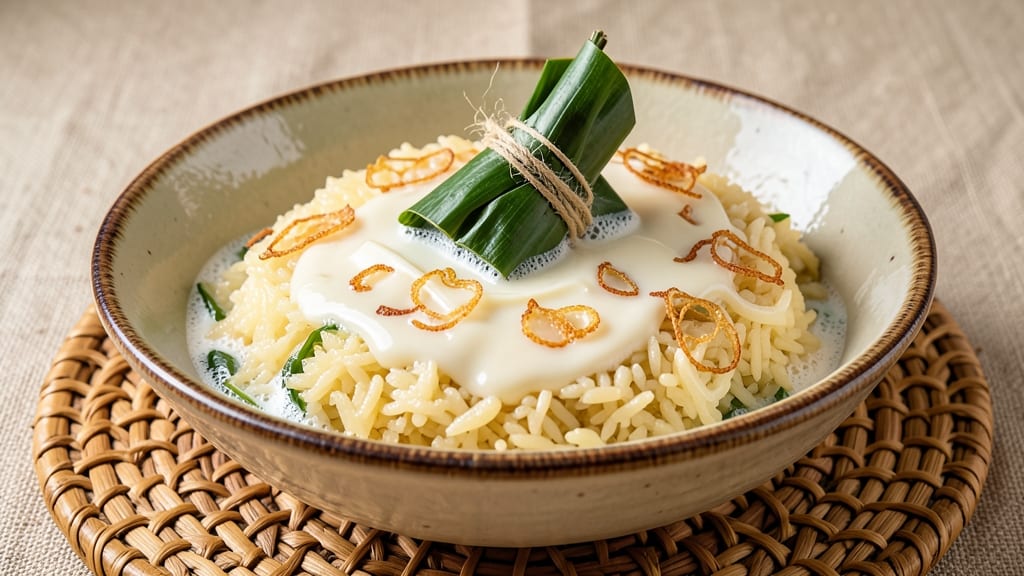
This Cebu dimsum steamed rice recipe brings the heart of Cebu’s baking tradition to your kitchen, where fragrant pandan-infused rice meets crispy pandesal and tender puto in one harmonious meal. The secret lies in bamboo steaming—transforming simple ingredients into dishes that taste like a Cebuano fiesta.
Every element, from the buttery pandesal to the soft, coconut-kissed rice, carries the warmth of Cebu’s culinary heritage.
What sets this recipe apart is its balance of tradition and simplicity—no specialized equipment needed, just a steamer and a little patience. The pandan rice releases an intoxicating aroma, while the dimsum, whether crispy pandesal or chewy kutsinta, adds texture and depth.
Perfect for family gatherings or a cozy weekend, this dish proves Cebu’s flavors can shine in any kitchen.
Ingredients for cebu dimsum steamed rice
Simple ingredients, Cebu's fragrant traditions—just a bamboo steamer and patience needed.
| Ingredient | Amount | Notes |
|---|---|---|
| Jasmine Rice 🌾 | 2 cups | Uncooked, long-grain preferred |
| Pandan Leaves 🍃 | 4 whole | Fresh or dried, tied in cheesecloth |
| Coconut Milk 🥥 | 13 ½ oz | Full-fat canned for creaminess |
| Granulated Sugar 🍚 | ¼ cup | White or brown preferred |
| Salt 🧂 | 1 tsp | Diamond Crystal preferred |
| Unsalted Butter 🧈 | 4 tbsp | Cold, cut into cubes |
| Active Dry Yeast 🍞 | 2 ¼ tsp | Fresh yeast preferred if available |
| All-Purpose Flour 🌾 | 4 cups | Bread flour for chewier texture |
| Granulated Sugar (for dough) 🍚 | ¼ cup | Same as above, no need to buy twice |
| Salt (for dough) 🧂 | ½ tsp | Same as above, no need to buy twice |
| Shredded Coconut 🥥 | ½ cup | Sweetened or unsweetened |
| Milk 🥛 | ½ cup | Whole milk preferred |
| Eggs 🥚 | 1 whole | Large, room temperature |
| Vegetable Oil 🫒 | 1 tbsp | For dough shaping |
| Sesame Seeds 🌾 | 1 tbsp | For garnish |
The pandan leaves are non-negotiable for that signature aroma—fresh is best, but dried works in a pinch. Grab them at Asian markets or the international aisle of Whole Foods. The jasmine rice should be long-grain, not basmati, for that Cebuano texture. For the coconut milk, Aroy-D brand is the gold standard if you're splurging, but any full-fat canned variety will do. The yeast matters too—Fresh yeast from the refrigerated section at Trader Joe's gives better results, but active dry is fine if stored properly.
No pandan leaves? A few drops of pandan extract (find it at Asian grocery stores) will work, but the texture won't be as authentic. Running short on shredded coconut? Toasted flaked coconut works too—just pulse it in a food processor for finer bits. The dough for pandesal is forgiving—bread flour makes it chewier, but all-purpose is fine. For the rice, if you can't find jasmine, long-grain white rice is the next best thing. The butter should be cold for the pandesal—cut it into cubes and let it sit out for 10 minutes before mixing.
Store the pandan-infused rice in an airtight container for up to 3 days—the flavor only deepens. The dough keeps for 2 days in the fridge, wrapped tightly in plastic. For longer storage, freeze the shaped pandesal on a tray before bagging—up to 3 months. The sesame seeds? Toast them in a dry pan for 30 seconds right before serving—they add that final Cebuano touch. This dish reheats beautifully—just steam the pandesal for 5 minutes to restore crispiness.
Why You'll Love This Recipe
- No-Steam Hassle: I swear by this trick—just layer the rice, coconut milk, and pandan leaves in a pot, then let it simmer. No fancy steamer basket, no waiting for water to boil. Honestly, my rice cooker does most of the work while I prep the rest of dinner.
- Pandan-Coconut Magic: That first whiff of pandan-infused coconut milk? It’s like a warm hug for your taste buds. The rice soaks up just enough sweetness to balance the creamy richness—no cloying aftertaste, just pure, fragrant comfort.
- Lunchbox Hero: Between us, this rice stays fresh for days in the fridge. Pack it cold for work or reheat it gently—it’s my go-to for meal prep because it never turns mushy. (Yes, even on a Tuesday night.)
- Budget Stretch: Jasmine rice and coconut milk are pantry staples, and a few pandan leaves go a long way. I’ve made this for 6 people for under $8—same cost as takeout, but way more satisfying. Plus, leftovers taste better the next day.
Step-by-step instructions for Cebu dimsum steamed rice
Master this traditional technique for fragrant, coconut-infused rice that pairs perfectly with dimsum.
Prepare the Pandan-Infused Coconut Milk Base
Tie the 4 whole pandan leaves together using kitchen twine and secure them tightly. This creates a natural infusion bundle that will perfume the entire dish. In a medium saucepan, combine the 13.5 oz coconut milk, the tied pandan bundle, 0.25 cup granulated sugar, and 1 tsp salt. Bring to a gentle simmer over medium heat, then reduce to the lowest setting and let steep for 15 minutes. You'll notice the liquid develop a vibrant green hue and an intoxicating aroma—this is your signature flavor foundation.
While steeping, prepare a fine-mesh strainer lined with cheesecloth. Remove the pandan bundle and gently squeeze out all the liquid, discarding the leaves. This ensures maximum flavor extraction. Keep the infused coconut milk warm for the next step—its warmth will help hydrate the rice more evenly during cooking.
Create the Butter-Coconut Rice Mixture
In a large mixing bowl, combine the 2 cups jasmine rice with the warm pandan-infused coconut milk. Gently fold with a wooden spoon until the rice is completely coated and the liquid is evenly distributed. Let this mixture sit for 10 minutes at room temperature—this allows the rice to begin absorbing some of the coconut milk before cooking.
After the resting period, add the 4 tbsp cold cubed unsalted butter to the rice mixture. Using your hands (wear gloves if preferred), gently work the butter into the rice until it melts and creates a glossy coating. This butter infusion is what gives Cebu-style rice its signature richness. The mixture should look moist but not soupy, with visible butter flecks throughout.
Assemble the Bamboo Steamers with Dough Wrappers
In a separate bowl, combine the 4 cups all-purpose flour, 0.25 cup granulated sugar (for dough), 0.5 tsp salt (for dough), 0.5 cup milk, 1 whole egg, and 1 tbsp vegetable oil. Mix until a smooth, slightly sticky dough forms. Divide the dough into 4 equal portions and roll each into a thin rectangle about 12x8 inches—these will serve as your steaming wrappers.
Line the bottom of each bamboo steamer with one of the dough rectangles, pressing gently to create a smooth surface. The dough should cover the entire bottom of the steamer, sealing any gaps. This creates an airtight barrier that locks in moisture and steam during cooking. Place the steamer baskets on a heatproof surface—you'll need to steam these simultaneously for even cooking.
Steam the Rice to Perfect Texture
Fill each prepared bamboo steamer with the rice mixture, dividing the total 2 cups jasmine rice evenly among all four steamer baskets. The rice should be spread in an even layer, about 1 inch thick. Place the steamer baskets over a pot of rapidly simmering water, ensuring the bottom of the steamer doesn't touch the water—this prevents soggy rice.
Cover the steamer with a tight-fitting lid and steam over medium-high heat for 20 minutes. You'll know it's ready when the rice is tender but still maintains a slight bite in the center, and the coconut aroma intensifies. The dough wrappers should be golden brown at the edges—a sign the steam has circulated perfectly. Remove from heat and let rest for 5 minutes before serving.
Garnish and Serve the Traditional Way
After resting, carefully remove the steamed rice from the bamboo steamer. Sprinkle evenly with 0.5 cup shredded coconut and 1 tbsp sesame seeds. The coconut adds a delightful crunch contrast while the sesame seeds provide a nutty aroma. Serve immediately with your favorite dimsum selection—this fragrant rice acts as both a flavorful accompaniment and a delicious base for leftover dimsum dishes.
The key to perfect Cebu dimsum rice lies in the balance of textures: tender rice, crispy coconut, and toasted sesame seeds. Each bite should deliver the aromatic pandan-coconut essence while maintaining the delicate jasmine rice structure. For best results, serve within 30 minutes of steaming when the rice is at its peak texture and aroma.
Pro Tips For Making Cebu Dimsum Steamed Rice
- Soak Rice Overnight: I learned this the hard way—rushing the soak means gummy rice, no matter how much you steam. Use 3 cups water to 1 cup rice, cover, and let it sit 12+ hours (yes, even if you're impatient like me). The longer it soaks, the fluffier the final texture, and the pandan-coconut flavor soaks in deeper.
- Blend Pandan Properly: Tearing pandan leaves and tossing them in won’t give you that vibrant green, fragrant base. Pulse 3-4 leaves with ½ cup hot water in a blender until smooth—this extracts the essence without bitterness. Strain if you hate fiber in your rice (I don’t, but some do).
- Don’t Overmix Coconut: After burning three batches, I finally figured out: coconut milk separates when you whip it like egg whites. Stir just until the sugar dissolves—gentle swirls, not aggressive mixing. The cream should stay velvety, not lumpy or oily.
- Steam on Medium Heat: High heat = soggy bottoms; low heat = undercooked centers. Medium-low is non-negotiable—your rice needs 20 minutes of steady steam, not a 10-minute boil followed by a sad, uneven finish. Cover tightly and resist peeking (yes, even if you’re curious).
Pro cooking tips for great cebu dimsum steamed rice
Pandan Infusion Mastery
For maximum pandan flavor, use fresh leaves tied in cheesecloth—this creates a concentrated infusion. If using dried leaves, steep them for 5 minutes longer to compensate. I like to crush the leaves slightly before tying them to release more oils.
For a stronger aroma, add 1 tsp pandan extract to the coconut milk alongside the leaves. 🌿
Butter Integration Technique
The key to Cebu-style rice is working cold butter into warm rice—this creates tiny butter pockets that melt during steaming. Use European-style butter (like Plugrá) for higher fat content.
If your butter melts too quickly, chill the rice mixture for 5 minutes before adding it. Never skip the 10-minute rest after mixing—this ensures even distribution. 🧈
Dough Wrapper Secrets
Roll dough wrappers to ⅛-inch thickness for perfect crispiness. Use a rolling pin with a silicone mat underneath to prevent sticking. For extra flavor, brush the wrappers with melted butter before adding rice. If your dough cracks while rolling, let it rest for 10 minutes before continuing. 🥖
Steaming Precision
Maintain steady medium-high heat—too low causes soggy rice, too high burns the wrappers. Place a wet towel under the steamer to prevent sticking. For even cooking, rotate steamer baskets halfway through steaming. The rice should be 80% cooked when the wrappers turn golden—this ensures perfect texture. ⏱️
Texture Balance Tips
For extra crunch, toast the shredded coconut for 2 minutes before sprinkling. Store leftover rice in an airtight container with a paper towel to absorb moisture. Reheat in a steamer basket for 5 minutes to restore texture. The sesame seeds should be toasted right before serving for maximum aroma. 🌟
Equipment Substitutions
No bamboo steamer? Use a lasagna pan lined with parchment paper. For the dough wrappers, a cast iron skillet works well—just oil it lightly. If you can't find pandan leaves, vanilla extract (½ tsp) adds depth, though it won't replicate the authentic flavor.
A rice cooker with a steaming basket can handle the rice portion if needed. 🔥
Nutrition facts
Frequently asked questions
Can I make this recipe without a bamboo steamer?
Use a lasagna pan lined with parchment paper or a cast iron skillet with a tight-fitting lid. For the dough wrappers, place them on a baking sheet and cover with foil instead. The key is maintaining moisture—just ensure your substitute traps steam effectively.
What other Cebuano dimsum can I pair with this rice?
Classic choices include pandesal (buttery rolls), puto (purple steamed cakes), or kutsinta (sweet glutinous rice balls). For a complete meal, try biko (sticky rice) or ensayada (stuffed pastries). The fragrant rice complements all of them beautifully!
Why does my rice turn out dry or gummy?
Dry rice usually means too much heat or insufficient liquid. For gummy texture, undercooking or too much coconut milk causes it. Always steam over medium-high heat and use the exact 13.5 oz coconut milk measurement. The 10-minute rest before steaming is crucial for even cooking.
How do I store leftovers to keep them fresh?
Store the rice in an airtight container with a paper towel to absorb moisture. The dough wrappers can be frozen for 3 months—thaw and steam for 5 minutes to restore crispiness. For best texture, reheat rice in a steamer basket for 5 minutes rather than microwaving.
Can I substitute jasmine rice with another type?
Long-grain white rice works best, but avoid basmati or short-grain varieties. For extra aroma, add ½ tsp pandan extract to the cooking water. If using instant rice, reduce steaming time to 15 minutes—it absorbs liquid faster. The texture will differ slightly but still be delicious!