
Main Courses
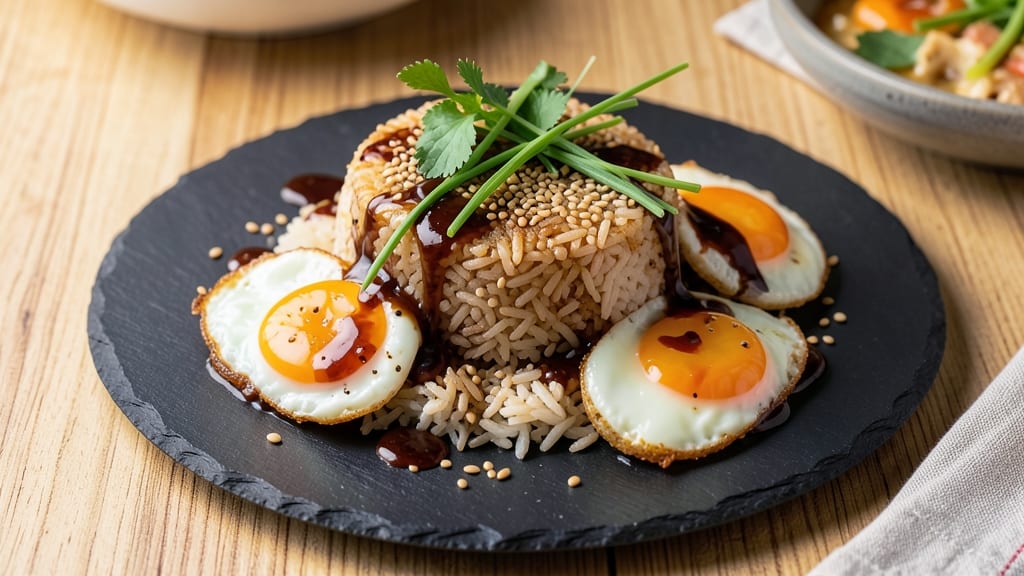
The wok-hei chao fan delivers that signature smoky, crispy aroma that makes fried rice unforgettable. This recipe captures the essence of Cantonese home cooking—where day-old rice gets transformed into a savory, textured masterpiece with just a few key techniques.
The secret lies in high-heat stir-frying and a perfectly crispy egg that adds richness to every bite.
What sets this chao fan apart is the balance of textures: tender egg, slightly charred vegetables, and perfectly cooked rice that stays separate yet cohesive.
We’ll use traditional seasonings like light soy sauce and oyster sauce, but the real magic happens in the wok—where the "breath of the wok" (wok hei) infuses the dish with that coveted smoky depth.
Ready in under 20 minutes, this dish proves restaurant-quality fried rice is entirely achievable at home.
Ingredients for chao fan rice
Authentic Cantonese flavors meet high-wok technique in this crispy fried rice masterpiece.
| Ingredient | Amount | Notes |
|---|---|---|
| Day-Old Jasmine Rice 🍚 | 4 cups | Cold, broken into individual grains |
| Large Eggs 🥚 | 4 whole | Room temperature for even cooking |
| Light Soy Sauce 🍶 | 3 tbsp | Kikkoman preferred for authentic flavor |
| Dark Soy Sauce 🍶 | 1 tbsp | For color depth and umami |
| Oyster Sauce 🦪 | 2 tbsp | Lee Kum Kee brand recommended |
| Sesame Oil 🫒 | 1 tbsp | Toasted, for aroma finish |
| Green Onions 🧅 | ½ cup | White and green parts separated |
| Garlic Cloves 🧄 | 4 cloves | Minced finely for aromatic base |
| Vegetable Oil 🫒 | 3 tbsp | High smoke point for wok hei |
| Frozen Peas 🌿 | ½ cup | Thawed for even distribution |
| White Peppercorns 🌶️ | ½ tsp | Freshly ground for subtle heat |
| Salt 🧂 | ½ tsp | Diamond Crystal kosher preferred |
| Shaoxing Wine 🍷 | 1 tbsp | Optional for added depth |
The rice is non-negotiable—day-old, cold, and broken into individual grains for that signature texture. Jasmine rice is traditional, but any long-grain works. For the egg, room temperature is key—it cooks more evenly and achieves that coveted crispy edge. The soy sauces matter: Kikkoman light soy delivers authentic umami, while dark soy adds that signature golden hue. Oyster sauce? Lee Kum Kee is the gold standard—its rich, slightly sweet profile is essential. Garlic and green onions should be freshly minced just before cooking to preserve their aromatic oils.
No oyster sauce? Hoisin sauce at half the amount works in a pinch, though it’ll lack depth. Shaoxing wine can be swapped for dry sherry or even a splash of mirin. Frozen peas are convenient, but fresh peas thawed quickly yield better texture. The sesame oil is purely for aroma—add it last to preserve its delicate flavor. For extra wok hei, lightly char the garlic and green onions before adding other ingredients. And always use a carbon steel or cast iron wok—it’s non-negotiable for authentic heat distribution.
Rice reheats beautifully, but keep it covered at room temperature for no more than 2 hours to prevent sogginess. For storage, portion into airtight containers—it keeps for 3 days in the fridge or 3 months frozen. The egg cooks in seconds, so have it ready to go right before you start stir-frying. Pro tip: Toast your wok dry for 30 seconds before adding oil to build that essential smoky base. This dish tastes even better the next day as flavors meld together.
Why You'll Love This Recipe
- No Leftovers Wasted: I swear by this trick—using day-old jasmine rice means no sad, dry grains in the fridge. The texture turns out just right, almost like it was made to be stir-fried, and honestly? It’s the only way I’ll eat rice that’s been sitting around.
- One-Pan Magic: Five ingredients, one wok or pan, and you’re done. Crack eggs into the sizzling rice, splash in that dark soy for color, and let the oyster sauce tie it all together. No chopping, no fuss—just stir, scrape, repeat. My lazy Sundays have never been happier.
- Umami Bomb: That combo of light and dark soy plus oyster sauce? It’s like a flavor explosion in your mouth. The eggs get silky, the rice soaks up all the goodness, and suddenly, a simple meal tastes like you spent hours in the kitchen. (Spoiler: You didn’t.)
- Budget Meal Hero: Eggs, rice, and a few sauces—this feeds four for under $10. Between us, it’s my go-to when I’m broke or hosting friends last-minute. Plus, the leftovers reheat like a dream, so I’m always covered.
Step-by-step instructions for chao fan fried rice
Master the wok-hei technique and you'll achieve restaurant-quality fried rice with perfectly crispy egg and aromatic soy sauce.
Prepare the Day-Old Rice
Spread the 4 cups day-old jasmine rice on a baking sheet in a single layer. Use your hands to break up any clumps, ensuring each grain is separated. This prevents gummy rice and ensures even cooking. The rice should be completely cold and dry—if it feels damp, spread it out and let it sit for 10 minutes to evaporate excess moisture.
While the rice dries, separate the 0.5 cup green onions into white and green parts. Finely mince the white portions and slice the green parts into ¼-inch pieces. This separation allows you to control the texture—chewy white onions for body and bright green tops for garnish. Keep the minced whites in a small bowl and set aside the sliced greens for later.
Create the Egg and Sauce Mixtures
In a medium bowl, whisk together the 4 whole large eggs until the yolks and whites are fully combined and the mixture is uniform. Add 0.5 teaspoon salt and 0.5 teaspoon freshly ground white peppercorns to the egg mixture, whisking gently to distribute evenly. Room-temperature eggs scramble more evenly, so if they're cold, let them sit at room temperature for 10 minutes before whisking.
In a separate small bowl, combine the 3 tablespoons light soy sauce, 1 tablespoon dark soy sauce, 2 tablespoons oyster sauce, and 1 tablespoon shaoxing wine. Stir well to blend the flavors. This sauce mixture is the heart of the dish—it balances umami, saltiness, and a touch of sweetness from the dark soy. The shaoxing wine adds depth, but if you're avoiding alcohol, you can omit it without significantly altering the flavor.
Cook the Eggs to Crispy Perfection
Heat a 14-inch wok or large skillet over high heat until it's smoking. Add 3 tablespoons vegetable oil and swirl to coat the bottom evenly. Once the oil shimmers, pour in the egg mixture and let it sit undisturbed for 5-7 seconds—this allows the eggs to set slightly on the bottom before gently stirring with a spatula.
Continue stirring in small circles, using the heat of the wok to create soft, custardy curds rather than dry scrambled eggs. Once the eggs are 80% set but still slightly runny, remove them from the wok and set aside. The residual heat will finish cooking them slightly, but they should remain tender and moist. If the eggs release easily from the wok without sticking, you've nailed the texture—this is the key to authentic chao fan.
Stir-Fry the Aromatics and Vegetables
Return the wok to the heat and add 1 tablespoon vegetable oil (you'll use a total of 3 tablespoons—save the last tablespoon for the rice). Add the 4 cloves minced garlic and stir-fry for 10-15 seconds until fragrant but not browned—garlic burns quickly, so keep the heat high and move constantly. Next, add the 0.5 cup thawed frozen peas and stir-fry for 1 minute until they're heated through and slightly blistered.
Add the minced white parts of the green onions and stir-fry for another 20 seconds to soften them slightly. The goal is to develop the aromatics without overcooking them—you want them to contribute texture and flavor, not turn mushy. At this stage, the wok should be sizzling loudly, and you should see a thin layer of oil glistening on the bottom. This is the foundation of wok hei, the smoky, breath-of-fire flavor that defines authentic fried rice.
Combine and Finish the Fried Rice
Add the 4 cups day-old jasmine rice to the wok in one motion, breaking up any remaining clumps with your spatula as you stir. Pour the sauce mixture over the rice and distribute it evenly. Stir-fry vigorously for 1-2 minutes, using the heat and motion to create those signature crispy bits on the edges of the rice grains. The rice should begin to sizzle and take on a slightly glossy sheen from the sauce.
Add the 1 tablespoon sesame oil and the reserved scrambled eggs back into the wok. Toss everything together for another 30-45 seconds, just until the eggs are heated through and the rice is evenly coated with sauce. The final dish should be fragrant, with a balance of crispy egg, tender rice, and bright vegetables. Taste and adjust seasoning if needed—you may need to add a splash of water or a pinch more soy sauce to reach your preferred saltiness.
Serve Immediately with Garnishes
Transfer the fried rice to a serving platter and garnish with the sliced green onion tops. The contrast of bright green against the golden-brown rice adds visual appeal and a fresh finish. Serve immediately while the rice is hot and the wok hei flavor is at its peak. Each bite should deliver a harmonious blend of crispy egg, savory sauce, and aromatic rice—this is the essence of chao fan.
For best results, serve with a side of steamed greens or a simple cucumber salad to balance the richness. The dish keeps well for 1-2 hours at room temperature, but the texture and flavor are best enjoyed fresh off the wok.
Pro Tips For Making Chao Fan Rice
- STIR FAST, STOP LATE: The eggs scramble in seconds—don’t linger. Once they’re just set, pull the wok off heat immediately. I learned this the hard way: overcooking turns them rubbery, and nobody wants that in their fried rice. (Yes, even if you’re impatient like me.)
- USE COLD RICE: Day-old rice is non-negotiable, but make it cold—store it in the fridge overnight. Room-temperature rice gets gummy when stir-fried, and you’ll end up with a mushy mess. Skip the microwave; let it sit until it’s properly chilled.
- SALT THE EGGS FIRST: Crack your eggs into a bowl, add a pinch of salt, and whisk before cooking. This ensures even seasoning—no dry bits in the middle. I was skeptical until I tried it: the eggs stay tender and flavorful every time.
- DARK SOY SAUCE LAST: Add light soy first, then oyster sauce, and save the dark soy for the very end. Splash it in just before serving—it’s your color boost and should stay vibrant. (Your future self will thank you for not turning the whole dish black prematurely.)
Wine and beer pairings for this chao fan rice
Chinese Rice Wine
For an authentic pairing, reach for a dry Chinese rice wine like Moutai or Shaoxing wine—both complement the dish’s umami depth. A shot of Moutai (diluted with water) at the table enhances the meal’s celebratory nature, while Shaoxing wine mirrors the dish’s cooking wine. 🍶
Light Dry Sherry
A crisp Fino sherry or Manzanilla bridges the gap between Chinese and Western palates. Its nutty, dry profile cuts through the fried rice’s richness without overpowering the soy and sesame notes. Serve chilled for contrast—just 45-50°F.
Japanese Sake
Opt for a dry junmai sake like Dassai or Gekkeikan for a lighter option. The clean, slightly floral notes harmonize with the dish’s savory-sweet balance. A chilled cup (around 40°F) refreshes the palate between bites.
Beer Pairings
A light lager such as Asahi Super Dry or Tsingtao works perfectly—its crisp, effervescent quality cleanses the palate after each bite. For a craft twist, try a wheat beer like Blue Moon, whose citrusy notes echo the green onions.
Avoid Heavy Brews
Skip heavy stouts or IPAs—they’ll clash with the dish’s delicate aromatics. Even a pilsner can overwhelm the subtle wok hei. Stick to light, dry options to preserve the fried rice’s balance and let its flavors shine.
Nutrition facts
Frequently asked questions about chao fan (Chinese fried rice)
Can I use freshly cooked rice instead of day-old rice?
Freshly cooked rice is too moist and will turn mushy when stir-fried. The starch needs time to dry out—spread freshly cooked rice on a tray for 1-2 hours at room temperature before using. This mimics the texture of day-old rice perfectly.
What's the secret to getting crispy egg in chao fan?
High heat and minimal stirring are key! Cook the eggs in a smoking-hot wok with just 3 tablespoons oil, let them set for 5-7 seconds undisturbed, then stir gently. Remove them when 80% set—they'll finish cooking when mixed back in later.
Can I make chao fan without oyster sauce?
Use hoisin sauce (1 tbsp) or fish sauce (½ tsp) as substitutes, but reduce the soy sauce slightly. For vegetarian versions, try mushroom sauce or extra soy sauce with a pinch of sugar. The umami balance will differ but still work well.
How do I prevent my chao fan from getting soggy?
Keep the rice completely dry before cooking and use high heat throughout. Avoid adding too much sauce—start with 3 tbsp light soy and adjust to taste. Stir-fry vigorously for 1-2 minutes to create crispy edges on the rice grains.
What's the best way to reheat leftover chao fan?
Reheat in a dry wok or skillet over medium-high heat for 2-3 minutes, stirring constantly. Add ½ tbsp oil and a splash of water if needed to restore crispiness. Microwaving makes it rubbery—always reheat with fresh wok hei!