
Main Courses
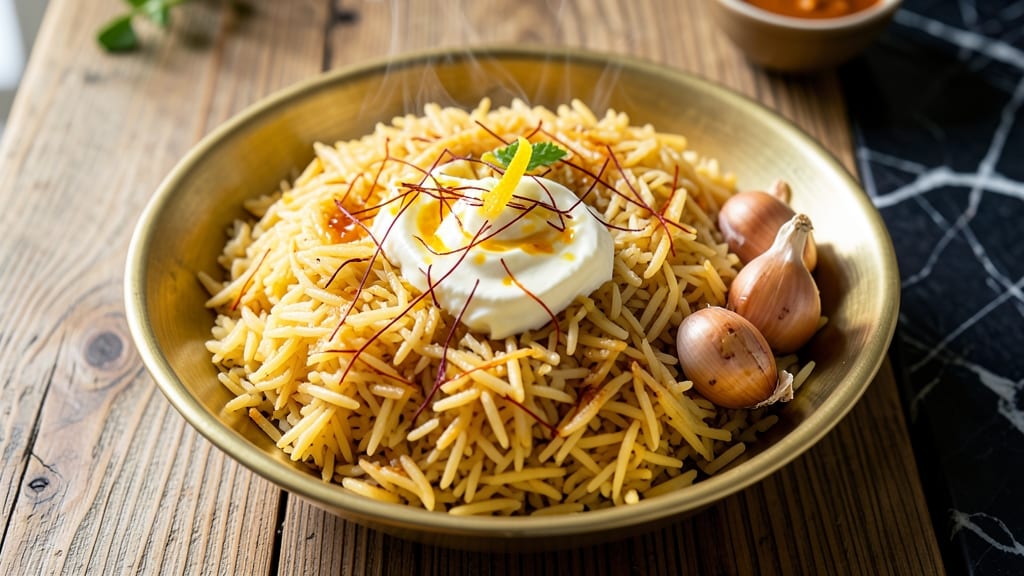
This Persian chelo rice recipe transforms simple grains into a fragrant, golden masterpiece with a signature crispy tahdig crust. The secret lies in saffron-infused water and precise steaming techniques that create that coveted caramelized bottom layer.
Every bite delivers aromatic saffron notes and tender rice, making it the centerpiece of Persian feasts.
Pair this elegant rice with traditional proteins like chicken or lamb, and serve alongside stews such as ghormeh sabzi or fesenjan for an authentic Persian dining experience. The crispy tahdig isn't just decoration—it's the heart of the dish, adding texture and depth that elevates the entire meal to restaurant-quality perfection.
Ingredients for chelo rice
Transform ordinary rice into Persian elegance with these precise ingredients for authentic chelo.
| Ingredient | Amount | Notes |
|---|---|---|
| Basmati Rice 🍚 | 2 cups | Long-grain, rinsed thoroughly |
| Saffron Threads 🌼 | ¼ tsp | High-quality, culinary grade |
| Water 💧 | 3 ½ cups | Room temperature preferred |
| Unsalted Butter 🧈 | 4 tbsp | European-style, cold |
| Salt 🧂 | 1 ½ tsp | Diamond Crystal kosher |
| Garlic Cloves 🧄 | 4 cloves | Minced, fresh preferred |
| Fresh Parsley 🌿 | ¼ cup | Chopped, stems removed |
| Lemon Juice 🍋 | 1 tbsp | Freshly squeezed |
| Ground Cumin 🌿 | ½ tsp | Toasted for depth |
| Olive Oil 🫒 | 2 tbsp | Extra-virgin, fruity |
| Heavy Cream 🥛 | ½ cup | Full-fat for tahdig |
| Ground Black Pepper 🌶️ | ¼ tsp | Freshly cracked |
| White Vinegar 🍶 | 1 tsp | For saffron infusion |
Saffron is non-negotiable here—Iranian or Spanish threads deliver the most vibrant flavor. Whole Foods or Persian markets carry the highest quality, often sold in small tins. The basmati should be long-grain and aged at least 18 months for optimal texture. Fresh parsley and garlic from the market's produce section add brightness; avoid pre-chopped blends. For the tahdig, European-style butter (like Plugrá) melts cleaner than American varieties, creating a smoother crust.
No saffron? Turmeric at one-quarter the amount mimics the golden hue but lacks floral depth. Substitute heavy cream with full-fat coconut milk> for a dairy-free tahdig. Pre-minced garlic works in a pinch, but fresh mincing releases more aroma. The vinegar in the saffron infusion can be swapped for lemon juice at double the amount. For the rice, jasmine rice works in emergencies, though it lacks the signature fragrance. Always use Diamond Crystal kosher salt>—Morton's has a different density and can over-salt delicate rice.
Store uncooked rice in an airtight container in a cool, dark pantry> for up to 6 months. Saffron keeps indefinitely in a sealed container away from light. The tahdig mixture (butter, cream, salt) can be prepped 1 day ahead> and stored in the fridge. Cooked chelo reheats best in a steamer basket over simmering water> to restore moisture. For leftovers, wrap tightly in foil to preserve the tahdig's crispness for 3-4 days>.
Why You'll Love This Recipe
- Golden Threads Magic: The saffron soaks into the rice like liquid sunshine—just a pinch, but it transforms everything. I swear, that first aromatic bite hits different, and it’s all thanks to those tiny threads steeping in warm water.
- Four-Ingredient Simplicity: You’re basically just layering rice, butter, and saffron in a pot. No chopping, no fuss—just a 15-minute hands-off simmer. Honestly, it’s the kind of recipe that makes me feel like I’ve earned my dinner.
- Weeknight & Holiday Star: Serve it plain for a quick lunch or pile it high for a celebratory feast. My family eats it with yogurt and herbs one night, then turns it into a rice bowl the next—same base, endless possibilities.
- Budget Luxury Leftovers: A single batch stretches for days, and the flavor only deepens as it sits. Between us, this is how I feed my family well without breaking the bank—soft, buttery, and always welcome.
Step-by-step instructions for Persian chelo rice
Mastering chelo rice begins with precision—every step builds the signature saffron aroma and crispy tahdig.
Prepare the Saffron Infusion
Place the 0.25 tsp saffron threads in a small bowl and cover with 1 tablespoon lemon juice from the ingredients list. Let it steep for 10 minutes—this extracts the vibrant color and floral notes without bitterness. The mixture should develop a deep golden hue, signaling it's ready for use. I always use high-quality culinary saffron here; cheaper versions lack the depth of flavor.
While the saffron infuses, combine 3.5 cups water with 1.5 tsp salt in a large pot. Bring to a boil over high heat—you'll need this water to reach 212°F before adding the rice. The salt should dissolve completely, ensuring even seasoning throughout the grains. This step creates the perfect alkaline environment for fluffy, separate grains.
Create the Tahdig Foundation
In a heavy-bottomed skillet, melt 4 tbsp unsalted butter over medium heat until it foams but doesn't brown. Add 2 tbsp olive oil and 4 minced garlic cloves, cooking for 2 minutes until the garlic becomes fragrant but doesn't color. This butter-oil-garlic base forms the aromatic foundation for the tahdig.
Remove the skillet from heat and stir in 0.5 cup heavy cream, 0.5 tsp ground cumin, and 0.25 tsp ground black pepper. The mixture should thicken slightly but remain pourable. This combination creates the rich, caramelized crust that defines authentic chelo. Keep this mixture warm while you prepare the rice.
Cook the Perfect Rice Texture
Add the 2 cups basmati rice to the boiling salted water. Stir gently once to separate the grains, then bring the heat down to low. Cover the pot with a tight-fitting lid and cook for 12 minutes without lifting it—this steam phase develops the signature chelo texture. The rice should absorb the water evenly, with no liquid remaining at the bottom.
After 12 minutes, turn off the heat and let the rice sit covered for 10 minutes. This resting period allows the starches to set properly. You'll notice the rice grains will separate naturally, creating the characteristic "flower-like" appearance. If you peek too soon, you risk breaking the delicate structure we've worked to achieve.
Assemble the Tahdig Crust
Carefully transfer the cooked rice to a serving dish, spreading it evenly in a thin layer. Using a spoon, spread the warm butter-cream mixture evenly over the top of the rice. The heat from the rice will begin to caramelize the cream mixture immediately—this is when the magic happens.
Return the dish to the oven (preheated to 375°F) for 5-7 minutes until the top develops a deep golden-brown crust. You'll see bubbles form and the surface will become firm to the touch. This tahdig should be crisp enough to stand up to a spoon but still have a creamy interior when cut through. The aroma of toasted garlic and saffron will fill your kitchen—this is the moment we've been working toward.
Garnish and Serve Immediately
Remove the chelo from the oven and immediately sprinkle with 0.25 cup chopped fresh parsley. The parsley adds freshness to cut through the richness of the tahdig and butter. Serve while the tahdig is still crisp—it softens quickly once removed from the oven.
For an authentic Persian presentation, serve with a side of mirza ghasemi (a simple cucumber-yogurt sauce) and your choice of protein. Each bite should deliver perfectly separate grains with a crispy, caramelized crust on top. The saffron infusion will perfume every mouthful, creating that unmistakable Persian dining experience.
Pro Tips For Making Chelo Rice
- CRANK THE HEAT: Use a pot with a tight-fitting lid and bring the water to a rolling boil before adding rice—no simmering. I learned this the hard way after watching my rice turn mushy; basmati needs that initial shock of high heat to firm up.
- SOAK THE SAFFRON: Crush the saffron threads between your fingers and steep them in a splash of warm water for 10 minutes before adding to the rice. This releases the color and aroma fully—skipping this step means your rice will taste like it’s missing something.
- DON’T STIR THE RICE: Once the water boils, add the rice and butter, then stop touching it. Stirring breaks the grains and turns chelo into a mushy pile. Let it cook undisturbed for 10 minutes before fluffing gently with a fork.
- SALT THE WATER LATE: Add salt only after the rice is added to the boiling water—not before. Too early, and the butter will separate weirdly; too late, and the rice won’t absorb enough flavor. Aim for 1 teaspoon per 2 cups of water, but taste the broth first.
Wine and beer pairings for this recipe
Red Wine Pairings
Persian chelo's saffron and garlic notes pair beautifully with medium-bodied reds like Shiraz from Iran or Syrah from France. The Shiraz mirrors the dish's warmth with its dark fruit and spice profile, while a Crozes-Hermitage Syrah adds bright acidity to balance the richness.
I always reach for Banyan's Persian Shiraz—it's widely available and perfectly complements the tahdig's caramelized depth. 🍷
White Wine Options
For lighter pairings, try Persian white wines like Shahrood or Arasbaran, both made from local grape varieties. Their subtle floral and citrus notes enhance the saffron's aroma without overpowering it.
If Persian wines aren't accessible, a dry Riesling from Germany offers similar crispness and mineral character. Chill slightly—around 50°F—to refresh the palate between bites.
Beer Complements
A German-style wheat beer like Weihenstephaner Hefeweissbier works surprisingly well—its banana and clove notes harmonize with the tahdig's caramelized garlic. For something lighter, a Belgian witbier (like Stella Artois) brings citrusy brightness that cuts through the dish's richness.
Avoid heavy stouts or dark lagers, which can clash with the delicate saffron flavors.
Non-Alcoholic Choices
For a refreshing non-alcoholic option, serve Persian mint tea (doogh) or sparkling pomegranate juice. The tea's floral notes echo the saffron, while the tartness of pomegranate juice cleanses the palate.
I often make a simple sparkling water with lime and a pinch of salt—it's crisp and lets the chelo's flavors shine. 💫
Regional Pairing Tips
In Iran, chelo is traditionally served with ayran (yogurt drink) or dough (yogurt with mint). For wine lovers, Persian red blends like Sang-e Sabz offer the perfect local match. If you're serving with ghormeh sabzi, a bolder red like Cabernet Sauvignon can stand up to the herb-heavy stew.
Always let the wine breathe for 10-15 minutes before serving to enhance its aromatic qualities.
Nutrition facts
Frequently asked questions about Persian chelo rice
Why does Persian chelo rice need saffron?
Saffron is the soul of Persian chelo—its delicate floral notes and golden hue create the dish's signature aroma. The threads infuse the rice with complex, earthy sweetness that no other spice can replicate. Without it, you miss the authentic Persian flavor profile that makes chelo so special.
What's the secret to getting that perfect crispy tahdig?
The tahdig's magic comes from three things: hot rice base, heavy cream, and even heat distribution. Spread the rice thinly in your dish, use warm (not hot) butter-cream mixture, and bake at 375°F until golden. The key is patience—rushing makes it gummy instead of crispy!
Can I make chelo rice without a special rice pot?
Use a heavy-bottomed pot with a tight-fitting lid. The secret is low-and-slow steaming—bring to a boil, then reduce to the lowest heat possible. After cooking, let it rest covered for 10 minutes to develop that signature "flower-like" texture. A regular pot works just fine if you're patient!
How do I store leftover chelo rice?
Wrap tightly in foil to preserve the tahdig's crispness, then refrigerate for up to 3 days. To reheat, steam over simmering water for 5-10 minutes—microwaving makes the tahdig soggy. For longer storage, freeze portions (without foil) for up to 1 month. Thaw overnight in the fridge before reheating.
What's the best way to serve Persian chelo?
Serve immediately with a crispy tahdig on top and pair it with a traditional stew like ghormeh sabzi or fesenjan. Add mirza ghasemi> (cucumber-yogurt sauce) for freshness. For protein, grilled chicken or lamb works perfectly. The key is to serve family-style so everyone can create their own plates!