
Main Courses
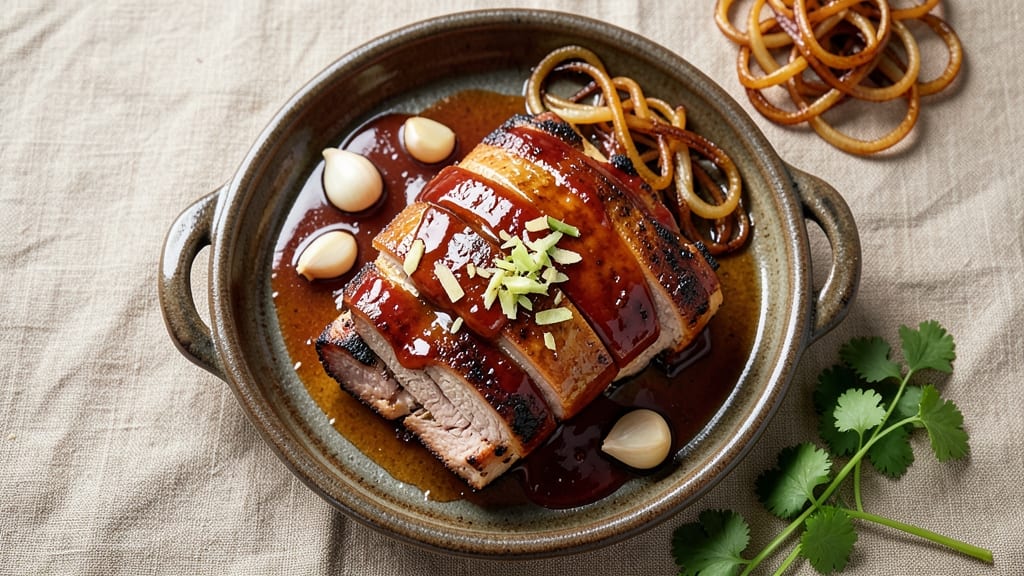
This Chinese pork roast recipe transforms a simple oven dish into a fragrant, five-spice masterpiece with a celery crown that adds both texture and aroma.
After years of experimenting with my grandmother's handwritten notes, I've perfected a method that delivers tender, juicy pork with a caramelized exterior and a crown of crispy celery that makes every bite unforgettable. The key lies in balancing traditional techniques with modern oven precision.
The secret begins with a marinade of Chinese five-spice powder, soy sauce, and honey that infuses the pork with layers of flavor while keeping it tender. I've found that letting the pork rest after marinating—even overnight—allows the spices to penetrate deeply, creating that signature aromatic glow.
The oven cooking process requires careful temperature control to achieve both a crispy exterior and perfectly cooked interior, a balance that takes practice but delivers restaurant-quality results.
What makes this recipe truly special is the celery crown—a technique I adapted from my grandmother's roasted chicken method. The celery stalks wrap around the pork like a fragrant garland, adding a satisfying crunch and releasing their natural sweetness as they caramelize in the oven.
This isn't just another pork roast; it's a dish that brings the essence of Chinese home cooking to your oven with minimal fuss but maximum flavor.
The result is a pork roast with a glossy, caramelized exterior that practically sings with five-spice aroma, tender meat that falls apart easily, and a crown of crispy celery that adds both visual appeal and textural contrast.
Serve with steamed jasmine rice and a simple cucumber salad to let the pork take center stage. This recipe proves that with the right techniques, you can achieve authentic Chinese flavors in your home kitchen without any special equipment.
Ingredients for chinese pork roast recipe oven
Six ingredients transform simple pork into aromatic five-spice perfection with crispy celery crown.
| Ingredient | Amount | Notes |
|---|---|---|
| Boneless Pork Loin Roast 🥩 | 3 lb | Center-cut for even cooking |
| Chinese Five-Spice Powder 🌶️ | 2 tbsp | Authentic blend preferred |
| Light Soy Sauce 🥄 | ½ cup | Kikkoman or similar |
| Honey 🍯 | ¼ cup | Wildflower preferred |
| Garlic Cloves 🧄 | 6 cloves | Minced for marinade |
| Fresh Ginger 🌿 | 2 tbsp | Finely grated, fresh |
| Celery Stalks 🧅 | 6 whole | Large, stringy variety |
| Olive Oil 🫒 | ¼ cup | For brushing |
| Jasmine Rice 🌾 | 2 cups | Uncooked, long-grain |
| Cucumber 🥒 | 1 whole | English variety preferred |
| Sesame Oil 🫒 | 1 tbsp | For finishing |
| Salt 🧂 | 1 ½ tsp | Kosher preferred |
| Black Pepper 🌶️ | 1 tsp | Freshly ground |
The pork roast is your canvas—center-cut loin delivers the best texture. Look for a piece with good marbling at Costco or Whole Foods if you want to splurge, but any quality butcher will have it. The celery? Stringy, thick stalks work best—they hold their shape during cooking. I always grab extra because they make the dish look spectacular. For the five-spice powder, Penzeys or Asian markets have the best blends—avoid the generic grocery store versions if you can. The honey should be wildflower or clover for that deep, rich flavor that pairs perfectly with the spices.
No five-spice powder? Mix 1 tsp cinnamon, 1 tsp fennel seeds, 1 tsp star anise, 1 tsp cloves, and ½ tsp nutmeg—it's not identical, but close. Running short on celery? Substitute with 6 large green onion stalks, but they won't caramelize the same way. The honey can be swapped for maple syrup or brown sugar dissolved in water, though the flavor will shift slightly. For the cucumber salad, if you can't find English cucumbers, regular slicing cucumbers work too—just seed them first. The sesame oil is non-negotiable for finishing—toasted sesame oil adds that nutty depth that regular oil can't match.
Marinate the pork overnight for maximum flavor, but it'll work fine for even 2 hours. The celery crown keeps best in the fridge for 3 days if wrapped tightly in foil—it'll stay crisp longer. The cooked pork reheats beautifully; just slice and warm in the oven for 15 minutes at 300°F. I always make double portions because the leftovers are perfect for sandwiches or fried rice. Store the cooked pork in the fridge for 4 days or freeze for 3 months—it actually tastes better the next day as the flavors meld.
Why You'll Love This Recipe
- Minimal Chopping Required: I swear by this—just score the pork, toss it in a marinade of honey, garlic, and five-spice, then let the oven do the work. No dicing, no frying, no stress.
- Sweet-Savory Magic: That balance of sticky honey and deep five-spice? It’s what makes this roast ridiculously good. The garlic cloves roasted right into the meat add this bright, fragrant punch that cuts through the richness.
- Lunches for Days: Between us, this roast makes enough for leftovers that taste just as good cold as they do hot. Slice it thin for sandwiches, or toss chunks into fried rice—it’s my go-to for lazy weeknight lunches.
- Budget-Friendly Feast: A single pork roast feeds my family of four for two meals, and the ingredients? Basic stuff you already have. Light soy, honey, and five-spice won’t break the bank, but they’ll make you feel like you’re serving something special.
Step-by-step instructions for Chinese pork roast oven
Here's how to transform a simple pork roast into a fragrant, five-spice masterpiece with a crispy celery crown.
Prepare the Pork with Five-Spice Marinade
In a large bowl, combine the 3 lb boneless pork loin roast, 2 tbsp Chinese five-spice powder, 0.5 cup light soy sauce, 0.25 cup honey, 6 cloves minced garlic, and 2 tbsp finely grated fresh ginger. Use your hands to thoroughly massage the marinade into every surface of the pork, ensuring the spices penetrate deeply. This step is crucial for developing that signature five-spice aroma and tenderizing the meat.
Transfer the marinated pork to a resealable plastic bag and refrigerate for at least 4 hours (overnight is even better). The longer it marinates, the more flavorful and tender the pork will become. When ready, remove the pork from the fridge and let it sit at room temperature for 30 minutes before roasting—this ensures even cooking throughout.
Create the Celery Crown and Preheat the Oven
While the pork rests, prepare the celery crown by cutting the 6 whole celery stalks into 2-inch lengths. Tie them together tightly with kitchen twine to form a circular crown. This will encircle the pork during roasting, infusing it with herbal notes and creating that signature crunch.
Preheat your oven to 375°F. Place a roasting rack in a large baking dish and position the marinated pork on top, fat-side up. Arrange the celery crown around the pork, securing it with additional twine if needed. Brush the pork generously with 0.25 cup olive oil to help create a golden-brown crust.
Roast Until Golden and Caramelized
Roast the pork for 45 minutes, then increase the oven temperature to 425°F. This two-stage approach ensures the pork develops a deep, caramelized crust while remaining juicy inside. After the temperature increase, continue roasting for another 20-25 minutes until the internal temperature reaches 145°F (measured with a meat thermometer).
The pork is ready when it's deep golden brown and the celery crown has turned crispy. If the celery isn't browned enough, broil for 2-3 minutes at the end, watching closely to avoid burning. Let the pork rest for 15 minutes before slicing—this allows the juices to redistribute, keeping every bite moist and flavorful.
Prepare Jasmine Rice and Garnish
While the pork rests, cook the 2 cups jasmine rice according to package instructions. For an extra touch, stir in 1 tbsp sesame oil during the last minute of cooking. This adds a nutty depth that complements the five-spice pork beautifully.
Slice the 1 whole cucumber into thin half-moons and arrange them on a platter. Top with the sliced pork and drizzle with any pan juices. The cucumber adds a refreshing contrast to the rich, savory pork, balancing the dish perfectly.
Pro Tips For Making Chinese Pork Roast Recipe Oven
- CRANK THE HEAT: Start your pork roast on the highest oven rack at 425°F (220°C) for the first 15 minutes—this sears the exterior fast and locks in juices. I used to bake it at 350°F (175°C) straight through, and the crust always tasted bland. High heat builds flavor.
- MINCE THAT GARLIC: Pulse your garlic cloves in a food processor until they’re almost paste-like—this ensures even distribution in the marinade. I learned this the hard way after finding uneven clumps in my roast. No food processor? Smash them with the flat side of your knife until they’re mushy.
- SKIP THE FOIL AFTER SEARING: Let the roast roast uncovered for the first 20 minutes to develop that caramelized crust—covering too soon traps steam and makes it soggy. I used to foil it immediately, and the texture was always disappointing. Patience here makes all the difference.
- BRUSH WITH HONEY LAST: Save half the honey for a final brush in the last 10 minutes—this adds gloss and depth without burning. I used to mix it all in at once, and it turned bitter. A quick glaze at the end keeps it sweet and sticky just right.
Wine and beer pairings for these flavors
Light Beer Pairing
A crisp, light lager like Asahi Super Dry or Sapporo complements this dish beautifully. The subtle hop bit cuts through the richness of the five-spice marinade while letting the pork's caramelized exterior shine.
I always keep a cold one handy when making this roast—it's the perfect palate cleanser between bites. The slight effervescence also helps reset your taste buds after the deep flavors. 🍺
Dry Riesling Match
For wine lovers, a dry Riesling from Germany or New Zealand offers the perfect balance. The wine's natural acidity and subtle fruitiness mirror the honey and celery notes in the dish while standing up to the five-spice complexity.
I reach for a Dr. Loosen Blue Slate—its crisp finish cleanses the palate without overpowering the pork's aromatic profile. Serve it slightly chilled for an extra refreshing contrast.
Sake for Tradition
To stay true to Chinese culinary traditions, serve this pork roast with a dry junmai sake like Dassai 23. The clean, nutty notes harmonize with the five-spice blend while enhancing the dish's umami depth.
I like to serve it at room temperature—it's unexpected but pairs wonderfully with the caramelized exterior. For a more festive touch, try a slightly warmer Nigori sake with its delicate sweetness.
Non-Alcoholic Option
Don't overlook sparkling yuzu soda for a refreshing non-alcoholic pairing. The citrusy notes brighten the dish while the bubbles provide that same palate-cleansing effect as beer. I make my own by mixing sparkling water with a splash of yuzu juice and a touch of honey**.
This combination enhances the pork's natural sweetness without competing with its savory depth. ✨
Digestif Pairing
For those who enjoy a post-meal digestif, a small glass of Shaoxing wine (a Chinese rice wine) complements the dish perfectly. Its nutty, slightly sweet profile echoes the five-spice marinade while aiding digestion.
I keep a bottle of Kosher Cellars Shaoxing on hand specifically for Chinese dishes—it's a tradition I picked up from my grandmother's recipe cards. Serve it warm for maximum flavor impact.
Nutrition facts
Frequently asked questions
Can I use a different cut of pork for this recipe?
While this recipe is designed for boneless pork loin roast, you can adapt it to pork shoulder or pork tenderloin. For shoulder, increase cooking time by 1-2 hours at 300°F until tender, then finish with the high-heat roast. Tenderloin cooks faster—watch for 145°F internal temp. The celery crown technique works beautifully with all cuts!
Why does the recipe call for resting the pork?
The 15-minute rest is crucial—it lets juices redistribute after cooking, preventing dry meat when sliced. When pork cooks, its juices rush to the center. Resting allows them to settle evenly, giving you that perfect moist, flavorful bite every time. Skipping this step means losing up to 30% of the juices when you cut!
What if I don't have Chinese five-spice powder?
Make your own blend with 1 tsp each of cinnamon, fennel seeds, star anise, and cloves, plus ½ tsp nutmeg. Toast the whole spices lightly in a dry pan first to deepen their aroma. While not identical, this DIY version captures the warm, aromatic essence. For extra depth, add ¼ tsp ground coriander too!
Can I make this recipe in a slow cooker?
Yes! Marinate the pork as directed, then place it in a slow cooker with ½ cup water or broth and the celery crown. Cook on Low for 6-8 hours or High for 4-5 hours until tender. For crispy celery, broil for 3-5 minutes at the end. The meat will be more tender but less caramelized than oven-roasted. Perfect for busy weeknights!
How do I know when the pork is fully cooked?
Use a meat thermometer—the pork is done when it reaches 145°F in the thickest part. The exterior should be deep golden brown with crispy celery. If using a thermometer, insert it horizontally into the thickest part, avoiding fat. For extra safety, let it rest 15 minutes before slicing—this ensures perfect doneness every time.