
Desserts
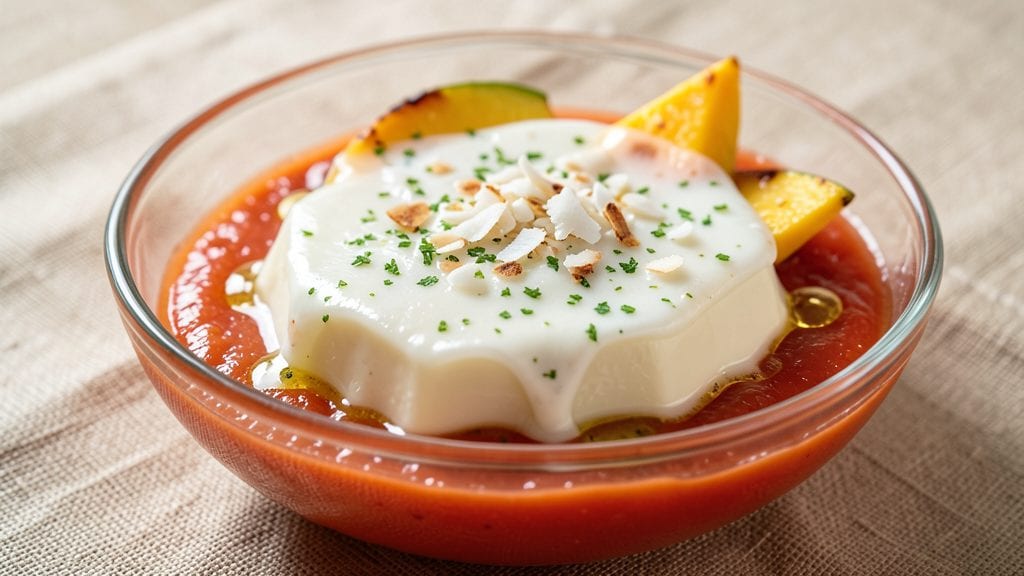
Creating a vegan rice jelly recipe that rivals traditional gelatin dishes is easier than you think, and this silky mango-lime version delivers a tropical twist that’s both elegant and approachable.
The secret lies in using rice flour and agar powder to achieve that signature wobble without any animal products, while the bright citrus flavors elevate every spoonful into a refreshing treat.
I developed this recipe after experimenting with different fruit combinations, and the mango-lime pairing became my go-to for its perfect balance of sweetness and tang.
What sets this recipe apart is its versatility—it’s simple enough for a weeknight dessert but impressive enough for gatherings, with a texture that’s smooth yet satisfying. The process involves boiling the rice flour mixture to create a thick base, then cooling it to set into a delicate, jelly-like consistency.
Unlike traditional gelatin, this version holds its shape beautifully while offering a lighter, fruit-forward flavor profile that appeals to both vegans and non-vegans alike.
By the end, you’ll have a vibrant, tropical-inspired dessert that’s as visually stunning as it is delicious—think layers of golden jelly with bursts of mango and lime zest. The recipe also includes optional toppings like toasted coconut flakes or fresh berries, allowing you to customize it to your taste.
Whether you’re serving it at a potluck or enjoying a small bowl as a palate cleanser, this jelly is guaranteed to impress.
For those curious about cultural variations, this recipe draws inspiration from Southeast Asian rice-based desserts like sapin-sapin, but with a modern, fruit-forward twist. The technique is foolproof, and the ingredients are easy to find, making it the perfect project for anyone looking to expand their dessert repertoire.
Let’s get started on creating this silky, tropical delight!
Ingredients for rice jelly
Six ingredients transform into silky tropical jelly—no gelatin, just plant-powered perfection.
| Ingredient | Amount | Notes |
|---|---|---|
| White Rice Flour 🌾 | ½ cup | Fine grind for silky texture |
| Agar Powder 🍃 | 1 ½ tsp | High-quality for firm set |
| Ripe Mango Puree 🥭 | 1 cup | Fresh or quality jarred |
| Fresh Lime Juice 🍋 | ½ cup | Strained, no pulp |
| Lime Zest 🍋 | 1 tbsp | Finely grated, vibrant color |
| Coconut Milk 🥥 | ½ cup | Full-fat for creaminess |
| Granulated Sugar 🍚 | ¼ cup | Adjust to taste |
| Water 💧 | 2 cups | Filtered preferred |
| Toasted Coconut Flakes 🥥 | ¼ cup | Optional garnish |
| Fresh Mango Cubes 🥭 | ½ cup | For topping |
| Sea Salt 🧂 | ¼ tsp | Diamond Crystal preferred |
| Vanilla Extract 🌸 | ½ tsp | Pure, high-quality |
The rice flour is your secret weapon here—Bob’s Red Mill or Anthony’s Goods are my go-tos for consistent results. Agar powder is non-negotiable for that signature wobble; Jello brand agar-agar works perfectly. Mangoes? Ripe but firm ones blend best—avoid those with brown spots. Lime juice should be fresh-squeezed (no bottled stuff), and the zest needs to be vibrant yellow—organic limes from the grocery store’s produce section usually deliver. For coconut milk, full-fat canned (like Aroy-D) gives the best creaminess, but light works in a pinch.
No ripe mangoes? Frozen mango chunks thawed and strained work just fine—just don’t skip the zest, that’s where the magic happens. Short on lime juice? Key lime juice or even a splash of bottled lemon juice (though fresh is ideal) gets you close. The sugar can be swapped for maple syrup or agave at a 1:1 ratio, though it’ll change the texture slightly. For the coconut flakes, unsweetened toasts better—toss them in a dry pan over medium heat until golden. And if you’re feeling fancy, add a pinch of cardamom powder to the mix for an exotic twist.
This jelly sets beautifully in 4-6 hours at room temperature, but it’ll keep for up to 1 week in the fridge once fully set. For make-ahead prep, assemble the mixture in small jars or ramekins—it’s perfect for potlucks or meal prep. If you’re serving it warm, reheat gently in the microwave (30-second bursts) until just melted. The texture is delicate, so handle with care when unmolding. And trust me, the first bite of that silky mango-lime jelly with toasted coconut on top? Worth every minute.
Why You'll Love This Recipe
- No Boiling Madness: I swear by this recipe because it’s not one of those dishes where you have to babysit the stove. Just mix the rice flour, agar powder, and mango puree, bring it to a boil once, then let it sit—that’s it. No stirring for 45 minutes like some other jellies I’ve tried.
- Tropical Brightness: That ripe mango puree isn’t just flavor—it’s vibrant. The lime zest adds this little citrusy kick that makes it taste fresh, not sweet. Honestly, it’s the kind of dessert that feels like a vacation in your mouth, even if you’re eating it at your kitchen table.
- Party in a Bowl: Between us, this is the only jelly I’d bring to a potluck. It’s light enough for a summer gathering, fancy enough for a dinner party, and kids won’t complain about eating it (unlike, say, my failed attempts at chia pudding). Plus, the lime zest gives it that just-made look—no one will guess it’s basically foolproof.
- Zero Waste, All Win: Here’s what sold me—the leftovers last forever in the fridge, and I can repurpose them into smoothies or even a quick mango-lime sorbet. Agar powder is cheap, rice flour is a pantry staple, and you’re basically turning overripe mangoes into something golden instead of tossing them. Budget-friendly? Yes. Smart? Absolutely.
Step-by-step instructions for silky mango-lime gelatin
Here's how to craft this vibrant, tropical-inspired rice jelly with perfect texture every time.
Create the Mango-Lime Base
In a medium saucepan, combine the 2 cups water, 0.5 cup granulated sugar, and 0.25 tsp sea salt. Bring to a gentle boil over medium heat while stirring until the sugar fully dissolves. This creates your flavor foundation—don't rush this step or you'll get grainy sugar crystals later.
Reduce heat to low and whisk in the 1 cup ripe mango puree, 0.5 cup fresh lime juice, and 1 tbsp lime zest. Simmer for 5 minutes until the mixture thickens slightly and develops a fragrant aroma. The vibrant yellow color should deepen as the lime zest infuses. Remove from heat and stir in the 0.5 tsp vanilla extract and 0.5 cup coconut milk. Let cool to room temperature—this prevents premature gelling when you add the agar.
Bloom and Incorporate the Agar
While the mango mixture cools, sprinkle the 1.5 tsp agar powder evenly over the surface of the 0.5 cup white rice flour in a small bowl. Whisk vigorously to break up any lumps—agar clumps won't dissolve properly and will create rubbery spots in your jelly. This step is crucial for achieving that signature silky texture.
Once your mango mixture reaches about 110°F (just warm to the touch), gradually whisk in the agar-flour mixture while stirring constantly. Return the pan to low heat and bring to a gentle simmer, stirring continuously for exactly 3 minutes. You'll notice the mixture thicken dramatically—this is when the agar activates. Remove from heat immediately to prevent over-thickening, which would make the jelly too firm.
Pour and Set the Gelatin
Quickly pour the hot mixture through a fine-mesh sieve into 6 individual serving glasses or a single large dish, pressing gently on the back of the sieve to extract all the liquid. This ensures a smooth, lump-free finish. Tap the glasses gently on the counter to release any air bubbles that might form on the surface.
Cover each glass with plastic wrap pressed directly onto the surface to create a smooth top. Refrigerate for at least 4 hours or until completely set—you'll know it's ready when the jelly jiggles slightly but holds its shape when tilted. The longer it chills, the firmer it becomes, but no more than 24 hours or it may develop a grainy texture.
Garnish and Serve
Before serving, sprinkle each portion with the 0.5 cup fresh mango cubes and 0.25 cup toasted coconut flakes. For extra presentation, you can create a zigzag pattern with the coconut flakes or arrange the mango cubes in a circular pattern on top. The toasted coconut adds a delightful crunch contrast to the silky jelly.
Serve chilled straight from the refrigerator. Each bite should deliver that perfect balance of sweet mango, tangy lime, and creamy coconut milk with a satisfying mouthfeel. The jelly should hold its shape when cut but still have that signature wobble. For best results, consume within 2 days of making—freshness is key to that restaurant-quality texture.
Pro Tips For Making Rice Jelly
- Bloom the Agar: DESCRIPTION: Sprinkle agar powder directly into cold water first—it clumps like magic. Stirring it into boiling liquid later means half the powder sits useless at the bottom. I learned this the hard way after making jelly that wobbled like overcooked tapioca.
- Strain the Mango: DESCRIPTION: Run ripe mango puree through a fine-mesh sieve before mixing—even "smooth" puree hides fibrous bits that turn your jelly grainy. Skip this, and you’ll end up with texture like wet sandpaper.
- Don’t Rush the Boil: DESCRIPTION: Let the rice flour-water mix simmer gently for 3–4 minutes after agar dissolves. A rolling boil now = lumpy jelly later. Sounds boring, but it’s the thing that matters most for that silky finish.
- Zest Last, Juice First: DESCRIPTION: Add lime zest after the mixture cools slightly—it burns fast and turns bitter. Measure juice first (about 2 tbsp), then taste before setting; you can always add more, but fixing over-sour jelly is a nightmare.
Storing and reheating your rice jelly
Refrigerator Storage
Once your rice jelly is fully set, transfer it to an airtight container with a tight-sealing lid—I recommend glass mason jars or silicone molds for easy portioning. Store it in the refrigerator at 40°F or below for up to 7 days.
The jelly will maintain its silky texture but may firm up slightly over time. To serve, let it sit at room temperature for 10-15 minutes before unmolding for that perfect wobble. 💧
Freezer Preservation
For longer storage, freeze your rice jelly in single-serving portions using silicone cupcake liners or small plastic containers. Press plastic wrap directly onto the surface to prevent freezer burn. It’ll keep for up to 3 months—though the texture may become slightly grainier after thawing.
To revive, microwave individual portions for 20-30 seconds or reheat gently in a water bath until just melted. 🥶
Reheating Techniques
If your jelly has firmed up too much in the fridge, reheat it gently to restore its silky consistency. Place the container in a microwave-safe bowl with 1 inch of hot water and heat in 10-second bursts until just melted.
Stir gently to redistribute the coconut milk and prevent separation. Avoid boiling, as this can break down the agar and make the jelly too soft. 🔥
Serving After Storage
After refrigeration or freezing, garnish your jelly with fresh lime zest or a sprinkle of toasted coconut flakes to revive its presentation. The flavors remain vibrant, though the texture may be slightly firmer.
For a restaurant-style finish, drizzle with mango reduction (simmer ½ cup mango puree with 1 tbsp sugar) before serving. This works especially well if you’ve stored it for a few days. ✨
Avoiding Texture Issues
If your jelly develops a grainy texture after storage, it’s likely from over-chilling or using old agar powder. To prevent this, store it in shallow containers (no deeper than 2 inches) and avoid stacking heavy items on top.
For extra insurance, add ½ tsp extra agar powder if you plan to freeze it. The key is maintaining a consistent temperature—never let it thaw at room temperature for more than 30 minutes. 💡
Make-Ahead Tips
Prep your jelly 24 hours in advance for potlucks or parties—it’s perfect for meal prep! Assemble the mixture in individual ramekins or molded shapes (like hearts or stars) for easy serving.
Label containers with the date and store in the back of the fridge where it’s coldest. This ensures even setting and maximum freshness when you’re ready to serve. 📅
Nutrition facts
Frequently asked questions
Can I make this rice jelly without agar powder?
Yes, but the texture will be different. You can substitute 1.5 tsp agar powder with 2 tsp of cornstarch or 1 tbsp of gelatin (for non-vegan versions), though the result will be less silky and more like a firm custard. Agar creates that signature wobble, so if you're aiming for authenticity, stick with it. For a vegan alternative, try carrageenan instead.
Why did my rice jelly turn out too firm or rubbery?
Overcooking the agar mixture or using too much agar powder are the most common culprits. The key is to simmer the agar-flour mixture for exactly 3 minutes—no longer. Also, ensure your rice flour is finely ground and whisked smoothly to avoid lumps. If it's too firm, try reducing the agar by 0.25 tsp next time.
Can I use other fruits besides mango and lime?
This recipe works beautifully with tropical fruits like pineapple, papaya, or guava. For berries, try strawberry-basil or raspberry-vanilla combinations. Just adjust the sweetness—some fruits (like pineapple) are naturally sweeter, so you may need less sugar. The citrus element isn't mandatory, but it brightens the flavor.
How do I make this jelly for a large group?
Double the recipe and use a large baking dish or lasagna pan for easy slicing. For serving, cut into 1-inch cubes and arrange on a platter with extra toppings. To speed up chilling, place the dish in an ice bath for 1 hour before transferring to the fridge. For presentation, use silicone molds to shape individual portions in fun designs like stars or hearts.
Is this recipe suitable for kids?
Yes, but with a few adjustments. Kids often prefer sweeter flavors, so you can increase the sugar to 0.75 cup or add 1 tbsp honey (if not vegan). For extra fun, let them help with the toppings—sprinkle crushed rainbow sprinkles or mini marshmallows on top. The texture is safe for little ones, but always supervise to prevent choking on large coconut flakes.